Jainum Food And Waste Projects Pvt Ltd — Supplier
About Jainum Food And Waste Projects Pvt Ltd - Flour Supplier in India
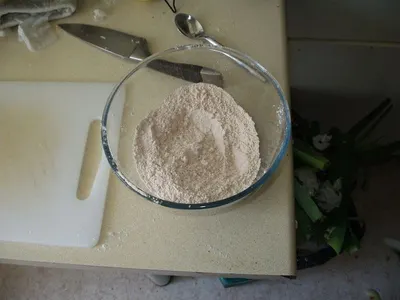
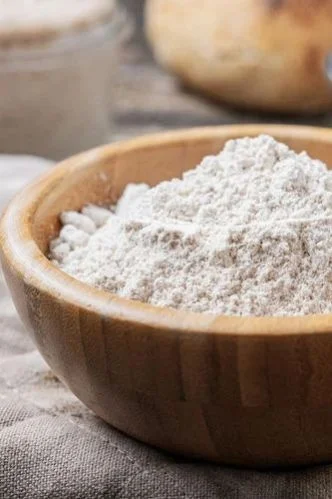
India‑based Jainum Food And Waste Projects Pvt Ltd lists six active products across its catalogue. The portfolio covers five food items - Semolina Flour Roasted, Suji Rawa Roasted, Durum Wheat Semolina, Durum Wheat Grit Roasted and Semolina Flour Dark Roasted - and one piece of food‑processing equipment, a Roaster‑Dryer. All items fall under the broader categories of Flour, Wheat and Food Processing Machinery as indicated in the supplier’s top categories.
The food items are variations of semolina and roasted wheat products derived from durum wheat, while the machinery is marketed for roasting and drying grain batches. The catalogue does not provide HS codes for individual SKUs, but the product families align with common HS headings for milled grain (HS 1101) and agricultural processing equipment (HS 8422).
Product Range and Specialties of Jainum Food And Waste Projects Pvt Ltd
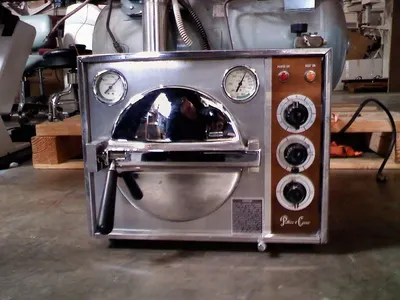
The semolina line includes standard, roasted and dark‑roasted variants. In the Indian and global market, semolina is typically graded by particle size (0.5‑2 mm), moisture ≤14 %, ash 0.45‑0.60 % and protein 12‑14 % for durum‑derived products. Roasted semolina often carries a colour index (light to dark) and a defined roast level measured by moisture loss (approximately 2‑4 % lower than raw semolina). Buyers also look for microbiological limits (e.g., total plate count ≤ 10 ⁴ cfu/g) and the absence of mycotoxins. The Roaster‑Dryer is classified as grain‑roasting equipment. Typical specifications for similar machines include a capacity of 500‑1 000 kg per batch, temperature control up to 250 °C, and power ratings between 15‑30 kW. Such equipment is used in bakeries, confectionery and snack‑production lines to achieve uniform roast and moisture reduction.
Trade and Export Information - Jainum Food And Waste Projects Pvt Ltd
India is a major exporter of semolina and roasted wheat products, with shipments usually directed to the Middle East, North‑East Africa, South‑East Asia and parts of Europe. The relevant HS chapter for milled wheat products is 1101, where sub‑headings for roasted semolina fall under 1101.30. Food‑processing machinery is recorded under HS 8422. Export documentation commonly includes a commercial invoice, packing list, certificate of origin and, where required by the destination, a food safety certificate such as FSSAI, ISO 22000 or HACCP compliance. Standard export logistics involve 20‑ft or 40‑ft containers packed in 25 kg polypropylene bags for flour and palletised units for machinery, with Incoterms FOB or CIF frequently used. Buyers importing Indian semolina typically request laboratory analysis reports confirming moisture, protein and ash levels, as well as a declaration of compliance with the destination country’s food‑safety regulations. Machinery buyers look for CE marking or equivalent safety certifications, performance curves and warranty terms.
Sourcing from Jainum Food And Waste Projects Pvt Ltd - Buyer Guidance
When sourcing roasted semolina or durum wheat semolina from Jainum, request a product specification sheet that lists moisture, protein, ash, particle‑size distribution and roast level. A recent third‑party lab report confirming the absence of aflatoxins and compliance with microbiological limits should be obtained before order confirmation. For the Roaster‑Dryer, ask for the equipment’s capacity chart, power consumption data, safety certifications (e.g., CE or ISO 9001) and a copy of the user manual. Typical minimum order quantities for bulk flour range from 500 kg to 1 ton, with lead times of 30‑45 days after sample approval. The machinery is usually quoted per unit with a lead time of 60‑90 days, depending on configuration. Verify packaging - 25 kg bags for flour, sealed on pallets for shipment - and confirm the agreed Incoterm to ensure clarity on freight and insurance responsibilities.
Frequently Asked Questions About Jainum Food And Waste Projects Pvt Ltd
What types of semolina products does Jainum Food And Waste Projects Pvt Ltd offer?
The supplier lists five wheat‑derived products: standard Semolina Flour Roasted, Suji Rawa Roasted, Durum Wheat Semolina, Durum Wheat Grit Roasted and Semolina Flour Dark Roasted.
Which HS code family applies to the semolina products?
Semolina and roasted wheat products are generally classified under HS Chapter 11, sub‑heading 1101.30 for roasted semolina.
What specifications should a buyer check for roasted semolina?
Buyers should verify moisture content (≤14 %), protein (12‑14 %), ash (0.45‑0.60 %), particle size (0.5‑2 mm) and roast level, supported by a recent laboratory analysis report.
What certifications are typically required for importing Indian semolina?
Importers usually request a food‑safety certificate such as FSSAI compliance, ISO 22000 or HACCP audit report, plus a certificate of origin.
What is the primary function of the Roaster‑Dryer offered by the supplier?
The Roaster‑Dryer is designed for batch roasting and drying of grains, with typical capacities of 500‑1 000 kg per run and temperature control up to 250 °C.
Which HS code applies to the Roaster‑Dryer equipment?
Food‑processing machinery like a Roaster‑Dryer is commonly recorded under HS Chapter 84, sub‑heading 8422.
What packaging is used for the flour products?
Flour items are typically packed in sealed 25 kg polypropylene bags, stacked on pallets for container loading.
What are common Incoterms used for shipments from India?
Suppliers and buyers often agree on FOB (Free on Board) or CIF (Cost, Insurance and Freight) depending on the buyer’s preference for freight handling.




 , India