Jai Commercial Centre — Verified Supplier
About Jai Commercial Centre - Spices Supplier in India
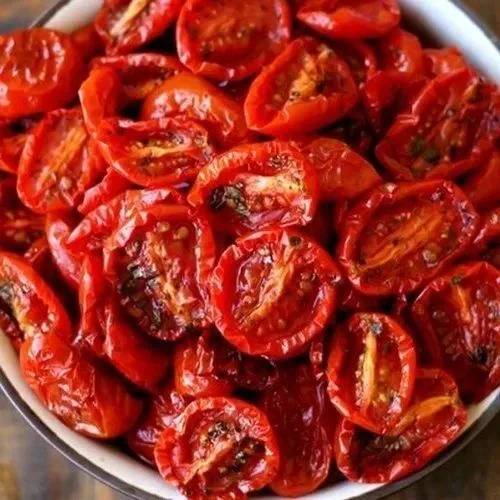
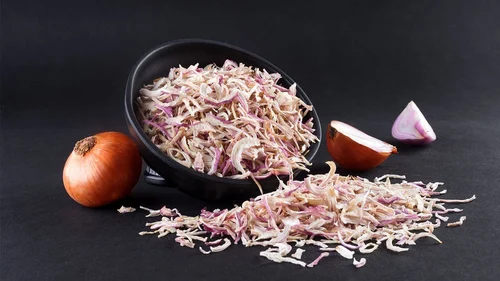
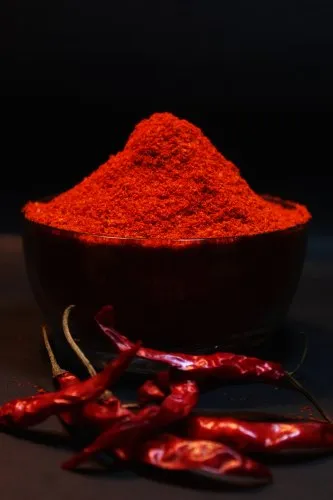
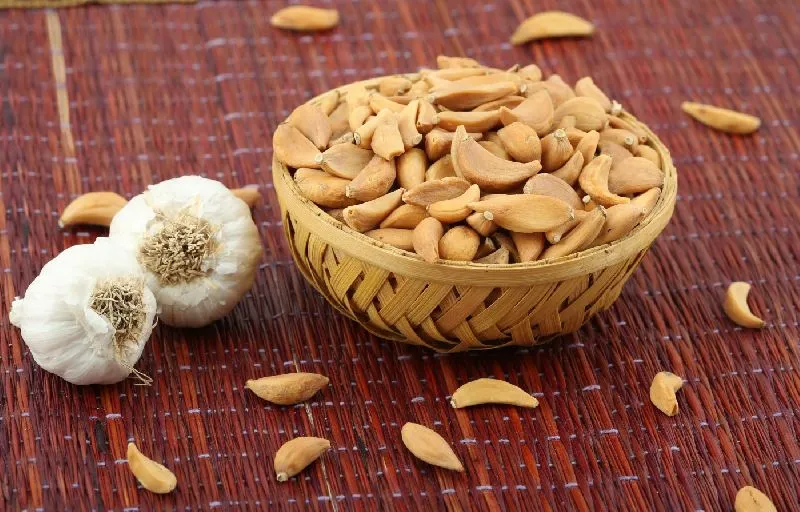
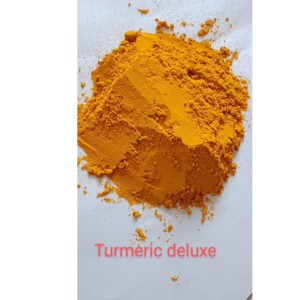
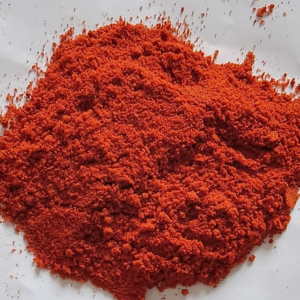
India hosts a catalogue of eleven distinct spice products offered by Jai Commercial Centre. The list includes a variety of chillies such as Byadigi, Wrinkled, Rose, Teja, Wonderhot, Sanam and Tomato chillies, as well as Garlic, Podisu Shallot Onion, Fenugreek Seed and Turmeric Fingers. Each entry is recorded under the broader categories of Spices, Dehydrated Ginger and Fenugreek Seeds, reflecting the supplier’s focus on dried aromatic and pungent commodities. The supplier’s active product count of 11 is explicitly stated, providing a clear inventory scope for potential importers. The catalogue does not provide HS codes, so categorisation follows standard spice HS‑chapter 09.
Product Range and Specialties of Jai Commercial Centre
The catalogue covers several Indian chillies that are commonly graded by size, colour and Scoville heat units, with typical market grades ranging from mild (30‑500 SHU) to very hot (10 000‑25 000 SHU). Fenugreek seeds are usually sold in whole‑seed form with a moisture content below 12 % and a standard seed length of 5‑7 mm. Garlic bulbs are exported in bulk or bagged form, with average bulb weight of 40‑60 g and a total moisture content under 13 %. Turmeric Fingers are the finger‑shaped portion of the rhizome, often graded by colour intensity (ICUMSA 45‑70) and fibre content. Industry practice also distinguishes dehydrated ginger by its dry matter percentage (typically >85 %) and gingerol content, although this supplier’s list does not specify a dehydrated ginger product. Buyers can expect these products to be packed in food‑grade polypropylene bags, jute sacks or bulk containers according to the volume ordered.
Trade and Export Information - Jai Commercial Centre
India is a global exporter of spice products, supplying the Middle East, European Union, United States and Southeast Asian markets. Export shipments of chillies, garlic and fenugreek typically use 20‑foot or 40‑foot containers with inner liners of polyethylene bags or bulk pallets, complying with the HS‑chapter 09 guidelines for spices. Common certifications requested by importers include ISO 22000, HACCP, FSSAI licence and, where applicable, organic certification under EU/US standards. Indian spice exporters often adhere to the Food Safety and Standards Authority of India (FSSAI) regulations and may obtain phytosanitary certificates for customs clearance. Logistics frequently employ CIF or FOB Incoterms, with refrigerated containers used for heat‑sensitive chillies to preserve colour and pungency during transit.
Sourcing from Jai Commercial Centre - Buyer Guidance
When sourcing from this supplier, buyers should request a recent FSSAI licence copy, a phytosanitary certificate and, if required, an ISO 22000 audit report. Sample packs of each chilli variety, garlic and fenugreek seed are advisable to verify colour, moisture level and Scoville rating before confirming bulk orders. Test reports for pesticide residues, aflatoxin levels and microbial limits should be examined to meet EU and US food‑safety thresholds. Verify packaging dimensions (e.g., 25 kg PP bag or 1 ton jute sack) and confirm the container loading plan to avoid product degradation. Clarify lead times, which for Indian spice shipments typically range from 30 to 45 days from order confirmation to vessel departure.
Frequently Asked Questions About Jai Commercial Centre
What product categories does Jai Commercial Centre list?
The supplier lists eleven spice products, including several Indian chillies, Garlic, Podisu Shallot Onion, Fenugreek Seed and Turmeric Fingers, all falling under the broader categories of Spices, Dehydrated Ginger and Fenugreek Seeds.
Are HS codes provided for the products?
No HS codes are supplied in the catalogue; buyers should apply the standard HS‑chapter 09 codes for dried spices when preparing customs documentation.
Which certifications are typically required for Indian spice exports?
Importers usually request ISO 22000, HACCP, FSSAI licence and, where applicable, organic or phytosanitary certificates to satisfy food‑safety regulations in destination markets.
What are the common packaging formats for the chillies?
Chillies are commonly packed in food‑grade polypropylene bags (e.g., 25 kg) or bulk jute sacks (up to 1 ton), with optional inner liners for moisture protection during sea freight.
What quality parameters should a buyer check for Fenugreek Seed?
Buyers should verify seed moisture below 12 %, seed length of 5‑7 mm, absence of foreign matter and compliance with pesticide residue limits set by the target market.
How is Garlic typically graded for export?
Garlic is graded by bulb size (40‑60 g per bulb), moisture content under 13 % and uniformity of skin colour; export batches often meet ICUMSA 45‑70 colour standards.
What lead time should a buyer expect for an order?
Typical lead times for Indian spice shipments range from 30 to 45 days, covering processing, packaging, documentation and loading onto a container vessel.
Which regions most frequently import these Indian spices?
Key import destinations include the United Arab Emirates, Saudi Arabia, European Union countries such as Germany and the United Kingdom, and the United States, where demand for Indian chillies and aromatic seeds remains strong.




 , India