Agriculture›
 Apparel and fashion accessories›
 Construction & real estate›💡Electronic & Electrical›🍎Food & Beverages›🛋️Home furnishing & supplies›⚗️Industrial goods & chemical›🪨Minerals & metals›📦Miscellaneous›Agriculture›Apparel and fashion accessories›Construction & real estate›💡Electronic & Electrical›🍎Food & Beverages›🛋️Home furnishing & supplies›⚗️Industrial goods & chemical›🪨Minerals & metals›📦Miscellaneous›
Jafiya Apagu Product Catalog



About Jafiya Apagu - Agricultural Commodities Supplier in Nigeria
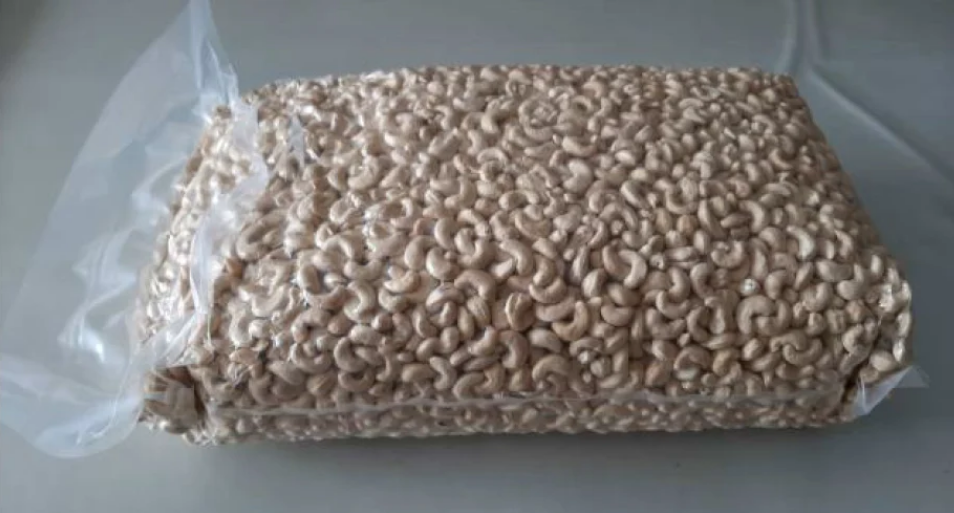
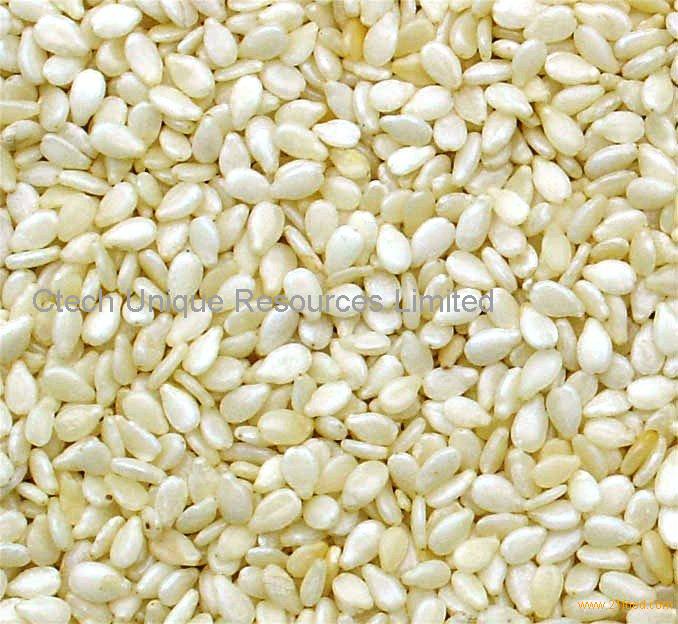
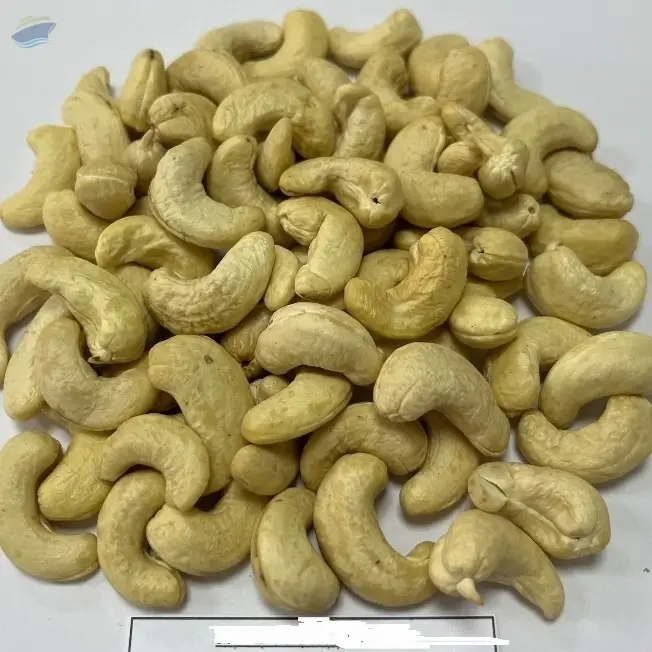
Jafiya Apagu operates from Kano in northern Nigeria and currently lists seven active agricultural products. The company’s catalogue covers a mix of oilseeds, nuts, legumes and dried botanicals, reflecting the diversity of Nigerian farm output. Each product is presented under its generic category - cocoa bean, sesame seed, cashew nuts, non‑GMO soybeans, hibiscus flower, dry split ginger and gum arabic - without additional sub‑variants in the public listing. The supplier is classified as an organic tier provider, indicating that its sourcing network follows organic‑compatible practices, though specific certifications must be confirmed by the buyer.
The seven items span three major HS‑code families: cocoa beans (Chapter 18), oilseeds and nuts (Chapter 12), and miscellaneous food products such as dried herbs and gums (Chapter 21). The catalogue does not provide individual HS numbers, but the product set aligns with common export classifications used for Nigerian agricultural commodities. Jafiya Apagu’s profile emphasizes a network of out‑grower farmers and a focus on raw material quality, which is typical for exporters that manage upstream production in the region. Buyers can expect standard bulk packaging formats such as 20 kg bags for nuts and 25 kg sacks for dried botanicals.
Product Range and Specialties of Jafiya Apagu
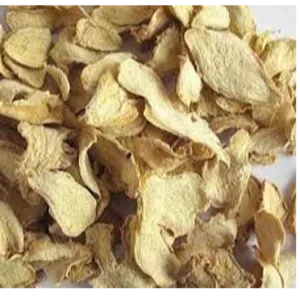
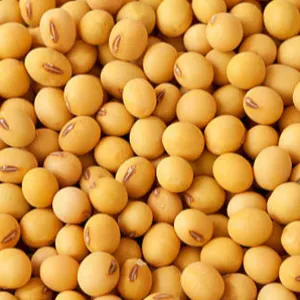
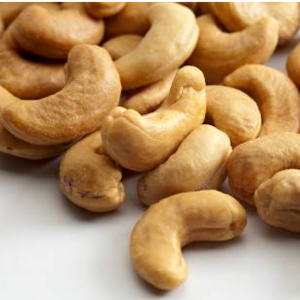
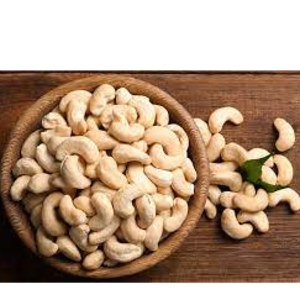
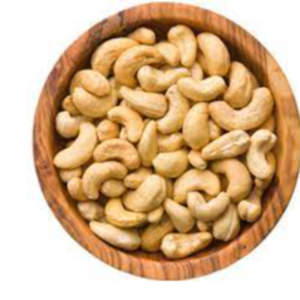
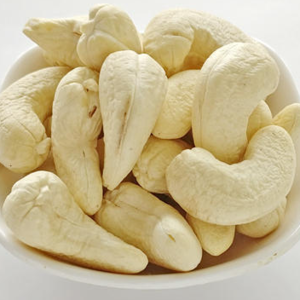
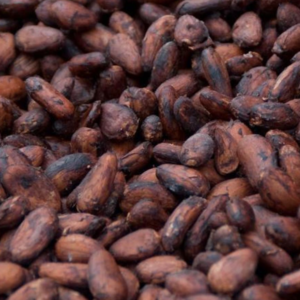
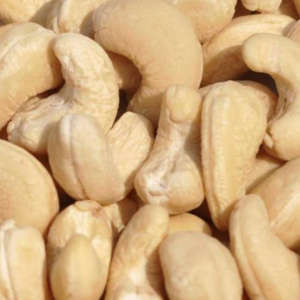
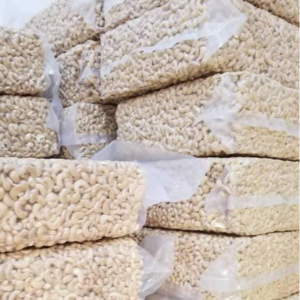
The current product list includes cocoa beans, which are usually supplied in grades AA or A with a minimum fat content of 70 % and moisture under 7 %. Sesame seeds are offered in both white and brown varieties, often graded by hull‑lessness and oil content (typically 50‑55 %). Cashew nuts appear in standard export grades such as W180, where moisture is limited to 5 % and shell‑to‑kernel ratios meet international benchmarks. Non‑GMO soybeans are classified as soybeans with a protein content of 36‑40 % and must pass GMO‑free certification. Hibiscus flower (dried calyces) is generally sold with moisture below 12 % and a colour index that meets food‑grade standards. Dry split ginger is sized between 10‑30 mm, with moisture limits of 12 % and low ash content. Gum Arabic is provided as grade #1, with solubility above 95 % and impurity levels below 0.5 %.
Frequently Asked Questions About Jafiya Apagu
What are the standard grades for the cocoa beans offered by Jafiya Apagu?
The cocoa beans are generally supplied in grade AA or A, with a minimum fat content of 70 % and moisture not exceeding 7 %.
Which certifications should a buyer request for the non‑GMO soybeans?
Buyers should ask for a GMO‑free certification, an ISO 22000 food safety certificate and a phytosanitary certificate for each shipment.
How are sesame seeds typically packaged for export?
Export shipments use bulk 20 kg polypropylene bags, sealed to protect against moisture and contamination.
What quality parameters are checked for dry split ginger?
Typical parameters include particle size between 10‑30 mm, moisture below 12 % and low ash content, all verified by a certified lab report.
Which documents are required for importing gum Arabic from Nigeria?
A certificate of origin, phytosanitary certificate, and a quality analysis showing grade #1 solubility above 95 % are commonly required.
 Nigeria
Related Suppliers & Products
Explore similar suppliers, related products and trending categories
.jpg.png)