J Brother Spices And Agri Export Private Limited — Verified Supplier

About J Brother Spices And Agri Export Private Limited - Spices Supplier in India

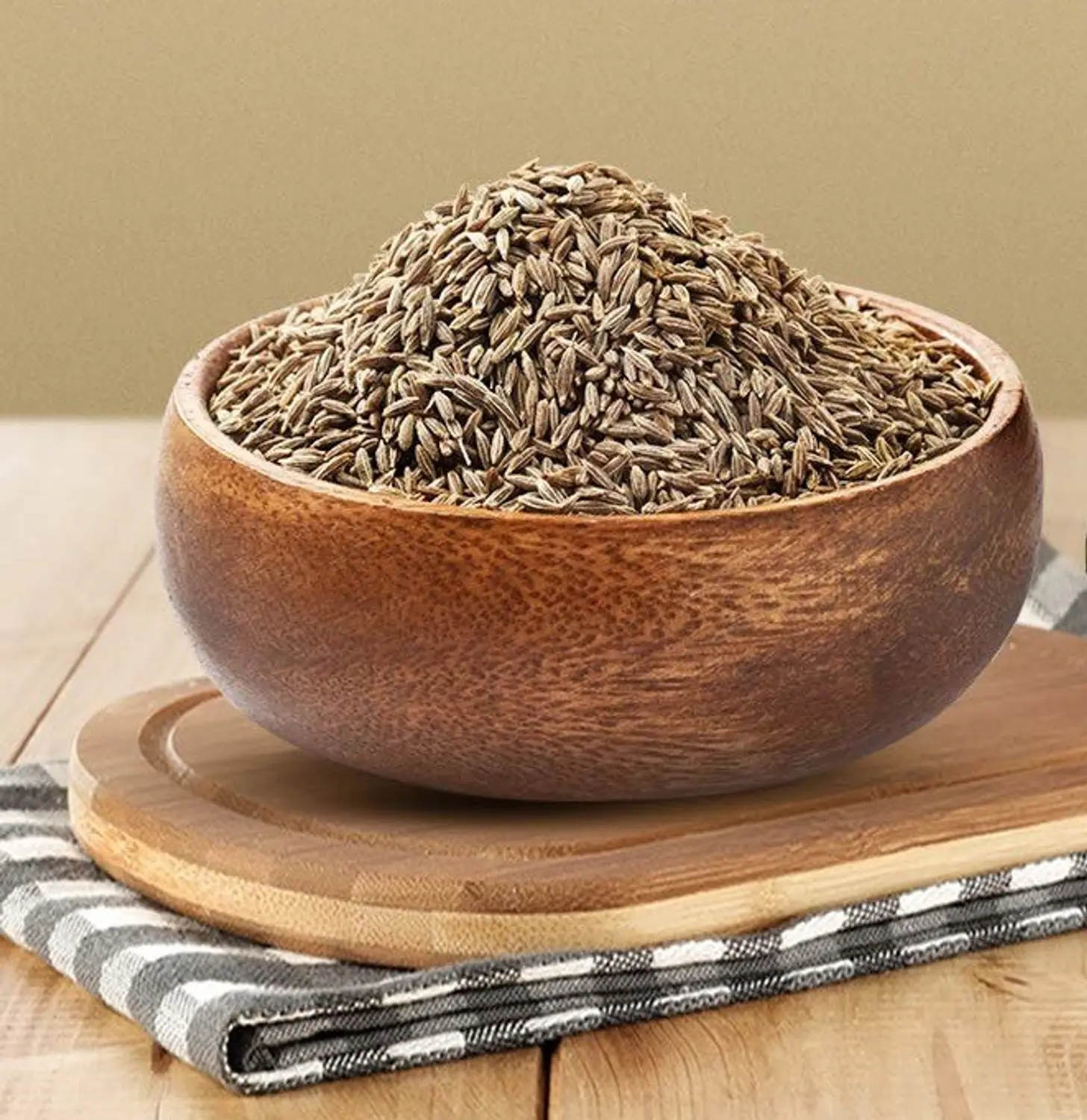
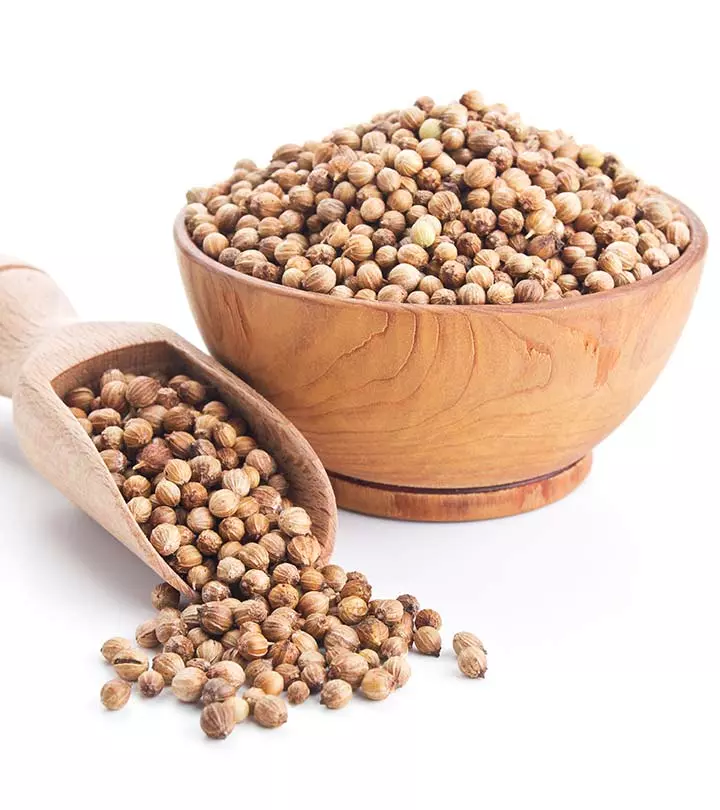
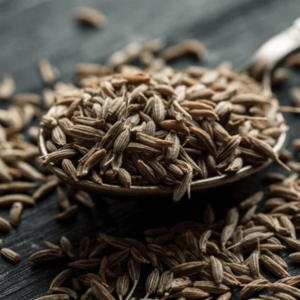
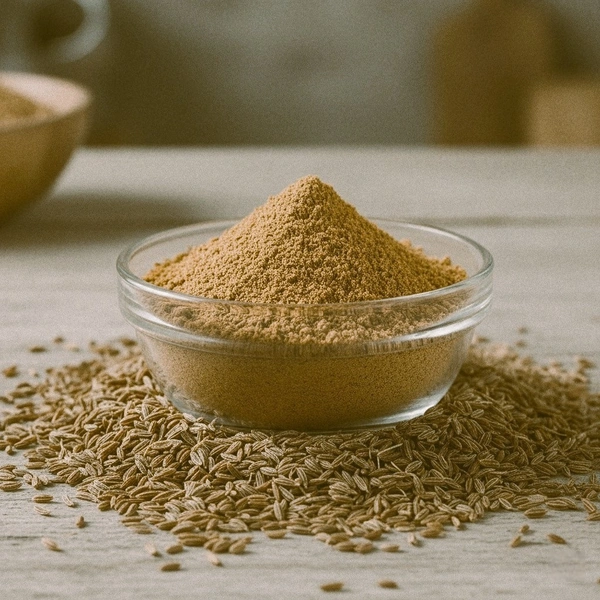
India hosts J Brother Spices And Agri Export Private Limited, which currently lists six active products in its catalogue. The portfolio includes cumin seeds, coriander seeds, fennel seeds, sesame seeds, chilly powder and ajwain, each classified under the general spices category. The company’s product count reflects a focused range of seed and powdered spice offerings that are commonly traded under HS chapter 09. No additional product families are indicated beyond these six items. The supplier’s catalogue presents both whole seed varieties and ground spice forms, aligning with standard export classifications for Indian spice producers.

The listed items correspond to major spice commodities sourced from Indian agricultural regions such as Gujarat and Rajasthan, where cumin, coriander and fennel are cultivated. Ground chilli powder and ajwain are typically processed in nearby milling facilities before packaging. All six products are prepared for bulk export, usually in 25 kg jute or polypropylene bags, adhering to the weight specifications preferred by international buyers. The catalogue does not specify any proprietary processing methods, focusing solely on the commodity types.

Product Range and Specialties of J Brother Spices And Agri Export Private Limited

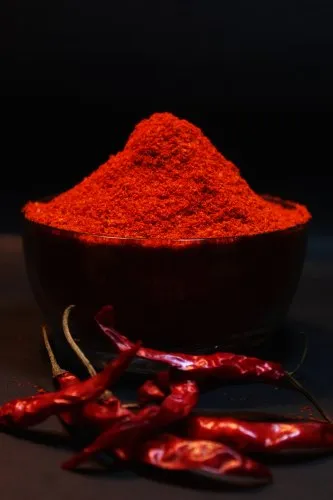
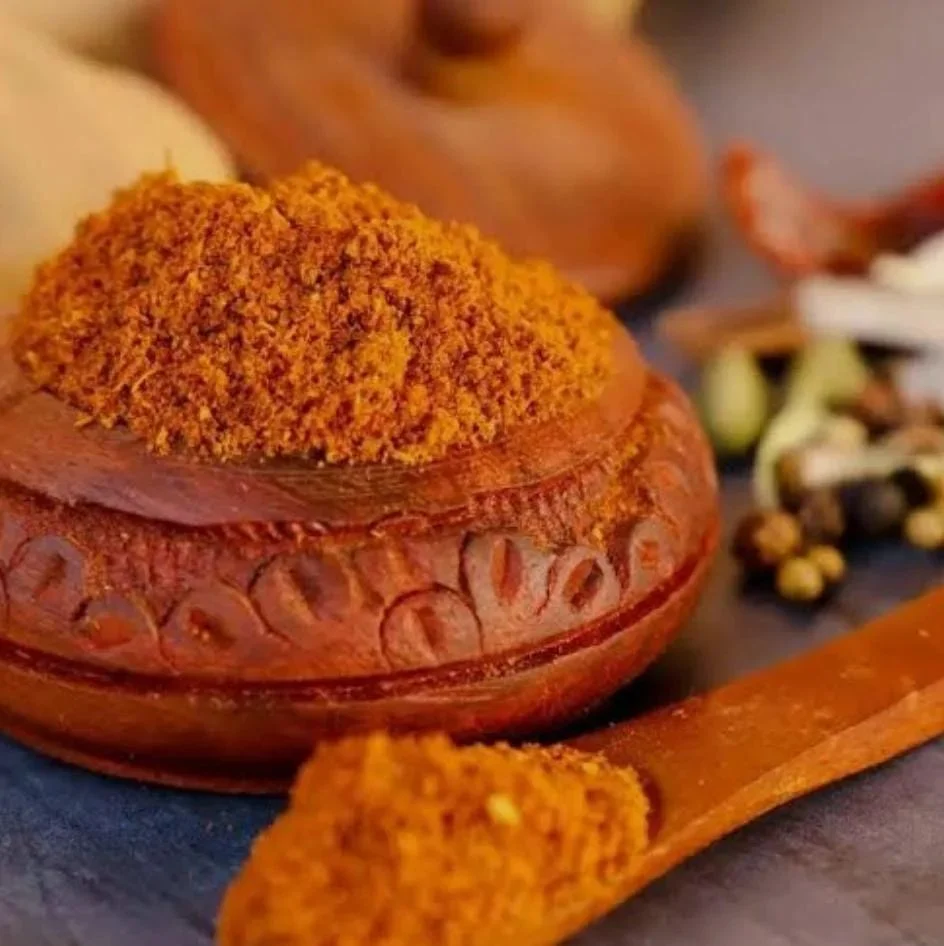
The catalogue offers cumin seeds, coriander seeds, fennel seeds, sesame seeds, chilly powder and ajwain. In the global spice market, cumin and coriander seeds are often graded by size (e.g., 6 mm ± 0.5 mm) and colour, with moisture content not exceeding 12 %. Fennel seeds are commonly evaluated for essential oil content, typically above 0.5 % by weight, while sesame seeds are assessed for hull removal rate and oil content around 45‑50 %. Chilly powder is usually supplied in particle sizes of 200‑400 µm and must meet capsaicin levels that correspond to Scoville ratings of 30,000‑50,000. Ajwain seeds are graded for seed integrity and low moisture, generally below 10 %.

Industry standards for these spice categories frequently require certifications such as ISO 22000, HACCP, and, where applicable, organic or fair‑trade verification. Buyers often request a Certificate of Analysis (CoA) that details microbial limits (e.g., total plate count <10⁴ CFU/g), aflatoxin levels (<5 µg/kg), and pesticide residue compliance with EU or US maximum residue limits. Typical packaging for bulk shipments includes 25 kg jute bags, 50 kg polypropylene bags, or 1 ton bulk containers, each sealed to preserve aroma and prevent moisture ingress.

Trade and Export Information - J Brother Spices And Agri Export Private Limited

India is among the world’s largest exporters of spices, with major destinations including the United States, the European Union, the Middle East and Southeast Asia. Exported spice commodities fall under HS Chapter 09, with specific headings such as 0905 for cumin seeds, 0906 for coriander seeds, 0907 for fennel seeds, 0909 for sesame seeds and 0904 for chilli powder. Importers typically require compliance with the Codex Alimentarius standards for microbial and pesticide limits, and may request certifications like FSSC 22000 or organic verification depending on the market segment.

Logistically, bulk spice shipments are commonly loaded in 20‑foot or 40‑foot containers, with each container holding approximately 800 kg of 25 kg bags. Incoterms most frequently used are FOB (port of loading in Indian ports such as Mundra or Nhava Sheva) or CIF to the buyer’s destination port. Seasonal peaks occur after the harvest periods in winter and early spring, influencing lead times and availability. Export documentation generally includes a commercial invoice, packing list, phytosanitary certificate and, where required, a Certificate of Origin.

Sourcing from J Brother Spices And Agri Export Private Limited - Buyer Guidance

Buyers should request a recent Certificate of Analysis for each spice, confirming moisture, microbial counts, aflatoxin and pesticide residues within the limits of the target market. It is advisable to obtain a sample batch for sensory evaluation and laboratory testing before confirming larger orders, especially for ground products like chilly powder where particle size and colour uniformity are critical.

Verification of packaging integrity, such as the use of food‑grade liners inside jute bags, helps maintain product quality during transit. Buyers should also confirm the supplier’s compliance with relevant certifications (e.g., ISO 22000, HACCP) and request copies of audit reports if available. Clarifying the Incoterm (FOB vs CIF), container loading plan and expected lead time - typically 30‑45 days from order confirmation - will reduce supply‑chain risk.

Frequently Asked Questions About J Brother Spices And Agri Export Private Limited

What spice products does J Brother Spices And Agri Export Private Limited list in its catalogue?

The catalogue includes cumin seeds, coriander seeds, fennel seeds, sesame seeds, chilly powder and ajwain, all categorized under spices. These six items represent the full range of commodities the supplier currently offers for export.

Are the listed spices supplied as whole seeds or ground forms?

Cumin, coriander, fennel, sesame and ajwain are offered as whole seeds, while chilly powder is supplied in a ground, fine‑powder form. The product format aligns with standard market expectations for each commodity.

What typical quality specifications apply to the listed Indian spices?

Common specifications include moisture content below 12 % for seeds, particle size 200‑400 µm for chilli powder, microbial limits under 10⁴ CFU/g, aflatoxin below 5 µg/kg and pesticide residues within Codex limits. Buyers often verify these parameters through a Certificate of Analysis.

Which certifications are generally required for importing these spices?

Importers usually request ISO 22000 or HACCP certification, a Certificate of Analysis, and may require organic or fair‑trade certificates if the product is marketed as such. These certifications demonstrate compliance with food safety and quality management standards.

What are the typical packaging options for bulk spice shipments?

Bulk shipments are commonly packed in 25 kg jute bags or 50 kg polypropylene bags, often sealed with inner liners to protect against moisture and contamination. Larger orders may be consolidated into 1 ton bulk containers for container loading.

Which HS codes are associated with these spice commodities?

Spices fall under HS Chapter 09; for example, cumin seeds are HS 0905, coriander seeds HS 0906, fennel seeds HS 0907, sesame seeds HS 0909 and chilli powder HS 0904. These codes are used for customs declaration and trade statistics.

What are the usual lead times and minimum order quantities for these spices?

Lead times are generally 30‑45 days from order confirmation, allowing for processing, packaging and export formalities. Minimum order quantities commonly start at one 20‑foot container, roughly 800 kg of product, though exact MOQs depend on the specific spice.

How are the spices typically shipped from India?

They are usually shipped in 20‑foot or 40‑foot containers on FOB or CIF terms, with major ports such as Mundra, Nhava Sheva or Kandla handling most spice exports. Shipping arrangements follow standard container loading practices for bulk agricultural commodities.


Featured Products from this Supplier

Other Suppliers in Primary Category

Top Trusted Suppliers

Related Products

Trending in Parent Category

More Suppliers in Category

Related Products

Other Suppliers

EximNext
58.4K+ live requirements
Register Free🎁 5 free buy-lead credits
Post Requirement
🌍 Trusted by 224.4K+ businesses in 200+ countries|
58.4K+ active requirements right now
✉️ [email protected]
|
Sell on EximNextPost Requirement
EximNext
AgricultureApparelConstructionElectronicFoodHomeIndustrialMineralsMiscellaneous
🔥 Deals|✨ AI Match|🏭 Suppliers|📋 Buy Leads|💰 Trade Finance|⭐ Upgrade
58.4K+ live RFQs·194.4K+ suppliers
🎁 5 free credits →
EximNext
EximNext
Register Free
🎁 5 free buy-lead credits
Sign In
📋Post Requirement💬Get QuotesAI Match📋RFQ Marketplace
All Categories
Services & Tools
🏭Supplier Directory🔥Today's Deals💰Trade FinanceMembership
Sell on EximNext
AboutContactBlogHelp
🏭

J Brother Spices And Agri Export Private Limited

Harbor
Country flag , India
🛡️
54/100
Trust Score

J Brother Spices And Agri Export Private Limited Product Catalog

Showing 6 of 6 products
View all products →
Cumin Seeds
Harbor
Cumin Seeds
Contact
MOQ: 1 Unit
Coriander Seeds
Harbor
Coriander Seeds
Contact
MOQ: 1 Unit
FENNEL SEEDS
Harbor
FENNEL SEEDS
Contact
MOQ: 1 Unit
Sesame Seeds
Harbor
Sesame Seeds
Contact
MOQ: 1 Unit
Chilly Powder
Harbor
Chilly Powder
Contact
MOQ: 1 Unit
Ajwain
Harbor
Ajwain
Contact
MOQ: 1 Unit

About J Brother Spices And Agri Export Private Limited - Spices Supplier in India

India hosts J Brother Spices And Agri Export Private Limited, which currently lists six active products in its catalogue. The portfolio includes cumin seeds, coriander seeds, fennel seeds, sesame seeds, chilly powder and ajwain, each classified under the general spices category. The company’s product count reflects a focused range of seed and powdered spice offerings that are commonly traded under HS chapter 09. No additional product families are indicated beyond these six items. The supplier’s catalogue presents both whole seed varieties and ground spice forms, aligning with standard export classifications for Indian spice producers.

The listed items correspond to major spice commodities sourced from Indian agricultural regions such as Gujarat and Rajasthan, where cumin, coriander and fennel are cultivated. Ground chilli powder and ajwain are typically processed in nearby milling facilities before packaging. All six products are prepared for bulk export, usually in 25 kg jute or polypropylene bags, adhering to the weight specifications preferred by international buyers. The catalogue does not specify any proprietary processing methods, focusing solely on the commodity types.

Product Range and Specialties of J Brother Spices And Agri Export Private Limited

The catalogue offers cumin seeds, coriander seeds, fennel seeds, sesame seeds, chilly powder and ajwain. In the global spice market, cumin and coriander seeds are often graded by size (e.g., 6 mm ± 0.5 mm) and colour, with moisture content not exceeding 12 %. Fennel seeds are commonly evaluated for essential oil content, typically above 0.5 % by weight, while sesame seeds are assessed for hull removal rate and oil content around 45‑50 %. Chilly powder is usually supplied in particle sizes of 200‑400 µm and must meet capsaicin levels that correspond to Scoville ratings of 30,000‑50,000. Ajwain seeds are graded for seed integrity and low moisture, generally below 10 %.

Industry standards for these spice categories frequently require certifications such as ISO 22000, HACCP, and, where applicable, organic or fair‑trade verification. Buyers often request a Certificate of Analysis (CoA) that details microbial limits (e.g., total plate count <10⁴ CFU/g), aflatoxin levels (<5 µg/kg), and pesticide residue compliance with EU or US maximum residue limits. Typical packaging for bulk shipments includes 25 kg jute bags, 50 kg polypropylene bags, or 1 ton bulk containers, each sealed to preserve aroma and prevent moisture ingress.

Trade and Export Information - J Brother Spices And Agri Export Private Limited

India is among the world’s largest exporters of spices, with major destinations including the United States, the European Union, the Middle East and Southeast Asia. Exported spice commodities fall under HS Chapter 09, with specific headings such as 0905 for cumin seeds, 0906 for coriander seeds, 0907 for fennel seeds, 0909 for sesame seeds and 0904 for chilli powder. Importers typically require compliance with the Codex Alimentarius standards for microbial and pesticide limits, and may request certifications like FSSC 22000 or organic verification depending on the market segment.

Logistically, bulk spice shipments are commonly loaded in 20‑foot or 40‑foot containers, with each container holding approximately 800 kg of 25 kg bags. Incoterms most frequently used are FOB (port of loading in Indian ports such as Mundra or Nhava Sheva) or CIF to the buyer’s destination port. Seasonal peaks occur after the harvest periods in winter and early spring, influencing lead times and availability. Export documentation generally includes a commercial invoice, packing list, phytosanitary certificate and, where required, a Certificate of Origin.

Sourcing from J Brother Spices And Agri Export Private Limited - Buyer Guidance

Buyers should request a recent Certificate of Analysis for each spice, confirming moisture, microbial counts, aflatoxin and pesticide residues within the limits of the target market. It is advisable to obtain a sample batch for sensory evaluation and laboratory testing before confirming larger orders, especially for ground products like chilly powder where particle size and colour uniformity are critical.

Verification of packaging integrity, such as the use of food‑grade liners inside jute bags, helps maintain product quality during transit. Buyers should also confirm the supplier’s compliance with relevant certifications (e.g., ISO 22000, HACCP) and request copies of audit reports if available. Clarifying the Incoterm (FOB vs CIF), container loading plan and expected lead time - typically 30‑45 days from order confirmation - will reduce supply‑chain risk.

Frequently Asked Questions About J Brother Spices And Agri Export Private Limited

What spice products does J Brother Spices And Agri Export Private Limited list in its catalogue?

The catalogue includes cumin seeds, coriander seeds, fennel seeds, sesame seeds, chilly powder and ajwain, all categorized under spices. These six items represent the full range of commodities the supplier currently offers for export.

Are the listed spices supplied as whole seeds or ground forms?

Cumin, coriander, fennel, sesame and ajwain are offered as whole seeds, while chilly powder is supplied in a ground, fine‑powder form. The product format aligns with standard market expectations for each commodity.

What typical quality specifications apply to the listed Indian spices?

Common specifications include moisture content below 12 % for seeds, particle size 200‑400 µm for chilli powder, microbial limits under 10⁴ CFU/g, aflatoxin below 5 µg/kg and pesticide residues within Codex limits. Buyers often verify these parameters through a Certificate of Analysis.

Which certifications are generally required for importing these spices?

Importers usually request ISO 22000 or HACCP certification, a Certificate of Analysis, and may require organic or fair‑trade certificates if the product is marketed as such. These certifications demonstrate compliance with food safety and quality management standards.

What are the typical packaging options for bulk spice shipments?

Bulk shipments are commonly packed in 25 kg jute bags or 50 kg polypropylene bags, often sealed with inner liners to protect against moisture and contamination. Larger orders may be consolidated into 1 ton bulk containers for container loading.

Which HS codes are associated with these spice commodities?

Spices fall under HS Chapter 09; for example, cumin seeds are HS 0905, coriander seeds HS 0906, fennel seeds HS 0907, sesame seeds HS 0909 and chilli powder HS 0904. These codes are used for customs declaration and trade statistics.

What are the usual lead times and minimum order quantities for these spices?

Lead times are generally 30‑45 days from order confirmation, allowing for processing, packaging and export formalities. Minimum order quantities commonly start at one 20‑foot container, roughly 800 kg of product, though exact MOQs depend on the specific spice.

How are the spices typically shipped from India?

They are usually shipped in 20‑foot or 40‑foot containers on FOB or CIF terms, with major ports such as Mundra, Nhava Sheva or Kandla handling most spice exports. Shipping arrangements follow standard container loading practices for bulk agricultural commodities.

About J Brother Spices And Agri Export Private Limited - Spices Supplier in India

India hosts J Brother Spices And Agri Export Private Limited, which currently lists six active products in its catalogue. The portfolio includes cumin seeds, coriander seeds, fennel seeds, sesame seeds, chilly powder and ajwain, each classified under the general spices category. The company’s product count reflects a focused range of seed and powdered spice offerings that are commonly traded under HS chapter 09. No additional product families are indicated beyond these six items. The supplier’s catalogue presents both whole seed varieties and ground spice forms, aligning with standard export classifications for Indian spice producers.

The listed items correspond to major spice commodities sourced from Indian agricultural regions such as Gujarat and Rajasthan, where cumin, coriander and fennel are cultivated. Ground chilli powder and ajwain are typically processed in nearby milling facilities before packaging. All six products are prepared for bulk export, usually in 25 kg jute or polypropylene bags, adhering to the weight specifications preferred by international buyers. The catalogue does not specify any proprietary processing methods, focusing solely on the commodity types.

Product Range and Specialties of J Brother Spices And Agri Export Private Limited

The catalogue offers cumin seeds, coriander seeds, fennel seeds, sesame seeds, chilly powder and ajwain. In the global spice market, cumin and coriander seeds are often graded by size (e.g., 6 mm ± 0.5 mm) and colour, with moisture content not exceeding 12 %. Fennel seeds are commonly evaluated for essential oil content, typically above 0.5 % by weight, while sesame seeds are assessed for hull removal rate and oil content around 45‑50 %. Chilly powder is usually supplied in particle sizes of 200‑400 µm and must meet capsaicin levels that correspond to Scoville ratings of 30,000‑50,000. Ajwain seeds are graded for seed integrity and low moisture, generally below 10 %.

Industry standards for these spice categories frequently require certifications such as ISO 22000, HACCP, and, where applicable, organic or fair‑trade verification. Buyers often request a Certificate of Analysis (CoA) that details microbial limits (e.g., total plate count <10⁴ CFU/g), aflatoxin levels (<5 µg/kg), and pesticide residue compliance with EU or US maximum residue limits. Typical packaging for bulk shipments includes 25 kg jute bags, 50 kg polypropylene bags, or 1 ton bulk containers, each sealed to preserve aroma and prevent moisture ingress.

Trade and Export Information - J Brother Spices And Agri Export Private Limited

India is among the world’s largest exporters of spices, with major destinations including the United States, the European Union, the Middle East and Southeast Asia. Exported spice commodities fall under HS Chapter 09, with specific headings such as 0905 for cumin seeds, 0906 for coriander seeds, 0907 for fennel seeds, 0909 for sesame seeds and 0904 for chilli powder. Importers typically require compliance with the Codex Alimentarius standards for microbial and pesticide limits, and may request certifications like FSSC 22000 or organic verification depending on the market segment.

Logistically, bulk spice shipments are commonly loaded in 20‑foot or 40‑foot containers, with each container holding approximately 800 kg of 25 kg bags. Incoterms most frequently used are FOB (port of loading in Indian ports such as Mundra or Nhava Sheva) or CIF to the buyer’s destination port. Seasonal peaks occur after the harvest periods in winter and early spring, influencing lead times and availability. Export documentation generally includes a commercial invoice, packing list, phytosanitary certificate and, where required, a Certificate of Origin.

Sourcing from J Brother Spices And Agri Export Private Limited - Buyer Guidance

Buyers should request a recent Certificate of Analysis for each spice, confirming moisture, microbial counts, aflatoxin and pesticide residues within the limits of the target market. It is advisable to obtain a sample batch for sensory evaluation and laboratory testing before confirming larger orders, especially for ground products like chilly powder where particle size and colour uniformity are critical.

Verification of packaging integrity, such as the use of food‑grade liners inside jute bags, helps maintain product quality during transit. Buyers should also confirm the supplier’s compliance with relevant certifications (e.g., ISO 22000, HACCP) and request copies of audit reports if available. Clarifying the Incoterm (FOB vs CIF), container loading plan and expected lead time - typically 30‑45 days from order confirmation - will reduce supply‑chain risk.

Frequently Asked Questions About J Brother Spices And Agri Export Private Limited
What spice products does J Brother Spices And Agri Export Private Limited list in its catalogue?
The catalogue includes cumin seeds, coriander seeds, fennel seeds, sesame seeds, chilly powder and ajwain, all categorized under spices. These six items represent the full range of commodities the supplier currently offers for export.
Are the listed spices supplied as whole seeds or ground forms?
Cumin, coriander, fennel, sesame and ajwain are offered as whole seeds, while chilly powder is supplied in a ground, fine‑powder form. The product format aligns with standard market expectations for each commodity.
What typical quality specifications apply to the listed Indian spices?
Common specifications include moisture content below 12 % for seeds, particle size 200‑400 µm for chilli powder, microbial limits under 10⁴ CFU/g, aflatoxin below 5 µg/kg and pesticide residues within Codex limits. Buyers often verify these parameters through a Certificate of Analysis.
Which certifications are generally required for importing these spices?
Importers usually request ISO 22000 or HACCP certification, a Certificate of Analysis, and may require organic or fair‑trade certificates if the product is marketed as such. These certifications demonstrate compliance with food safety and quality management standards.
What are the typical packaging options for bulk spice shipments?
Bulk shipments are commonly packed in 25 kg jute bags or 50 kg polypropylene bags, often sealed with inner liners to protect against moisture and contamination. Larger orders may be consolidated into 1 ton bulk containers for container loading.
Which HS codes are associated with these spice commodities?
Spices fall under HS Chapter 09; for example, cumin seeds are HS 0905, coriander seeds HS 0906, fennel seeds HS 0907, sesame seeds HS 0909 and chilli powder HS 0904. These codes are used for customs declaration and trade statistics.
What are the usual lead times and minimum order quantities for these spices?
Lead times are generally 30‑45 days from order confirmation, allowing for processing, packaging and export formalities. Minimum order quantities commonly start at one 20‑foot container, roughly 800 kg of product, though exact MOQs depend on the specific spice.
How are the spices typically shipped from India?
They are usually shipped in 20‑foot or 40‑foot containers on FOB or CIF terms, with major ports such as Mundra, Nhava Sheva or Kandla handling most spice exports. Shipping arrangements follow standard container loading practices for bulk agricultural commodities.

🏭
J Brother Spices And Agri Export Private Limited
Country flag , India
Harbor
54/100
Trust Score
📦
6
Products
Free to contact — no commission
Escrow payment available
Verified business identity
Compare more suppliers
Post a requirement — get 10 quotes free
Let verified suppliers compete for your business. Free, fast, no commitment.
EximNext Verified Supplier
Business identity verified
Physical address confirmed
Financial history checked
Certifications authenticated
Trade references validated
Due Diligence
Verify this supplier's real shipping history.
Every shipment, every buyer, every port. Trade data that can't be faked.
Run due diligence →
Discover More

Related Suppliers & Products

Explore similar suppliers, related products and trending categories

Featured Products from this Supplier

Other Suppliers in Primary Category

Top Trusted Suppliers

Related Products

Trending in Parent Category

More Suppliers in Category

Stay ahead in global trade
Weekly market insights & new supplier alerts.
EximNext
Exim Next is a leading global B2B marketplace, connecting over 205,000 verified suppliers and buyers across 200+ countries. As a trusted import export marketplace, it serves as the essential B2B portal for businesses worldwide, empowering them to expand their international reach. With Exim Next, businesses can trade smarter and grow faster.
SECURE PAYMENTS
VISAMastercardPayPalSWIFTL/CEscrow
Follow us
© 2026 EximNext