Agriculture›
 Apparel and fashion accessories›
 Construction & real estate›💡Electronic & Electrical›🍎Food & Beverages›🛋️Home furnishing & supplies›⚗️Industrial goods & chemical›🪨Minerals & metals›📦Miscellaneous›Agriculture›Apparel and fashion accessories›Construction & real estate›💡Electronic & Electrical›🍎Food & Beverages›🛋️Home furnishing & supplies›⚗️Industrial goods & chemical›🪨Minerals & metals›📦Miscellaneous›
Ivory Vokia Recycling Product Catalog


About Ivory Vokia Recycling - Scrap Materials Supplier in Slovakia
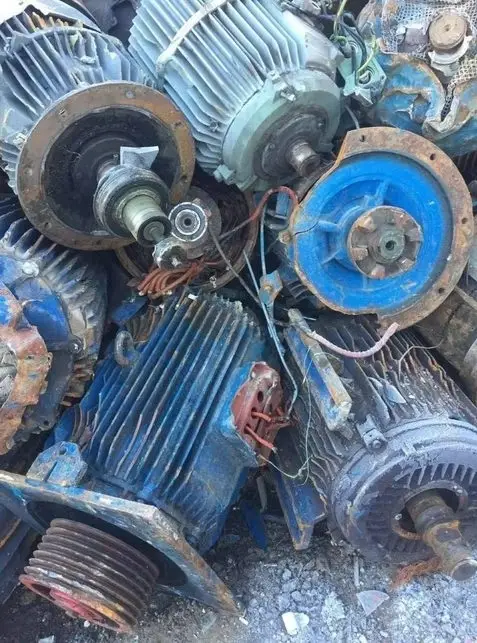
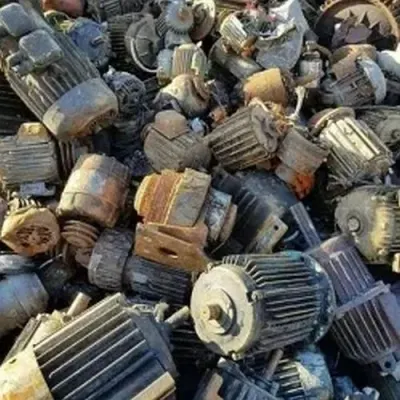
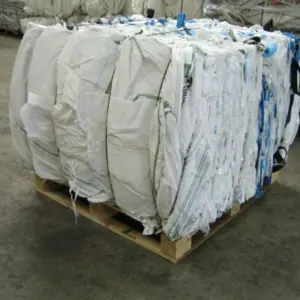
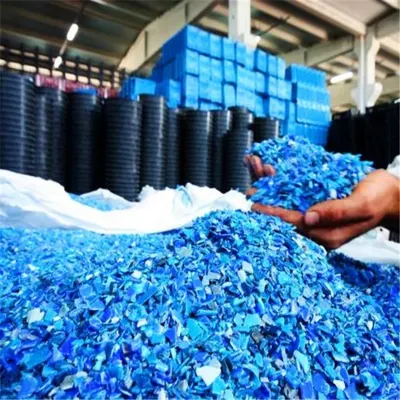
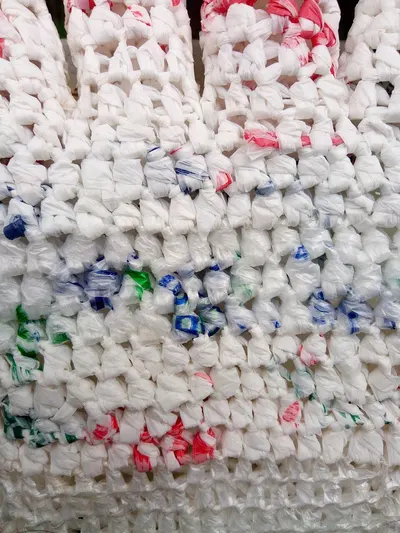
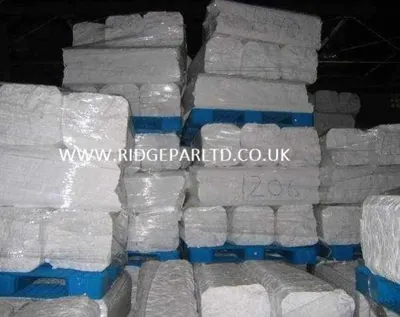
Ivory Vokia Recycling is based in Bratislava, Slovakia and lists ten active product lines in its catalogue. The portfolio includes LDPE film and roll scrap, PET bottle and film scrap, HDPE bottle and drum scrap, polyurethane foam scrap, waste paper (OCC/ONP) scrap, polypropylene (PP) roll and film scrap, electric motor scrap, PVC medical tube scrap and BOPP printed roll scrap. All plastic‑based items fall under HS Chapter 39 with codes such as 3915.10 for LDPE, PET and PP, and 3915.30 for PVC, while the metal motor scrap is classified under HS 7204.29 and the paper scrap under HS 4707.90. The supplier’s catalogue groups materials by polymer type or end‑use form, providing clear material identifiers for each entry.
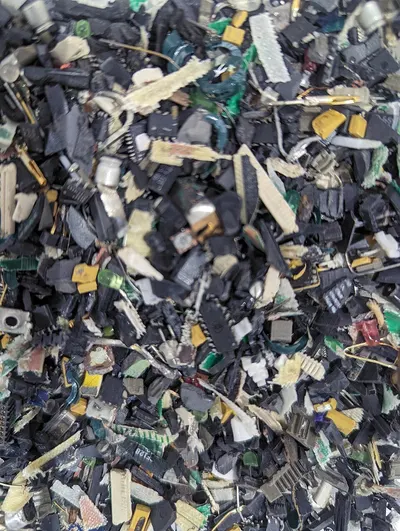
The company is listed as an imported tier supplier in the platform’s trust hierarchy. Its top‑level categories cover ship and marine scrap, plastic items, mining machinery spare parts, used construction equipment, PCB scrap and printer scrap, indicating a broad focus on secondary raw materials. The Slovakian location positions the firm within the Central European recycling hub, where waste streams are often routed to both EU and North‑American markets.
Product Range and Specialties of Ivory Vokia Recycling
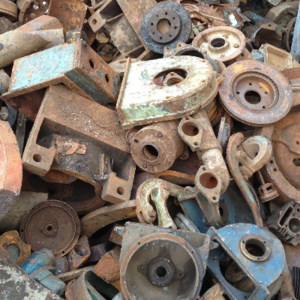
The catalogue offers ten distinct scrap grades, each identified by polymer type and typical form - for example, LDPE film scrap is supplied as rolls or bales, while HDPE drum scrap is offered as regrind. In the broader plastics recycling industry, LDPE and HDPE grades are usually sorted by melt flow index (MFI) values ranging from 0.5 to 30 g/10 min, colour (clear, black or mixed), and contamination level below 2 % by weight. PET bottle scrap is commonly graded by intrinsic viscosity (IV) and colour clarity, with recycled PET (rPET) often required to meet FDA‑21 CFR 177.165 for food‑contact applications. Polypropylene scrap is typically classified by melt flow rate (MFR) and resin grade (e.g., PP‑H, PP‑M). Polyurethane foam scrap, especially memory foam, is evaluated for density (kg/m³) and open‑cell versus closed‑cell structure. Metal motor scrap is assessed for ferrous vs. non‑ferrous content and copper/aluminum recovery rates, while paper OCC scrap is measured by pulp‑grade specifications such as ISO 17225‑2.
Frequently Asked Questions About Ivory Vokia Recycling
What types of plastic scrap does Ivory Vokia Recycling provide?
The supplier offers LDPE film, PET bottle, HDPE bottle and drum, polypropylene (PP) roll and film, and BOPP printed roll scrap, each listed under HS 3915.10. Materials are supplied in bales or rolls suitable for container loading.
Which HS codes apply to the listed scrap products?
Plastic scrap items use HS 3915.10 (LDPE, PET, HDPE, PP, BOPP) and HS 3915.30 for PVC medical tube scrap. Metal motor scrap is classified under HS 7204.29 and paper OCC scrap under HS 4707.90.
How is the polyurethane foam scrap characterized?
It is described as polyurethane furniture or memory foam scrap and falls under HS 3921.13. Buyers typically check density (kg/m³) and open‑cell versus closed‑cell composition.
What packaging formats are used for the scrap shipments?
Plastic and paper scraps are usually compacted into bales or wound into rolls, while metal motor scrap is packed in wooden crates. Standard container sizes are 20‑ft or 40‑ft dry containers.
Are any certifications required for importing these scraps?
Commonly required certifications include REACH compliance for plastics, ISO 14001 environmental management, and R2 or e‑Stewards for electronic motor scrap. Buyers should request proof of any certifications the supplier holds.
 Slovakia
Related Suppliers & Products
Explore similar suppliers, related products and trending categories



.jpg.png)