Interyarthre Company Ltd. — Supplier

About Interyarthre Company Ltd. - Textile Waste Supplier in Viet Nam

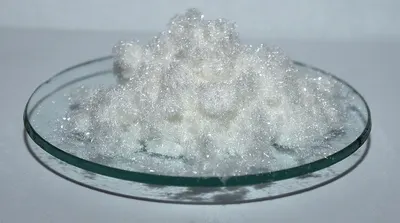
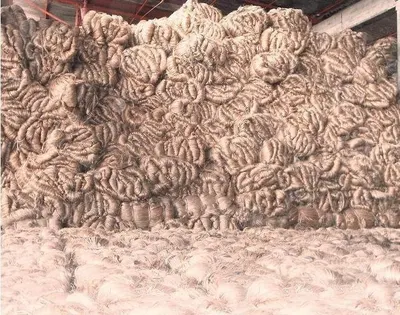
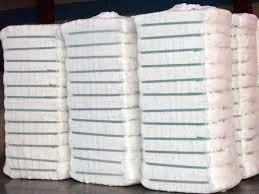
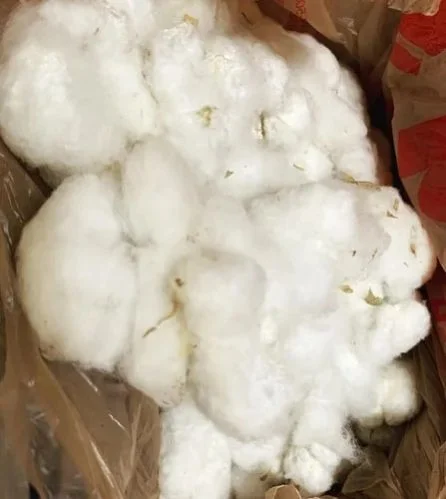
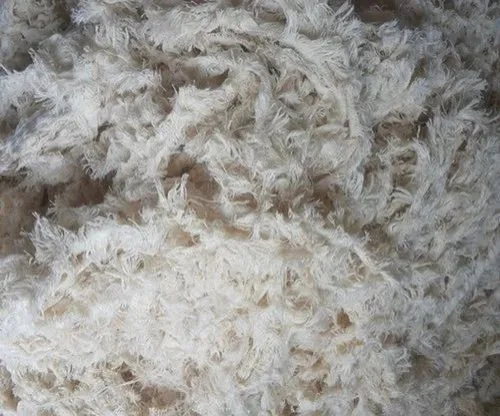
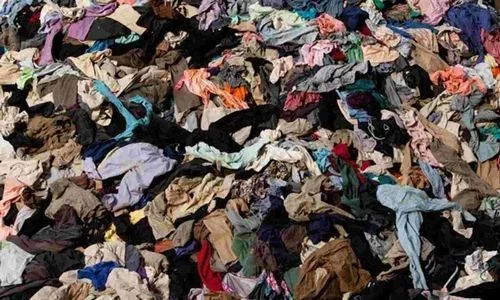
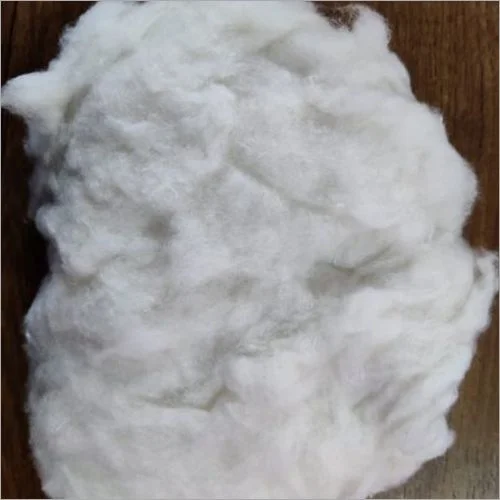
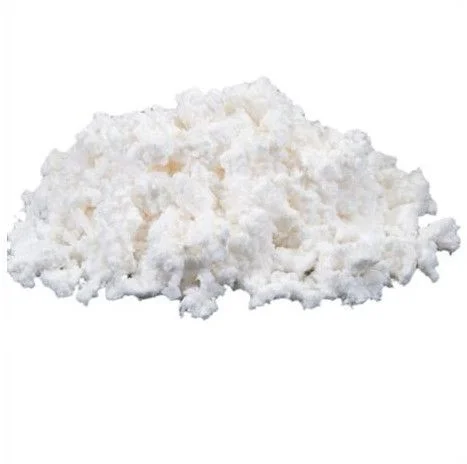
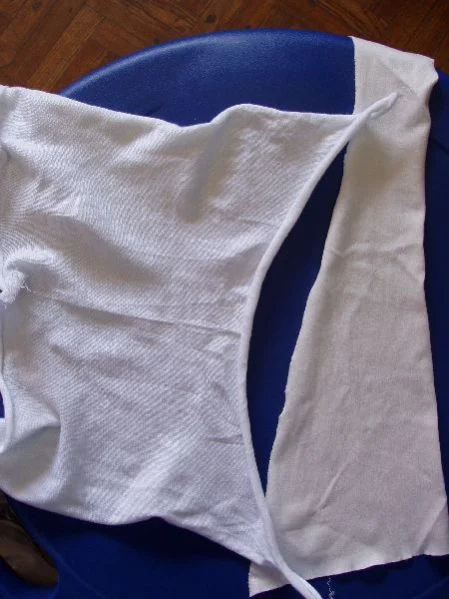
Vietnam is the source country for Interyarthre Company Ltd., which lists 39 active products in its catalogue. The company’s portfolio covers several textile‑related waste streams, including cotton comber noil, card fly, lickerin, denim waste, and polyester staple fiber. Product titles such as “Cotton Comber Noil, Card Fly, Lickerin” and “Polyester Staple Fiber, HCS, HC Fiber” indicate that the supplier deals with short‑length fibers and mixed textile scraps. The catalogue also groups items under broader headings like “Textile Waste” and “Fabric Waste”, reflecting a focus on secondary raw materials for the textile industry. All entries are presented without HS‑code identifiers in the source data.

The listed items combine cotton‑based residues (e.g., “100% Cotton Comber Noil, Lickerin”) with polyester‑based waste (e.g., “Polyester Fiber Waste - Negotiable Price”). Several entries reference specific fiber specifications such as HCS 7D/15D, which are common denier ranges for recycled polyester staple. The supplier also mentions “Shoddy Cotton” and “Denim Fiber Waste”, indicating inclusion of low‑grade cotton and denim scraps. The variety of terms - “Waste Cotton”, “Yarn Waste”, “Polyester FIber” - suggests that the catalogue is organized by material type rather than by end‑use. No additional manufacturing or processing capabilities are disclosed in the provided facts.

Product Range and Specialties of Interyarthre Company Ltd.

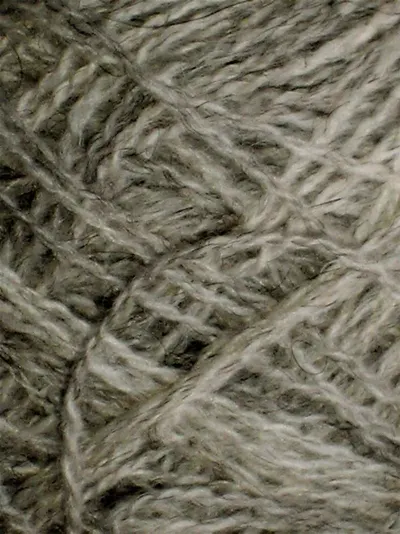
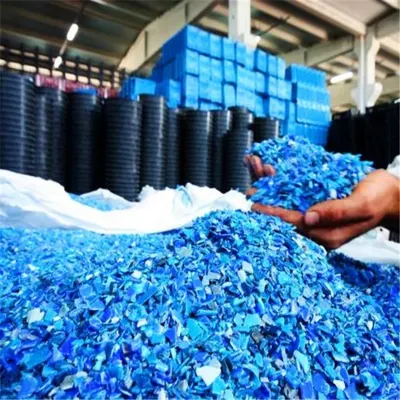
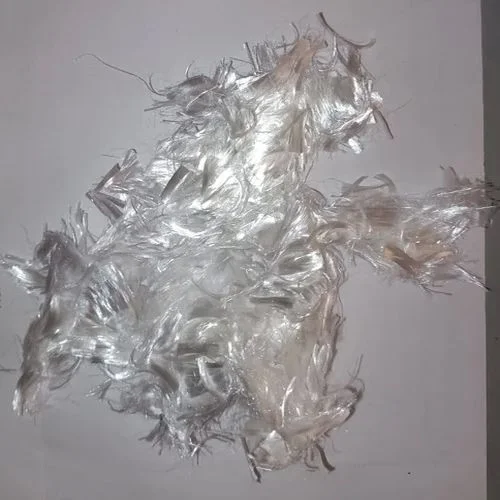
Interyarthre Company Ltd.’s catalogue lists cotton‑based waste streams such as comber noil, card fly, lickerin, shoddy cotton and denim waste, alongside polyester‑based waste including staple fiber and hollow conjugated silicon fiber. Entries like “HCS 7D/HCS 15D/Solid Fiber Supplier” and “100% Recycled Polyester Staple Fiber, HCS 7D/15D” point to recycled polyester fibers in the 7‑denier and 15‑denier ranges, while cotton waste items are described without explicit fineness but typically fall in the 30‑50 mm length and 10‑30 µm micron ranges used for non‑woven applications. The presence of “Yarn Waste/Polyester Fiber Waste” indicates that mixed yarn scraps are also offered, often processed into low‑grade staple for blending or re‑spinning.

In the broader textile recycling industry, cotton waste is classified under HS chapter 52 (e.g., 5202 for cotton waste) and is commonly graded by fiber length, micronaire, and moisture content. Recycled polyester staple fibers fall under HS chapter 55 (e.g., 5503 for polyester waste) and are typically required to meet denier specifications, melt flow index, and absence of contaminants. Buyers usually look for ISO‑9001 quality management certification, Global Recycled Standard (GRS) compliance, and Oeko‑Tex® Standard 100 for textile residues. Standard packaging for bulk cotton or polyester waste includes 20‑ft or 40‑ft containers packed in woven polypropylene bags (typically 1 ton per bag).

Trade and Export Information - Interyarthre Company Ltd.

Vietnam is a major exporter of textile by‑products, with the majority of cotton waste and recycled polyester fiber shipments directed to garment manufacturers in Bangladesh, India, China, and to downstream textile processors in the European Union and the United States. HS‑code families 5202 (cotton waste) and 5503 (polyester waste) are routinely inspected by customs authorities, and importers often require laboratory analysis reports confirming fiber composition, length distribution and absence of hazardous substances such as formaldehyde or heavy metals.

Typical certifications requested for these waste streams include GRS for recycled content, Oeko‑Tex® Standard 100 for harmful substance limits, and ISO‑14001 for environmental management. Export logistics from Vietnam frequently use FOB Ho Chi Minh City or CFS in Da Nang, with container loading in 20‑ft or 40‑ft units. Buyers should verify that the supplier can provide material safety data sheets (MSDS), third‑party test reports (e.g., ASTM D123 for fiber length, ISO 9073‑1 for fiber fineness), and that the shipment complies with the destination country’s textile import regulations, such as the EU’s REACH registration for polymer waste.

Sourcing from Interyarthre Company Ltd. - Buyer Guidance

When evaluating Interyarthre Company Ltd., buyers should request a detailed specification sheet that lists fiber length, denier (for polyester), micronaire (for cotton), moisture content and any residual chemical treatments. A third‑party laboratory test report confirming the absence of prohibited substances (e.g., azo dyes, formaldehyde) is standard practice for textile waste imports.

Buyers are advised to confirm the presence of any applicable certifications - such as GRS or Oeko‑Tex - by requesting copies of the certificates and checking their validity dates. It is also prudent to ask for a sample batch to verify the physical properties against the supplied data before committing to a full container order. Verification of packaging integrity (e.g., sealed PP bags, proper labeling with HS codes) helps avoid customs delays.

Frequently Asked Questions About Interyarthre Company Ltd.

What types of cotton waste does Interyarthre Company Ltd. offer?

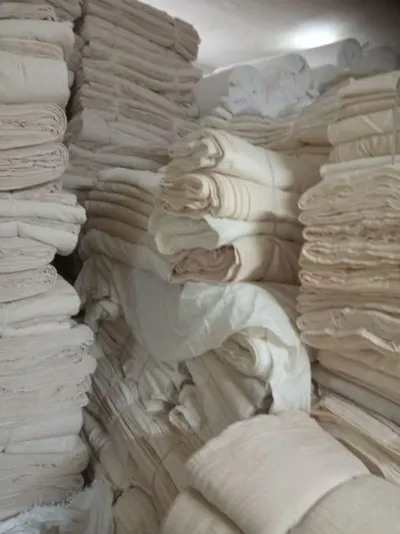
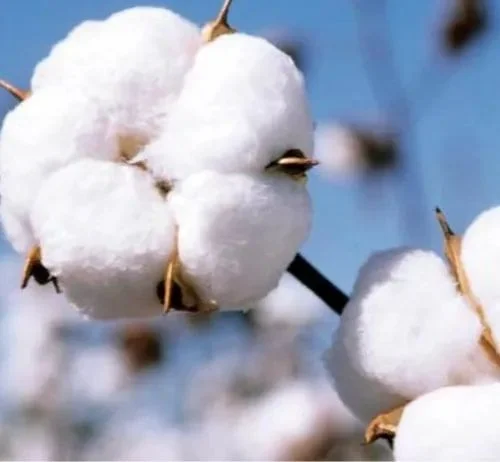
The catalogue includes cotton comber noil, card fly, lickerin, shoddy cotton, denim waste and general cotton waste blends, typically presented as short‑length fibers suitable for non‑woven or blending applications.

Does the supplier provide polyester recycled fibers?

Yes, entries such as “Polyester Staple Fiber, HCS, HC Fiber” and “100% Recycled Polyester Staple Fiber, HCS 7D/15D” indicate availability of recycled polyester staple in 7‑denier and 15‑denier ranges.

Which HS‑code families are relevant for these products?

Cotton waste generally falls under HS chapter 52 (e.g., 5202), while polyester waste and recycled staple fibers are classified under HS chapter 55 (e.g., 5503).

What certifications should a buyer request for textile waste from Vietnam?

Typical certifications include Global Recycled Standard (GRS) for recycled content, Oeko‑Tex® Standard 100 for harmful substance limits, and ISO‑9001 or ISO‑14001 for quality and environmental management.

What documentation is standard for bulk textile waste shipments?

Buyers should expect a material safety data sheet (MSDS), a third‑party test report covering fiber length, denier or micronaire, moisture content, and a certificate of origin with the correct HS code.

What are the common packaging and container sizes for these goods?

Bulk cotton and polyester waste are usually packed in woven polypropylene bags (approximately 1 ton per bag) and loaded into 20‑ft or 40‑ft containers for sea freight.

Featured Products from this Supplier

Other Suppliers in Primary Category

Top Trusted Suppliers

Related Products

Trending in Parent Category

More Suppliers in Category

Related Products

Other Suppliers

EximNext
7.1K+ live requirements
Register Free🎁 Reach global buyers
Post Requirement
🌍 Trusted by 225K+ businesses in 200+ countries|
7.1K+ active requirements right now
✉️ [email protected]
|
Sell on EximNextPost Requirement
EximNext
AgricultureApparelConstructionElectronicFoodHomeIndustrialMineralsMiscellaneous
🔥 Deals|✨ AI Match|🏭 Suppliers|📋 Buy Leads|💰 Trade Finance
7.1K+ live RFQs·194.8K+ suppliers
🎁 Reach global buyers →
EximNext
EximNext
Register Free
🎁 Reach global buyers
Sign In
📋Post Requirement💬Get Quotes✨AI Match📋RFQ Marketplace
All Categories
Services & Tools
🏭Supplier Directory🔥Today's Deals💰Trade Finance
Sell on EximNext →
AboutContactBlogHelp
Apparel & Home  ·  Viet Nam
39
products listed

Interyarthre Company Ltd.

⚓ Harbor
Country flag , Viet NamNew supplier / no reviews yet
🛡️
77/100
Trust Score

Interyarthre Company Ltd. Product Catalog

Showing 12 of 39 products
View all products →
100% Recycled Polyester Staple Fiber, HCS 7D/15D
⚓ Harbor
100% Recycled Polyester Staple Fiber, HCS 7D/15D
Contact
MOQ: 1 Unit
Cotton Waste
⚓ Harbor
Cotton Waste
Contact
MOQ: 1 Unit
Yarn Waste/Polyester Fiber Waste
⚓ Harbor
Yarn Waste/Polyester Fiber Waste
Contact
MOQ: 1 Unit
Manufacturer Polyester Staple Fiber
⚓ Harbor
Manufacturer Polyester Staple Fiber
Contact
MOQ: 1 Unit
100% Cotton Comber Noil From Vietnam
⚓ Harbor
100% Cotton Comber Noil From Vietnam
Contact
MOQ: 1 Unit
HCS 7D/HCS 15D/Solid Fiber Supplier
⚓ Harbor
HCS 7D/HCS 15D/Solid Fiber Supplier
Contact
MOQ: 1 Unit
100% Denim Fiber Waste From Vietnam
⚓ Harbor
100% Denim Fiber Waste From Vietnam
Contact
MOQ: 1 Unit
Cotton Waste, Textile Waste, Cotton Comber Noil
⚓ Harbor
Cotton Waste, Textile Waste, Cotton Comber Noil
Contact
MOQ: 1 Unit
Hollow Conjugated Silicon Fiber, PSF
⚓ Harbor
Hollow Conjugated Silicon Fiber, PSF
Contact
MOQ: 1 Unit
Shoddy Cotton, Denim Fiber Waste
⚓ Harbor
Shoddy Cotton, Denim Fiber Waste
Contact
MOQ: 1 Unit
Cotton Waste/Yarn Waste/Polyester Waste
⚓ Harbor
Cotton Waste/Yarn Waste/Polyester Waste
Contact
MOQ: 1 Unit
Textile Waste, Cotton Comber Noil
⚓ Harbor
Textile Waste, Cotton Comber Noil
Contact
MOQ: 1 Unit

About Interyarthre Company Ltd. - Textile Waste Supplier in Viet Nam

Vietnam is the source country for Interyarthre Company Ltd., which lists 39 active products in its catalogue. The company’s portfolio covers several textile‑related waste streams, including cotton comber noil, card fly, lickerin, denim waste, and polyester staple fiber. Product titles such as “Cotton Comber Noil, Card Fly, Lickerin” and “Polyester Staple Fiber, HCS, HC Fiber” indicate that the supplier deals with short‑length fibers and mixed textile scraps. The catalogue also groups items under broader headings like “Textile Waste” and “Fabric Waste”, reflecting a focus on secondary raw materials for the textile industry. All entries are presented without HS‑code identifiers in the source data.

The listed items combine cotton‑based residues (e.g., “100% Cotton Comber Noil, Lickerin”) with polyester‑based waste (e.g., “Polyester Fiber Waste - Negotiable Price”). Several entries reference specific fiber specifications such as HCS 7D/15D, which are common denier ranges for recycled polyester staple. The supplier also mentions “Shoddy Cotton” and “Denim Fiber Waste”, indicating inclusion of low‑grade cotton and denim scraps. The variety of terms - “Waste Cotton”, “Yarn Waste”, “Polyester FIber” - suggests that the catalogue is organized by material type rather than by end‑use. No additional manufacturing or processing capabilities are disclosed in the provided facts.

Product Range and Specialties of Interyarthre Company Ltd.

Interyarthre Company Ltd.’s catalogue lists cotton‑based waste streams such as comber noil, card fly, lickerin, shoddy cotton and denim waste, alongside polyester‑based waste including staple fiber and hollow conjugated silicon fiber. Entries like “HCS 7D/HCS 15D/Solid Fiber Supplier” and “100% Recycled Polyester Staple Fiber, HCS 7D/15D” point to recycled polyester fibers in the 7‑denier and 15‑denier ranges, while cotton waste items are described without explicit fineness but typically fall in the 30‑50 mm length and 10‑30 µm micron ranges used for non‑woven applications. The presence of “Yarn Waste/Polyester Fiber Waste” indicates that mixed yarn scraps are also offered, often processed into low‑grade staple for blending or re‑spinning.

In the broader textile recycling industry, cotton waste is classified under HS chapter 52 (e.g., 5202 for cotton waste) and is commonly graded by fiber length, micronaire, and moisture content. Recycled polyester staple fibers fall under HS chapter 55 (e.g., 5503 for polyester waste) and are typically required to meet denier specifications, melt flow index, and absence of contaminants. Buyers usually look for ISO‑9001 quality management certification, Global Recycled Standard (GRS) compliance, and Oeko‑Tex® Standard 100 for textile residues. Standard packaging for bulk cotton or polyester waste includes 20‑ft or 40‑ft containers packed in woven polypropylene bags (typically 1 ton per bag).

Trade and Export Information - Interyarthre Company Ltd.

Vietnam is a major exporter of textile by‑products, with the majority of cotton waste and recycled polyester fiber shipments directed to garment manufacturers in Bangladesh, India, China, and to downstream textile processors in the European Union and the United States. HS‑code families 5202 (cotton waste) and 5503 (polyester waste) are routinely inspected by customs authorities, and importers often require laboratory analysis reports confirming fiber composition, length distribution and absence of hazardous substances such as formaldehyde or heavy metals.

Typical certifications requested for these waste streams include GRS for recycled content, Oeko‑Tex® Standard 100 for harmful substance limits, and ISO‑14001 for environmental management. Export logistics from Vietnam frequently use FOB Ho Chi Minh City or CFS in Da Nang, with container loading in 20‑ft or 40‑ft units. Buyers should verify that the supplier can provide material safety data sheets (MSDS), third‑party test reports (e.g., ASTM D123 for fiber length, ISO 9073‑1 for fiber fineness), and that the shipment complies with the destination country’s textile import regulations, such as the EU’s REACH registration for polymer waste.

Sourcing from Interyarthre Company Ltd. - Buyer Guidance

When evaluating Interyarthre Company Ltd., buyers should request a detailed specification sheet that lists fiber length, denier (for polyester), micronaire (for cotton), moisture content and any residual chemical treatments. A third‑party laboratory test report confirming the absence of prohibited substances (e.g., azo dyes, formaldehyde) is standard practice for textile waste imports.

Buyers are advised to confirm the presence of any applicable certifications - such as GRS or Oeko‑Tex - by requesting copies of the certificates and checking their validity dates. It is also prudent to ask for a sample batch to verify the physical properties against the supplied data before committing to a full container order. Verification of packaging integrity (e.g., sealed PP bags, proper labeling with HS codes) helps avoid customs delays.

Frequently Asked Questions About Interyarthre Company Ltd.

What types of cotton waste does Interyarthre Company Ltd. offer?

The catalogue includes cotton comber noil, card fly, lickerin, shoddy cotton, denim waste and general cotton waste blends, typically presented as short‑length fibers suitable for non‑woven or blending applications.

Does the supplier provide polyester recycled fibers?

Yes, entries such as “Polyester Staple Fiber, HCS, HC Fiber” and “100% Recycled Polyester Staple Fiber, HCS 7D/15D” indicate availability of recycled polyester staple in 7‑denier and 15‑denier ranges.

Which HS‑code families are relevant for these products?

Cotton waste generally falls under HS chapter 52 (e.g., 5202), while polyester waste and recycled staple fibers are classified under HS chapter 55 (e.g., 5503).

What certifications should a buyer request for textile waste from Vietnam?

Typical certifications include Global Recycled Standard (GRS) for recycled content, Oeko‑Tex® Standard 100 for harmful substance limits, and ISO‑9001 or ISO‑14001 for quality and environmental management.

What documentation is standard for bulk textile waste shipments?

Buyers should expect a material safety data sheet (MSDS), a third‑party test report covering fiber length, denier or micronaire, moisture content, and a certificate of origin with the correct HS code.

What are the common packaging and container sizes for these goods?

Bulk cotton and polyester waste are usually packed in woven polypropylene bags (approximately 1 ton per bag) and loaded into 20‑ft or 40‑ft containers for sea freight.

About Interyarthre Company Ltd. - Textile Waste Supplier in Viet Nam

Vietnam is the source country for Interyarthre Company Ltd., which lists 39 active products in its catalogue. The company’s portfolio covers several textile‑related waste streams, including cotton comber noil, card fly, lickerin, denim waste, and polyester staple fiber. Product titles such as “Cotton Comber Noil, Card Fly, Lickerin” and “Polyester Staple Fiber, HCS, HC Fiber” indicate that the supplier deals with short‑length fibers and mixed textile scraps. The catalogue also groups items under broader headings like “Textile Waste” and “Fabric Waste”, reflecting a focus on secondary raw materials for the textile industry. All entries are presented without HS‑code identifiers in the source data.

The listed items combine cotton‑based residues (e.g., “100% Cotton Comber Noil, Lickerin”) with polyester‑based waste (e.g., “Polyester Fiber Waste - Negotiable Price”). Several entries reference specific fiber specifications such as HCS 7D/15D, which are common denier ranges for recycled polyester staple. The supplier also mentions “Shoddy Cotton” and “Denim Fiber Waste”, indicating inclusion of low‑grade cotton and denim scraps. The variety of terms - “Waste Cotton”, “Yarn Waste”, “Polyester FIber” - suggests that the catalogue is organized by material type rather than by end‑use. No additional manufacturing or processing capabilities are disclosed in the provided facts.

Product Range and Specialties of Interyarthre Company Ltd.

Interyarthre Company Ltd.’s catalogue lists cotton‑based waste streams such as comber noil, card fly, lickerin, shoddy cotton and denim waste, alongside polyester‑based waste including staple fiber and hollow conjugated silicon fiber. Entries like “HCS 7D/HCS 15D/Solid Fiber Supplier” and “100% Recycled Polyester Staple Fiber, HCS 7D/15D” point to recycled polyester fibers in the 7‑denier and 15‑denier ranges, while cotton waste items are described without explicit fineness but typically fall in the 30‑50 mm length and 10‑30 µm micron ranges used for non‑woven applications. The presence of “Yarn Waste/Polyester Fiber Waste” indicates that mixed yarn scraps are also offered, often processed into low‑grade staple for blending or re‑spinning.

In the broader textile recycling industry, cotton waste is classified under HS chapter 52 (e.g., 5202 for cotton waste) and is commonly graded by fiber length, micronaire, and moisture content. Recycled polyester staple fibers fall under HS chapter 55 (e.g., 5503 for polyester waste) and are typically required to meet denier specifications, melt flow index, and absence of contaminants. Buyers usually look for ISO‑9001 quality management certification, Global Recycled Standard (GRS) compliance, and Oeko‑Tex® Standard 100 for textile residues. Standard packaging for bulk cotton or polyester waste includes 20‑ft or 40‑ft containers packed in woven polypropylene bags (typically 1 ton per bag).

Trade and Export Information - Interyarthre Company Ltd.

Vietnam is a major exporter of textile by‑products, with the majority of cotton waste and recycled polyester fiber shipments directed to garment manufacturers in Bangladesh, India, China, and to downstream textile processors in the European Union and the United States. HS‑code families 5202 (cotton waste) and 5503 (polyester waste) are routinely inspected by customs authorities, and importers often require laboratory analysis reports confirming fiber composition, length distribution and absence of hazardous substances such as formaldehyde or heavy metals.

Typical certifications requested for these waste streams include GRS for recycled content, Oeko‑Tex® Standard 100 for harmful substance limits, and ISO‑14001 for environmental management. Export logistics from Vietnam frequently use FOB Ho Chi Minh City or CFS in Da Nang, with container loading in 20‑ft or 40‑ft units. Buyers should verify that the supplier can provide material safety data sheets (MSDS), third‑party test reports (e.g., ASTM D123 for fiber length, ISO 9073‑1 for fiber fineness), and that the shipment complies with the destination country’s textile import regulations, such as the EU’s REACH registration for polymer waste.

Sourcing from Interyarthre Company Ltd. - Buyer Guidance

When evaluating Interyarthre Company Ltd., buyers should request a detailed specification sheet that lists fiber length, denier (for polyester), micronaire (for cotton), moisture content and any residual chemical treatments. A third‑party laboratory test report confirming the absence of prohibited substances (e.g., azo dyes, formaldehyde) is standard practice for textile waste imports.

Buyers are advised to confirm the presence of any applicable certifications - such as GRS or Oeko‑Tex - by requesting copies of the certificates and checking their validity dates. It is also prudent to ask for a sample batch to verify the physical properties against the supplied data before committing to a full container order. Verification of packaging integrity (e.g., sealed PP bags, proper labeling with HS codes) helps avoid customs delays.

Frequently Asked Questions About Interyarthre Company Ltd.
What types of cotton waste does Interyarthre Company Ltd. offer?
The catalogue includes cotton comber noil, card fly, lickerin, shoddy cotton, denim waste and general cotton waste blends, typically presented as short‑length fibers suitable for non‑woven or blending applications.
Does the supplier provide polyester recycled fibers?
Yes, entries such as “Polyester Staple Fiber, HCS, HC Fiber” and “100% Recycled Polyester Staple Fiber, HCS 7D/15D” indicate availability of recycled polyester staple in 7‑denier and 15‑denier ranges.
Which HS‑code families are relevant for these products?
Cotton waste generally falls under HS chapter 52 (e.g., 5202), while polyester waste and recycled staple fibers are classified under HS chapter 55 (e.g., 5503).
What certifications should a buyer request for textile waste from Vietnam?
Typical certifications include Global Recycled Standard (GRS) for recycled content, Oeko‑Tex® Standard 100 for harmful substance limits, and ISO‑9001 or ISO‑14001 for quality and environmental management.
What documentation is standard for bulk textile waste shipments?
Buyers should expect a material safety data sheet (MSDS), a third‑party test report covering fiber length, denier or micronaire, moisture content, and a certificate of origin with the correct HS code.
What are the common packaging and container sizes for these goods?
Bulk cotton and polyester waste are usually packed in woven polypropylene bags (approximately 1 ton per bag) and loaded into 20‑ft or 40‑ft containers for sea freight.

Interyarthre Company Ltd.
Country flag Viet Nam

⚓ HarborApparel & Home
77/100
Trust Score
39
Products
✓ Free to contact — no commission
✓ Escrow payment available
✓ Verified business identity
Compare more suppliers
Post a requirement — get 10 quotes free
Let verified suppliers compete for your business. Free, fast, no commitment.
Due Diligence
Verify this supplier's real shipping history.
Every shipment, every buyer, every port. Trade data that can't be faked.
Run due diligence →
Discover More

Related Suppliers & Products

Explore similar suppliers, related products and trending categories

Featured Products from this Supplier

Other Suppliers in Primary Category

Top Trusted Suppliers

Related Products

Trending in Parent Category

More Suppliers in Category

Stay ahead in global trade
Weekly market insights & new supplier alerts.
EximNext
Exim Next is a leading global B2B marketplace, connecting over 220,000 registered suppliers and buyers across 200+ countries. As a trusted import export marketplace, it serves as the essential B2B portal for businesses worldwide, empowering them to expand their international reach. With Exim Next, businesses can trade smarter and grow faster.
SECURE PAYMENTS
VISAMastercardPayPalSWIFTL/CEscrow
Follow us
© 2026 EximNext