Integrated An Thinh — Verified Supplier

About Integrated An Thinh - Animal & Cattle Feed Supplier in Viet Nam

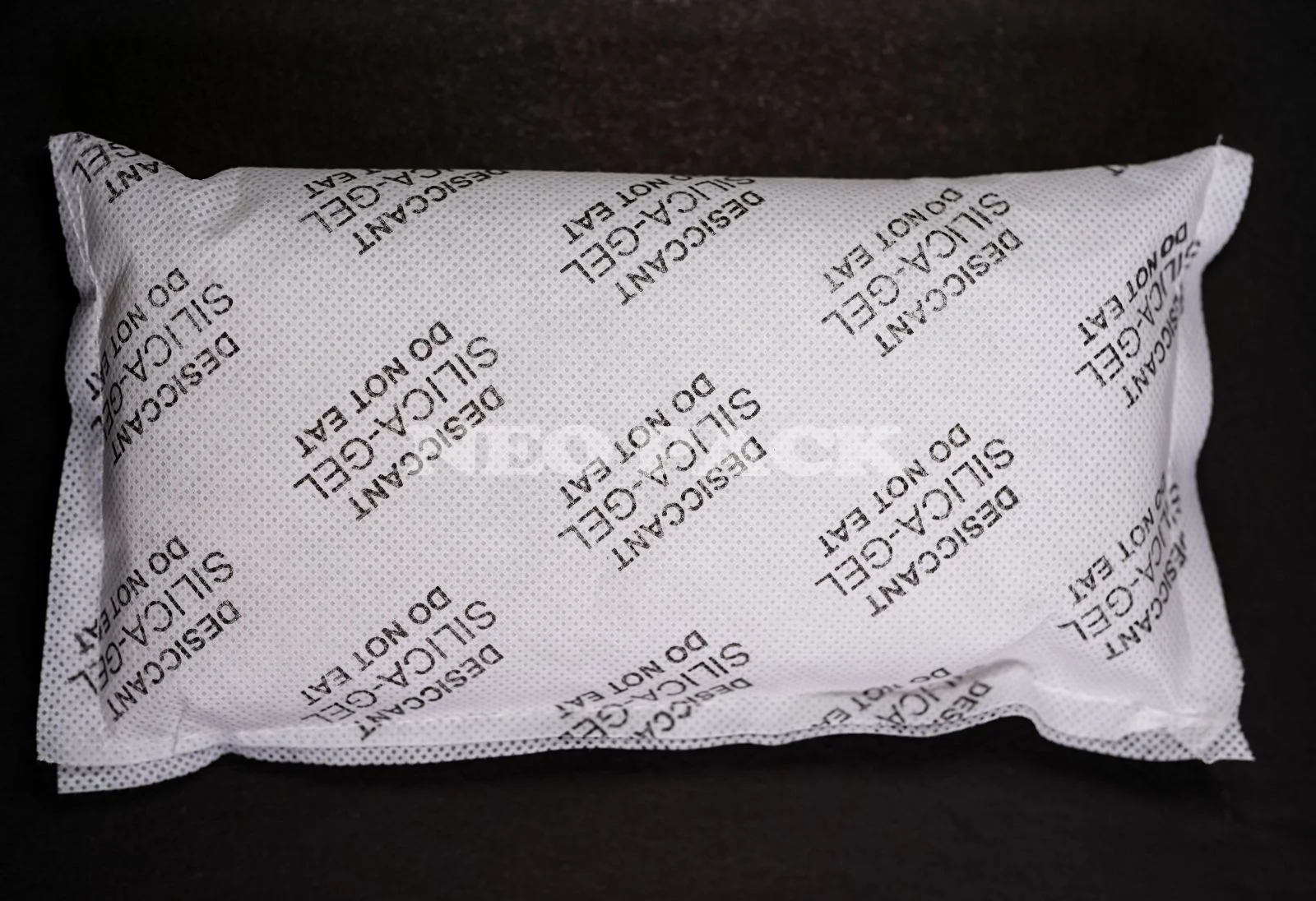
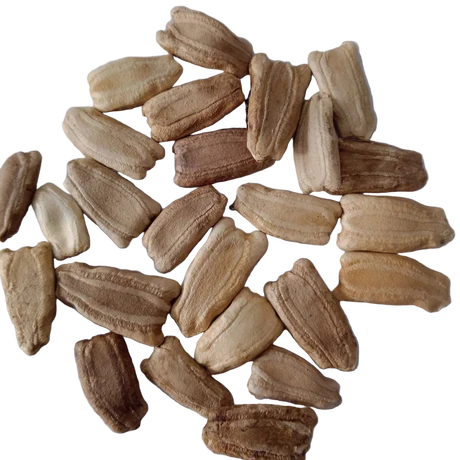
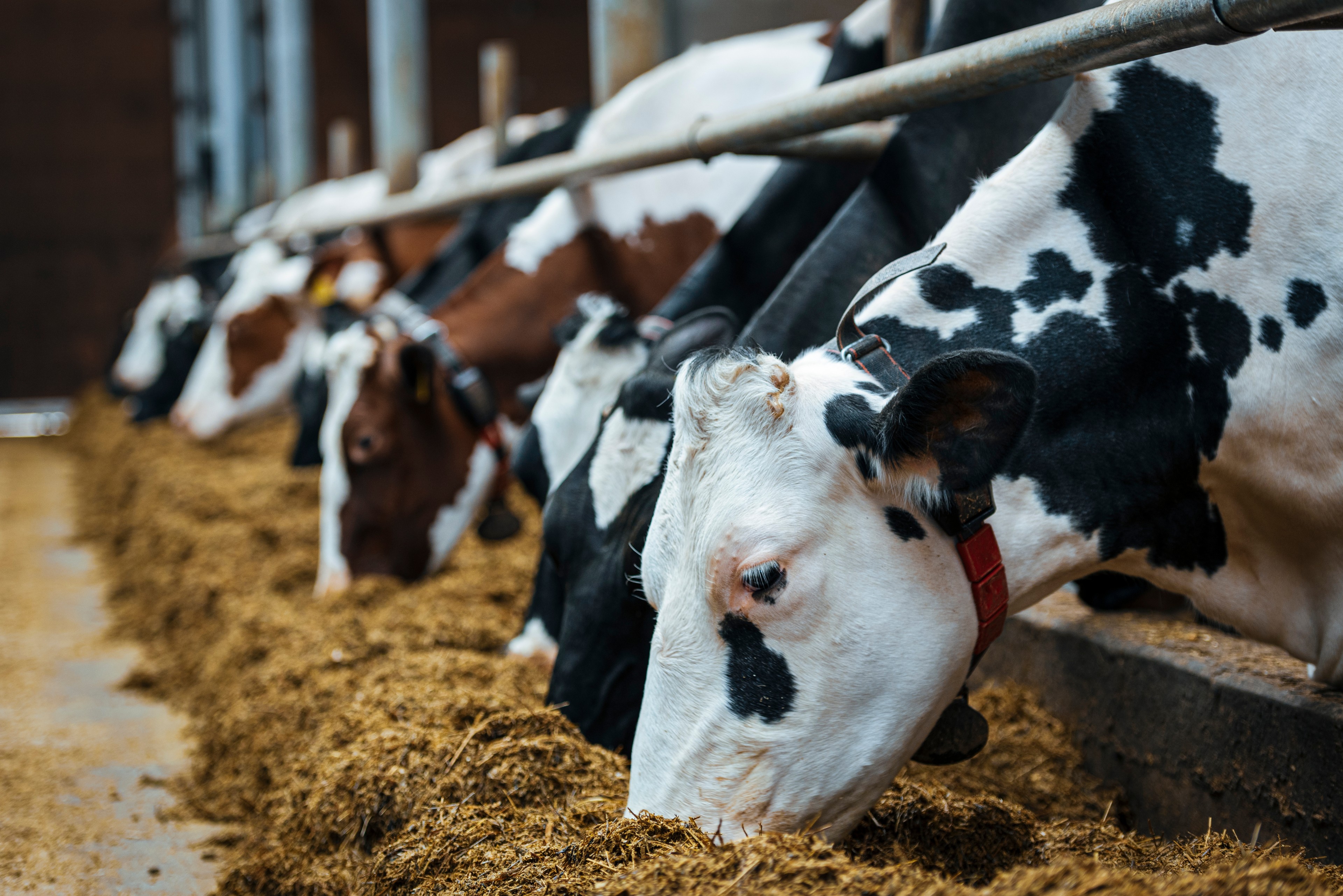
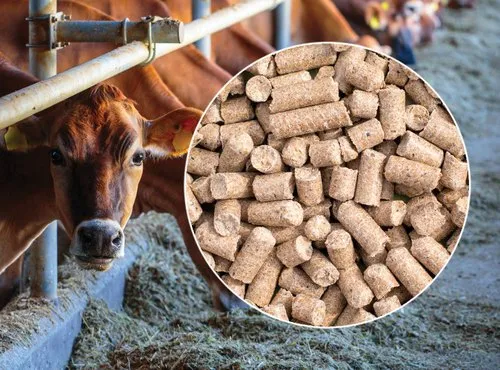
Integrated An Thinh operates from Viet Nam and currently lists 25 active products across several commodity groups. The catalogue includes animal and cattle feed, silica gel desiccant powder, dragon fruit and other fresh fruits, various rice and grain items, seafood and canned food, coco peat, limestone, raw leather and related textile goods. Export‑oriented items such as canned skipjack tuna, sardine and bonito are recorded under HS code 1604.14, while canned pineapple and cucumber products fall under HS code 2008.20. The product list also mentions ancillary items such as drinking straws, rubber bands and leather accessories.

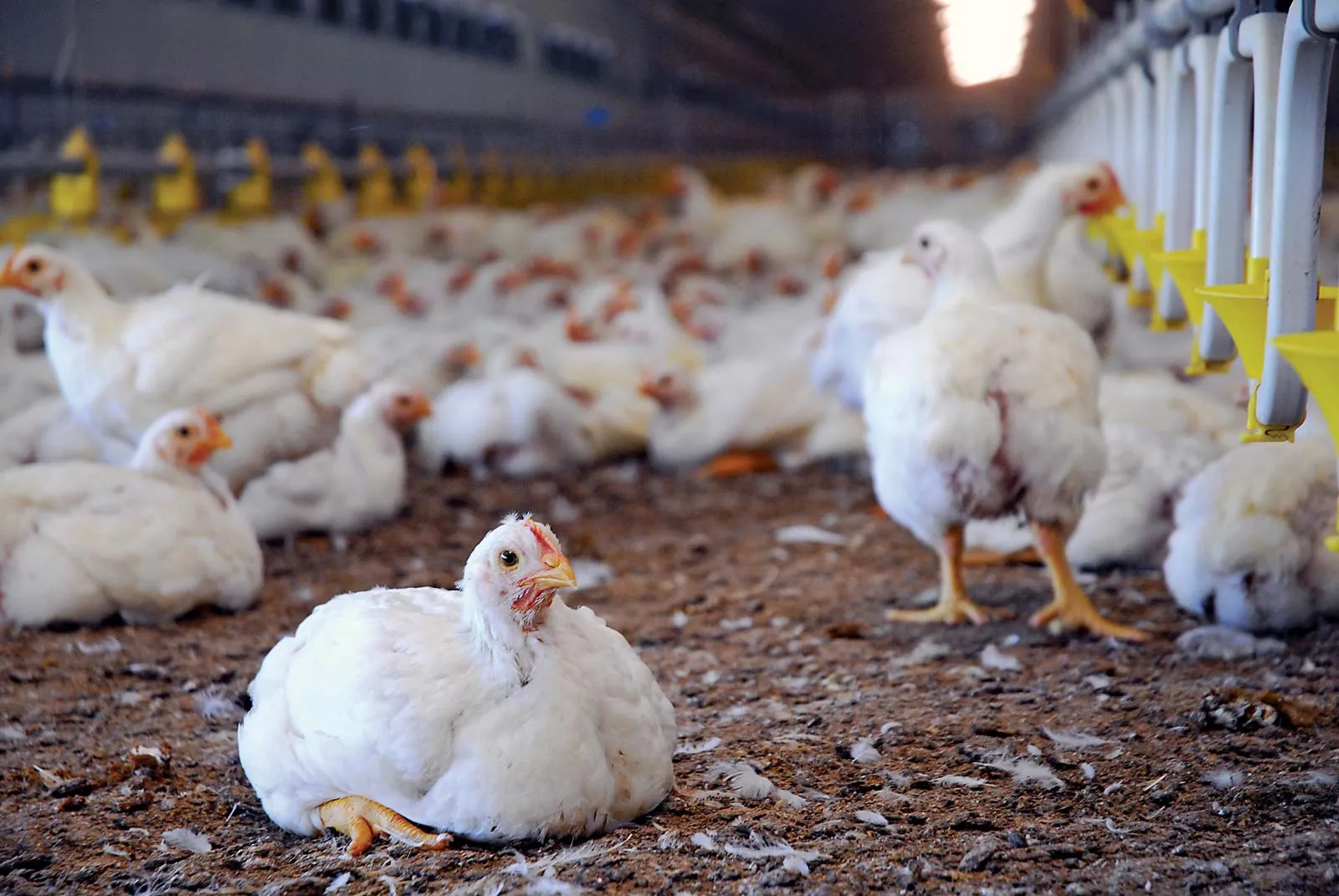
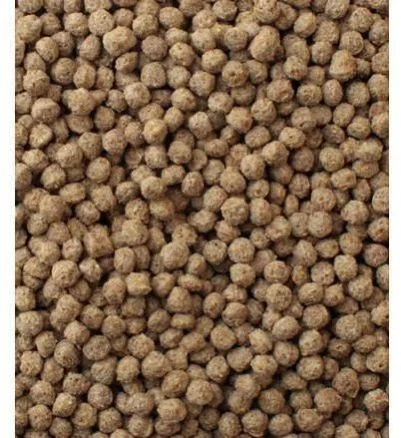
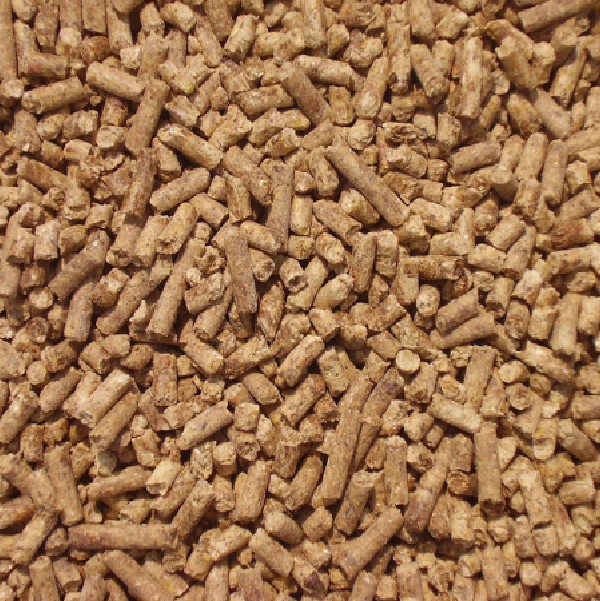
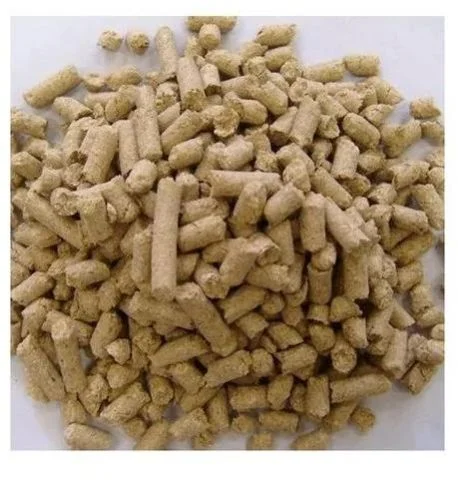
The supplier’s catalogue further details rice husk pellets, DCP limestone premix, garment and yarn products, rubber bands, leather belts, cat litter, drinking straws, dried shrimp, fertilizer, fish, poultry and animal feed, as well as frozen fish and shrimp. Additional entries cover desiccated coconut, coconut oil, fish cooking oil and drinking coconut water, illustrating a broad agricultural and industrial profile within the 25 listed SKUs.

Product Range and Specialties of Integrated An Thinh

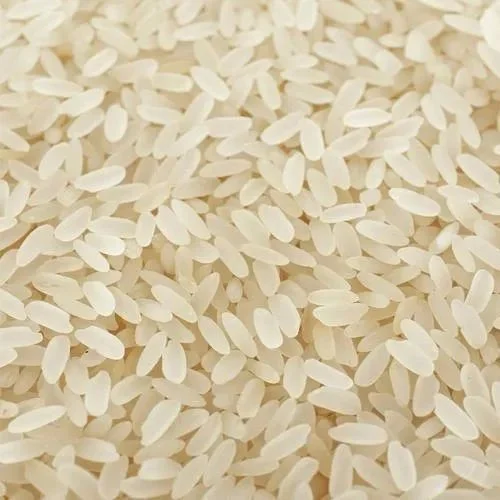
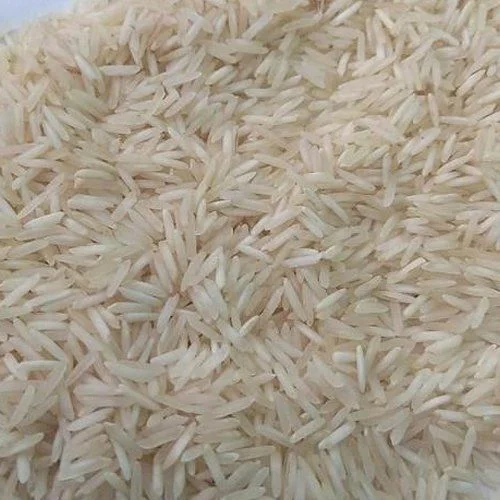
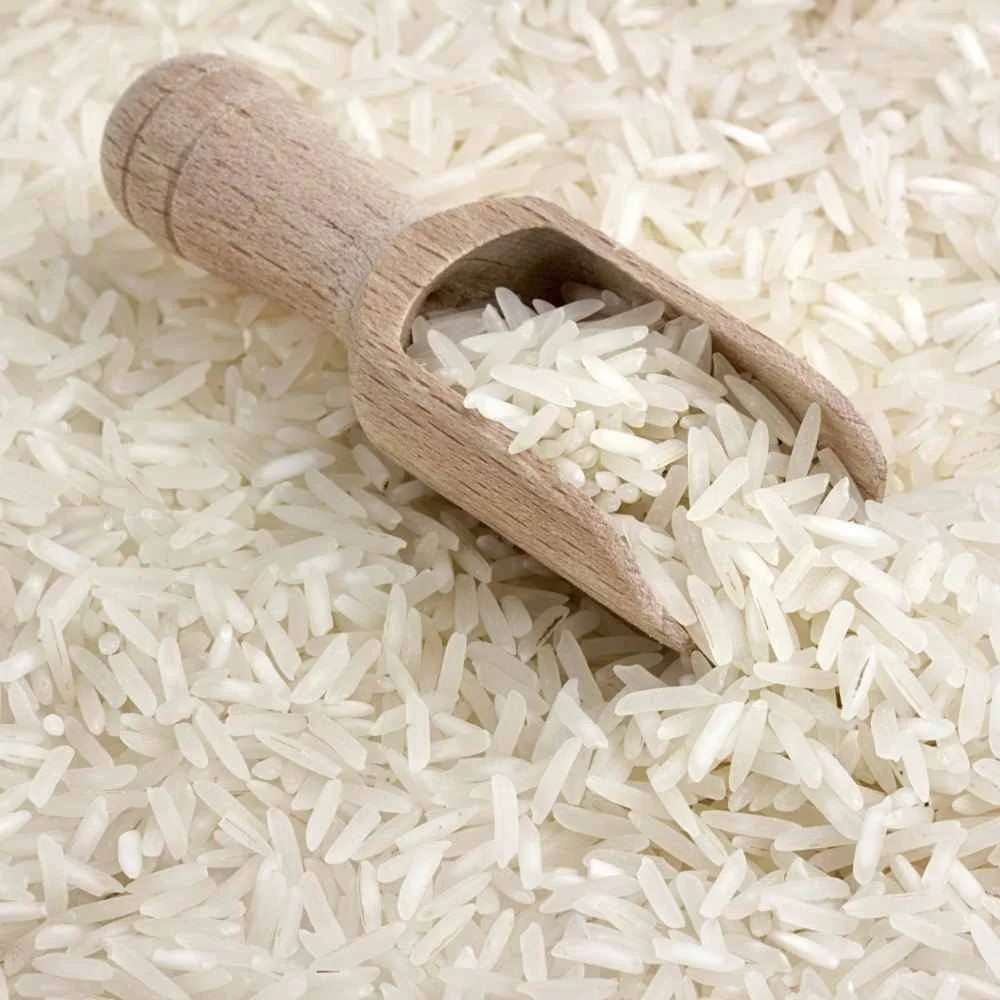
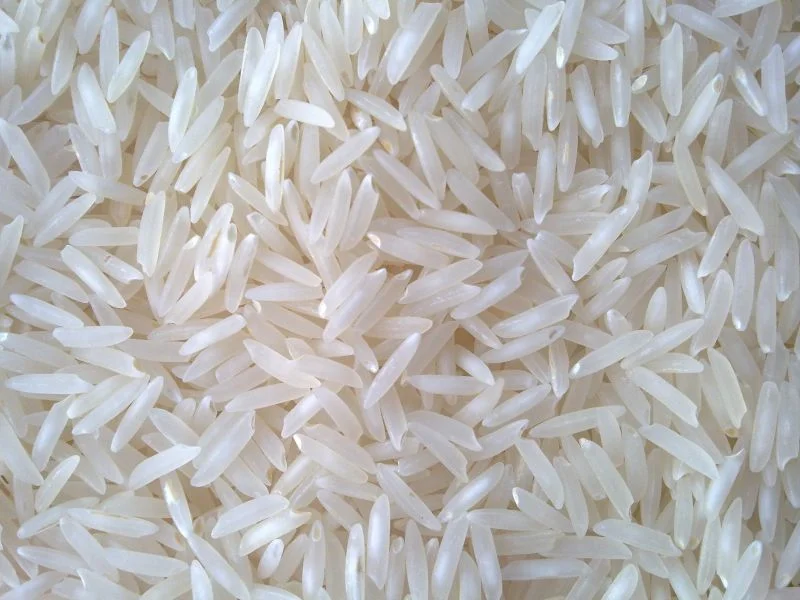
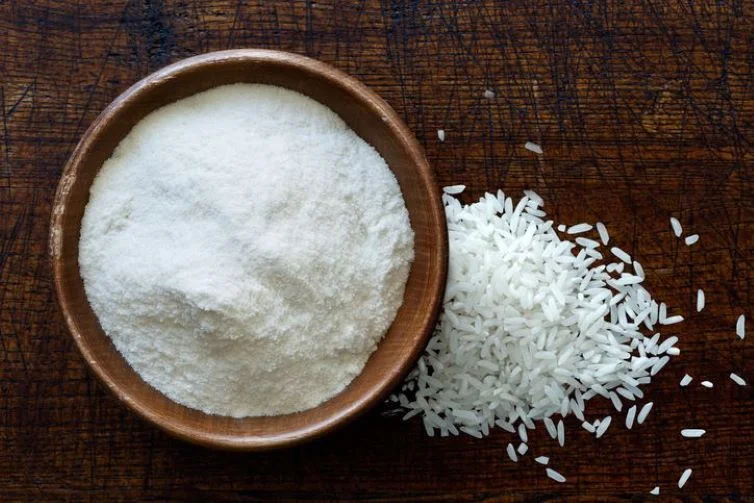
The product portfolio spans food‑grade silica gel powder, which is commonly produced with a moisture adsorption capacity of about 40 % at 25 °C, particle size between 0.2 mm and 0.5 mm, and purity of 99 % or higher. Rice and rice‑related products are typically exported with moisture ≤ 14 %, broken grain ≤ 5 % and head‑rice yield around 80 %. Dragon fruit for fresh market is usually sized 6‑8 cm in length, with a flesh Brix of 10‑12 % and packed in ventilated cartons of 10‑12 kg. Seafood lines include frozen fish and shrimp, which generally meet HACCP and BRC standards, and canned fish (HS 1604.14) that are packed in tinplate cans with BPA‑free liners. Canned fruit and vegetable products (HS 2008.20) follow similar food‑safety certifications and are commonly sealed in tin or glass containers. Coco peat and limestone are supplied in bulk bags or pallets, with coco peat typically having a water‑holding capacity of 10‑12 times its dry weight. Raw leather and leather accessories such as belts and wallets are graded by thickness (0.3‑0.7 mm) and tensile strength (≥ 15 MPa).

Trade and Export Information - Integrated An Thinh

Vietnam is a major exporter of rice, seafood, canned fish and agricultural desiccants, with primary destination markets in the European Union, United States, Japan and Southeast Asian neighbors. HS chapter 16 (e.g., 1604.14) and chapter 20 (e.g., 2008.20) are routinely inspected under the EU's Rapid Alert System for Food and the US FDA's Prior Notice system, so buyers often require certificates of origin, health certificates and compliance with Codex Alimentarius standards. Silica gel desiccants are classified under HS 3815 and are frequently requested with ISO 9001 quality management certification and a declaration of food‑grade status. Shipping of bulk items such as rice husk pellets, coco peat and limestone usually utilizes 20‑ft or 40‑ft containers on FCL terms, with CIF or FOB incoterms being standard. Export logistics from Vietnamese ports like Ho Chi Minh City benefit from established cold‑chain facilities for frozen seafood and temperature‑controlled containers for fresh fruit.

Sourcing from Integrated An Thinh - Buyer Guidance

When sourcing silica gel, request a material safety data sheet, an adsorption capacity test report and confirmation of food‑grade purity. For rice and grain shipments, ask for a moisture analysis, broken grain percentage and a phytosanitary certificate if the product is intended for the EU market. Seafood and canned food buyers should obtain HACCP or BRC certificates, a laboratory analysis of oil content for canned fish, and a certificate of origin. Fresh dragon fruit orders typically require a phytosanitary certificate, a pesticide residue test and a packing list that confirms the use of ventilated, food‑grade cartons. For bulk commodities such as coco peat, limestone and rice husk pellets, verify bulk density specifications, moisture content and the type of palletization used. Requesting a pre‑shipment inspection report and a copy of the supplier’s ISO 9001 certificate helps confirm consistent product quality before loading.

Frequently Asked Questions About Integrated An Thinh

What product categories does Integrated An Thinh export?

The supplier lists animal and cattle feed, silica gel desiccant powder, fresh dragon fruit, rice and other grains, seafood, canned fish (HS 1604.14), canned fruit and vegetable (HS 2008.20), coco peat, limestone, raw leather and related textile items such as garment yarn and sewing thread.

Which HS codes are associated with the canned products?

Canned skipjack tuna, sardine and bonito in oil or brine are classified under HS code 1604.14, while canned pineapple and cucumber preserved in syrup or brine use HS code 2008.20.

What certifications should a buyer typically request for the seafood and canned food lines?

Buyers usually ask for HACCP or BRC food‑safety certificates, a laboratory analysis confirming moisture and oil content, and a certificate of origin issued by Vietnam authorities.

What are the typical specifications for food‑grade silica gel desiccant powder?

Food‑grade silica gel is commonly supplied with a moisture adsorption capacity of 40 % at 25 °C, particle size of 0.2‑0.5 mm, purity of at least 99 %, and packaged in airtight 25 kg paper bags or bulk 1‑ton containers.

How is rice typically graded for export from Vietnam?

Export‑grade rice is usually evaluated on moisture content (≤ 14 %), broken grain percentage (≤ 5 %) and milling degree, with an 80 % head‑rice yield being a common benchmark.

What packaging formats are used for the canned fish products?

Canned fish are typically packed in tinplate cans of 200 g, 400 g or 1 kg, sealed with BPA‑free liners, and palletized for shipment in standard 20‑ft or 40‑ft containers.

What lead time and minimum order quantities are typical for the coco peat product?

Coco peat is often supplied in 25 kg bags with a minimum order of one full container load (approximately 800 bags for a 20‑ft container) and a lead time of 30‑45 days from order confirmation.

How should a buyer verify the quality of the animal and cattle feed offered?

Request a detailed specification sheet showing protein, fiber and mineral content, a recent laboratory analysis report, and evidence of compliance with local feed safety regulations such as Vietnam’s Feed Safety Law or international standards like ISO 22000.


Featured Products from this Supplier

Other Suppliers in Primary Category

Top Trusted Suppliers

Related Products

Trending in Parent Category

More Suppliers in Category

Related Products

Other Suppliers

EximNext
58.7K+ live requirements
Register Free🎁 Reach verified global buyers
Post Requirement
🌍 Trusted by 224.9K+ businesses in 200+ countries|
58.7K+ active requirements right now
✉️ [email protected]
|
Sell on EximNextPost Requirement
EximNext
AgricultureApparelConstructionElectronicFoodHomeIndustrialMineralsMiscellaneous
🔥 Deals|✨ AI Match|🏭 Suppliers|📋 Buy Leads|💰 Trade Finance
58.7K+ live RFQs·194.8K+ suppliers
🎁 Reach global buyers →
EximNext
EximNext
Register Free
🎁 Reach verified global buyers
Sign In
📋Post Requirement💬Get Quotes✨AI Match📋RFQ Marketplace
All Categories
Services & Tools
🏭Supplier Directory🔥Today's Deals💰Trade Finance
Sell on EximNext →
AboutContactBlogHelp
Agriculture & Food  ·  Viet Nam
25
products listed

Integrated An Thinh

⚓ Harbor
Country flag , Viet Nam
🛡️
77/100
Trust Score

Integrated An Thinh Product Catalog

Showing 12 of 25 products
View all products →
Silica Gel,  Desiccant Powder,   Cat Litter
⚓ Harbor
Silica Gel, Desiccant Powder, Cat Litter
Contact
MOQ: 1 Unit
Drinking Coconut Water
⚓ Harbor
Drinking Coconut Water
Contact
MOQ: 1 Unit
Fish Cooking Oil
⚓ Harbor
Fish Cooking Oil
Contact
MOQ: 1 Unit
Desiccated Coconut, Coconut Oil
⚓ Harbor
Desiccated Coconut, Coconut Oil
Contact
MOQ: 1 Unit
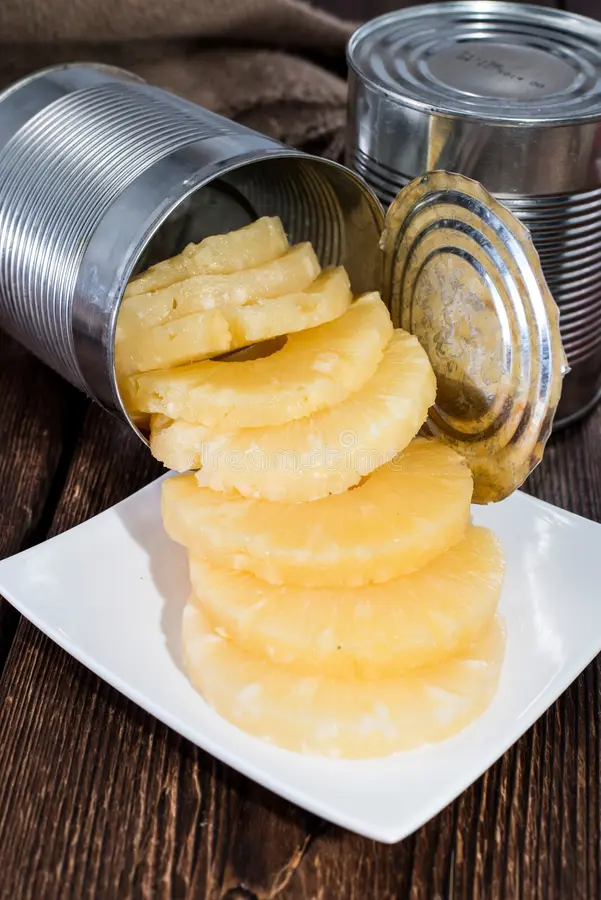
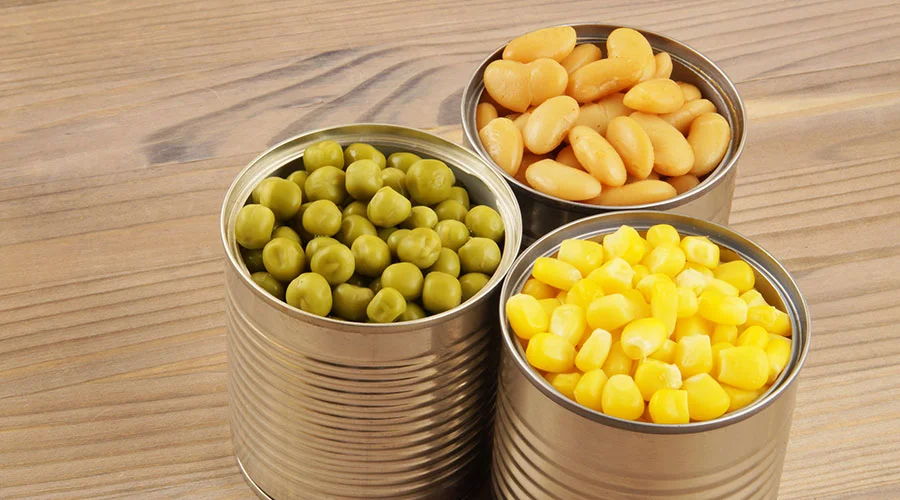
Canned Food, Canned Pineapple, Cucumber In Jar
⚓ Harbor
Canned Food, Canned Pineapple, Cucumber In Jar
Contact
MOQ: 1 Unit
Canned Fish, Canned Tuna, Canned Sardine, Bon
⚓ Harbor
Canned Fish, Canned Tuna, Canned Sardine, Bon
Contact
MOQ: 1 Unit
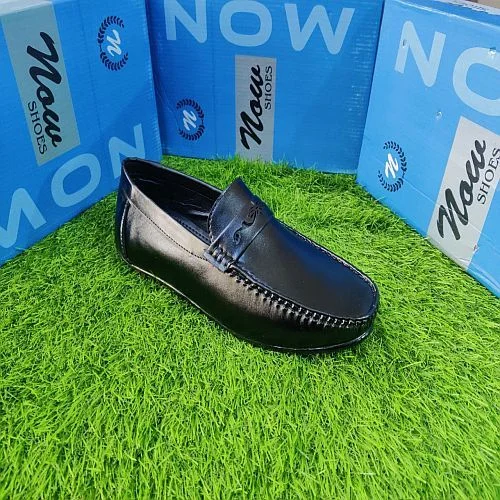
Leather Shoe, Hangbag, Wallet
⚓ Harbor
Leather Shoe, Hangbag, Wallet
Contact
MOQ: 1 Unit
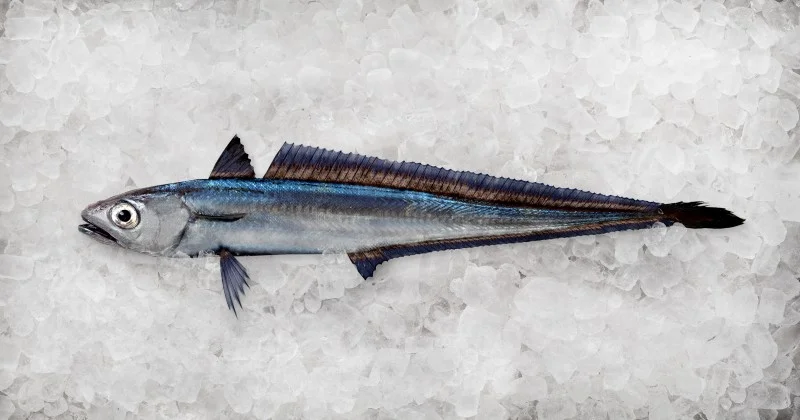
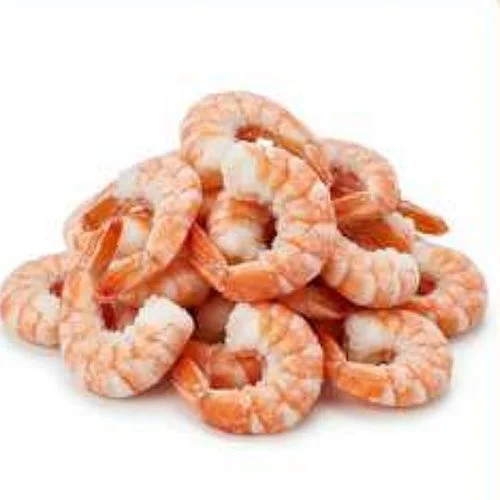
Frozen Fish, Frozen Shrimp
⚓ Harbor
Frozen Fish, Frozen Shrimp
Contact
MOQ: 1 Unit
Fresh Fruit, Dried Fruit, Vegetable
⚓ Harbor
Fresh Fruit, Dried Fruit, Vegetable
Contact
MOQ: 1 Unit
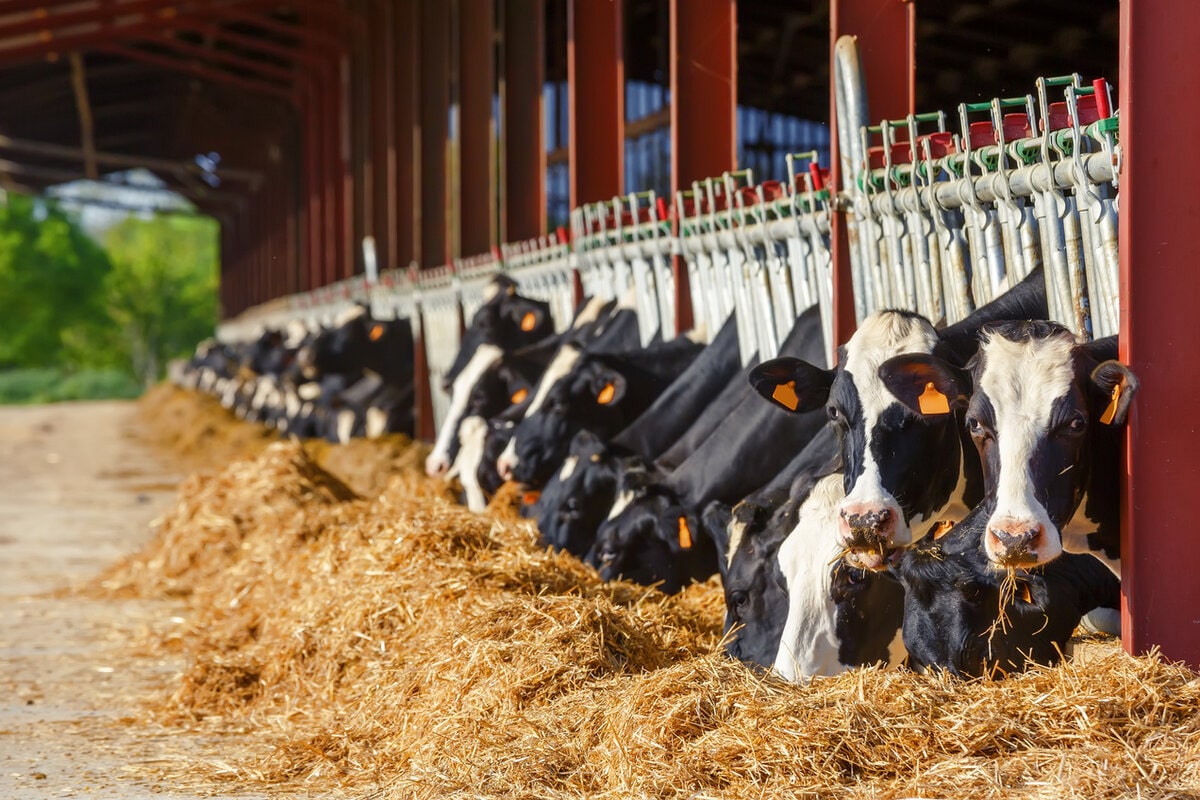
Fish Feed, Poultry Feed, Animal Feed
⚓ Harbor
Fish Feed, Poultry Feed, Animal Feed
Contact
MOQ: 1 Unit
Fertilizer
⚓ Harbor
Fertilizer
Contact
MOQ: 1 Unit
Dried Shrimp
⚓ Harbor
Dried Shrimp
Contact
MOQ: 1 Unit

About Integrated An Thinh - Animal & Cattle Feed Supplier in Viet Nam

Integrated An Thinh operates from Viet Nam and currently lists 25 active products across several commodity groups. The catalogue includes animal and cattle feed, silica gel desiccant powder, dragon fruit and other fresh fruits, various rice and grain items, seafood and canned food, coco peat, limestone, raw leather and related textile goods. Export‑oriented items such as canned skipjack tuna, sardine and bonito are recorded under HS code 1604.14, while canned pineapple and cucumber products fall under HS code 2008.20. The product list also mentions ancillary items such as drinking straws, rubber bands and leather accessories.

The supplier’s catalogue further details rice husk pellets, DCP limestone premix, garment and yarn products, rubber bands, leather belts, cat litter, drinking straws, dried shrimp, fertilizer, fish, poultry and animal feed, as well as frozen fish and shrimp. Additional entries cover desiccated coconut, coconut oil, fish cooking oil and drinking coconut water, illustrating a broad agricultural and industrial profile within the 25 listed SKUs.

Product Range and Specialties of Integrated An Thinh

The product portfolio spans food‑grade silica gel powder, which is commonly produced with a moisture adsorption capacity of about 40 % at 25 °C, particle size between 0.2 mm and 0.5 mm, and purity of 99 % or higher. Rice and rice‑related products are typically exported with moisture ≤ 14 %, broken grain ≤ 5 % and head‑rice yield around 80 %. Dragon fruit for fresh market is usually sized 6‑8 cm in length, with a flesh Brix of 10‑12 % and packed in ventilated cartons of 10‑12 kg. Seafood lines include frozen fish and shrimp, which generally meet HACCP and BRC standards, and canned fish (HS 1604.14) that are packed in tinplate cans with BPA‑free liners. Canned fruit and vegetable products (HS 2008.20) follow similar food‑safety certifications and are commonly sealed in tin or glass containers. Coco peat and limestone are supplied in bulk bags or pallets, with coco peat typically having a water‑holding capacity of 10‑12 times its dry weight. Raw leather and leather accessories such as belts and wallets are graded by thickness (0.3‑0.7 mm) and tensile strength (≥ 15 MPa).

Trade and Export Information - Integrated An Thinh

Vietnam is a major exporter of rice, seafood, canned fish and agricultural desiccants, with primary destination markets in the European Union, United States, Japan and Southeast Asian neighbors. HS chapter 16 (e.g., 1604.14) and chapter 20 (e.g., 2008.20) are routinely inspected under the EU's Rapid Alert System for Food and the US FDA's Prior Notice system, so buyers often require certificates of origin, health certificates and compliance with Codex Alimentarius standards. Silica gel desiccants are classified under HS 3815 and are frequently requested with ISO 9001 quality management certification and a declaration of food‑grade status. Shipping of bulk items such as rice husk pellets, coco peat and limestone usually utilizes 20‑ft or 40‑ft containers on FCL terms, with CIF or FOB incoterms being standard. Export logistics from Vietnamese ports like Ho Chi Minh City benefit from established cold‑chain facilities for frozen seafood and temperature‑controlled containers for fresh fruit.

Sourcing from Integrated An Thinh - Buyer Guidance

When sourcing silica gel, request a material safety data sheet, an adsorption capacity test report and confirmation of food‑grade purity. For rice and grain shipments, ask for a moisture analysis, broken grain percentage and a phytosanitary certificate if the product is intended for the EU market. Seafood and canned food buyers should obtain HACCP or BRC certificates, a laboratory analysis of oil content for canned fish, and a certificate of origin. Fresh dragon fruit orders typically require a phytosanitary certificate, a pesticide residue test and a packing list that confirms the use of ventilated, food‑grade cartons. For bulk commodities such as coco peat, limestone and rice husk pellets, verify bulk density specifications, moisture content and the type of palletization used. Requesting a pre‑shipment inspection report and a copy of the supplier’s ISO 9001 certificate helps confirm consistent product quality before loading.

Frequently Asked Questions About Integrated An Thinh

What product categories does Integrated An Thinh export?

The supplier lists animal and cattle feed, silica gel desiccant powder, fresh dragon fruit, rice and other grains, seafood, canned fish (HS 1604.14), canned fruit and vegetable (HS 2008.20), coco peat, limestone, raw leather and related textile items such as garment yarn and sewing thread.

Which HS codes are associated with the canned products?

Canned skipjack tuna, sardine and bonito in oil or brine are classified under HS code 1604.14, while canned pineapple and cucumber preserved in syrup or brine use HS code 2008.20.

What certifications should a buyer typically request for the seafood and canned food lines?

Buyers usually ask for HACCP or BRC food‑safety certificates, a laboratory analysis confirming moisture and oil content, and a certificate of origin issued by Vietnam authorities.

What are the typical specifications for food‑grade silica gel desiccant powder?

Food‑grade silica gel is commonly supplied with a moisture adsorption capacity of 40 % at 25 °C, particle size of 0.2‑0.5 mm, purity of at least 99 %, and packaged in airtight 25 kg paper bags or bulk 1‑ton containers.

How is rice typically graded for export from Vietnam?

Export‑grade rice is usually evaluated on moisture content (≤ 14 %), broken grain percentage (≤ 5 %) and milling degree, with an 80 % head‑rice yield being a common benchmark.

What packaging formats are used for the canned fish products?

Canned fish are typically packed in tinplate cans of 200 g, 400 g or 1 kg, sealed with BPA‑free liners, and palletized for shipment in standard 20‑ft or 40‑ft containers.

What lead time and minimum order quantities are typical for the coco peat product?

Coco peat is often supplied in 25 kg bags with a minimum order of one full container load (approximately 800 bags for a 20‑ft container) and a lead time of 30‑45 days from order confirmation.

How should a buyer verify the quality of the animal and cattle feed offered?

Request a detailed specification sheet showing protein, fiber and mineral content, a recent laboratory analysis report, and evidence of compliance with local feed safety regulations such as Vietnam’s Feed Safety Law or international standards like ISO 22000.

About Integrated An Thinh - Animal & Cattle Feed Supplier in Viet Nam

Integrated An Thinh operates from Viet Nam and currently lists 25 active products across several commodity groups. The catalogue includes animal and cattle feed, silica gel desiccant powder, dragon fruit and other fresh fruits, various rice and grain items, seafood and canned food, coco peat, limestone, raw leather and related textile goods. Export‑oriented items such as canned skipjack tuna, sardine and bonito are recorded under HS code 1604.14, while canned pineapple and cucumber products fall under HS code 2008.20. The product list also mentions ancillary items such as drinking straws, rubber bands and leather accessories.

The supplier’s catalogue further details rice husk pellets, DCP limestone premix, garment and yarn products, rubber bands, leather belts, cat litter, drinking straws, dried shrimp, fertilizer, fish, poultry and animal feed, as well as frozen fish and shrimp. Additional entries cover desiccated coconut, coconut oil, fish cooking oil and drinking coconut water, illustrating a broad agricultural and industrial profile within the 25 listed SKUs.

Product Range and Specialties of Integrated An Thinh

The product portfolio spans food‑grade silica gel powder, which is commonly produced with a moisture adsorption capacity of about 40 % at 25 °C, particle size between 0.2 mm and 0.5 mm, and purity of 99 % or higher. Rice and rice‑related products are typically exported with moisture ≤ 14 %, broken grain ≤ 5 % and head‑rice yield around 80 %. Dragon fruit for fresh market is usually sized 6‑8 cm in length, with a flesh Brix of 10‑12 % and packed in ventilated cartons of 10‑12 kg. Seafood lines include frozen fish and shrimp, which generally meet HACCP and BRC standards, and canned fish (HS 1604.14) that are packed in tinplate cans with BPA‑free liners. Canned fruit and vegetable products (HS 2008.20) follow similar food‑safety certifications and are commonly sealed in tin or glass containers. Coco peat and limestone are supplied in bulk bags or pallets, with coco peat typically having a water‑holding capacity of 10‑12 times its dry weight. Raw leather and leather accessories such as belts and wallets are graded by thickness (0.3‑0.7 mm) and tensile strength (≥ 15 MPa).

Trade and Export Information - Integrated An Thinh

Vietnam is a major exporter of rice, seafood, canned fish and agricultural desiccants, with primary destination markets in the European Union, United States, Japan and Southeast Asian neighbors. HS chapter 16 (e.g., 1604.14) and chapter 20 (e.g., 2008.20) are routinely inspected under the EU's Rapid Alert System for Food and the US FDA's Prior Notice system, so buyers often require certificates of origin, health certificates and compliance with Codex Alimentarius standards. Silica gel desiccants are classified under HS 3815 and are frequently requested with ISO 9001 quality management certification and a declaration of food‑grade status. Shipping of bulk items such as rice husk pellets, coco peat and limestone usually utilizes 20‑ft or 40‑ft containers on FCL terms, with CIF or FOB incoterms being standard. Export logistics from Vietnamese ports like Ho Chi Minh City benefit from established cold‑chain facilities for frozen seafood and temperature‑controlled containers for fresh fruit.

Sourcing from Integrated An Thinh - Buyer Guidance

When sourcing silica gel, request a material safety data sheet, an adsorption capacity test report and confirmation of food‑grade purity. For rice and grain shipments, ask for a moisture analysis, broken grain percentage and a phytosanitary certificate if the product is intended for the EU market. Seafood and canned food buyers should obtain HACCP or BRC certificates, a laboratory analysis of oil content for canned fish, and a certificate of origin. Fresh dragon fruit orders typically require a phytosanitary certificate, a pesticide residue test and a packing list that confirms the use of ventilated, food‑grade cartons. For bulk commodities such as coco peat, limestone and rice husk pellets, verify bulk density specifications, moisture content and the type of palletization used. Requesting a pre‑shipment inspection report and a copy of the supplier’s ISO 9001 certificate helps confirm consistent product quality before loading.

Frequently Asked Questions About Integrated An Thinh
What product categories does Integrated An Thinh export?
The supplier lists animal and cattle feed, silica gel desiccant powder, fresh dragon fruit, rice and other grains, seafood, canned fish (HS 1604.14), canned fruit and vegetable (HS 2008.20), coco peat, limestone, raw leather and related textile items such as garment yarn and sewing thread.
Which HS codes are associated with the canned products?
Canned skipjack tuna, sardine and bonito in oil or brine are classified under HS code 1604.14, while canned pineapple and cucumber preserved in syrup or brine use HS code 2008.20.
What certifications should a buyer typically request for the seafood and canned food lines?
Buyers usually ask for HACCP or BRC food‑safety certificates, a laboratory analysis confirming moisture and oil content, and a certificate of origin issued by Vietnam authorities.
What are the typical specifications for food‑grade silica gel desiccant powder?
Food‑grade silica gel is commonly supplied with a moisture adsorption capacity of 40 % at 25 °C, particle size of 0.2‑0.5 mm, purity of at least 99 %, and packaged in airtight 25 kg paper bags or bulk 1‑ton containers.
How is rice typically graded for export from Vietnam?
Export‑grade rice is usually evaluated on moisture content (≤ 14 %), broken grain percentage (≤ 5 %) and milling degree, with an 80 % head‑rice yield being a common benchmark.
What packaging formats are used for the canned fish products?
Canned fish are typically packed in tinplate cans of 200 g, 400 g or 1 kg, sealed with BPA‑free liners, and palletized for shipment in standard 20‑ft or 40‑ft containers.
What lead time and minimum order quantities are typical for the coco peat product?
Coco peat is often supplied in 25 kg bags with a minimum order of one full container load (approximately 800 bags for a 20‑ft container) and a lead time of 30‑45 days from order confirmation.
How should a buyer verify the quality of the animal and cattle feed offered?
Request a detailed specification sheet showing protein, fiber and mineral content, a recent laboratory analysis report, and evidence of compliance with local feed safety regulations such as Vietnam’s Feed Safety Law or international standards like ISO 22000.

Integrated An Thinh
Country flag Viet Nam
⚓ HarborAgriculture & Food
77/100
Trust Score
25
Products
✓ Free to contact — no commission
✓ Escrow payment available
✓ Verified business identity
Compare more suppliers
Post a requirement — get 10 quotes free
Let verified suppliers compete for your business. Free, fast, no commitment.
EximNext Verified Supplier
Business identity verified
Physical address confirmed
Financial history checked
Certifications authenticated
Trade references validated
Due Diligence
Verify this supplier's real shipping history.
Every shipment, every buyer, every port. Trade data that can't be faked.
Run due diligence →
Discover More

Related Suppliers & Products

Explore similar suppliers, related products and trending categories

Featured Products from this Supplier

Other Suppliers in Primary Category

Top Trusted Suppliers

Related Products

Trending in Parent Category

More Suppliers in Category

Stay ahead in global trade
Weekly market insights & new supplier alerts.
EximNext
Exim Next is a leading global B2B marketplace, connecting over 205,000 verified suppliers and buyers across 200+ countries. As a trusted import export marketplace, it serves as the essential B2B portal for businesses worldwide, empowering them to expand their international reach. With Exim Next, businesses can trade smarter and grow faster.
SECURE PAYMENTS
VISAMastercardPayPalSWIFTL/CEscrow
Follow us
© 2026 EximNext