Indonesian Exporter — Verified Supplier
About Indonesian Exporter - Sugar Supplier in Indonesia
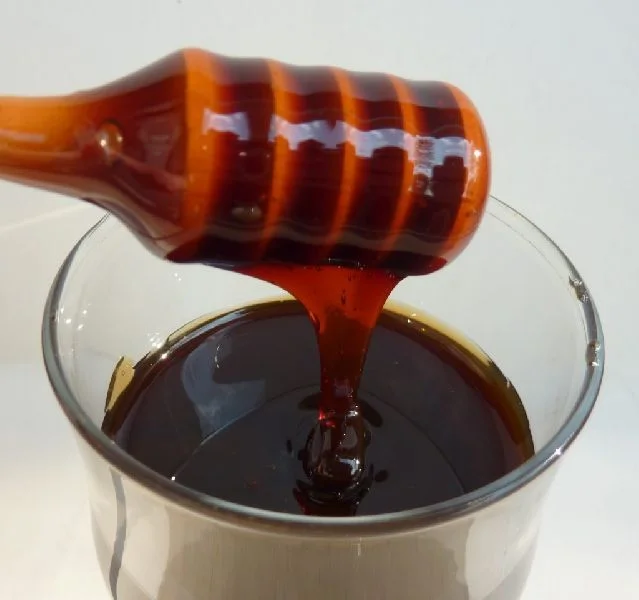
Indonesia is a major exporter of tropical sweeteners and charcoal. Indonesian Exporter lists five active products, covering liquid and solid forms of coconut palm sugar, organic granulated coconut and palm sugars, and coconut shell charcoal. The catalogue includes Liquid Coconut Palm Sugar Nectar, Organic Coconut Sugar Granule, Organic Palm Sugar Granule, Solid Coconut Palm Sugar, and Coconut Shell Charcoal. These items fall under the HS 1701 family for sugars and HS 4401 for charcoal, which are the standard tariff headings used in global trade. The supplier is classified in the harbor trust tier, indicating a verified presence on the platform.
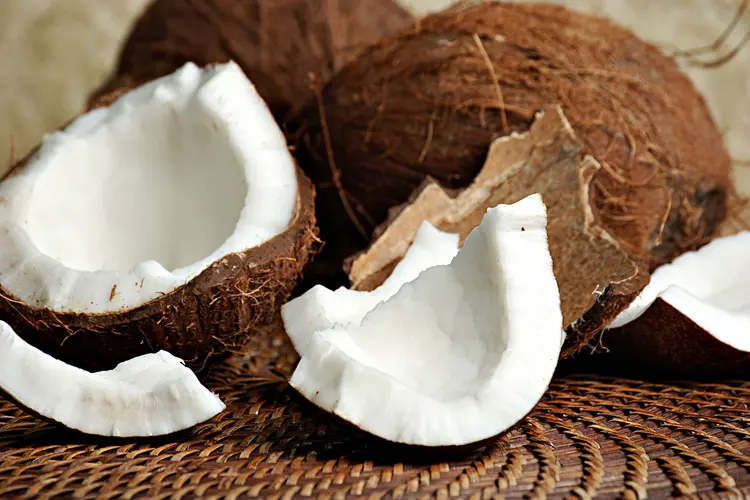
The product set reflects Indonesia’s capacity to process coconut and palm sap into both liquid syrups and dry granules, as well as to produce charcoal from coconut shells, a common by‑product of the coconut industry. All five items are sourced domestically, allowing the exporter to meet demand for organic‑certified sweeteners and for activated charcoal used in filtration and industrial applications. The listing does not specify certifications, so buyers should verify organic and food‑grade credentials.
Product Range and Specialties of Indonesian Exporter
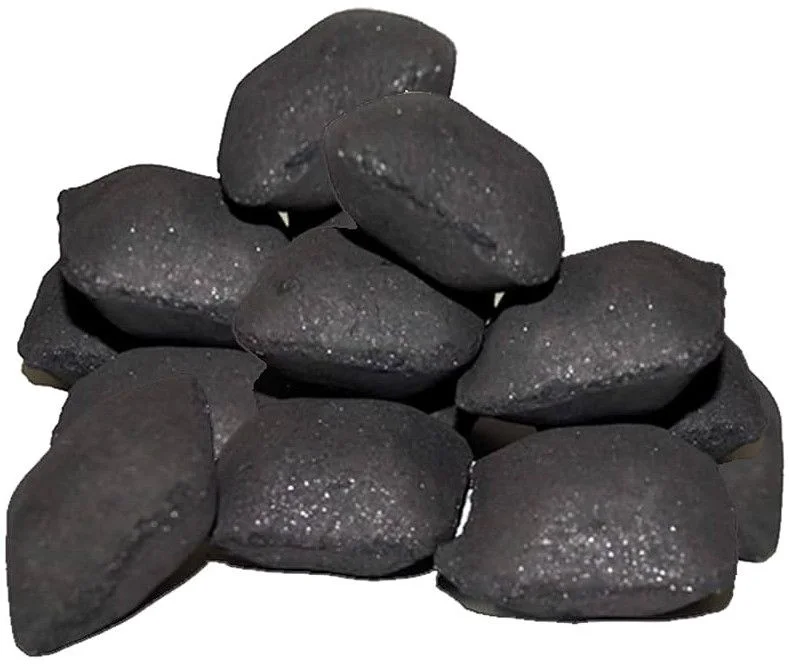
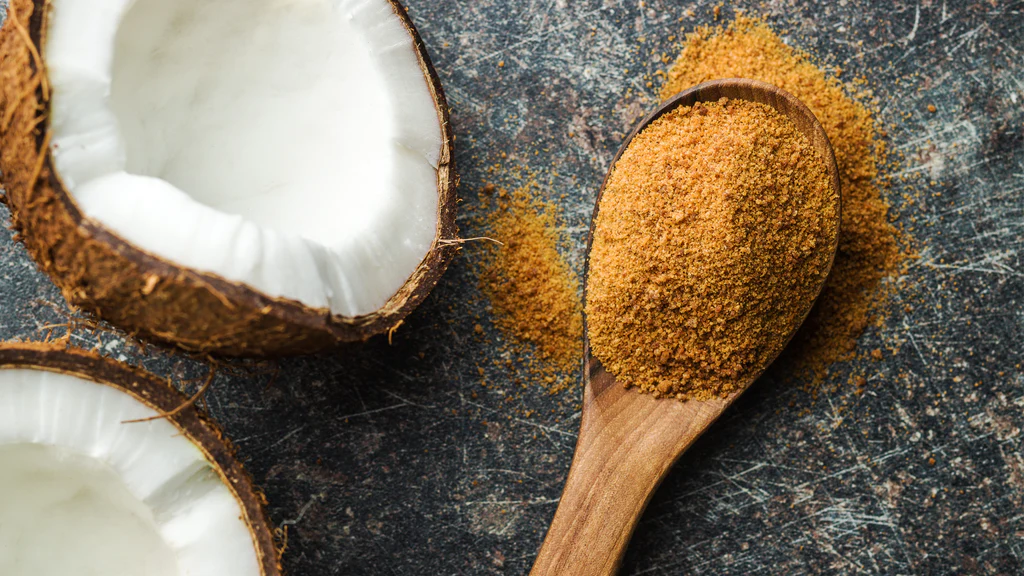
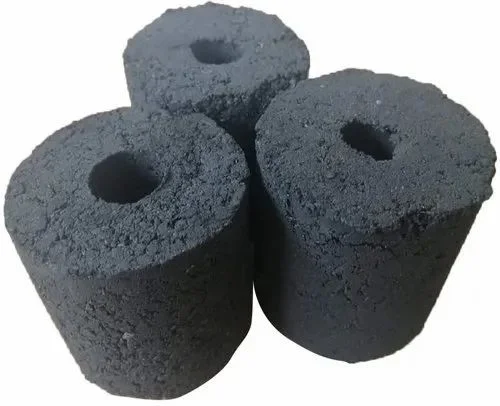
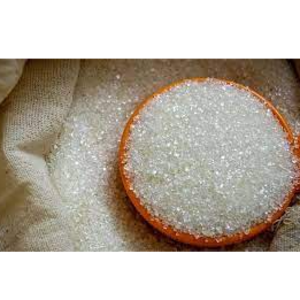
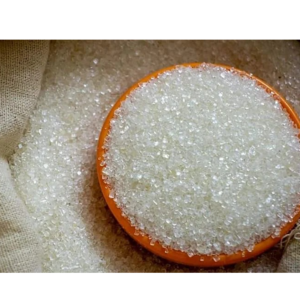
The liquid offering is a coconut palm sugar nectar that is typically sold in 1‑2 L PET bottles or 20 L drums, with a soluble solids content around 80 % brix and a moisture level below 15 %. Granulated coconut and palm sugars are usually produced to ICUMSA 45 - 70 grades, with particle sizes between 0.5 mm and 2 mm and moisture content not exceeding 5 %. Solid coconut palm sugar is commonly pressed into blocks weighing 1 - 5 kg, with a moisture range of 10 - 12 %. Coconut shell charcoal is produced as either powdered or lump form, often activated to a surface area of 800 - 1 200 m² g⁻¹ and packaged in 25 kg polypropylene bags. Industry buyers typically look for specifications such as ICUMSA grade, moisture, pH (for syrups), and ash content (for charcoal).
Trade and Export Information - Indonesian Exporter
Exporters of sugar and coconut‑derived sweeteners from Indonesia primarily serve markets in the European Union, the United States, the Middle East, and Southeast Asia, where demand for organic and low‑glycemic alternatives is growing. HS 1701 covers raw cane and beet sugars as well as refined sugar products, while HS 4401 applies to charcoal and other carbon products; customs authorities in importing countries often require a Certificate of Origin, a Phytosanitary Certificate for food items, and, for organic claims, a recognized organic certification such as USDA Organic or EU Organic. Typical Incoterms are FOB Jakarta Port or CIF to the buyer’s destination, with container loads of 20 ft (≈ 18 metric t) for granules and 40 ft (≈ 35 metric t) for charcoal. Indonesian export regulations mandate laboratory analysis reports for moisture, ash, and microbial limits for food‑grade sugar, and surface area and iodine number for charcoal.
Sourcing from Indonesian Exporter - Buyer Guidance
When sourcing from Indonesian Exporter, request a recent Certificate of Analysis that details ICUMSA grade, moisture, ash, and microbiological limits for the sugar products, and surface area and iodine number for the charcoal. Ask for copies of any organic certifications that back the “organic” label on the granules, and verify that the certifications are recognized in the buyer’s target market. Typical minimum order quantities are 500 kg for granulated sugars, 1 000 L for liquid nectar, and 1 ton for charcoal, with lead times of 30 - 45 days from order confirmation to shipment. Verify packaging integrity - PET drums for liquid, food‑grade polyethylene bags for granules, and sealed polypropylene bags for charcoal - and confirm that the supplier can provide HS‑compliant labeling and safety data sheets.
Frequently Asked Questions About Indonesian Exporter
What product formats does Indonesian Exporter offer for coconut palm sugar?
The catalogue includes a liquid coconut palm sugar nectar, solid pressed coconut palm sugar blocks, and organic granulated coconut sugar. Each format is packaged according to industry norms: drums for liquid, 1 - 5 kg blocks for solid, and 20 kg food‑grade bags for granules.
Which HS codes apply to the listed products?
Sugar‑based products fall under HS 1701, while coconut shell charcoal is classified under HS 4401. Importers should reference these codes when preparing customs documentation.
Does the supplier provide organic certification?
The facts do not list any certifications, so buyers should request the current organic certification (e.g., USDA Organic or EU Organic) and verify its validity for the specific granulated products.
What are the typical quality specifications for the granulated sugars?
Buyers usually require ICUMSA grades between 45 and 70, moisture content below 5 %, particle size 0.5 - 2 mm, and absence of foreign matter. A Certificate of Analysis should confirm these parameters.
How is the coconut shell charcoal produced and packaged?
The charcoal is derived from coconut shells, often activated to a surface area of 800 - 1 200 m² g⁻¹. It is typically packed in 25 kg polypropylene bags that are sealed to prevent moisture ingress.
What documentation should be requested before placing an order?
Request a Certificate of Analysis for each product, any organic or food‑grade certifications, a Certificate of Origin, and, for food items, a Phytosanitary Certificate. These documents support customs clearance and quality verification.
What are the common minimum order quantities and lead times?
Typical MOQs are 500 kg for granulated sugars, 1 000 L for liquid nectar, and 1 ton for charcoal. Lead times generally range from 30 to 45 days, depending on production scheduling and shipping arrangements.




 , Indonesia