INDO CIPANAS BONSAI — Verified Wholesaler & Wholesale Supplier
About INDO CIPANAS BONSAI - Plants & Plant Extracts Supplier in Indonesia
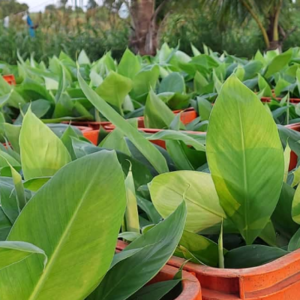
INDO CIPANAS BONSAI, based in Jawa Barat, Indonesia, offers a diverse range of 26 products, including Monstera Karstenianum, Azalea Bonsai, and Cattleya Orchid Hybrid, among others. The company specializes in bonsai, ornamental plants, and pots, catering to wholesalers and retailers worldwide. With products like Bougainvillea Bonsai, Buxus Harlandi Bonsai, and Carmona Bonsai, the company showcases its expertise in providing unique and quality plant species. The HS code 0602.90 is associated with the Monstera Karstenianum product, indicating its classification under the heading of live plants.
As a supplier in Indonesia, INDO CIPANAS BONSAI is well-positioned to serve the global market with its broad selection of plant products. The country's tropical climate and rich biodiversity make it an ideal location for cultivating a variety of plant species. With its active product count and diverse catalogue, INDO CIPANAS BONSAI is a notable player in the plants and plant extracts industry.
Product Range and Specialties of INDO CIPANAS BONSAI
INDO CIPANAS BONSAI's product range encompasses various types of bonsai, ornamental plants, and pots. The company's catalogue includes products like Wholesale Durantha Bonsai, Wholesale Ficus Bonsai, and Wholesale Murraya Bonsai, showcasing its focus on providing quality plant species. Buyers can expect to find products with unique characteristics, such as the Monstera Karstenianum's glossy foliage or the Azalea Bonsai's vibrant flowers. As with any plant products, buyers should be aware of the typical grades and standard specifications for these categories, such as the ICRA - International Council for Rose Associations - standards for rose plants or the APA - American Plant Association - guidelines for plant care and handling.
Trade and Export Information - INDO CIPANAS BONSAI
Exporters of plants and plant extracts, like INDO CIPANAS BONSAI, typically require certifications such as the International Plant Protection Convention (IPPC) or the Convention on International Trade in Endangered Species of Wild Fauna and Flora (CITES). Buyers of these goods usually require compliance with regulations such as the US Department of Agriculture's (USDA) Animal and Plant Health Inspection Service (APHIS) or the European Union's (EU) Plant Health Directive. The HS code 0602.90, associated with the Monstera Karstenianum product, falls under the heading of live plants, which are subject to specific regulations and requirements. Regions such as North America, Europe, and Australia typically import these goods, with industries like gardening, landscaping, and horticulture being major consumers.
Sourcing from INDO CIPANAS BONSAI - Buyer Guidance
When sourcing from INDO CIPANAS BONSAI, buyers should request specifications, samples, and test reports to ensure the quality of the products. It is essential to verify the products' compliance with relevant regulations, such as those related to plant health and endangered species. Buyers should also be aware of the typical quality parameters for these categories, such as the moisture content, purity, and packaging requirements. By requesting the necessary documents and certifications, buyers can ensure a smooth and successful transaction.
Frequently Asked Questions About INDO CIPANAS BONSAI
What types of plants does INDO CIPANAS BONSAI offer?
INDO CIPANAS BONSAI offers a diverse range of plants, including bonsai, ornamental plants, and pots. Some examples of their products include Monstera Karstenianum, Azalea Bonsai, and Cattleya Orchid Hybrid.
What is the HS code associated with the Monstera Karstenianum product?
The HS code associated with the Monstera Karstenianum product is 0602.90, which falls under the heading of live plants.
What certifications should buyers request when sourcing from INDO CIPANAS BONSAI?
Buyers should request certifications such as the International Plant Protection Convention (IPPC) or the Convention on International Trade in Endangered Species of Wild Fauna and Flora (CITES) to ensure compliance with relevant regulations.
What regions typically import plants and plant extracts?
Regions such as North America, Europe, and Australia typically import these goods, with industries like gardening, landscaping, and horticulture being major consumers.
What quality parameters should buyers be aware of when sourcing plants and plant extracts?
Buyers should be aware of typical quality parameters such as moisture content, purity, and packaging requirements to ensure the quality of the products.
How can buyers ensure a smooth and successful transaction when sourcing from INDO CIPANAS BONSAI?
Buyers can ensure a smooth and successful transaction by requesting the necessary documents and certifications, verifying compliance with relevant regulations, and being aware of the typical quality parameters for these categories.




 , Indonesia