Indian Aladin — Verified Supplier
About Indian Aladin - Basmati Rice Supplier in India
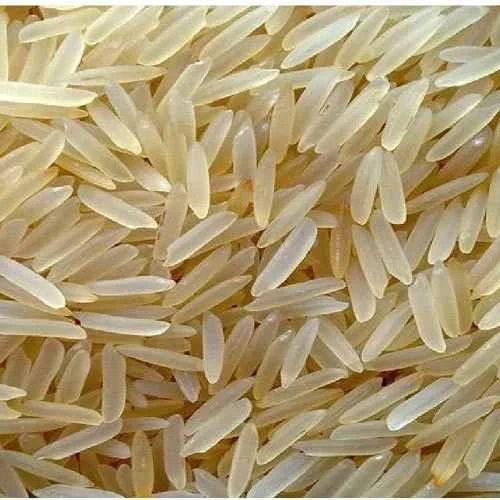
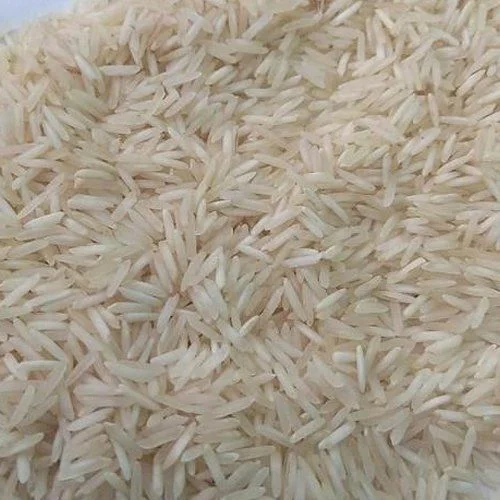
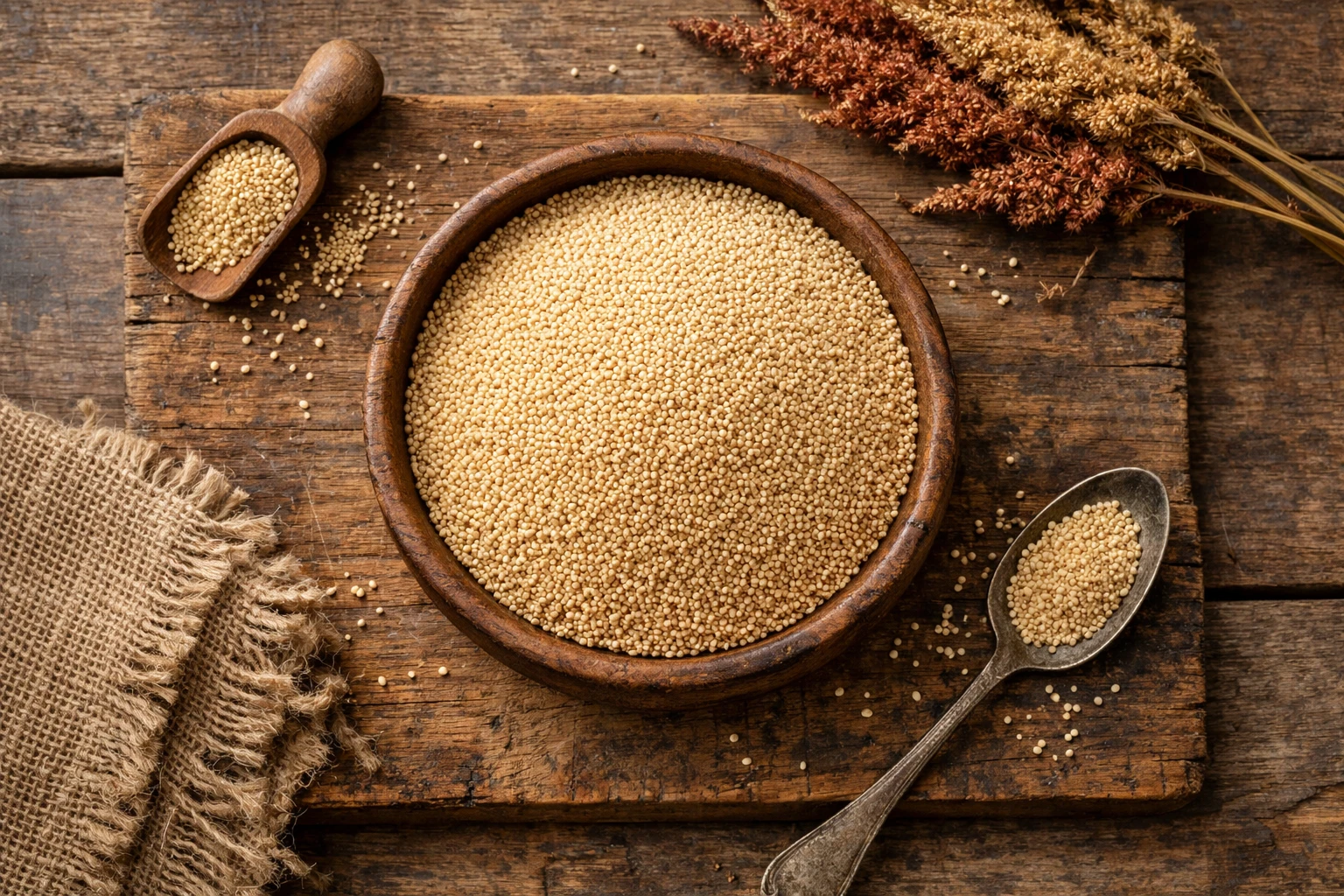
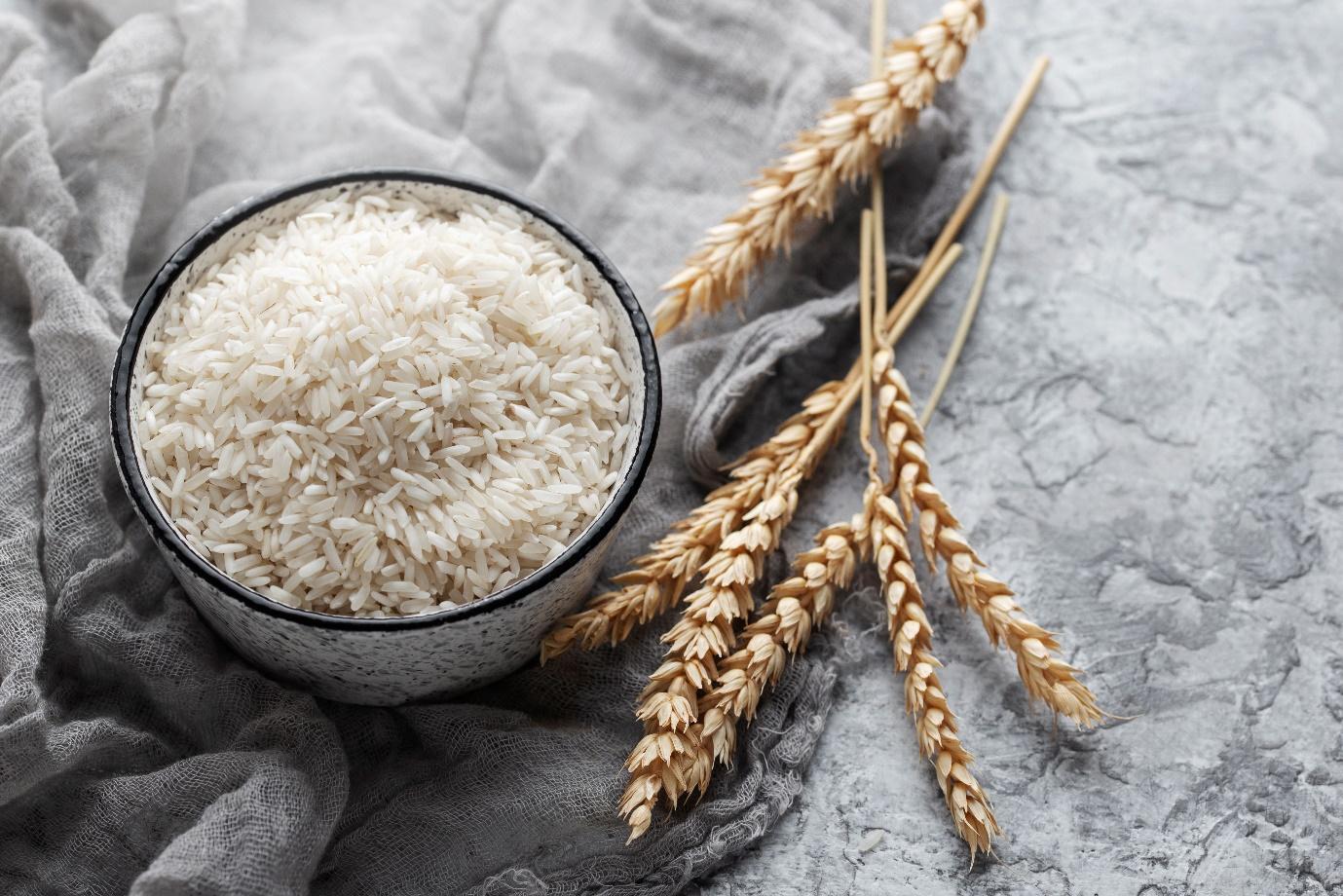
India, a prominent hub for rice and millet exports, is home to Indian Aladin, a supplier with 7 active products. Their catalogue includes a range of Basmati and Non-Basmati rice varieties, such as 1509 White Creamy Sella and 1121 White Sella Basmati Rice, both classified under the HS code 1006.30. Additionally, they offer Amaranth Millet, Finger Millet, and Barnyard Millet (without shell), showcasing their diversity in millet products. With a focus on long-grain rice, Indian Aladin's product range caters to various consumer preferences.
Indian Aladin's product portfolio is characterized by its emphasis on premium quality and distinct varieties. For instance, their 1121 Golden Sella Basmati Rice is made from polished long-grain rice, highlighting the attention to detail in their processing methods. The inclusion of IR-64 Non-Basmati Rice in their catalogue further demonstrates their ability to cater to a broad range of customer needs, from specialty rice to more common varieties. Understanding the specific characteristics and applications of each product is essential for buyers looking to source from Indian Aladin.
Product Range and Specialties of Indian Aladin
Indian Aladin's product range encompasses various types of rice and millets, each with its unique characteristics and standards. For Basmati rice, typical standards include a minimum grain length of 7.5 mm and an average moisture content of 13%. The 1121 and 1509 varieties, in particular, are known for their distinctive aroma and flavor. In the millet category, Amaranth and Finger Millet are commonly sought after for their nutritional benefits, including high protein and fiber content. Buyers should be aware of these typical industry standards and request specifications, such as grain length and moisture content, to ensure they receive the desired quality.
The materials used by Indian Aladin, such as Premium Long-Grain Basmati Rice for their 1509 White Creamy Sella, underscore their commitment to quality. For millets, the absence of shells in their Barnyard Millet product is a notable feature, indicating attention to consumer preferences for ease of use. Understanding these specifics can help buyers make informed decisions when sourcing from Indian Aladin.
Trade and Export Information - Indian Aladin
Exporters of rice and millets from India, like Indian Aladin, typically cater to a global market, with significant demand coming from the Middle East, Africa, and Southeast Asia. The HS code 1006.30, applicable to their Basmati rice products, is a crucial piece of information for customs and regulatory purposes. Buyers should be aware of the common certifications required for rice and millet exports, such as those related to phytosanitary and quality standards. The logistics of exporting these goods often involve packaging in 20 ft or 40 ft containers, with careful consideration of moisture levels to preserve product quality during transit.
The trade and export context for Indian Aladin's products also involves understanding the regulatory environment. For instance, exporters must comply with the regulations of the importing country, which may include standards for pesticide residues, heavy metals, and mycotoxins. Furthermore, the Incoterms, such as CIF or FOB, play a significant role in defining the responsibilities of the buyer and seller in the transaction. Being informed about these aspects is crucial for a smooth and successful trade experience.
Sourcing from Indian Aladin - Buyer Guidance
When sourcing from Indian Aladin, buyers should request detailed specifications for each product, including grain length, moisture content, and any relevant certifications. For example, asking for test reports on pesticide residues or heavy metals can provide assurance of the product's safety and quality. It's also advisable to verify the packaging and shipping arrangements to ensure they meet the required standards for preserving the product during transit. Understanding the typical quality parameters for each product category, such as the average length of Basmati rice or the protein content of millets, can help buyers make informed purchasing decisions.
Buyers should also be prepared to request samples and to discuss the Minimum Order Quantity (MOQ) and lead time with Indian Aladin. This preparation includes understanding the common trade practices in the industry, such as the use of proforma invoices and the norms for payment and shipping. By being proactive and informed, buyers can navigate the sourcing process more effectively and build a successful partnership with Indian Aladin.
Frequently Asked Questions About Indian Aladin
What types of rice does Indian Aladin supply?
Indian Aladin supplies Basmati and Non-Basmati rice varieties, including 1509 White Creamy Sella and 1121 White Sella Basmati Rice, classified under the HS code 1006.30. They also offer IR-64 Non-Basmati Rice.
What millets are available in Indian Aladin's catalogue?
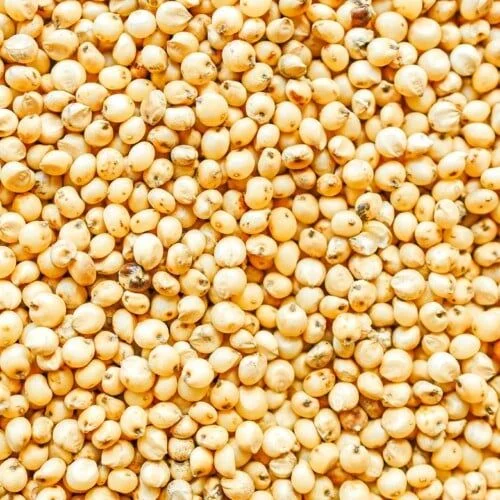
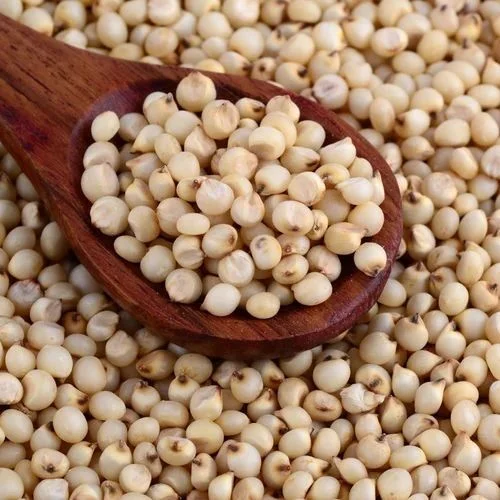
Indian Aladin offers Amaranth Millet, Finger Millet, and Barnyard Millet (without shell), catering to the demand for nutritious and versatile millet products.
What certifications should I request for Indian Aladin's products?
Buyers should request certifications related to quality and safety standards, such as phytosanitary certificates and test reports for pesticide residues or heavy metals, to ensure the products meet the required standards.
What is the typical packaging for Indian Aladin's rice and millet products?
The typical packaging for rice and millet products involves bags or containers that protect the goods from moisture and damage during transit. Buyers should verify the packaging arrangements to ensure they meet the necessary standards for preserving product quality.
Can I request a specific grain length for Basmati rice from Indian Aladin?
Yes, buyers can request specific grain lengths for Basmati rice, such as a minimum of 7.5 mm, to ensure the product meets their quality requirements. Indian Aladin can provide information on the typical grain lengths of their Basmati rice varieties.
How do I verify the quality of Indian Aladin's products before ordering?
Buyers can verify the quality of Indian Aladin's products by requesting test reports, specifications, and certifications. It's also recommended to request samples to assess the product's quality and characteristics before placing an order.
What are the common Incoterms used in transactions with Indian Aladin?
Common Incoterms used in transactions with Indian Aladin may include CIF (Cost, Insurance, and Freight) or FOB (Free on Board), which define the responsibilities of the buyer and seller in the transaction. Buyers should discuss and agree on the Incoterms with Indian Aladin to ensure clarity on the terms of the sale.




 , India