I Biliion Global — Supplier
About I Biliion Global - Palm Oil Supplier in Malaysia
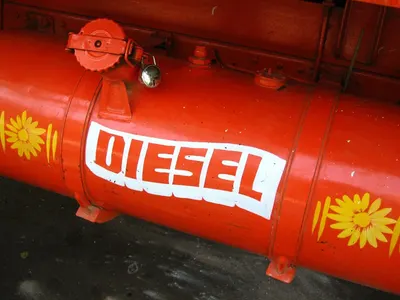
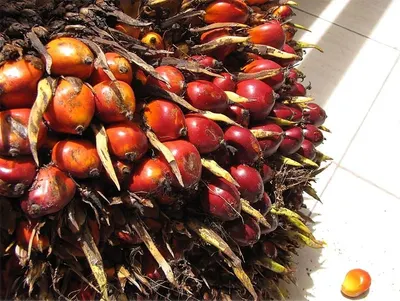
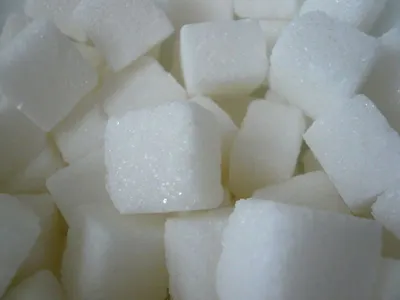
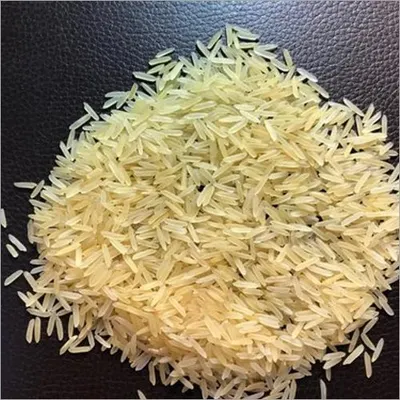
Malaysia hosts I Biliion Global, which currently lists six active products in its catalogue. The supplier’s catalogue includes palm oil, white refined sugar, rice, diesel, diesel gasoil D2, and a combined entry for JP54, LNG and D2. These items fall under the broader categories of Palm Oil, Sugar, Rice, Diesel and Petroleum By Products that appear in the supplier’s top categories. Each product aligns with the HS code families commonly used for these commodities, such as HS Chapter 15 for edible oils, Chapter 17 for sugars, Chapter 10 for milled grain, and Chapter 27 for petroleum products.
The palm oil entry corresponds to the edible oil HS heading 1510, while the white refined sugar aligns with heading 1701. Rice is classified under heading 1006, and diesel and related fuel products fall under heading 2710. Although the catalogue does not specify grades, the listed products represent standard export specifications for Malaysian producers. The supplier’s portfolio therefore covers major commodity streams that are routinely traded in bulk containers or tanker shipments.
Product Range and Specialties of I Biliion Global
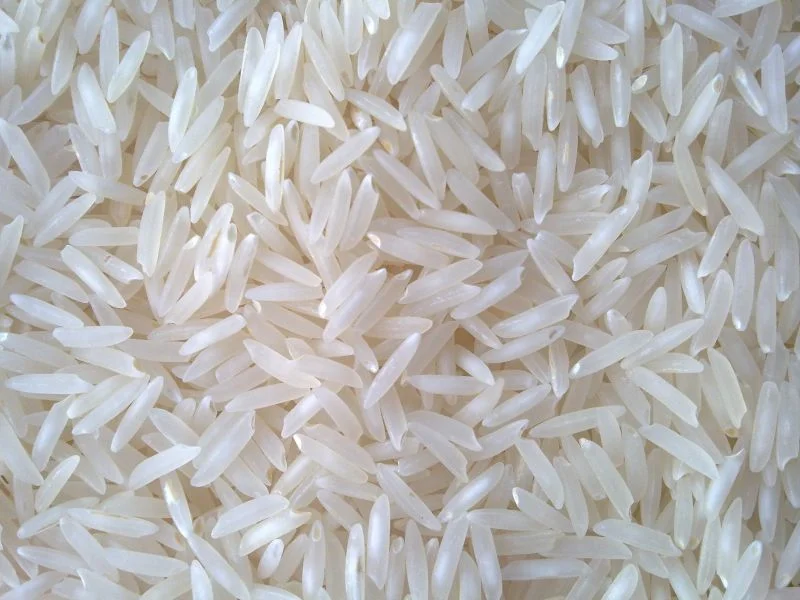
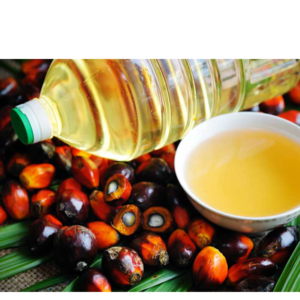
In the palm oil segment, Malaysian exporters typically supply crude palm oil (CPO) with free fatty acid (FFA) levels not exceeding 0.5 % and an iodine value between 55 and 70. Refined, bleached and deodorised (RBD) palm oil is often shipped with moisture below 0.1 % and conforms to the Singapore Standard SS 592. For white refined sugar, the industry standard is ICUMSA 45 grade, with moisture content under 0.1 % and ash below 0.04 %. Rice exports from Malaysia usually consist of long‑grain milled rice meeting USDA No. 2 specifications, with grain length 6.5 mm or more and moisture ≤14 %.
Diesel and diesel gasoil D2 are generally supplied to meet ASTM D975 or EN 590 specifications, featuring a cetane number of 48 - 55 and sulfur content limited to 10 ppm in many markets. JP54 jet fuel adheres to ASTM D1655, requiring a flash point above 38 °C and a freezing point below - 47 °C. LNG shipments are graded by methane content (>99.9 %) and are transported in insulated cryogenic containers. Typical packaging includes 20‑ft or 40‑ft containers for solid bulk, ISO‑tank containers for liquids, and specialized bulk carriers for large fuel volumes.
Trade and Export Information - I Biliion Global
Malaysia is one of the world’s leading exporters of palm oil, refined sugar, and bulk fuels, with shipments directed to the Asian, European and Middle‑East markets. Palm oil under HS 1510 is commonly demanded by China, India and the European Union, where buyers often require a Certificate of Origin and compliance with the EU Renewable Energy Directive. Refined sugar (HS 1701) is frequently purchased by North African and Middle‑Eastern importers who look for ICUMSA 45 certification and phytosanitary clearance.
Diesel and petroleum by‑products (HS 2710) are typically exported in bulk tankers to Africa and South‑East Asian countries, with buyers requesting COFA (Certificate of Fitness for the Intended Use) and ISO 9001 quality system documentation. LNG exports from Malaysia follow the International Maritime Organization’s (IMO) regulations for cryogenic cargo, and buyers often ask for a Safety Data Sheet (SDS) and proof of compliance with the API 5L pipeline standards. Standard Incoterms such as FOB Port Klang or CIF destination ports are widely used for these commodities.
Sourcing from I Biliion Global - Buyer Guidance
Prospective buyers should request a current Certificate of Analysis that details FFA, moisture, iodine value for palm oil, and ICUMSA grade and ash content for sugar. For rice, a mill test report confirming grain length, broken percentage and moisture is essential. Fuel products should be accompanied by a test report showing cetane number, sulfur level and flash point, along with an SDS and any applicable COFA documentation.
Verification of the supplier’s ISO certifications, phytosanitary certificates for agricultural goods, and export permits is standard practice before confirming a contract. Buyers are advised to specify packaging requirements - such as 25‑ton bulk bags for palm oil, 1‑ton sacks for sugar, or ISO‑standard tank containers for diesel - to align with logistics plans. Sample shipments of a representative batch are commonly arranged to validate quality parameters before full‑scale orders.
Frequently Asked Questions About I Biliion Global
What product categories does I Biliion Global list in its catalogue?
The catalogue includes palm oil, white refined sugar, rice, diesel, diesel gasoil D2, and a combined entry for JP54, LNG and D2.
Which HS codes are associated with the listed products?
Palm oil falls under HS 1510, white refined sugar under HS 1701, rice under HS 1006, diesel and related fuels under HS 2710, and jet fuel/LNG are also classified within HS 2710.
What typical quality specifications should buyers verify for palm oil?
Buyers usually check free fatty acid ≤ 0.5 %, moisture ≤ 0.1 %, iodine value 55‑70, and compliance with Singapore Standard SS 592 for RBD palm oil.
What certifications are commonly required for the sugar and rice products?
ICUMSA 45 certification for sugar and a mill test report confirming grain length, broken percentage and moisture ≤ 14 % for rice are standard; phytosanitary certificates are also typical.
Which documents are essential for diesel and JP54 purchases?
A test report showing cetane number (48‑55), sulfur ≤ 10 ppm, flash point, an SDS, and a COFA or ISO 9001 quality system certificate are normally requested.
What are the usual packaging formats for these commodities?
Palm oil is shipped in bulk bags or ISO tank containers, sugar in 25‑kg or 1‑ton sacks, rice in 25‑kg bags, diesel in ISO‑tank containers or bulk tanker ships, and LNG in cryogenic insulated containers.
Which Incoterms are typically used for shipments from Malaysia?
FOB Port Klang and CIF to the buyer’s destination port are the most frequently applied Incoterms for these exports.
What lead times can buyers expect for sample and full orders?
Sample deliveries generally take 2‑3 weeks after request, while full bulk orders often require 4‑6 weeks for production, documentation and container loading.




 , Malaysia