https://www.thaiorientalleather.com/ — Verified Manufacturer & Wholesale Supplier
About thaiorientalleather.com - Genuine Exotic Leather Goods Supplier in Thailand
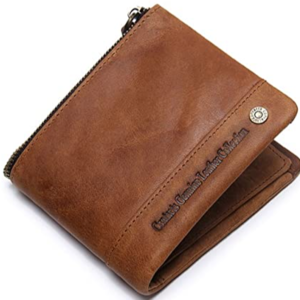
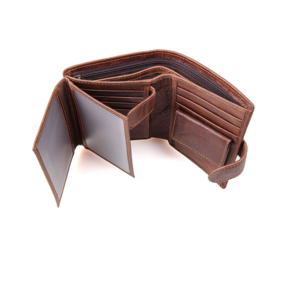
thaiorientalleather.com is a Bangkok, Thailand-based supplier listing 5 active products focused on finished goods made from genuine exotic skins, primarily belly crocodile leather. The catalogue spans four top categories: wallets/pouches/purses, traveling bags, handbags, and belts used as clothing accessories, with the listed items covering a white Himalayan crocodile duffle/luggage bag, a black crocodile tote/handbag, a black belly crocodile belt, and two black belly crocodile wallets. The product mix places the supplier within Thailand's well-established finished exotic-leather segment, where CITES-regulated crocodilian skins are converted into small leather goods, travel pieces, and accessories for both domestic and overseas buyers. All five listings fall under the same broad customs family used for articles of leather, specifically heading 4202 (trunks, suitcases, handbags, wallets and similar containers) and heading 4203 (articles of apparel and clothing accessories in leather), which together cover the luggage, handbag, wallet, and belt items shown.
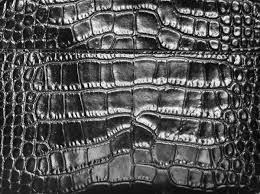
Thailand has been one of the world's principal commercial sources of farmed crocodilian leather for several decades, with the Bangkok area functioning as a long-standing centre for tanning, finishing, and assembly of small exotic-leather goods. The supplier's listed items reflect that positioning: belly-cut crocodile leather, a grade prized for its relatively flat, symmetrical scale pattern and used for higher-end wallets, belts, handbags, and travel bags, rather than the hornback or tail-cut variants more often seen on lower-priced pieces. The catalogue does not specify a country of origin for the raw skins beyond Thailand itself, and the active product count of 5 indicates a focused rather than broad-line offering within the exotic leather goods segment.
Product Range and Specialties of thaiorientalleather.com
The catalogue is built entirely around belly crocodile leather, with the 5 listed products covering four product families: a white Himalayan crocodile duffle/luggage bag, a black crocodile tote handbag, a black belly crocodile belt, and two black belly crocodile wallets. The colour spread is narrow - white Himalayan and black dominate - which is consistent with the most commercially demanded finishes for belly crocodile, where the symmetrical tile-like scale pattern is the primary visual selling point. Within the four top categories (wallets/purses, traveling bags, handbags, belts), buyers of exotic leather goods typically expect to see grade distinctions based on skin cut (belly, hornback, tail), tanning method (chrome-tanned for fashion pieces, vegetable-tanned for heavier goods), and finish (glossy/polished, matte, or hand-dyed antique), all of which materially affect price tier and end use.
Industry context for this category: genuine crocodile leather goods are commonly graded on scale size, scale regularity, symmetry across the panel, and absence of defects such as scars or scale lift. CITES (the Convention on International Trade in Endangered Species) governs international trade in crocodilian species, and the most commonly farmed commercial species, Caiman crocodilus and Crocodylus siamensis (the latter native to Thailand), are listed under CITES Appendix II, meaning cross-border shipments require the appropriate export permit from the country of origin. Buyers in this category should expect to encounter terms such as "matte finish," "glossy/buffed finish," "grade 1 belly," and species-specific naming (Nile crocodile, Siamese crocodile, Caiman, Alligator Mississippiensis), and should request clarification of the exact species, cut, and finish on every item.
Trade and Export Information - thaiorientalleather.com
Exotic leather goods in HS chapters 4202 (luggage, handbags, wallets) and 4203 (belts and clothing accessories) are typically imported by specialty retailers, luxury boutiques, and bespoke leather goods makers in North America, Western Europe, Japan, the broader GCC region, and increasingly East Asia outside Japan. For Thailand specifically, finished exotic leather articles are a recognised export category, and Bangkok has historically been both a tanning hub and a finishing/assembly hub for small leather goods destined for these markets. The two HS sub-families most relevant to the listed catalogue are 4202.11 / 4202.21 (trunks, suitcases, handbags with outer surface of leather) and 4203.30 (belts and bandoliers of leather), with wallets generally falling under 4202.31. Buyers should confirm the exact 6-digit HS code for each item at the time of enquiry, as classification can shift depending on whether the article is classed as a handbag, a wallet, or a travel container.
Logistics and documents commonly required for this category: a CITES export permit from Thailand's CITES Management Authority is required for any cross-border shipment containing crocodilian leather, and many importing jurisdictions also require a CITES import permit. Commercial documents typically include a commercial invoice, packing list, Certificate of Origin (Thailand issues both general and ASEAN-preference certificates), and a species declaration on the invoice. Air freight is standard for finished small leather goods of this type, with a typical 20 ft container holding a high unit count of wallets and belts but only a modest count of duffle bags and handbags due to volume. Incoterms commonly used in this trade segment are FOB Bangkok and CIF destination port, with EXW used where the buyer arranges its own Bangkok-based freight forwarder.
Sourcing from thaiorientalleather.com - Buyer Guidance
Practical buyer guidance for sourcing from this supplier: confirm the exact CITES-listed species used on each item (Siamese crocodile, Caiman, Alligator Mississippiensis, or Nile crocodile are the species most commonly seen in Thai production), the cut (belly vs hornback vs tail), the finish (matte, polished, hand-dyed), and the tanning method, and ask for a CITES export permit to be supplied with the shipment. Request a pre-shipment sample of the specific item before confirming volume orders, since belly crocodile grading varies considerably between pieces and a single photograph can misrepresent scale regularity and colour depth. For wallets, belts, and small accessories, ask for interior lining material, edge finish (painted, burnished, or stitched), and hardware specification (zipper brand, buckle metal and finish), all of which materially affect the end product's retail positioning.
Verification steps worth completing before placing an order: ask for the supplier's Thai company registration documents and confirm that the CITES permit issuing authority on any sample shipment matches Thailand's Department of National Parks, Wildlife and Plant Conservation. For the duffle/luggage bag specifically, request the internal dimensions in cm, the lining material, the weight of the finished piece, and the hardware specification, as these are the parameters that distinguish a premium travel piece from a mid-market one. Typical MOQ for finished exotic leather small goods from Thai suppliers is low (often 1 to 5 pieces per SKU for bespoke items and 10 to 50 pieces for stock items), but this should be confirmed directly. Lead time for made-to-order items is commonly 30 to 60 days depending on the piece and finish complexity, with stock items shipping within 7 to 14 days.
Frequently Asked Questions About https://www.thaiorientalleather.com/
What species of crocodile does thaiorientalleather.com use on its listed products?
The catalogue does not state the species explicitly. Buyers should request species confirmation on every item, as the most common species in Thai production are Crocodylus siamensis (Siamese crocodile) and Caiman crocodilus, both CITES Appendix II and requiring an export permit from Thailand for cross-border shipment.
Which HS codes apply to the wallets, handbags, luggage bags, and belts in this catalogue?
Finished leather wallets typically classify under HS 4202.31, handbags and totes under 4202.21 or 4202.11 depending on construction, luggage and duffle bags under 4202.11 / 4202.21, and leather belts under 4203.30. Confirm the exact 6-digit code with Thai customs or your broker at the time of enquiry.
What CITES documentation should I request before ordering?
Request a copy of the Thailand CITES export permit issued by the Department of National Parks, Wildlife and Plant Conservation, and confirm the species, quantity, and item description on the permit match the shipment. Many importing countries also require a CITES import permit, which the buyer must arrange in their own country before shipment.
What is the typical MOQ and lead time for finished exotic leather goods from a Bangkok supplier?
MOQ for stock items is commonly 10 to 50 pieces per SKU, while bespoke pieces can often be ordered from 1 to 5 pieces. Lead time is typically 7 to 14 days for stock items and 30 to 60 days for made-to-order pieces, depending on the finish and hardware specification.
Which specifications should I request on the belly crocodile leather used?
Ask for confirmation of the cut (belly, hornback, or tail), the tanning method (chrome or vegetable), the finish (matte, polished, hand-dyed antique), and the scale size and regularity. Belly cut is the grade most associated with the symmetrical tile-like pattern visible on the listed wallets, belt, handbag, and duffle bag.
What packaging and shipping norms apply to finished exotic leather goods exported from Bangkok?
Each item is typically wrapped in acid-free tissue, placed in a branded or neutral dust bag, and packed in a corrugated export carton with foam corner protection. Air freight is standard for small leather goods; sea freight in 20 ft containers is used for larger volume orders of wallets and belts. Incoterms FOB Bangkok and CIF destination port are most common.
Which buyer regions typically import Thai finished exotic leather goods?
The principal import markets for finished Thai exotic leather goods are specialty retailers and luxury boutiques in North America, Western Europe (notably Italy, France, Germany, and the UK), Japan, the GCC countries, and East Asia outside Japan. Wholesale and bespoke buyers in these regions typically order mixed containers of wallets, belts, handbags, and small travel pieces.
What quality parameters should I check on a pre-shipment sample?
Inspect scale regularity and symmetry across the panel, absence of scars or lifted scales, edge finish (painted, burnished, or stitched), interior lining material, and hardware specification (zipper brand, buckle metal and finish). For the duffle bag specifically, verify internal dimensions in cm, lining, finished weight, and the strength of the handle attachment points.




 , Thailand