Hoihanh Galvanized Wire Enterprise — Supplier
About Hoihanh Galvanized Wire Enterprise - Steel Wires Supplier in Viet Nam
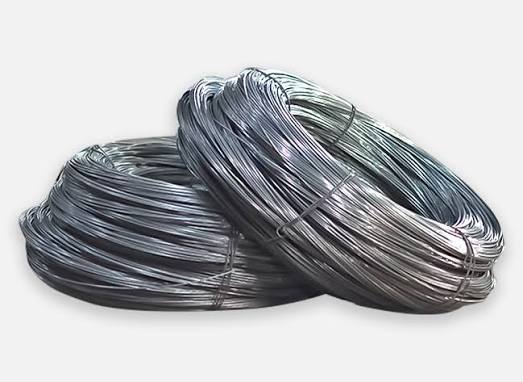
Vietnam hosts Hoihanh Galvanized Wire Enterprise, a supplier that currently lists six distinct galvanized wire products in its catalogue. The catalogue covers hot‑dip galvanized low carbon steel wire items ranging from 2.5 mm to 3.0 mm diameter, all classified under HS chapter 72 with the code 7217.20, which applies to steel wire products coated or plated with zinc. The listed products include a high‑quality galvanized wire, variants specified as 2.5 mm (Grade CB240 / SAE 1008), 2.7 mm, and 3.0 mm, as well as several entries labelled “Ex Prices” that repeat the same material description of low carbon steel with hot‑dip zinc coating. One entry does not provide an HS code or material detail, but it is presented alongside the other 7217.20 items.
The supplier’s top categories are recorded as Steel Wires and Ropes, Twines, indicating a focus on wire‑based products rather than finished rope assemblies. All six items are described as galvanized wire, a product commonly used for fencing, agricultural support, and construction reinforcement. The catalogue does not mention any certifications, production capacity, or export destinations, limiting the factual scope to the product specifications and HS classification provided.
Product Range and Specialties of Hoihanh Galvanized Wire Enterprise
The catalogue offers six galvanized wire products, each identified by diameter and material composition. The 2.5 mm wire is specified as Galvanized Low Carbon Steel, Grade CB240 / SAE 1008, while the 2.7 mm and 3.0 mm wires are described as low carbon steel (Q195/Q235) with hot‑dip zinc coating or generic hot‑dip galvanized low carbon steel. All items fall under HS code 7217.20, the standard tariff line for steel wire, rod or bar, plated or coated with zinc.
In the broader steel wire market, hot‑dip galvanized wires are typically produced to meet ASTM A1011 (Standard Specification for Steel Wire) or EN 10270 (Steel wire for general purposes). Common quality grades include tensile strengths of 300 - 500 MPa and elongation of 20‑30 %. Buyers often request compliance with ISO 9001 quality management and may ask for test certificates confirming coating thickness (usually 45 - 120 µm) and corrosion resistance. Wire is usually supplied in coils or spooled on pallets, with a typical coil weight of 500 kg to 1 ton, fitting into a 20‑ft container at 10‑12 tons total.
Trade and Export Information - Hoihanh Galvanized Wire Enterprise
Vietnam is a significant exporter of hot‑dip galvanized steel wire, leveraging its low‑cost steel production and proximity to major Asian construction markets. The HS code 7217.20 is routinely inspected under customs regimes that may require a pre‑shipment inspection (PSI) or a certificate of origin, especially for shipments to the European Union, United States, and Middle East. Importers in these regions often require compliance with EN 10270 or ASTM A1011, and may request third‑party inspection reports from SGS, Bureau Veritas, or Intertek.
Typical destination markets for Vietnamese galvanized wire include Southeast Asian countries (Thailand, Indonesia), East Asian manufacturers (China, South Korea), and construction‑heavy regions such as the Gulf Cooperation Council (UAE, Saudi Arabia) and Eastern Europe. Logistics commonly use 20‑ft or 40‑ft containers, with loading in bulk coils or bundled packs. Incoterms such as FOB Ho Chi Minh City or CIF Dubai are frequently applied, and buyers usually arrange for pre‑shipment quality verification to satisfy local building code requirements.
Sourcing from Hoihanh Galvanized Wire Enterprise - Buyer Guidance
When sourcing galvanized wire from Hoihanh Galvanized Wire Enterprise, buyers should request material test reports that specify carbon content, tensile strength, and zinc coating thickness, referencing ASTM A1011 or EN 10270 standards. Samples of each diameter (2.5 mm, 2.7 mm, 3.0 mm) should be examined for uniform coating, absence of rust, and dimensional tolerance (typically ±0.05 mm).
Buyers are advised to verify the supplier’s compliance with any required certifications such as ISO 9001 or CE marking for the specific market, and to obtain a certificate of origin and HS code verification for customs clearance. Confirm packaging details - coil weight, pallet dimensions, and container loading plan - to ensure the shipment matches the buyer’s logistics capacity and that any required pre‑shipment inspection can be scheduled.
Frequently Asked Questions About Hoihanh Galvanized Wire Enterprise
What types of galvanized wire does Hoihanh Galvanized Wire Enterprise list in its catalogue?
The catalogue lists six items, including 2.5 mm, 2.7 mm, and 3.0 mm hot‑dip galvanized low carbon steel wires, all classified under HS code 7217.20.
Which HS code applies to the listed products?
All products that provide an HS code are recorded under 7217.20, the tariff heading for steel wire, rod or bar, plated or coated with zinc.
What material specifications are given for the 2.5 mm wire?
It is described as Galvanized Low Carbon Steel, Grade CB240 / SAE 1008, indicating a low‑carbon steel base with a hot‑dip zinc coating.
Are there any certifications mentioned for the supplier?
No certifications are listed in the supplied facts; buyers should request copies of any quality management certificates such as ISO 9001 if required.
What typical quality standards apply to hot‑dip galvanized wire?
Industry standards include ASTM A1011 and EN 10270, which define tensile strength (300‑500 MPa), coating thickness (45‑120 µm), and elongation limits.
What packaging formats are common for these wire products?
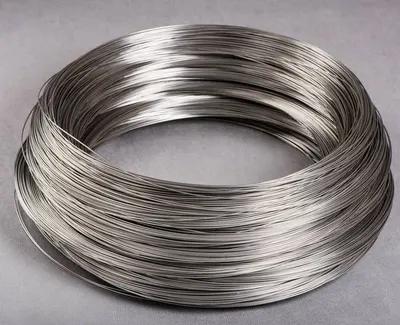
Galvanized wire is usually shipped in coils weighing 500 kg to 1 ton, placed on wooden pallets, and consolidated into 20‑ft or 40‑ft containers.
Which markets commonly import Vietnamese galvanized wire?
Key import markets are Southeast Asian neighbors, China, South Korea, the Gulf Cooperation Council states, and Eastern European construction sectors.
What documentation should a buyer request before placing an order?
Buyers should ask for a material test certificate, coating thickness report, certificate of origin, and any relevant inspection reports or certifications required by the destination country.




 , Viet Nam