Hindustan Marketing Company — Verified Supplier
About Hindustan Marketing Company - Rice Supplier in India
India hosts Hindustan Marketing Company, which currently lists 17 distinct products across its catalogue. The supplier’s portfolio spans staple grains such as rice, wheat and corn, various starch derivatives, a range of spices, cashew nuts, and food‑processing equipment. The product set includes raw commodities (e.g., Basmati rice, jasmine rice, dry corn) and value‑added items (e.g., tapioca sago, fried chips, turmeric powder). The catalogue also features machinery for tapioca starch and sago processing. All items are classified under the relevant HS‑code families for agricultural and food‑processing goods.
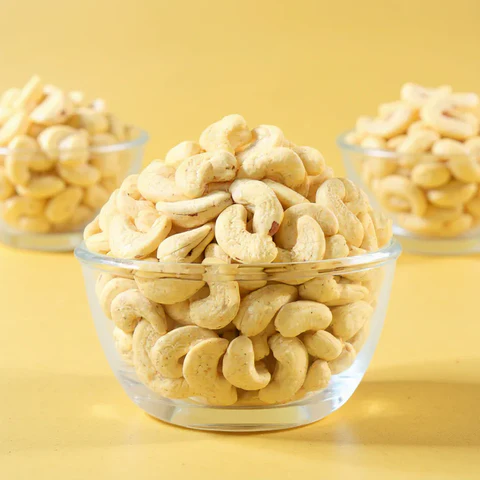
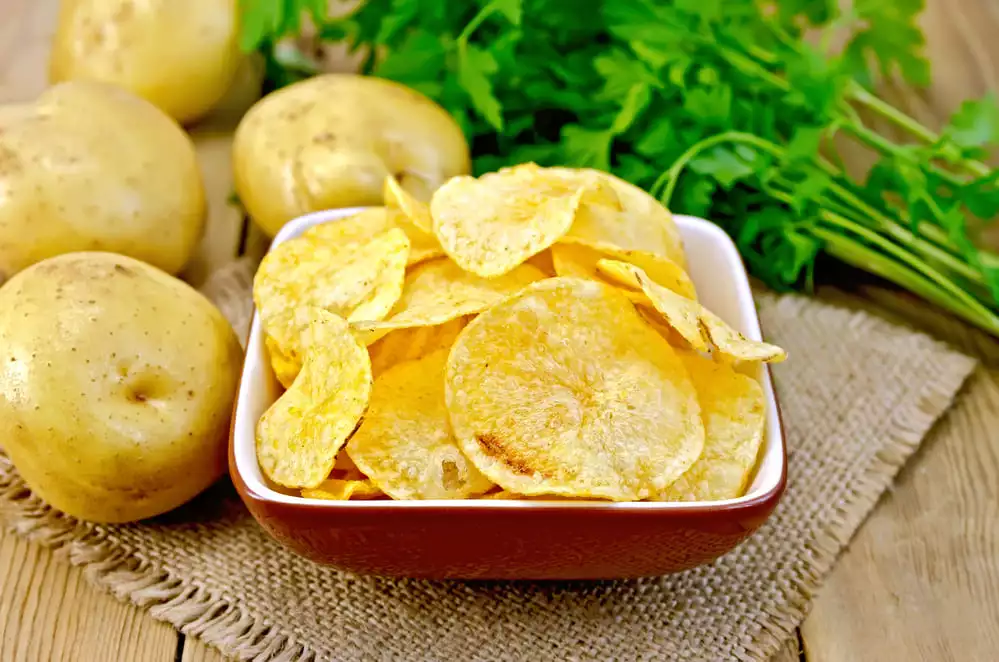
The listed items comprise tapioca sago, maize starch, multiple rice varieties (boiled Ponni, Basmati, parboiled, jasmine), wheat and wheat flour, dry corn, turmeric and turmeric powder, cashew nuts, and snack products such as tapioca fried chips and chips. Processing equipment includes tapioca starch processing machines and tapioca sago processing machines. Each product is presented without explicit certification claims in the supplied data. The catalogue reflects a focus on both raw agricultural output and downstream processing solutions. Buyers can therefore source either primary commodities or the machinery needed to convert them.
Product Range and Specialties of Hindustan Marketing Company
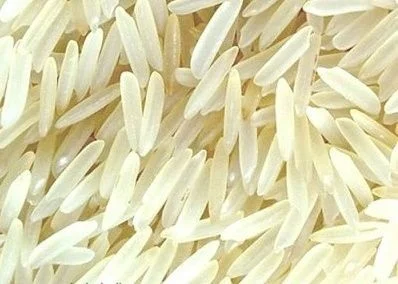
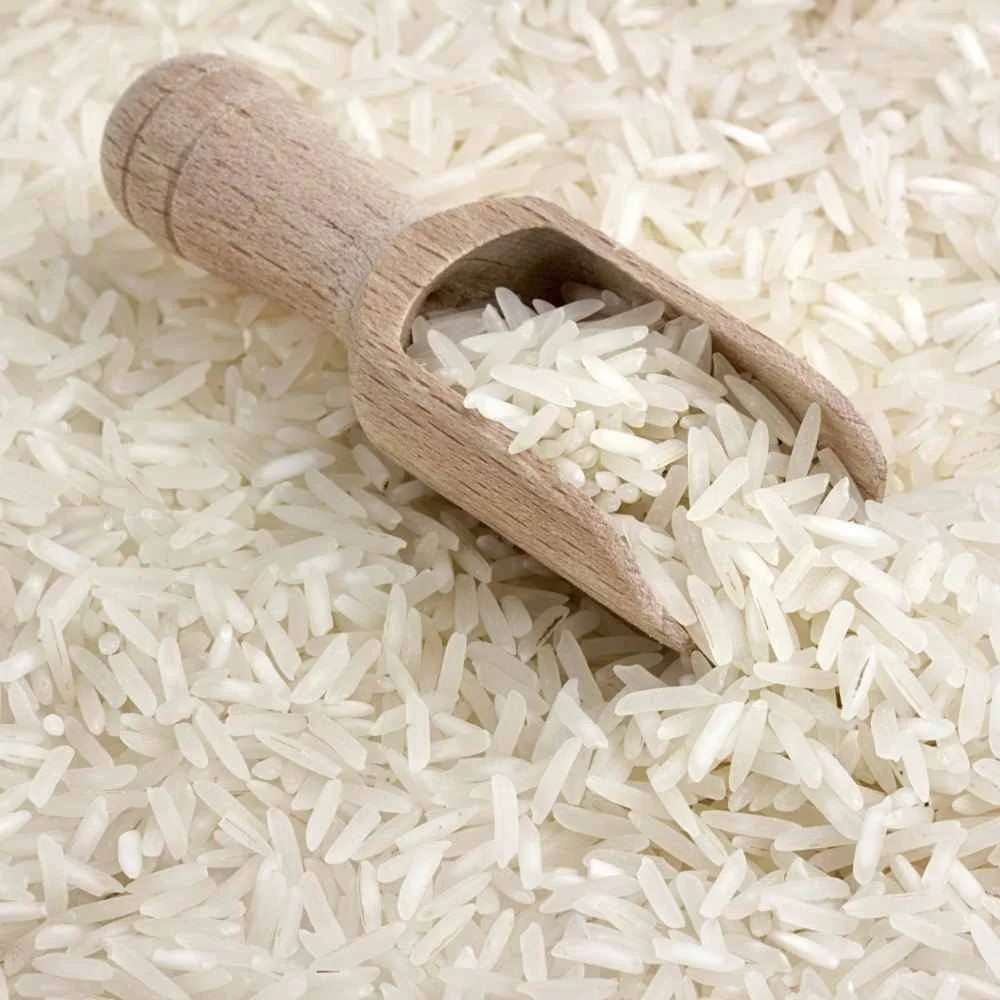
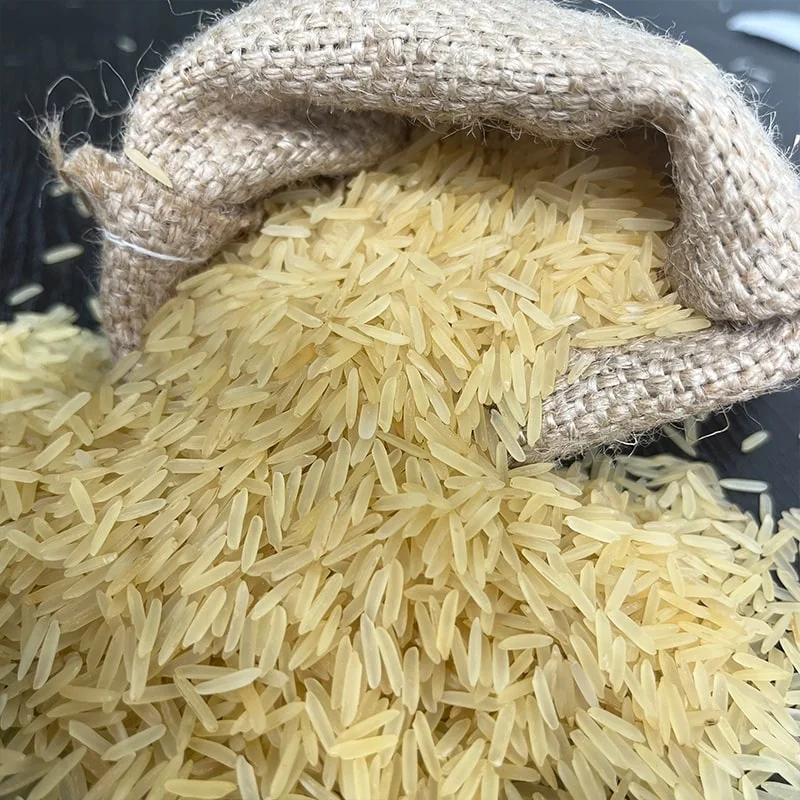
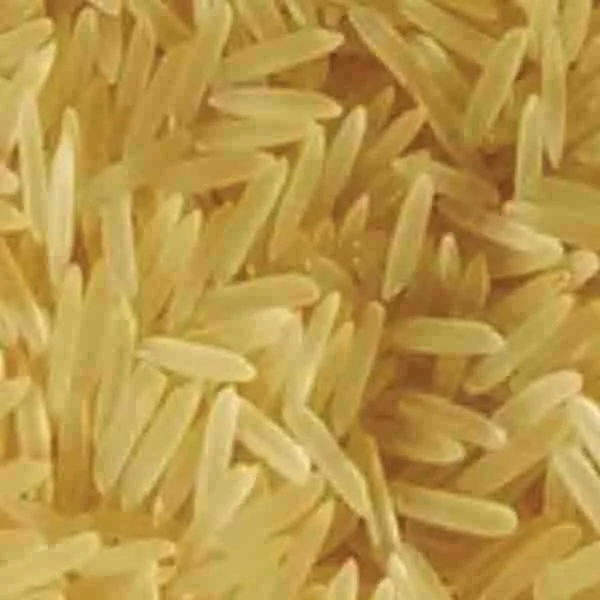
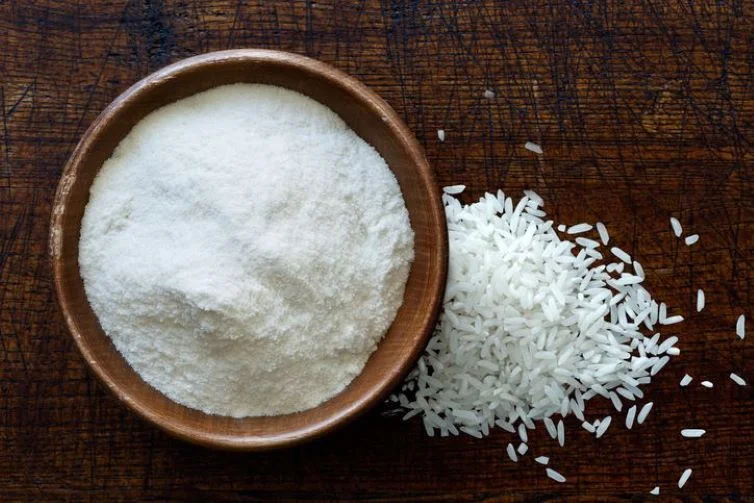
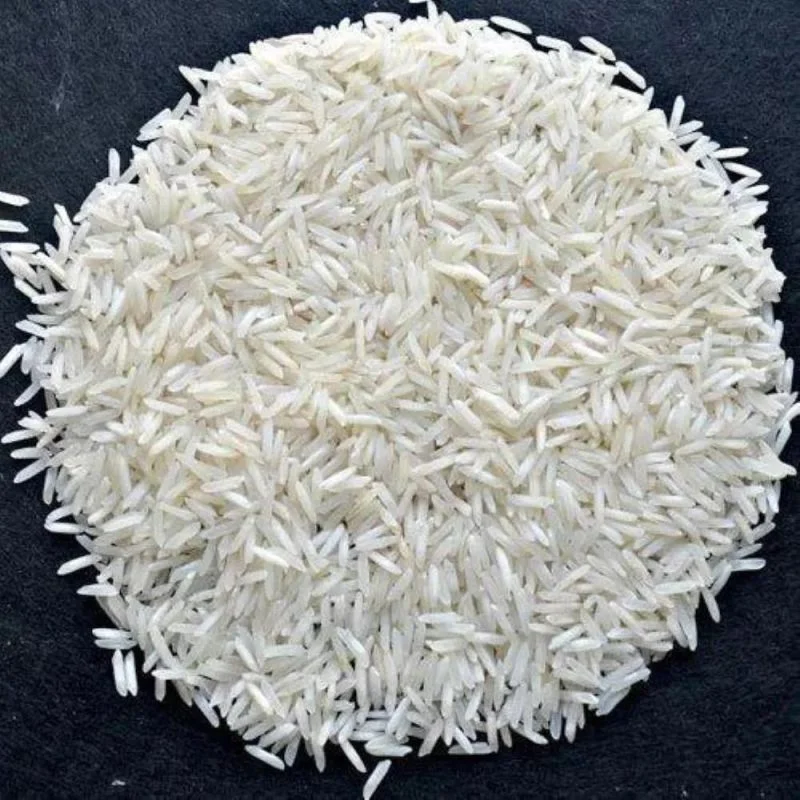
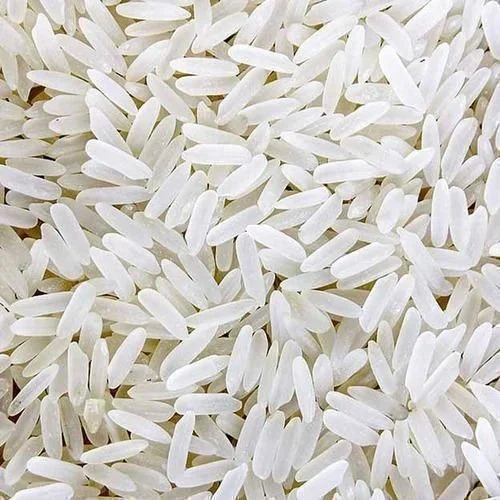
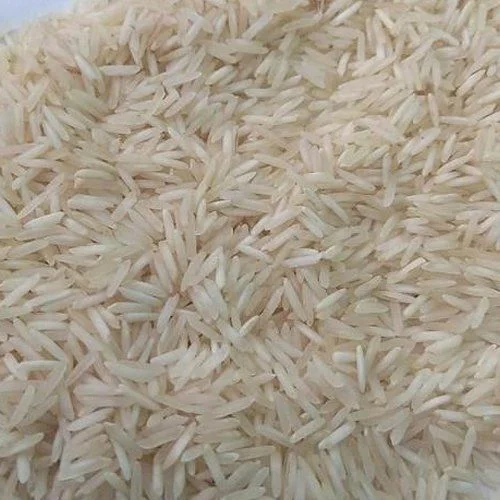
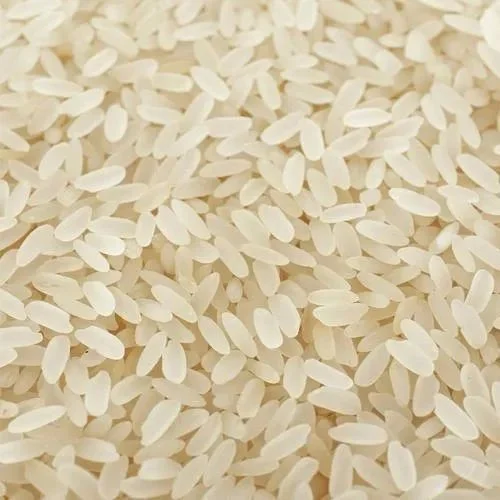
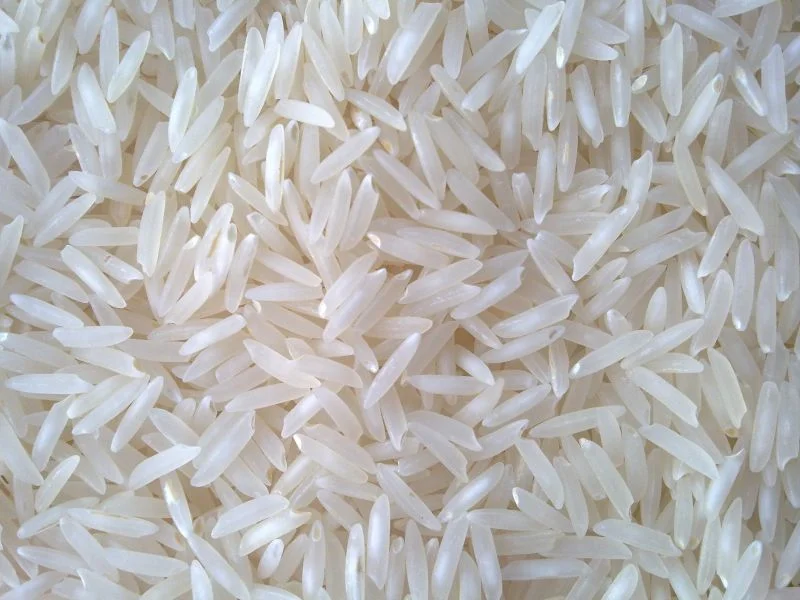
The rice line covers aromatic jasmine and long‑grain Basmati, both of which are commonly graded by head‑rice recovery and broken‑grain percentage; export‑grade Basmati typically meets a head‑rice recovery above 80 % and moisture below 14 %. Parboiled and boiled Ponni varieties are usually evaluated for kernel integrity and gelatinization depth, with standard moisture limits of 13‑14 %.
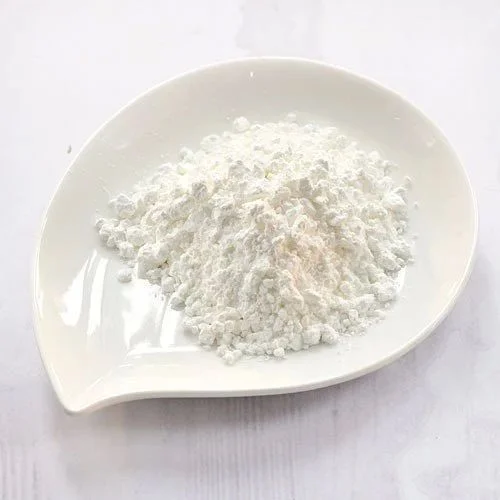
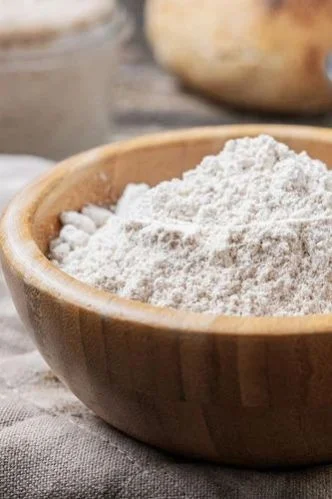
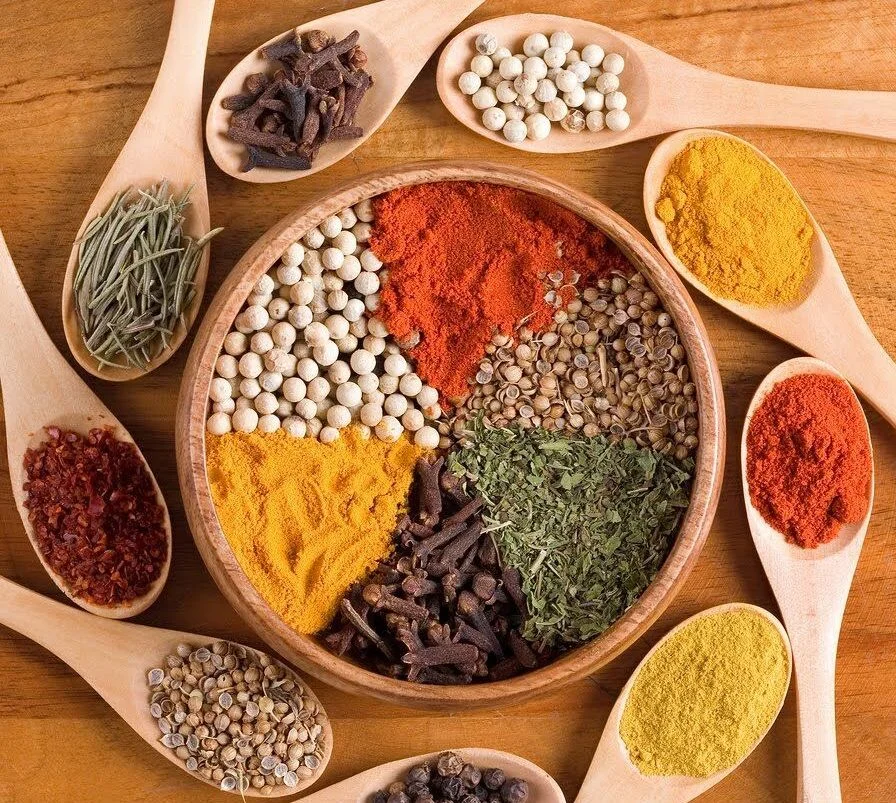
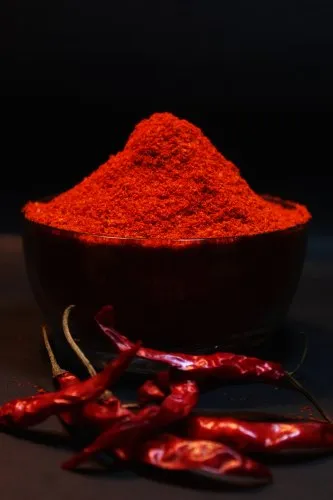
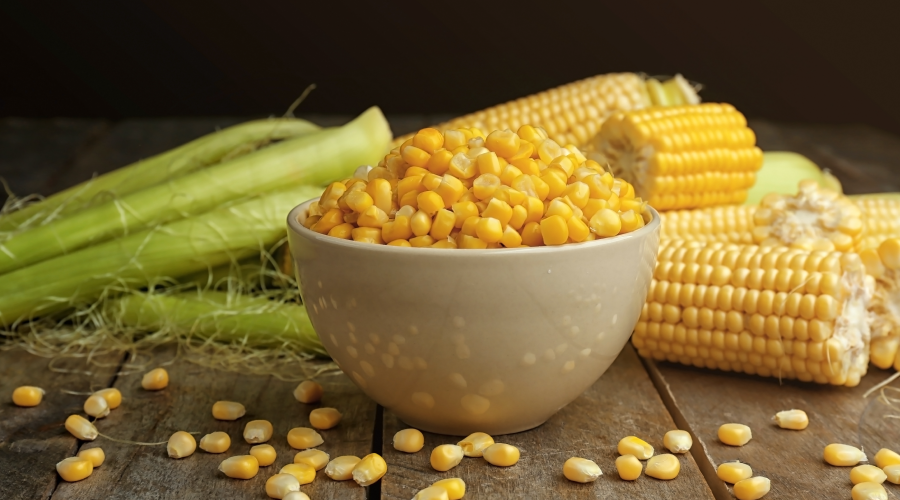
Maize starch and tapioca starch are generally supplied with a minimum purity of 98 % dry matter, low ash content (<0.2 %), and moisture below 12 %, matching the specifications cited in HS chapter 11. Wheat and wheat flour are often classified by protein content (10‑12 % for bread‑making flour) and extraction rate, while dry corn is traded with moisture under 14 % and uniform kernel size. Turmeric powder is typically graded by curcumin content (3‑5 %) and low lead levels, and cashew nuts are exported with kernel size ≥10 mm and moisture under 5 %.
Trade and Export Information - Hindustan Marketing Company
India is a major exporter of rice, wheat, maize starch and cashew nuts, with the primary markets in the Middle East, Africa, Southeast Asia and the European Union. HS‑code 1006 (rice), 1001 (wheat), 1005 (corn), 1106.30 (tapioca starch) and 0801 (cashew nuts) are the common tariff headings used for customs clearance.
Importers of these commodities usually require food‑safety certifications such as ISO 22000, HACCP, and, for Indian exporters, FSSAI registration. Additional documents often include a phytosanitary certificate, a certificate of origin, and a commodity‑specific analysis report (e.g., moisture, pesticide residues, aflatoxin for nuts). Logistics typically involve 20‑foot or 40‑foot containers for dry bulk goods, with CIF or FOB terms prevailing in the trade lanes from Indian ports such as Mumbai and Chennai.
Sourcing from Hindustan Marketing Company - Buyer Guidance
When sourcing rice or wheat from Hindustan Marketing Company, buyers should request a mill test report that details moisture, broken‑grain percentage, and any pesticide‑residue limits. For starch products, a certificate of analysis confirming purity, moisture, and viscosity (e.g., 1500 cP at 20 °C for tapioca starch) is standard practice.
Potential purchasers of processing machinery should obtain the equipment specification sheet, CE or IEC compliance certificates, and a list of spare parts. Verifying the machine’s capacity (e.g., 2 tonnes per hour for tapioca starch processing) and power requirements helps align the purchase with production plans. Samples of finished tapioca chips or cashew nuts can be requested to assess sensory quality and compliance with grade specifications before placing a bulk order.
Frequently Asked Questions About Hindustan Marketing Company
What HS codes apply to the rice varieties offered?
Rice products such as Basmati, jasmine, parboiled and boiled Ponni fall under HS code 1006, which covers milled or polished rice.
Which quality certificates should I ask for with the starch products?
Buyers typically request a Certificate of Analysis showing ≥98 % dry‑matter purity, moisture ≤12 %, and compliance with ISO 22000 or HACCP food‑safety standards.
Are phytosanitary certificates required for the cashew nuts?
Yes, most importers of cashew kernels (HS 0801) require a phytosanitary certificate confirming the nuts are free from pests and meet the destination country’s plant‑health regulations.
What is a common minimum order quantity for dry corn?
Exporters often set a MOQ of one 20‑foot container, roughly 20 metric tonnes, but the exact quantity can be negotiated depending on the buyer’s logistics.
How is the moisture content controlled for wheat and wheat flour?
Wheat and wheat flour are generally shipped with moisture not exceeding 13‑14 % for wheat kernels and 12 % for flour, as verified by a lab moisture test.
What documentation is needed for the food‑processing machines?
Request the equipment data sheet, CE or IEC conformity certificate, warranty terms, and any applicable export‑control clearance documents.
Which regions most frequently import Indian turmeric powder?
Turmeric powder (HS 0904) is commonly exported to the Middle East, North Africa, the United States and the European Union, where buyers often require compliance with EU maximum residue limits.




 , India