Hela Nature Foods (Private) Limited — Verified Supplier
About Hela Nature Foods (Private) Limited - Spices Supplier in Sri Lanka
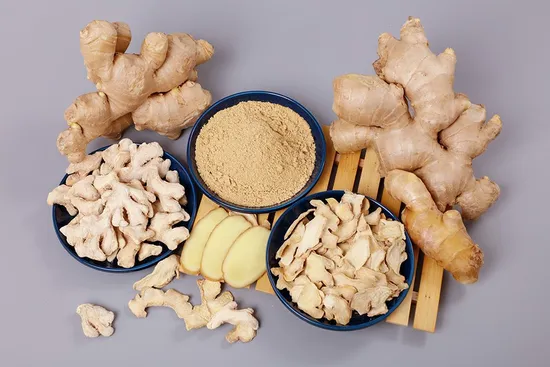
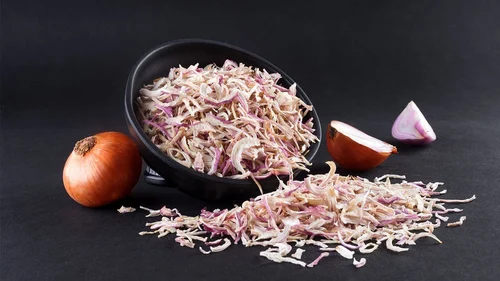
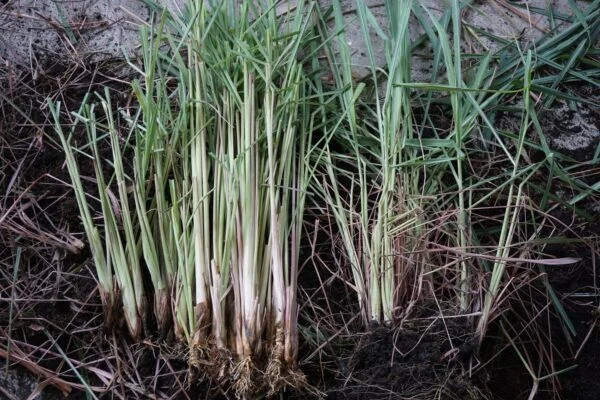
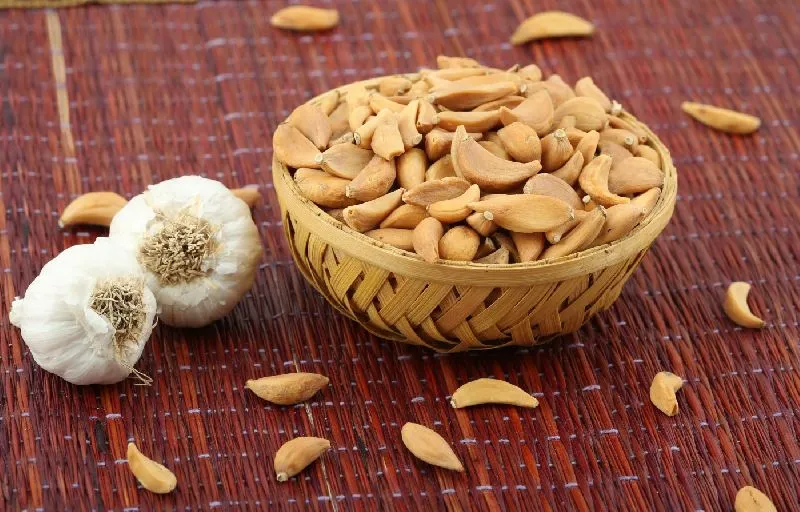
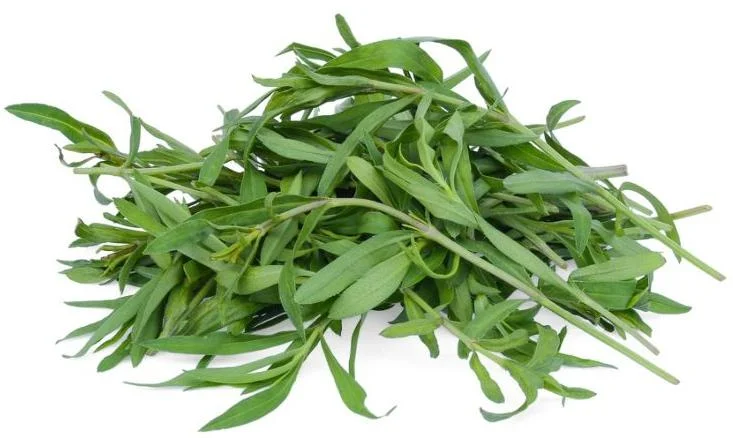
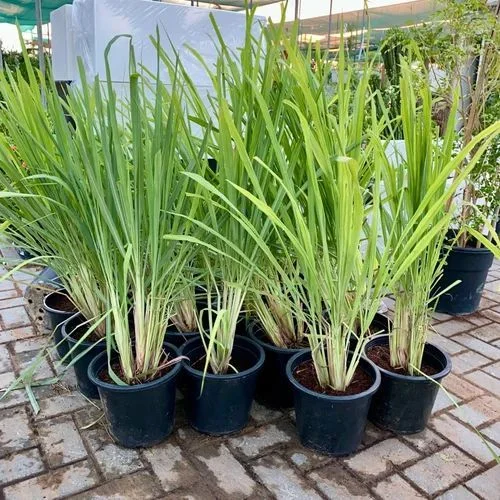
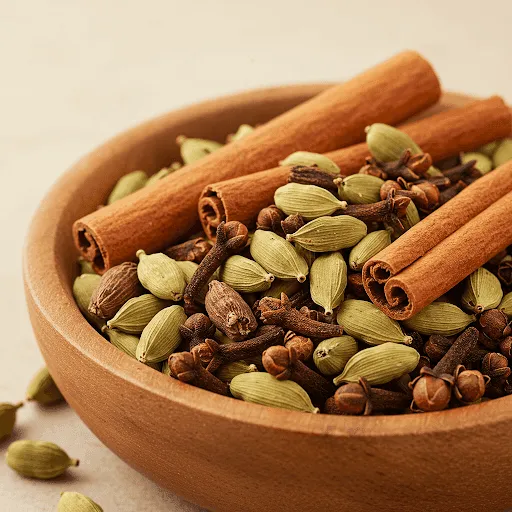
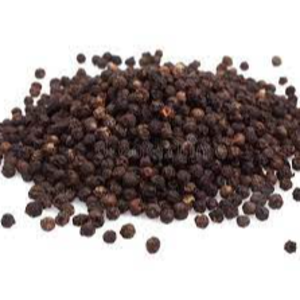
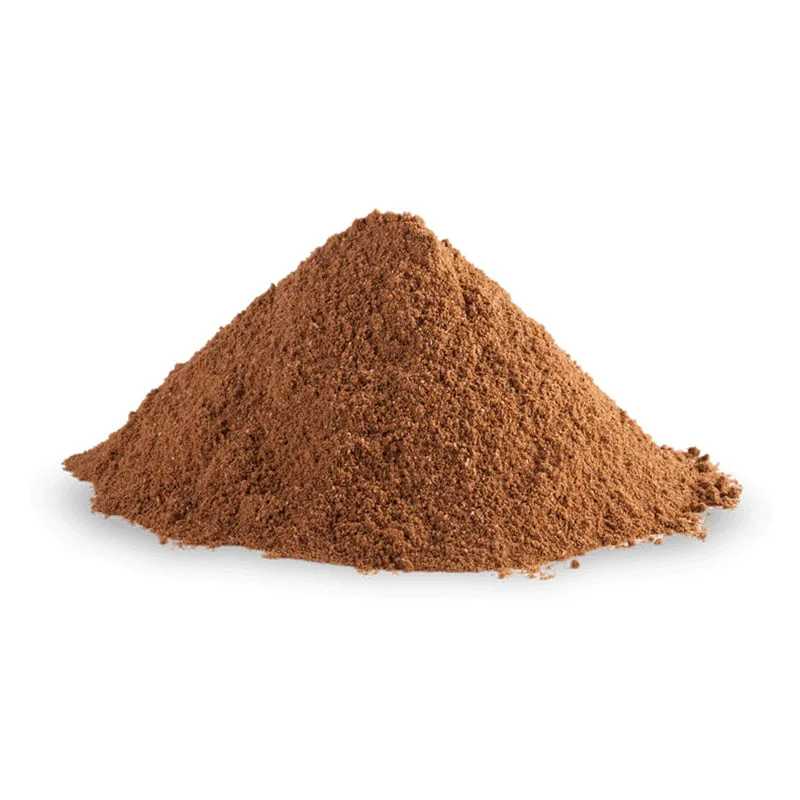
Sri Lanka, a major producer of tropical spices, hosts Hela Nature Foods (Private) Limited, which lists 23 distinct products in its catalogue. The company’s offering spans a variety of whole and powdered spices, dried herbs, and specialty plant extracts. Products include pure king coconut water, cinnamon, cardamom, cloves, coriander seeds, cumin, curry powder, dried curry leaves, dried lemon, fennel seeds, fenugreek seed, garlic, ginger, lemongrass, mustard, nutmeg, onion, pepper, turmeric, butterfly pea flower, Gotukola, hibiscus flower and red rose. These items fall under the HS chapter 09 family for spices, aromatic herbs and vegetable extracts. The catalogue reflects both common culinary spices and region‑specific botanicals used in South Asian food and beverage formulations.
The top‑level categories identified for the supplier are Black Cardamom, Coconut Water & Coconut Milk, Cloves, Coriander Seeds, Cumin Seeds, Spices Powder, Curry Leaves and Dehydrated Vegetables. Within this set, the company provides whole seeds (e.g., coriander, cumin, mustard), ground powders (curry powder, turmeric) and dried leaf material (curry leaves, Gotukola). The inclusion of pure king coconut water adds a non‑spice beverage product that is classified under HS 2004 for fruit juices. All listed items are sourced from Sri Lankan agricultural zones, primarily the central highlands and coastal regions.
Product Range and Specialties of Hela Nature Foods (Private) Limited
The spice portfolio follows typical industry grades such as ISO 9235 for spices and ISO 22000 for food safety. Ground spices like curry powder and turmeric are commonly sold with moisture content not exceeding 12 % and ash content under 5 %. Whole seeds such as coriander and cumin usually meet size specifications of 3 - 6 mm length and essential‑oil content of 0.5 - 1.5 % for coriander, 2 - 3 % for cumin. Dried herbs like curry leaves are graded by colour, leaf integrity and moisture below 10 %. Coconut water is generally packaged in Tetra Pak cartons meeting HACCP standards, with a typical Brix of 4 - 6 %.
In global trade, spices are classified under HS 0905 (cinnamon, cloves, nutmeg, pepper) and HS 0906 (coriander, cumin, fennel, mustard). Sri Lankan exporters often label products with the “Sri Lanka Spice” geographical indication, which is recognized by the EU as a protected name for certain varieties. Buyers frequently request certificates of analysis covering microbial limits (e.g., total plate count <10 000 cfu/g), pesticide residues below EU maximum residue limits, and aflatoxin levels under 10 ppb.
Trade and Export Information - Hela Nature Foods (Private) Limited
Sri Lanka exports spices primarily to the Middle East, the European Union, the United States and Southeast Asian markets. Shipping is typically performed in 20‑ft or 40‑ft containers, with a 20‑ft container holding roughly 1 ton of dried spices and a 40‑ft container up to 2 tons, depending on bulk density. Common Incoterms used are FOB Colombo and CIF Dubai. Export documentation regularly includes a phytosanitary certificate, a certificate of origin, and where applicable, an organic certification.
Regulatory requirements for spices include compliance with Codex Alimentarius standards for microbial limits, heavy metals and pesticide residues. Importing countries often require ISO 9001 quality‑management certification and HACCP plans. For coconut water, the FDA Food Safety Modernization Act (FSMA) and EU food‑hygiene regulations apply, with a need for a valid health certificate and lab‑tested Brix values. Buyers should verify that packaging meets ASTM D4169 for transport durability.
Sourcing from Hela Nature Foods (Private) Limited - Buyer Guidance
When sourcing from Hela Nature Foods, buyers should request a recent Certificate of Analysis for each spice, confirming moisture, ash, essential‑oil and contaminant levels. Samples are usually provided in 100 g sealed bags, and lab reports should reference the relevant ISO or Codex specifications. Verification of HACCP implementation and, if required, organic certification (e.g., USDA Organic or EU Organic) is advisable before confirming larger orders.
Potential purchasers should also confirm the HS code declared on the commercial invoice matches the product category (e.g., HS 0905 for cinnamon). Minimum order quantities for bulk spices typically start at 500 kg per container, though smaller 25 kg cartons are common for specialty herbs. Lead times for dried spices range from 30 to 45 days after order confirmation, while coconut water in Tetra Pak may require 20 days due to shelf‑life constraints.
Frequently Asked Questions About Hela Nature Foods (Private) Limited
What product categories does Hela Nature Foods offer?
The catalogue lists 23 items covering whole and powdered spices, dried herbs, specialty flowers and coconut water. These are grouped under categories such as Black Cardamom, Cloves, Coriander Seeds, Cumin Seeds, Spices Powder, Curry Leaves and Dehydrated Vegetables.
Which HS codes are applicable to the listed spices?
The spices fall under HS chapter 09, with common codes 0905 for cinnamon, cloves, nutmeg and pepper, and 0906 for coriander, cumin, fennel, mustard and related seeds. Coconut water is classified under HS 2004 for fruit juices.
What quality certifications are typically required for these spices?
Buyers usually request ISO 9001, ISO 22000 or HACCP certification, a Certificate of Analysis meeting Codex limits for moisture, microbial load and pesticide residues, and, when applicable, organic or geographical‑indication certificates.
How are the spices packaged for export?
Dried spices are generally packed in food‑grade polyethylene bags (e.g., 25 kg or 1 ton bulk bags) with inner liners. Coconut water is supplied in Tetra Pak cartons of 1 L or 500 mL, all sealed to prevent moisture ingress.
What are typical minimum order quantities and lead times?
Bulk spices often have a MOQ of 500 kg per shipment, with lead times of 30 - 45 days. Smaller specialty herbs can be ordered in 25 kg cartons with a 20‑day lead time. Coconut water orders usually require a 20‑day production window.
Which markets commonly import Sri Lankan spices?
Major importers include the United Arab Emirates, Saudi Arabia, the United Kingdom, Germany, the United States and Japan, where the products are used in food processing, restaurant supply and specialty beverage manufacturing.
What documentation should a buyer request before placing an order?
Buyers should obtain a commercial invoice with the correct HS code, a phytosanitary certificate, a certificate of origin, a recent Certificate of Analysis, and any relevant HACCP or organic certificates.




 , Sri Lanka