Guangzhou Bidifu Plastic Co., Ltd. — Supplier

About Guangzhou Bidifu Plastic Co., Ltd. - Packaging Items & Containers Supplier in China

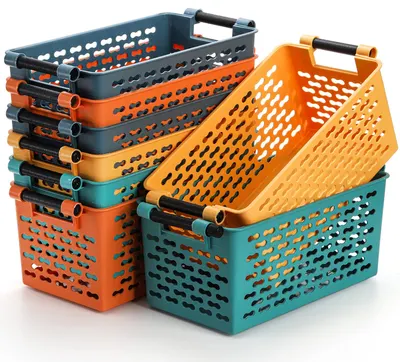
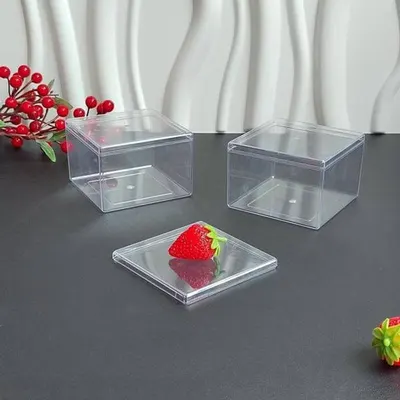
Guangzhou Bidifu Plastic Co., Ltd. operates from Guangzhou, China and currently lists five active products in its online catalogue. The catalogue is focused on packaging items and containers, specifically foldable plastic crates, plastic pallets and foldable plastic containers. Each product is described using the generic terminology employed by the supplier, without reference to any proprietary branding. The product set falls under the broader HS chapter 39 that covers plastic articles, a common classification for such items in international trade.

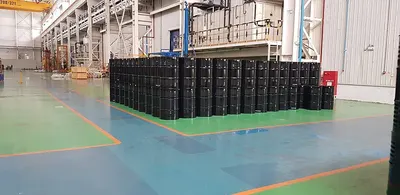
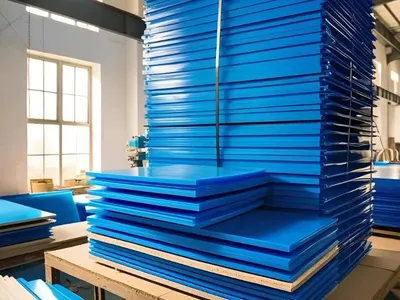
The supplier’s portfolio includes the Foldable plastic crates FC6042, generic Foldable plastic crates, two entries for Bidifu plastic pallets (one labelled as a pallet and another as a pallet), and the Bidifu foldable plastic containers. All items are manufactured from thermoplastic polymers such as polypropylene (PP) or high‑density polyethylene (HDPE), which are standard materials for reusable industrial crates and pallets. The catalogue does not specify dimensions or load ratings, but the product names indicate they are designed for collapsible handling and stackable storage.

Product Range and Specialties of Guangzhou Bidifu Plastic Co., Ltd.

The five listed items cover the principal segments of reusable plastic packaging: rigid foldable crates, modular pallets and container units that can be collapsed for return logistics. In the industry, foldable crates are typically produced in grades such as HDPE with a melt flow index (MFI) of 7 - 12 g/10 min, providing impact resistance and a load capacity ranging from 300 kg to 1 000 kg depending on wall thickness. Plastic pallets are commonly manufactured from PP or HDPE, featuring a load rating of 800 kg to 1 500 kg and complying with the European Pallet Association (EPAL) dimensions when required. Containers designed for bulk goods often meet ISO 20957‑1 standards for durability and may include venting features for moisture‑sensitive cargo. Buyers usually request specifications such as dimensions (L × W × H in mm), weight, and maximum stacking load when evaluating these products.

Typical industry specifications for these categories include UV‑stabilised grades for outdoor exposure, food‑grade certification (FDA‑compliant) when the crates are intended for food contact, and REACH compliance for the European market. Plastic crates and pallets may also be supplied with anti‑static additives for electronics packaging. Standard packaging for export consists of shrink‑wrapped pallets or bulk pallets stacked inside 20‑ft or 40‑ft containers, with each crate often weighing between 5 kg and 15 kg depending on size.

Trade and Export Information - Guangzhou Bidifu Plastic Co., Ltd.

China is one of the world’s largest exporters of reusable plastic packaging, and shipments of foldable crates and pallets are routinely directed to Southeast Asia, the European Union, North America and the Middle East. Buyers in these regions typically request documentation such as a Material Safety Data Sheet (MSDS), CE marking for equipment intended for the EU market, and ISO 9001 certification to verify quality management systems. The HS chapter 39 classification subjects these goods to standard customs duties, and many importers apply a pre‑shipment inspection under the China Inspection & Certification (CIQ) regime to confirm compliance with weight and dimension specifications.

Logistically, plastic crates and pallets are packed in standard 20‑ft or 40‑ft containers, with a typical loading density of 300 - 350 kg per cubic meter. Incoterms most frequently used by Chinese exporters include FOB Guangzhou Port, CIF Shanghai, or DDP to the buyer’s destination, depending on the contract. Exporters often employ phytosanitary certificates only when the containers have been used for agricultural products, but for pure plastic items such certificates are generally not required.

Sourcing from Guangzhou Bidifu Plastic Co., Ltd. - Buyer Guidance

When sourcing from Guangzhou Bidifu Plastic Co., Ltd., buyers should request detailed product data sheets that list material type (e.g., HDPE or PP), wall thickness, dimensions, and certified load capacity. Sample units are advisable to verify collapse mechanisms, stacking stability and resistance to deformation under load. Buyers should also ask for any available test reports - such as ISO 20957‑1 impact tests, UV‑stability results, or food‑contact compliance certificates - so that the products meet the specific regulatory requirements of the target market.

Because the supplier’s catalogue does not disclose certifications, purchasers are encouraged to confirm that the manufacturer holds ISO 9001 or any relevant sectoral certifications before placing large orders. Verification of the supplier’s export license, CIQ inspection records and, where applicable, REACH registration can reduce the risk of customs delays. Clarifying packaging details (e.g., whether crates are shrink‑wrapped or palletised) and agreeing on Incoterms early in the negotiation helps align logistics expectations.

Frequently Asked Questions About Guangzhou Bidifu Plastic Co., Ltd.

What types of plastic are used for the foldable crates and pallets listed by Guangzhou Bidifu Plastic Co., Ltd.?

The catalogue does not specify the polymer, but in this product class manufacturers usually employ high‑density polyethylene (HDPE) or polypropylene (PP) to achieve strength and repeatable folding.

Are the foldable plastic crates suitable for food‑grade applications?

Food‑grade suitability depends on the material grade and compliance with FDA or EU food‑contact regulations. Buyers should request a food‑contact certification before using the crates for consumables.

What load capacity can be expected from the listed plastic pallets?

Typical plastic pallets of this class are rated between 800 kg and 1 500 kg, but the exact capacity should be confirmed with the supplier’s technical sheet.

Which HS chapter do these products fall under for customs clearance?

These items are classified under HS chapter 39, which covers plastic articles, and are subject to the standard duty rates applied to that chapter.

What documentation should a buyer request before ordering?

Buyers should ask for material safety data sheets (MSDS), product data sheets with dimensions and load ratings, and any available ISO test reports or compliance certificates such as REACH or FDA.

How are the products typically packaged for export?

Export shipments are usually packed in standard 20‑ft or 40‑ft containers, with crates and pallets either shrink‑wrapped individually or stacked on bulk pallets to maximise container space.

Which Incoterms are most commonly used for shipments from Guangzhou?

Chinese exporters commonly use FOB Guangzhou Port, CIF Shanghai, or DDP to the buyer’s destination, depending on the agreement.

Is a phytosanitary certificate required for these plastic items?

Phytosanitary certificates are generally not required for pure plastic packaging unless the containers have previously held agricultural goods.


Other Suppliers in Packaging Items & Containers

Top Trusted Suppliers

Related Products in Packaging Items & Containers

Trending in Parent Category

More Suppliers in Parent Category

Related Products

Other Suppliers

EximNext
7.1K+ live requirements
Register Free🎁 Reach global buyers
Post Requirement
🌍 Trusted by 225K+ businesses in 200+ countries|
7.1K+ active requirements right now
✉️ [email protected]
|
Sell on EximNextPost Requirement
EximNext
AgricultureApparelConstructionElectronicFoodHomeIndustrialMineralsMiscellaneous
🔥 Deals|✨ AI Match|🏭 Suppliers|📋 Buy Leads|💰 Trade Finance
7.1K+ live RFQs·194.8K+ suppliers
🎁 Reach global buyers →
EximNext
EximNext
Register Free
🎁 Reach global buyers
Sign In
📋Post Requirement💬Get Quotes✨AI Match📋RFQ Marketplace
All Categories
Services & Tools
🏭Supplier Directory🔥Today's Deals💰Trade Finance
Sell on EximNext →
AboutContactBlogHelp
Chemicals & Materials  ·  China
5
products listed

Guangzhou Bidifu Plastic Co., Ltd.

⚓ Harbor
Country flag , ChinaNew supplier / no reviews yet
🛡️
55/100
Trust Score

Guangzhou Bidifu Plastic Co., Ltd. Product Catalog

Showing 5 of 5 products
View all products →
Foldable plastic crates
⚓ Harbor
Foldable plastic crates
Contact
MOQ: 1 Unit
Bidifu foldable plastic containers
⚓ Harbor
Bidifu foldable plastic containers
Contact
MOQ: 1 Unit
Bidifu plastic pallets
⚓ Harbor
Bidifu plastic pallets
Contact
MOQ: 1 Unit
Bidifu plastic pallet
⚓ Harbor
Bidifu plastic pallet
Contact
MOQ: 1 Unit
Foldable plastic crates FC6042
⚓ Harbor
Foldable plastic crates FC6042
Contact
MOQ: 1 Unit

About Guangzhou Bidifu Plastic Co., Ltd. - Packaging Items & Containers Supplier in China

Guangzhou Bidifu Plastic Co., Ltd. operates from Guangzhou, China and currently lists five active products in its online catalogue. The catalogue is focused on packaging items and containers, specifically foldable plastic crates, plastic pallets and foldable plastic containers. Each product is described using the generic terminology employed by the supplier, without reference to any proprietary branding. The product set falls under the broader HS chapter 39 that covers plastic articles, a common classification for such items in international trade.

The supplier’s portfolio includes the Foldable plastic crates FC6042, generic Foldable plastic crates, two entries for Bidifu plastic pallets (one labelled as a pallet and another as a pallet), and the Bidifu foldable plastic containers. All items are manufactured from thermoplastic polymers such as polypropylene (PP) or high‑density polyethylene (HDPE), which are standard materials for reusable industrial crates and pallets. The catalogue does not specify dimensions or load ratings, but the product names indicate they are designed for collapsible handling and stackable storage.

Product Range and Specialties of Guangzhou Bidifu Plastic Co., Ltd.

The five listed items cover the principal segments of reusable plastic packaging: rigid foldable crates, modular pallets and container units that can be collapsed for return logistics. In the industry, foldable crates are typically produced in grades such as HDPE with a melt flow index (MFI) of 7 - 12 g/10 min, providing impact resistance and a load capacity ranging from 300 kg to 1 000 kg depending on wall thickness. Plastic pallets are commonly manufactured from PP or HDPE, featuring a load rating of 800 kg to 1 500 kg and complying with the European Pallet Association (EPAL) dimensions when required. Containers designed for bulk goods often meet ISO 20957‑1 standards for durability and may include venting features for moisture‑sensitive cargo. Buyers usually request specifications such as dimensions (L × W × H in mm), weight, and maximum stacking load when evaluating these products.

Typical industry specifications for these categories include UV‑stabilised grades for outdoor exposure, food‑grade certification (FDA‑compliant) when the crates are intended for food contact, and REACH compliance for the European market. Plastic crates and pallets may also be supplied with anti‑static additives for electronics packaging. Standard packaging for export consists of shrink‑wrapped pallets or bulk pallets stacked inside 20‑ft or 40‑ft containers, with each crate often weighing between 5 kg and 15 kg depending on size.

Trade and Export Information - Guangzhou Bidifu Plastic Co., Ltd.

China is one of the world’s largest exporters of reusable plastic packaging, and shipments of foldable crates and pallets are routinely directed to Southeast Asia, the European Union, North America and the Middle East. Buyers in these regions typically request documentation such as a Material Safety Data Sheet (MSDS), CE marking for equipment intended for the EU market, and ISO 9001 certification to verify quality management systems. The HS chapter 39 classification subjects these goods to standard customs duties, and many importers apply a pre‑shipment inspection under the China Inspection & Certification (CIQ) regime to confirm compliance with weight and dimension specifications.

Logistically, plastic crates and pallets are packed in standard 20‑ft or 40‑ft containers, with a typical loading density of 300 - 350 kg per cubic meter. Incoterms most frequently used by Chinese exporters include FOB Guangzhou Port, CIF Shanghai, or DDP to the buyer’s destination, depending on the contract. Exporters often employ phytosanitary certificates only when the containers have been used for agricultural products, but for pure plastic items such certificates are generally not required.

Sourcing from Guangzhou Bidifu Plastic Co., Ltd. - Buyer Guidance

When sourcing from Guangzhou Bidifu Plastic Co., Ltd., buyers should request detailed product data sheets that list material type (e.g., HDPE or PP), wall thickness, dimensions, and certified load capacity. Sample units are advisable to verify collapse mechanisms, stacking stability and resistance to deformation under load. Buyers should also ask for any available test reports - such as ISO 20957‑1 impact tests, UV‑stability results, or food‑contact compliance certificates - so that the products meet the specific regulatory requirements of the target market.

Because the supplier’s catalogue does not disclose certifications, purchasers are encouraged to confirm that the manufacturer holds ISO 9001 or any relevant sectoral certifications before placing large orders. Verification of the supplier’s export license, CIQ inspection records and, where applicable, REACH registration can reduce the risk of customs delays. Clarifying packaging details (e.g., whether crates are shrink‑wrapped or palletised) and agreeing on Incoterms early in the negotiation helps align logistics expectations.

Frequently Asked Questions About Guangzhou Bidifu Plastic Co., Ltd.

What types of plastic are used for the foldable crates and pallets listed by Guangzhou Bidifu Plastic Co., Ltd.?

The catalogue does not specify the polymer, but in this product class manufacturers usually employ high‑density polyethylene (HDPE) or polypropylene (PP) to achieve strength and repeatable folding.

Are the foldable plastic crates suitable for food‑grade applications?

Food‑grade suitability depends on the material grade and compliance with FDA or EU food‑contact regulations. Buyers should request a food‑contact certification before using the crates for consumables.

What load capacity can be expected from the listed plastic pallets?

Typical plastic pallets of this class are rated between 800 kg and 1 500 kg, but the exact capacity should be confirmed with the supplier’s technical sheet.

Which HS chapter do these products fall under for customs clearance?

These items are classified under HS chapter 39, which covers plastic articles, and are subject to the standard duty rates applied to that chapter.

What documentation should a buyer request before ordering?

Buyers should ask for material safety data sheets (MSDS), product data sheets with dimensions and load ratings, and any available ISO test reports or compliance certificates such as REACH or FDA.

How are the products typically packaged for export?

Export shipments are usually packed in standard 20‑ft or 40‑ft containers, with crates and pallets either shrink‑wrapped individually or stacked on bulk pallets to maximise container space.

Which Incoterms are most commonly used for shipments from Guangzhou?

Chinese exporters commonly use FOB Guangzhou Port, CIF Shanghai, or DDP to the buyer’s destination, depending on the agreement.

Is a phytosanitary certificate required for these plastic items?

Phytosanitary certificates are generally not required for pure plastic packaging unless the containers have previously held agricultural goods.

About Guangzhou Bidifu Plastic Co., Ltd. - Packaging Items & Containers Supplier in China

Guangzhou Bidifu Plastic Co., Ltd. operates from Guangzhou, China and currently lists five active products in its online catalogue. The catalogue is focused on packaging items and containers, specifically foldable plastic crates, plastic pallets and foldable plastic containers. Each product is described using the generic terminology employed by the supplier, without reference to any proprietary branding. The product set falls under the broader HS chapter 39 that covers plastic articles, a common classification for such items in international trade.

The supplier’s portfolio includes the Foldable plastic crates FC6042, generic Foldable plastic crates, two entries for Bidifu plastic pallets (one labelled as a pallet and another as a pallet), and the Bidifu foldable plastic containers. All items are manufactured from thermoplastic polymers such as polypropylene (PP) or high‑density polyethylene (HDPE), which are standard materials for reusable industrial crates and pallets. The catalogue does not specify dimensions or load ratings, but the product names indicate they are designed for collapsible handling and stackable storage.

Product Range and Specialties of Guangzhou Bidifu Plastic Co., Ltd.

The five listed items cover the principal segments of reusable plastic packaging: rigid foldable crates, modular pallets and container units that can be collapsed for return logistics. In the industry, foldable crates are typically produced in grades such as HDPE with a melt flow index (MFI) of 7 - 12 g/10 min, providing impact resistance and a load capacity ranging from 300 kg to 1 000 kg depending on wall thickness. Plastic pallets are commonly manufactured from PP or HDPE, featuring a load rating of 800 kg to 1 500 kg and complying with the European Pallet Association (EPAL) dimensions when required. Containers designed for bulk goods often meet ISO 20957‑1 standards for durability and may include venting features for moisture‑sensitive cargo. Buyers usually request specifications such as dimensions (L × W × H in mm), weight, and maximum stacking load when evaluating these products.

Typical industry specifications for these categories include UV‑stabilised grades for outdoor exposure, food‑grade certification (FDA‑compliant) when the crates are intended for food contact, and REACH compliance for the European market. Plastic crates and pallets may also be supplied with anti‑static additives for electronics packaging. Standard packaging for export consists of shrink‑wrapped pallets or bulk pallets stacked inside 20‑ft or 40‑ft containers, with each crate often weighing between 5 kg and 15 kg depending on size.

Trade and Export Information - Guangzhou Bidifu Plastic Co., Ltd.

China is one of the world’s largest exporters of reusable plastic packaging, and shipments of foldable crates and pallets are routinely directed to Southeast Asia, the European Union, North America and the Middle East. Buyers in these regions typically request documentation such as a Material Safety Data Sheet (MSDS), CE marking for equipment intended for the EU market, and ISO 9001 certification to verify quality management systems. The HS chapter 39 classification subjects these goods to standard customs duties, and many importers apply a pre‑shipment inspection under the China Inspection & Certification (CIQ) regime to confirm compliance with weight and dimension specifications.

Logistically, plastic crates and pallets are packed in standard 20‑ft or 40‑ft containers, with a typical loading density of 300 - 350 kg per cubic meter. Incoterms most frequently used by Chinese exporters include FOB Guangzhou Port, CIF Shanghai, or DDP to the buyer’s destination, depending on the contract. Exporters often employ phytosanitary certificates only when the containers have been used for agricultural products, but for pure plastic items such certificates are generally not required.

Sourcing from Guangzhou Bidifu Plastic Co., Ltd. - Buyer Guidance

When sourcing from Guangzhou Bidifu Plastic Co., Ltd., buyers should request detailed product data sheets that list material type (e.g., HDPE or PP), wall thickness, dimensions, and certified load capacity. Sample units are advisable to verify collapse mechanisms, stacking stability and resistance to deformation under load. Buyers should also ask for any available test reports - such as ISO 20957‑1 impact tests, UV‑stability results, or food‑contact compliance certificates - so that the products meet the specific regulatory requirements of the target market.

Because the supplier’s catalogue does not disclose certifications, purchasers are encouraged to confirm that the manufacturer holds ISO 9001 or any relevant sectoral certifications before placing large orders. Verification of the supplier’s export license, CIQ inspection records and, where applicable, REACH registration can reduce the risk of customs delays. Clarifying packaging details (e.g., whether crates are shrink‑wrapped or palletised) and agreeing on Incoterms early in the negotiation helps align logistics expectations.

Frequently Asked Questions About Guangzhou Bidifu Plastic Co., Ltd.
What types of plastic are used for the foldable crates and pallets listed by Guangzhou Bidifu Plastic Co., Ltd.?
The catalogue does not specify the polymer, but in this product class manufacturers usually employ high‑density polyethylene (HDPE) or polypropylene (PP) to achieve strength and repeatable folding.
Are the foldable plastic crates suitable for food‑grade applications?
Food‑grade suitability depends on the material grade and compliance with FDA or EU food‑contact regulations. Buyers should request a food‑contact certification before using the crates for consumables.
What load capacity can be expected from the listed plastic pallets?
Typical plastic pallets of this class are rated between 800 kg and 1 500 kg, but the exact capacity should be confirmed with the supplier’s technical sheet.
Which HS chapter do these products fall under for customs clearance?
These items are classified under HS chapter 39, which covers plastic articles, and are subject to the standard duty rates applied to that chapter.
What documentation should a buyer request before ordering?
Buyers should ask for material safety data sheets (MSDS), product data sheets with dimensions and load ratings, and any available ISO test reports or compliance certificates such as REACH or FDA.
How are the products typically packaged for export?
Export shipments are usually packed in standard 20‑ft or 40‑ft containers, with crates and pallets either shrink‑wrapped individually or stacked on bulk pallets to maximise container space.
Which Incoterms are most commonly used for shipments from Guangzhou?
Chinese exporters commonly use FOB Guangzhou Port, CIF Shanghai, or DDP to the buyer’s destination, depending on the agreement.
Is a phytosanitary certificate required for these plastic items?
Phytosanitary certificates are generally not required for pure plastic packaging unless the containers have previously held agricultural goods.

Guangzhou Bidifu Plastic Co., Ltd.
Country flag China
⚓ HarborChemicals & Materials
55/100
Trust Score
5
Products
✓ Free to contact — no commission
✓ Escrow payment available
✓ Verified business identity
Compare more suppliers
Post a requirement — get 10 quotes free
Let verified suppliers compete for your business. Free, fast, no commitment.
Due Diligence
Verify this supplier's real shipping history.
Every shipment, every buyer, every port. Trade data that can't be faked.
Run due diligence →
Discover More

Related Suppliers & Products

Explore similar suppliers, related products and trending categories

Other Suppliers in Packaging Items & Containers

Top Trusted Suppliers

Related Products in Packaging Items & Containers

Trending in Parent Category

More Suppliers in Parent Category

Stay ahead in global trade
Weekly market insights & new supplier alerts.
EximNext
Exim Next is a leading global B2B marketplace, connecting over 220,000 registered suppliers and buyers across 200+ countries. As a trusted import export marketplace, it serves as the essential B2B portal for businesses worldwide, empowering them to expand their international reach. With Exim Next, businesses can trade smarter and grow faster.
SECURE PAYMENTS
VISAMastercardPayPalSWIFTL/CEscrow
Follow us
© 2026 EximNext