Griffins Export Pty Ltd. — Supplier
About Griffins Export Pty Ltd. - Seafood Supplier in Australia
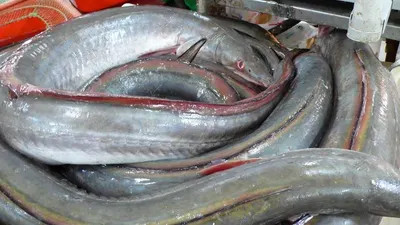
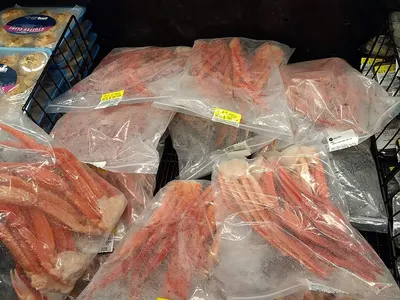
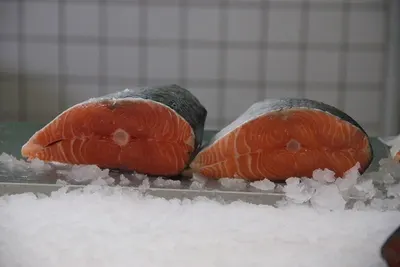
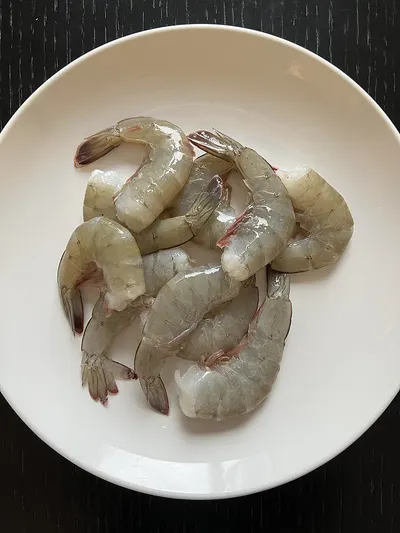
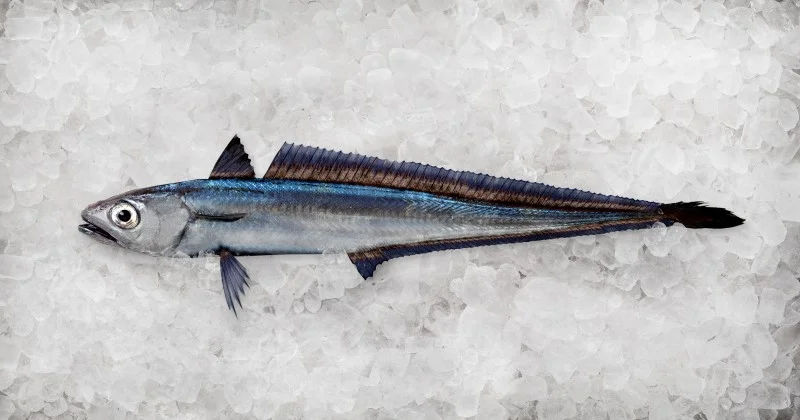
Griffins Export Pty Ltd. is based in Australia and lists eleven active seafood products in its catalogue. The supplier’s portfolio covers both frozen and fresh marine species, including salmon, trout, prawns, ribbon fish, swordfish, tuna varieties, mackerel, and cuttlefish. Each product aligns with the broad HS chapter 03 classification for fish and crustaceans, which is the standard customs grouping for such commodities. The catalogue reflects a mix of frozen items such as Frozen Salmon and Mackerel and fresh items like Ocean Trout and Blue Fin Tuna, providing buyers with a diversified seafood offering. The supplier’s trust tier is recorded as “harbor,” indicating a mid‑level verification status within the marketplace hierarchy.
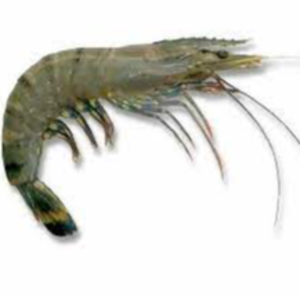
The product list includes specific items such as Frozen Salmon, Ocean Trout, Prawns, Ribbon Fish, Blue Fin Tuna, Sword Fish, Frozen Fish, Mackerel, Yellow Fin Tuna, Frozen Salmon Fish, and Cuttlefish. These entries map to common export categories for Australian seafood, where frozen fillets, whole fish, and shellfish are typically shipped in insulated containers. The inclusion of both fresh and frozen lines enables the supplier to serve markets that require immediate consumption as well as those that rely on longer‑term storage. By covering a range of species, the catalogue supports buyers seeking protein sources for retail, food‑service, and processing applications.
Product Range and Specialties of Griffins Export Pty Ltd.
The catalogue features eleven distinct seafood items, ranging from high‑value pelagic species such as Blue Fin Tuna and Sword Fish to demersal species like Mackerel and Cuttlefish. In the industry, frozen salmon fillets are commonly graded by size (30‑50 cm) and ice‑glaze thickness (2‑3 mm) to protect moisture, while fresh trout is evaluated for firmness, clear eyes, and gill colour. Prawns are usually supplied in size grades of 10‑20 pcs/kg with a target moisture content below 78 %. Ribbon fish and sword fish are often sold as whole frozen specimens with a minimum fillet thickness of 2 cm. Tuna products are classified by species (Yellow Fin, Blue Fin) and typically require a minimum flesh colour of deep pink and a fat content of 6‑10 %. Mackerel and cuttlefish are exported as whole frozen units, with standard packaging that limits temperature fluctuation to ± 2 °C. Buyers commonly request compliance with HACCP, BRC Global Standard for Food Safety, and ISO 22000, although these certifications must be confirmed with the supplier.
Trade and Export Information - Griffins Export Pty Ltd.
Australia ranks among the world’s top seafood exporters, with the majority of shipments destined for East Asian markets (China, Japan, South Korea), the Middle East, and the European Union. Products such as frozen salmon, tuna, and prawns fall under HS sub‑headings 0302.12 (frozen fish) and 0303.12 (fresh fish), while crustaceans like prawns are classified under HS 0306.00. Export shipments are typically packed in insulated wooden pallets or 20‑ft refrigerated containers with a temperature set at - 18 °C for frozen goods and 0 °C for fresh chilled items. Australian exporters must obtain an Export Health Certificate from the Australian Government’s Department of Agriculture, Fisheries and Forestry, and many buyers also require proof of compliance with the Australian Quarantine and Inspection Service (AQIS). Commonly requested certifications include HACCP, BRC, and ISO 22000, which demonstrate adherence to food‑safety management systems. Incoterms such as FOB Melbourne or CIF Shanghai are frequently used, reflecting the logistics routes from Australian ports to major import hubs.
Sourcing from Griffins Export Pty Ltd. - Buyer Guidance
When sourcing from Griffins Export Pty Ltd., buyers should request the latest Export Health Certificate, HACCP or BRC audit reports, and any laboratory analysis confirming microbial limits (e.g., total plate count < 5 × 10⁴ CFU/g) and moisture levels. It is advisable to verify product specifications such as size, weight per unit, ice‑glaze thickness, and packaging dimensions before confirming an order. Typical minimum order quantities range from 1 metric ton for high‑value species like Blue Fin Tuna to 5 metric tons for bulk items such as frozen salmon, with lead times of 4‑6 weeks depending on harvest season and container availability. Buyers should also confirm that the supplier can provide a non‑GMO or sustainable sourcing statement if required by the destination market.
Frequently Asked Questions About Griffins Export Pty Ltd.
What seafood product categories are listed by Griffins Export Pty Ltd.?
The supplier lists eleven products, including frozen salmon, ocean trout, prawns, ribbon fish, blue fin tuna, sword fish, frozen fish, mackerel, yellow fin tuna, frozen salmon fish, and cuttlefish. These cover both fresh and frozen fish as well as crustacean and cephalopod categories.
How are the frozen seafood items packaged for export?
Frozen items are typically packed in insulated wooden pallets with a layer of ice or gel packs to maintain - 18 °C, then loaded into 20‑ft refrigerated containers. Whole fish and fillets are often wrapped in food‑grade polyethylene film to prevent freezer burn.
Which certifications are commonly required for Australian seafood imports?
Importers usually request HACCP, BRC Global Standard for Food Safety, ISO 22000, and an Export Health Certificate issued by the Australian Department of Agriculture. Verification of these documents should be part of the pre‑shipment process.
What are the typical HS codes for the products offered?
Seafood products fall under HS chapter 03. Frozen fish such as salmon and mackerel are classified under HS 0302, fresh fish like trout and tuna under HS 0303, and crustaceans such as prawns under HS 0306. Exact sub‑headings depend on product form and processing level.
What is the usual minimum order quantity and lead time?
Minimum order quantities commonly start at 1 metric ton for premium species (e.g., blue fin tuna) and rise to 5 metric tons for bulk frozen fish. Lead times are generally 4‑6 weeks, reflecting harvesting cycles and container booking schedules.
How can buyers obtain samples or test reports?
Buyers should ask the supplier to send a small chilled sample (e.g., 5 kg) together with a laboratory analysis report covering microbiology, moisture, and lipid content. Sample shipments are usually arranged under a prepaid Incoterm such as FCA.
Which markets typically import Australian seafood like that offered by Griffins Export?
Key destination markets include East Asian countries (China, Japan, South Korea), the Middle East (UAE, Saudi Arabia), and the European Union (Spain, Netherlands). These regions import both fresh and frozen products for retail, processing, and food‑service sectors.




 , Australia