Greenfirm Bd — Verified Supplier
About Greenfirm Bd - Cashew Nuts Supplier in Bangladesh
Bangladesh‑based Greenfirm Bd lists twelve active products across a mix of agricultural, textile and animal‑derived categories. The catalogue includes cashew nuts, a variety of seeds such as rape seed, sesame and green mung beans, fresh vegetables like potatoes and green chilli, as well as non‑food items such as towels, kenaf fiber, mats and bully sticks. The supplier’s top‑level categories are Cashew Nuts, Towels, Dehydrated Ginger, Rape Seed, Beans, Mats and Meat & Poultry, indicating a focus on both food and raw material exports. The only product with a specific HS code in the provided data is the dried green mung bean, listed under HS 0713.90 and described as food‑grade Vigna radiata. All other items are identified only by product name, leaving HS classifications to be inferred from standard tariff schedules.
The product list reflects typical Bangladeshi export streams: cashew nuts (HS 0801), rape seed (HS 1207.90), sesame seed (HS 1207.99), and various fresh vegetables (HS 07xxxx). Towels fall under textile HS 6302, while kenaf fiber and core are classified in HS 5304 for vegetable fibers. Bully sticks, a pet‑chew product, are generally coded under HS 2309. The supplier’s catalogue therefore spans HS chapters 07, 08, 12, 23 and 63, matching the diversity of Bangladesh’s agricultural and textile export portfolio.
Product Range and Specialties of Greenfirm Bd
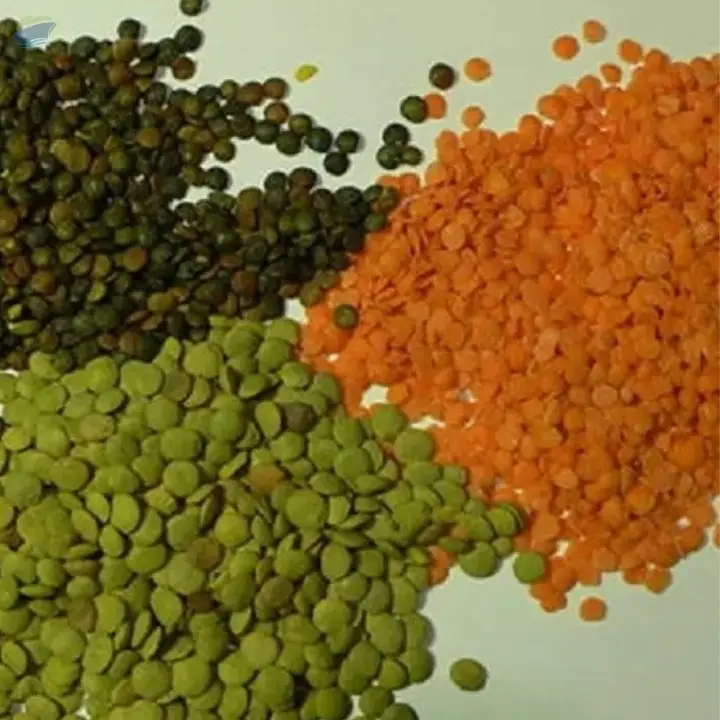
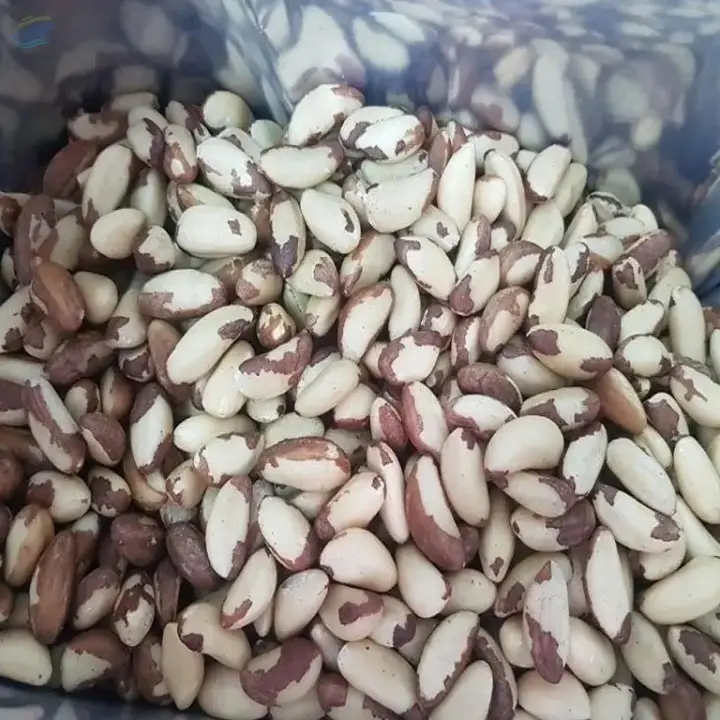
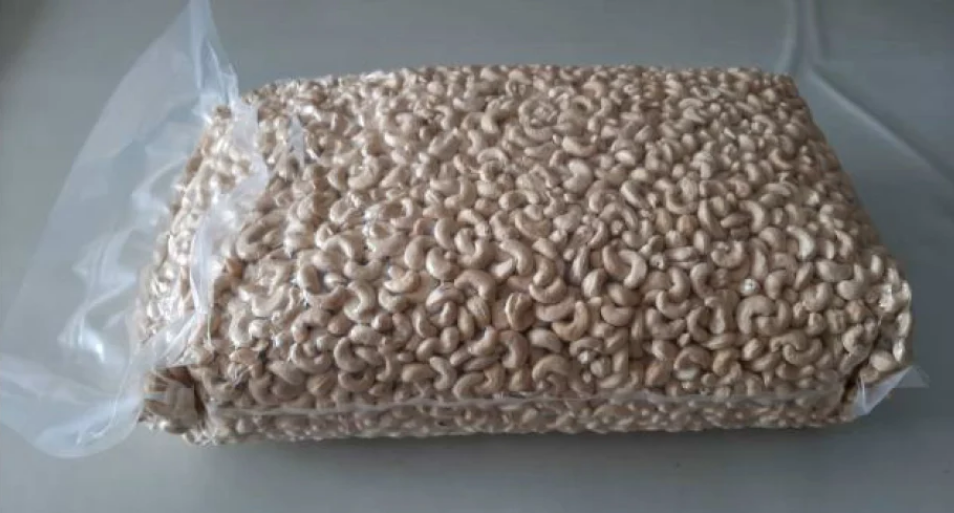
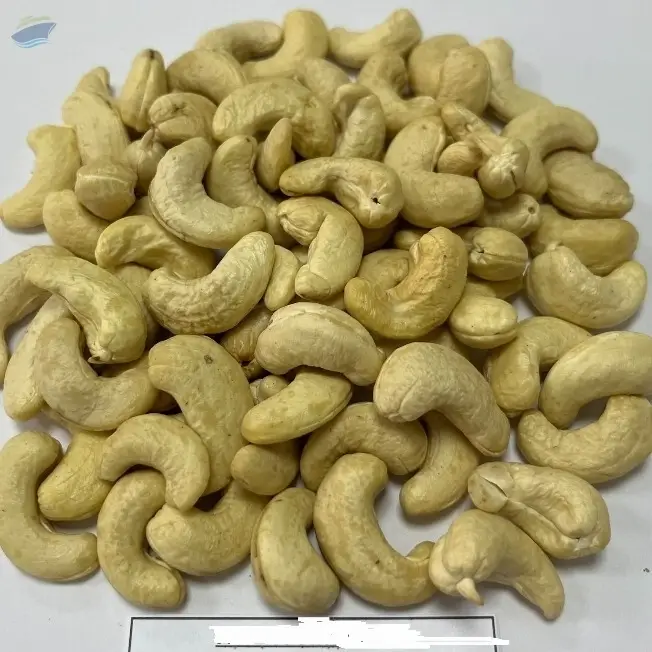
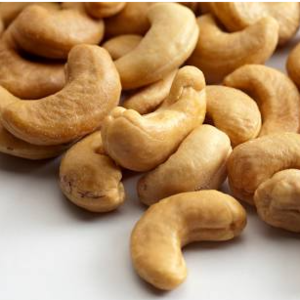
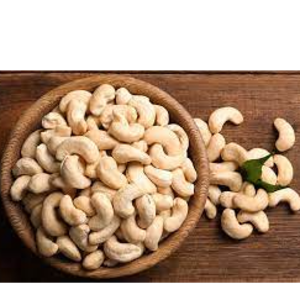
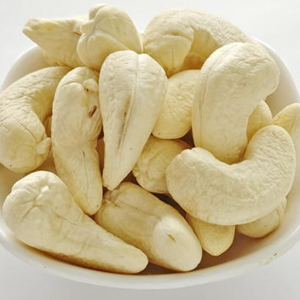
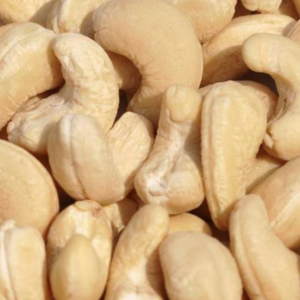
Greenfirm Bd’s catalogue currently features items such as cashew nut, rape seed, sesame seed, green mung bean (HS 0713.90), fresh potato, green chilli, kenaf fiber & core, towels and bully sticks. In the seed segment, buyers commonly encounter grades defined by size, moisture content below 12 % and absence of aflatoxins; green mung beans are usually shipped in 25 kg polypropylene bags. Cashew nuts are exported in size grades like W180 or W200 with moisture under 5 % and are often packed in 10 kg cartons inside 20‑ft containers. Towels are typically woven from cotton or cotton‑blend yarns with a GSM range of 300‑500 and are packed in poly‑bag bundles. Rape seed is shipped as cleaned kernels with oil content above 38 % and free fatty acid levels below 0.5 %, generally in 50 kg jute bags.
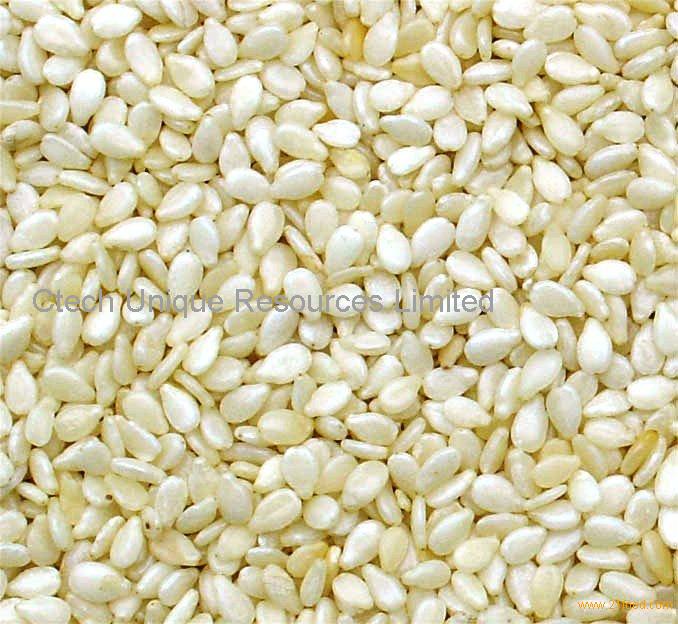
Industry standards add further detail: sesame seeds are graded by oil content (typically 50‑55 %) and hull percentage, while rape seed exporters often obtain ISO 22000 or HACCP certification for food safety. Kenaf fiber used in composite panels is measured by fiber length (50‑150 mm) and tensile strength, and buyers may request a material data sheet. Bully sticks are regulated for microbiological safety and are usually supplied in vacuum‑sealed packs of 0.5‑2 kg. These typical specifications complement Greenfirm Bd’s listed items and help buyers align expectations with market norms.
Trade and Export Information - Greenfirm Bd
Bangladesh’s agricultural exports are concentrated to the Middle East, South‑East Asia and the European Union, with cashew nuts and oilseeds forming a significant share of outbound freight. Seed and legume shipments such as green mung beans (HS 0713.90) are usually loaded in 20‑ft containers, using moisture‑resistant liners and palletized in 25 kg bags to meet phytosanitary requirements. Rape seed and sesame seed are often exported in bulk 40‑ft containers on wooden pallets, accompanied by a phytosanitary certificate, a certificate of origin and, where required, an ISO 22000 audit report.
Textile products like towels follow the standard HS 6302 export pathway, with buyers typically requesting Oeko‑Tex Standard 100 compliance and ISO 9001 quality management documentation. Pet‑chew items such as bully sticks must comply with the importing country’s animal‑product regulations, often needing a veterinary health certificate. Overall, exporters from Bangladesh commonly use CIF or FOB Incoterms, with container freight forwarders handling customs clearance under the HS chapters 07, 08, 12, 23 and 63 that cover Greenfirm Bd’s product mix.
Sourcing from Greenfirm Bd - Buyer Guidance
When sourcing from Greenfirm Bd, buyers should ask for product specifications sheets that detail moisture content, size grading (for cashews), oil content (for seeds) and any pesticide residue test results. Samples of each commodity - e.g., a 5 kg bag of green mung beans or a 10 kg carton of cashew nuts - allow verification against the typical industry thresholds mentioned above.
Buyers are advised to request the relevant certificates before shipment: a phytosanitary certificate for all food‑grade seeds and legumes, ISO 22000 or HACCP audit reports for oilseeds, and Oeko‑Tex or ISO 9001 documentation for towels. Verifying the HS code on the commercial invoice against the product description helps avoid customs delays, and confirming container sealing and packaging type (poly‑bags, jute sacks, vacuum packs) ensures compliance with the buyer’s logistics chain.
Frequently Asked Questions About Greenfirm Bd
What HS codes are applicable to Greenfirm Bd’s seed products?
Greenfirm Bd lists dried green mung beans under HS 0713.90. Typical related HS codes include 0801 for cashew nuts, 1207.90 for rape seed, and 1207.99 for sesame seed. Buyers should confirm the exact code on the commercial invoice for each shipment.
Which quality parameters should I verify for cashew nuts?
Cashew nuts are generally graded by kernel size (e.g., W180, W200), moisture content below 5 %, and aflatoxin levels under the limits set by the importing country. Request a lab report that includes these metrics before finalizing the order.
How are green mung beans packaged for export?
Exporters typically pack dried green mung beans in 25 kg food‑grade polypropylene bags, placed on pallets and sealed inside a 20‑ft container. The bags should be labeled with moisture content (usually <12 %) and a batch number.
What certifications are commonly required for towel exports?
International buyers often request Oeko‑Tex Standard 100 certification and an ISO 9001 quality management system audit for cotton or cotton‑blend towels. These documents demonstrate compliance with textile safety and quality standards.
What documentation is needed for importing bully sticks?
Bully sticks usually require a veterinary health certificate, a declaration of source (beef), and compliance with the destination country’s animal‑product import regulations. A microbiological test report confirming low bacterial counts is also advisable.
What are the typical container sizes for Greenfirm Bd’s bulk products?
Bulk seed and legume shipments are most commonly loaded in 20‑ft containers (approximately 22 metric tonnes) or 40‑ft containers (up to 44 metric tonnes), depending on the product’s bulk density and packaging. Towels and other textile items are often shipped in 40‑ft containers to maximize cubic space.




 , Bangladesh
.jpg.png)