Grandflora Pvt. Ltd. — Verified Supplier
About Grandflora Pvt. Ltd. - Pepper Supplier in Sri Lanka
Grandflora Pvt. Ltd. operates from Sri Lanka and currently lists five active products. The catalogue covers Ceylon Pepper, Sri Lankan Vegetables, Ceylon Tea, Cloves and Cardamom, representing the spice, fresh produce and tea segments. Each product is presented under the broad categories of Pepper, Fresh Vegetables, Tea, Cloves and Green Cardamom. The supplier’s trust tier is classified as harbor, indicating a moderate level of verification within the platform. The product count of five reflects a focused catalogue rather than a broad commodity portfolio.
The listed items correspond to well‑known Sri Lankan export commodities. Ceylon Pepper refers to whole black peppercorns harvested in the central highlands, while the vegetable line includes fresh produce such as beans, carrots and gourds. Ceylon Tea denotes orthodox or CTC processed leaf tea, and the spice segment is completed by whole dried cloves and green cardamom pods. All products are sourced domestically and prepared for bulk export.
Product Range and Specialties of Grandflora Pvt. Ltd.
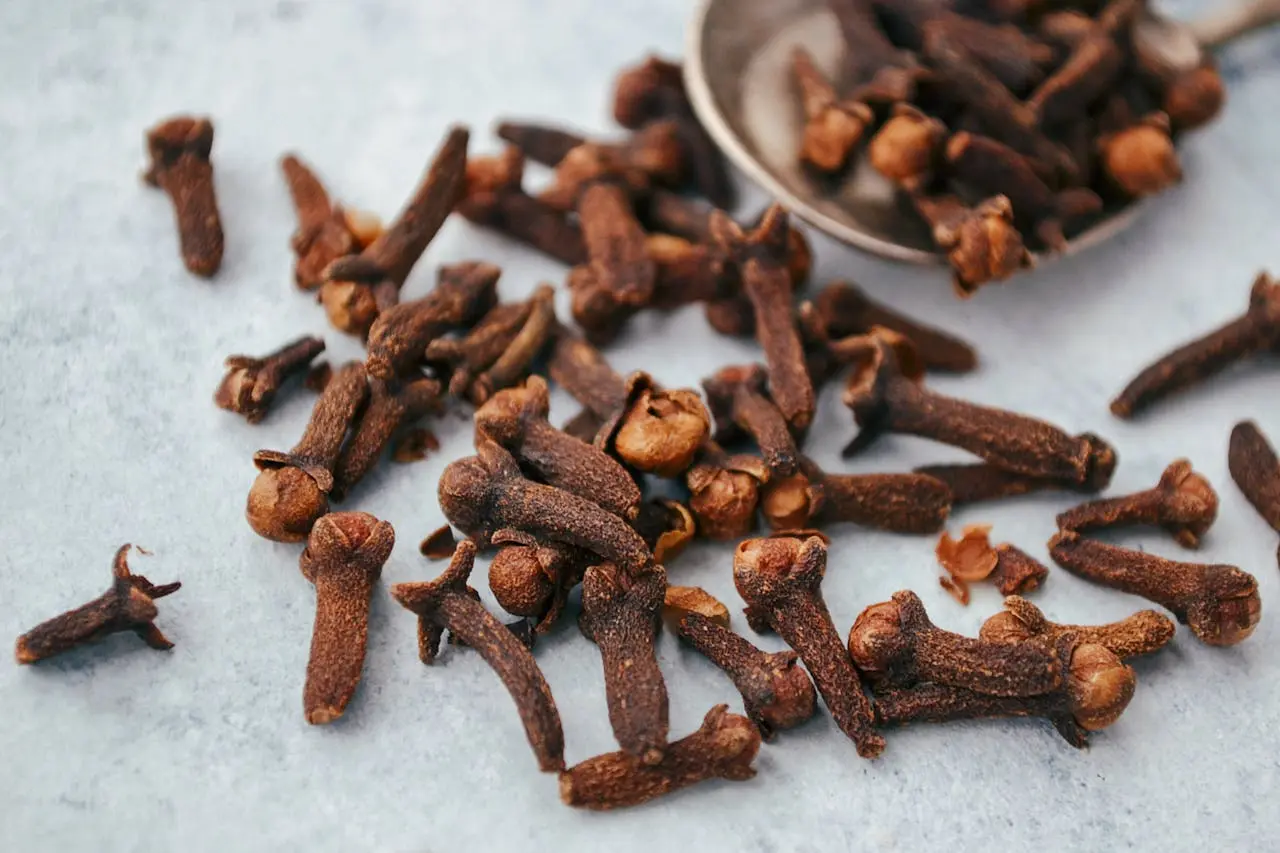
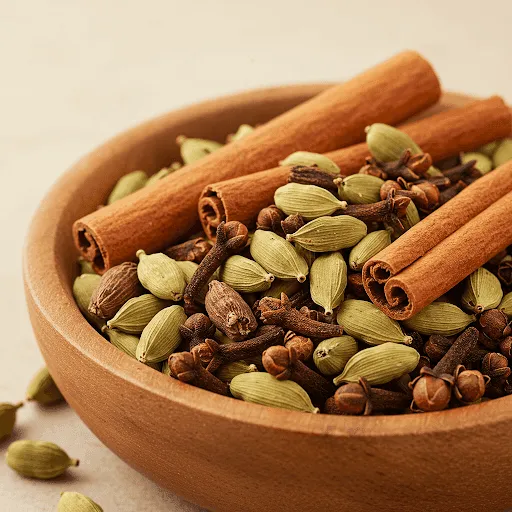
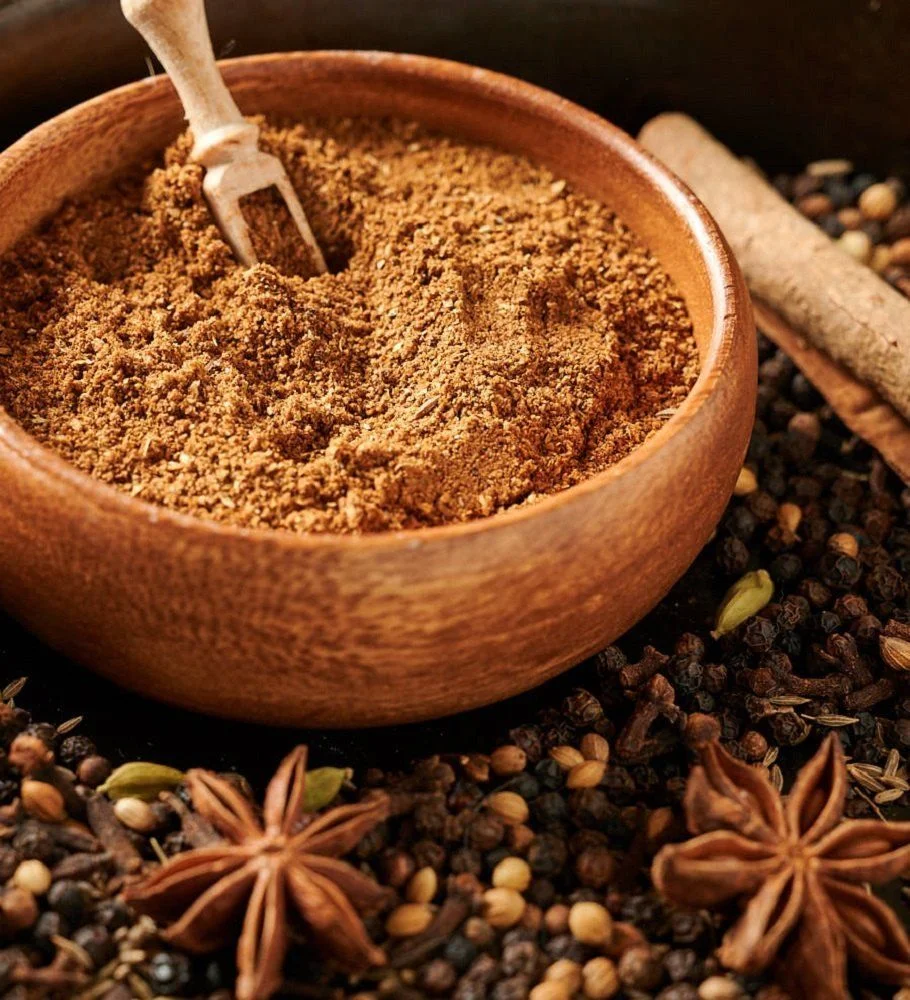
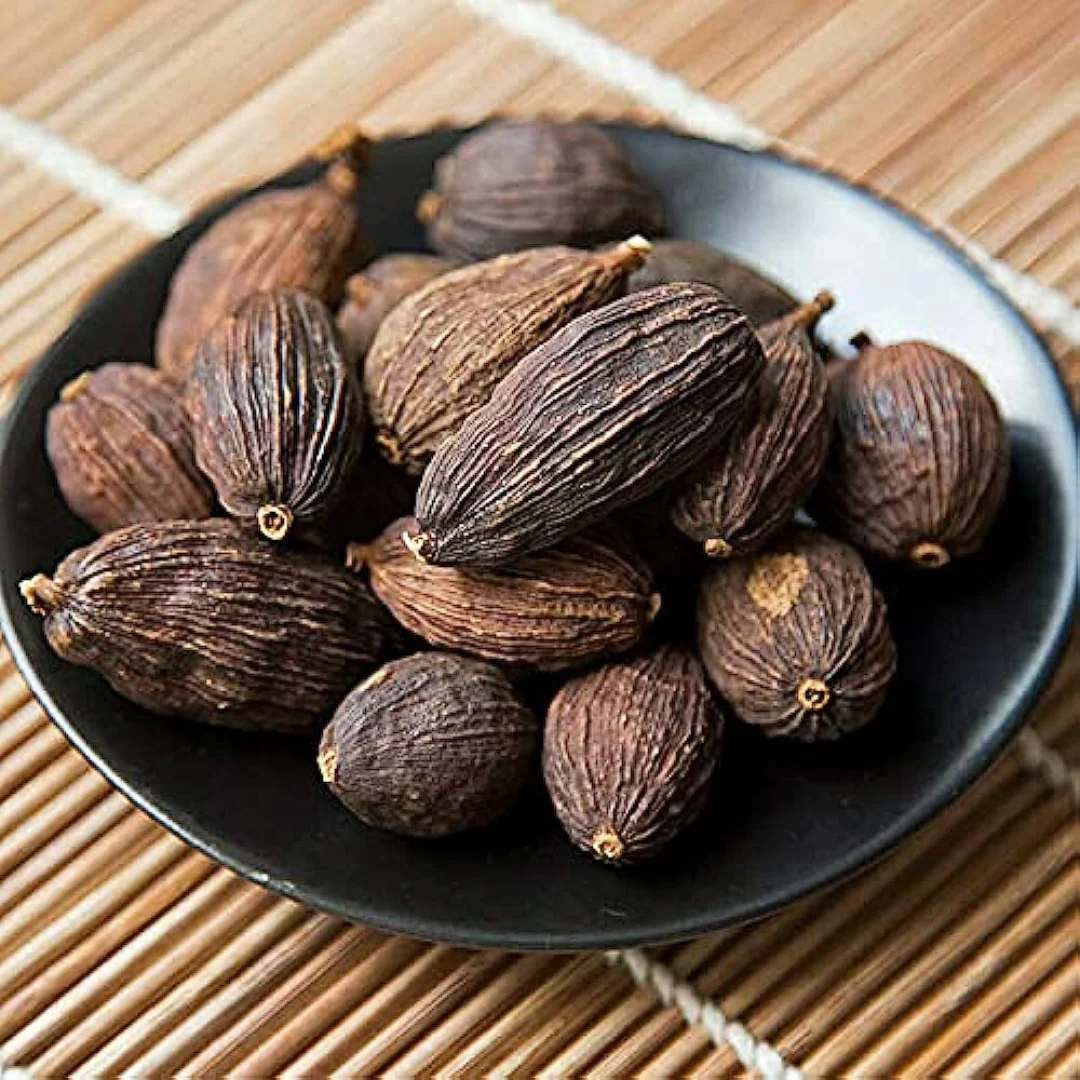
Grandflora’s catalogue contains whole black peppercorns, a staple spice that buyers typically grade by size (8‑12 mm) and moisture content (≤13 %). Sri Lankan vegetables are supplied as fresh, pre‑packed assortments, often meeting EU fresh‑produce standards for pesticide residues. Ceylon Tea is offered in both orthodox leaf grades and CTC cut grades, with common specifications including leaf‑size fractions and ash content. The cloves are whole, sun‑dried units with moisture limits around 6 %, while green cardamom pods are graded by pod length (12‑15 mm) and essential oil content. Industry practice for these categories includes packaging in jute bags (25 kg) for spices, cardboard cartons for tea, and ventilated crates for vegetables.
Typical export specifications for Sri Lankan spices and tea require compliance with ISO 22000 food safety management, HACCP plans and, where applicable, organic certification under EU regulations. Buyers often request certificates of analysis for moisture, essential oil percentage (cardamom) and pesticide residues (vegetables). The product grades mentioned align with the most common quality tiers used by importers in Europe, the Middle East and North America.
Trade and Export Information - Grandflora Pvt. Ltd.
Sri Lanka is a long‑standing exporter of pepper, cloves, cardamom, tea and fresh vegetables, with the European Union, United Arab Emirates and United States representing the largest demand regions. Export shipments usually travel by sea in 20 ft or 40 ft containers, with spices packed in 25 kg jute bags and tea in 500 kg bulk bags. Standard Incoterms for these commodities are FOB Colombo or CIF Dubai, depending on buyer preference. Import regulations commonly require phytosanitary certificates for fresh vegetables and fumigation certificates for spices, as well as compliance with the EU’s maximum residue limits (MRLs). Sri Lankan exporters also adhere to the International Plant Protection Convention (IPPC) guidelines for spice shipments.
Buyers of Sri Lankan pepper, cloves and cardamom typically request ISO 9001 quality management documentation and third‑party lab reports confirming moisture and essential oil levels. Tea importers often ask for tea tasting certificates and leaf‑grade analysis, while vegetable buyers focus on cold‑chain handling records and pesticide testing. The logistics chain from Colombo port to major markets usually involves transshipment hubs in the Middle East before final delivery.
Sourcing from Grandflora Pvt. Ltd. - Buyer Guidance
When sourcing from Grandflora, buyers should obtain a recent phytosanitary certificate for any vegetable shipment and a fumigation certificate for spice consignments. Request a Certificate of Analysis that details moisture content for pepper, cloves and cardamom, and essential oil percentage for cardamom pods. For tea, ask for a tea grade certificate that specifies leaf size, ash content and any organic certification if required.
Verify that packaging meets the buyer’s market standards: jute bags for spices, ventilated crates for vegetables and moisture‑resistant cartons for tea. Confirm the supplier’s ability to provide ISO 22000 or HACCP documentation, and consider a pre‑shipment sample to test compliance with destination country residue limits. Clarify lead times, which for Sri Lankan spices typically range from 30 to 45 days after order confirmation, and ensure that the agreed Incoterm is clearly stated in the pro‑forma invoice.
Frequently Asked Questions About Grandflora Pvt. Ltd.
What varieties of pepper does Grandflora export?
Grandflora lists Ceylon Pepper, which is whole black peppercorns harvested in the central highlands. The product is usually graded by size (8‑12 mm) and moisture content not exceeding 13 %.
Are the vegetables supplied as fresh or processed?
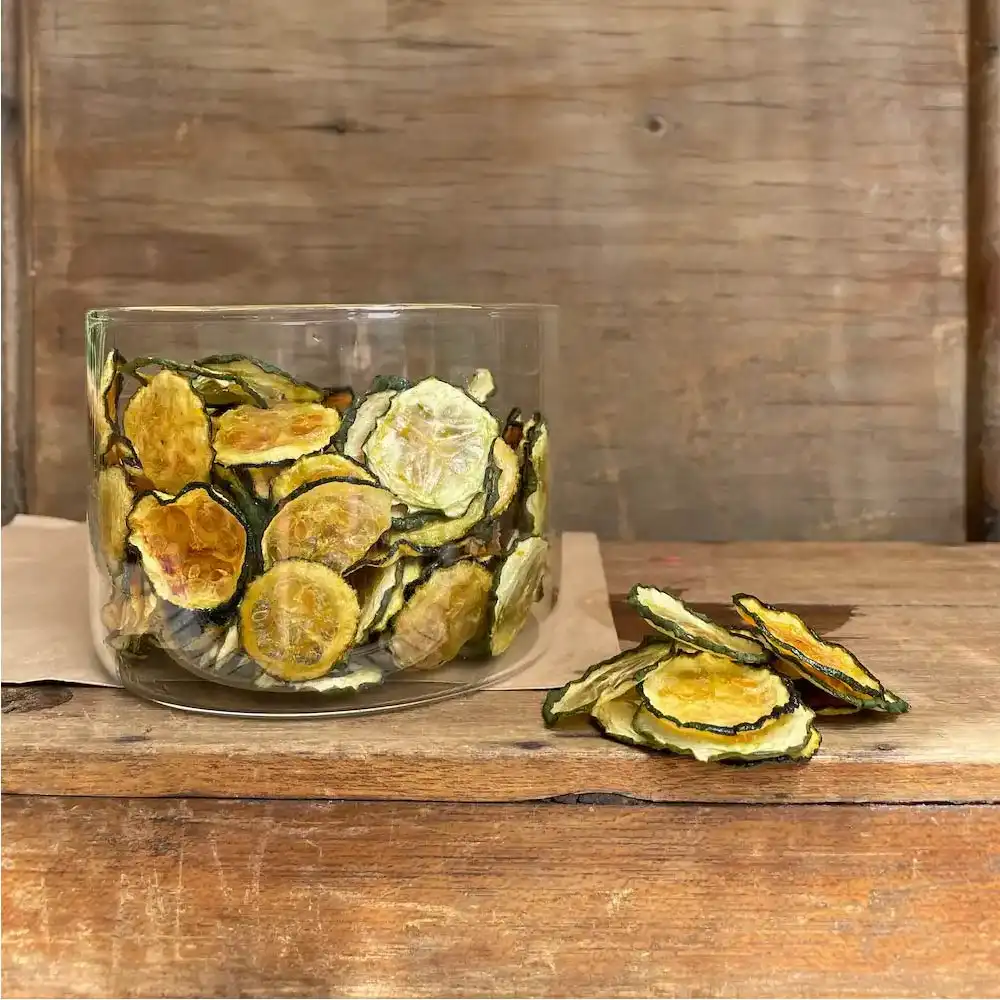
The catalogue mentions Sri Lankan Vegetables as fresh produce. Buyers can expect pre‑packed, refrigerated shipments that meet EU fresh‑produce pesticide residue standards.
What type of tea is offered under Ceylon Tea?
Ceylon Tea includes both orthodox leaf grades and CTC cut grades. Standard specifications cover leaf‑size fractions, ash content and optional organic certification.
Do the cloves meet international quality standards?
Grandflora’s cloves are whole, sun‑dried units with typical moisture limits of 6 % or less. Exporters normally provide a Certificate of Analysis confirming moisture and pesticide residue levels.
What are the common packaging formats for the spices?
Spices such as pepper, cloves and cardamom are generally packed in 25 kg jute bags, which are accepted by most bulk importers. The bags are sealed and labeled with origin and batch information.
Which certifications should a buyer request from Grandflora?
Buyers should request ISO 22000 or HACCP food safety certificates, phytosanitary certificates for vegetables, and a Certificate of Analysis for each spice batch. Organic certification can be requested if required by the destination market.
What are typical lead times for orders from Sri Lanka?
Lead times for bulk spice shipments are usually 30‑45 days after order confirmation, while fresh vegetables may require faster cold‑chain handling of 10‑15 days.
Which Incoterms are commonly used for these products?
FOB Colombo and CIF Dubai are the most frequently used Incoterms for Sri Lankan pepper, cloves, cardamom, tea and vegetables. The chosen term should be confirmed in the pro‑forma invoice.




 , Sri Lanka