Golden Eagle — Verified Supplier
About Golden Eagle - Various Industrial Components Supplier in United Arab Emirates
Golden Eagle is based in the United Arab Emirates and currently lists 25 active products across multiple industrial sectors. The catalogue spans steel and copper coils, electric components, lubricants, hearing aids, and injection moulded parts, with top categories including Steel Coils, Electric Components, Copper Coils, Lubricants, Hearing Aids, Electronic Antenna, Inductors & Transducers, and Injection Moulded Products. Product entries such as Engine oil, Wireless Charging Coil Inductor, Air Core Coil, Bobbin Coil and several specialty coils are recorded. Each coil entry is linked to a specific HS‑code family, for example 8504.90 for many wireless charging coils and 8544.21 for bobbin coils. The supplier’s portfolio therefore covers both raw material forms and finished electronic components.
The HS‑code families represented in the list range from 7209 series for cold‑rolled steel coils (e.g., Precision Mini Coil, HS 7209.18) to 7220 series for stainless steel miniature coils (HS 7220.00) and 8504 series for inductive devices (HS 8504.50, 8504.90). Materials cited include enameled copper wire with purity of 99.99 % (OFC), electrolytic copper magnet wire, electrical silicon steel, stainless steel grades 304/316, and copper‑aluminum bimetallic alloys. Additional entries such as Flash Tube Trigger Coil (HS 8542.31) specify copper windings with ferrite cores and epoxy encapsulation, reflecting typical construction for high‑frequency applications. The presence of lubricants and engine oil indicates the supplier also handles fluid products packaged for industrial distribution.
Product Range and Specialties of Golden Eagle
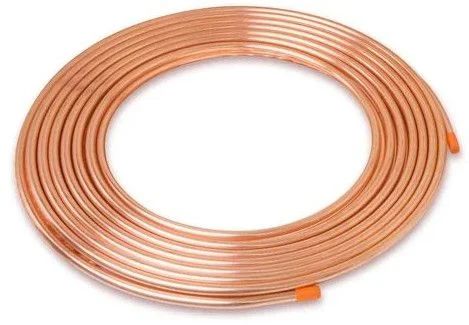
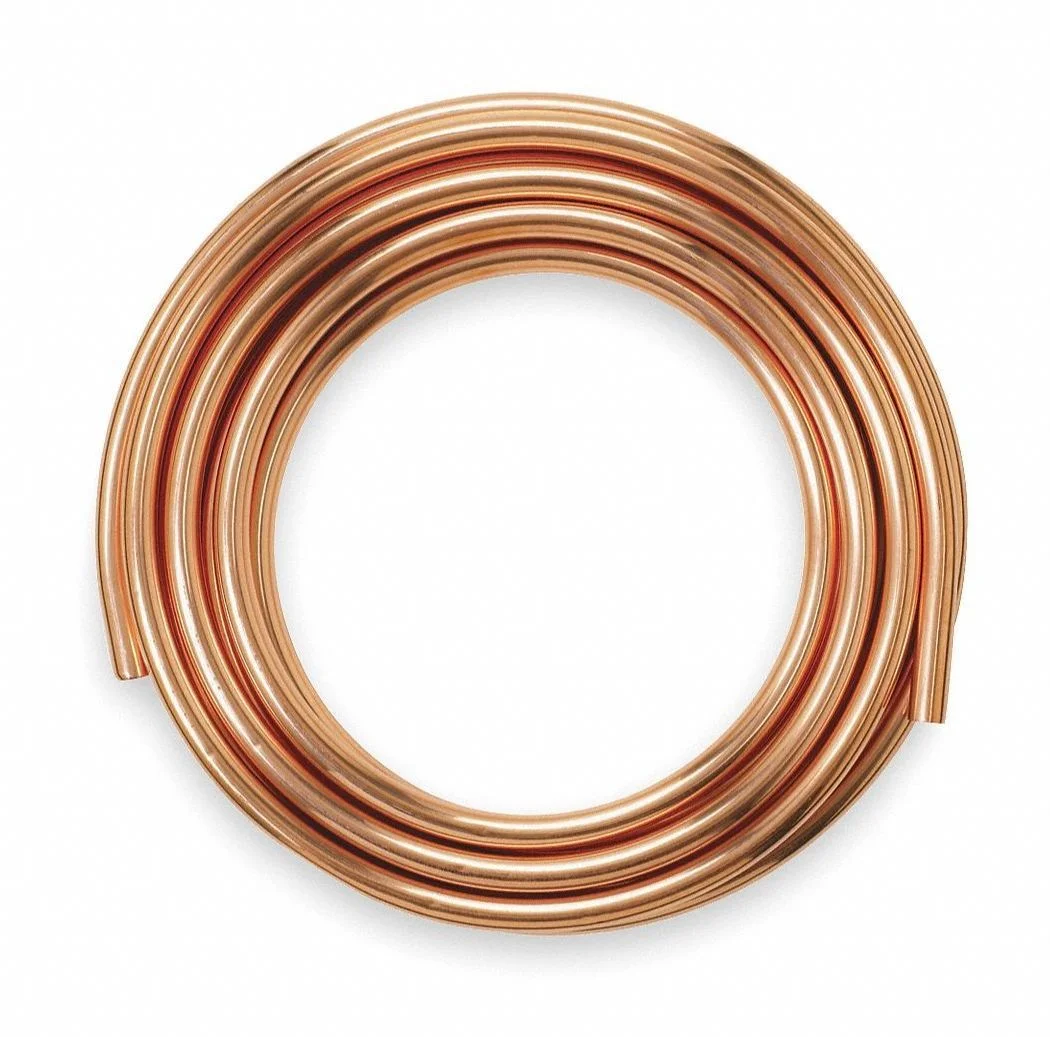
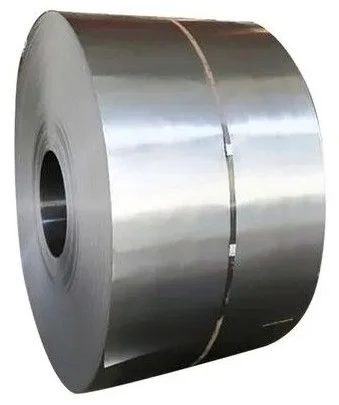
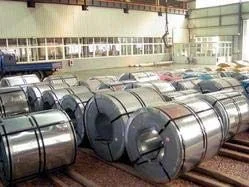
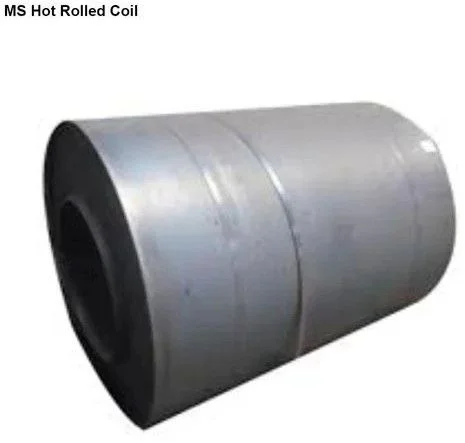
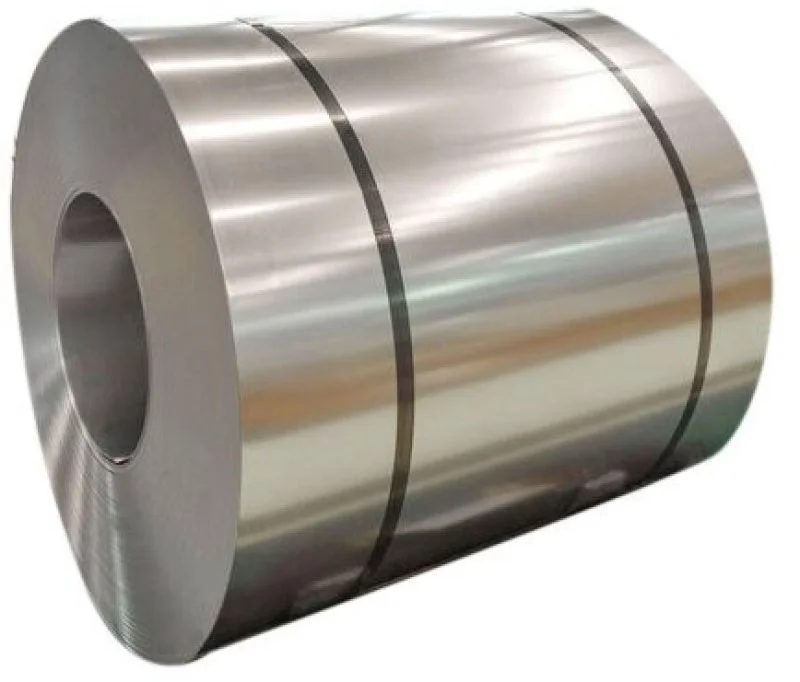
Golden Eagle’s catalogue lists a variety of coils used in power electronics, wireless charging, RFID, and medical devices, including Air Core Coils, Bobbin Coils, Self‑bonding Coils, Antenna Coils, Miniature Coils, and High‑Power Inductor Bobbin Coils. In the industry, such coils are commonly produced from oxygen‑free copper (OFC) with purity of 99.95 % - 99.99 %, insulated with enamel or silk cover, and wound to meet IEC 60228 class 1 or class 2 specifications. Ferrite or air cores are selected according to operating frequency, with ferrite materials typically graded for high‑frequency performance (e.g., Mn‑Zn or Ni‑Zn). Steel‑based coils such as Precision Mini Coil and Oval Hollow Coil are fabricated from cold‑rolled carbon steel grades SPCC, DC01 or stainless steel 304/316, often complying with ASTM AISI standards for tensile strength and corrosion resistance. Typical coil dimensions range from 1 mm to 20 mm diameter, and inductance values span from a few microhenries to several henries, depending on the application.
Trade and Export Information - Golden Eagle
United Arab Emirates serves as a logistics hub for metal and electronic components, with major ports in Jebel Ali and Khalifa facilitating re‑export to Europe, South Asia, and the Middle East. Coils classified under HS 8504 and HS 8544 are frequently shipped in 20‑ft or 40‑ft containers, packed in anti‑static bags or wooden crates to protect against mechanical damage and electromagnetic interference.
Importers of inductive and antenna coils generally require ISO 9001 quality management certification, IEC 60335 compliance for safety, and RoHS/REACH declarations for hazardous substance limits. For steel and stainless‑steel coils, ASTM AISI material certifications and mill test reports are standard. Buyers in automotive, consumer electronics, and medical device sectors often request test reports for copper purity, insulation resistance, and inductance tolerance. Common Incoterms used by UAE exporters include FOB Dubai and CIF Gulf ports, with freight forwarding services handling customs clearance under HS‑code specific duty rates.
Sourcing from Golden Eagle - Buyer Guidance
Prospective buyers should request material test certificates confirming copper purity (≥99.9 %), enamel thickness, and core material grade, as well as mill test reports for steel‑based coils. For electronic coils, a test report covering inductance, Q‑factor, DC resistance, and compliance with IEC 60228 is typical, while lubricants and engine oil require a Safety Data Sheet (SDS) and ISO 9001 quality audit results.
Before placing an order, verify that the HS code listed matches the intended product description and that packaging specifications meet the destination’s handling requirements. Sampling is common for high‑volume or custom‑spec coils; a standard sample size of 5 - 10 units allows verification of dimensional tolerances and electrical performance. Lead times reported by UAE suppliers for standard coils range from four to six weeks, with longer periods for custom designs.
Frequently Asked Questions About Golden Eagle
What coil products are listed in Golden Eagle’s catalogue?
Golden Eagle lists Air Core Coil, Bobbin Coil, Wireless Charging Coil, Self‑bonding Coil, Antenna Coil, 1 mm Miniature Coil, Precision Mini Coil, High‑Sensitive Coil, Oval Hollow Coil, Copper‑Aluminum Coil, Flash Tube Trigger Coil, High Power Inductor Bobbin Coil, Plastic Bobbin Coil, RFID Antenna Coil, Miniature Coil for Medical Gauges, Medical Electronics Earphone Inductor Coil, A11 A13 Wireless Charger Coil, and Phone and Car Charger Coil, among others. The catalogue also includes Engine oil and various lubricants, showing a mix of fluid and component offerings.
Which HS‑code families correspond to the coil items?
The coil items are associated with HS 8504.50 and 8504.90 for inductive devices, HS 8544.21 for bobbin coils, HS 7209.18 and 7209.28 for cold‑rolled steel coils, HS 7220.00 for stainless‑steel miniature coils, HS 7225.11 for electrical silicon steel coils, HS 7408.19 for plastic‑bobbin coils, HS 7409.29 for copper‑aluminum alloy coils, and HS 8542.31 for flash tube trigger coils. These codes determine tariff treatment and regulatory requirements for each product type.
What material specifications are typical for the copper coils?
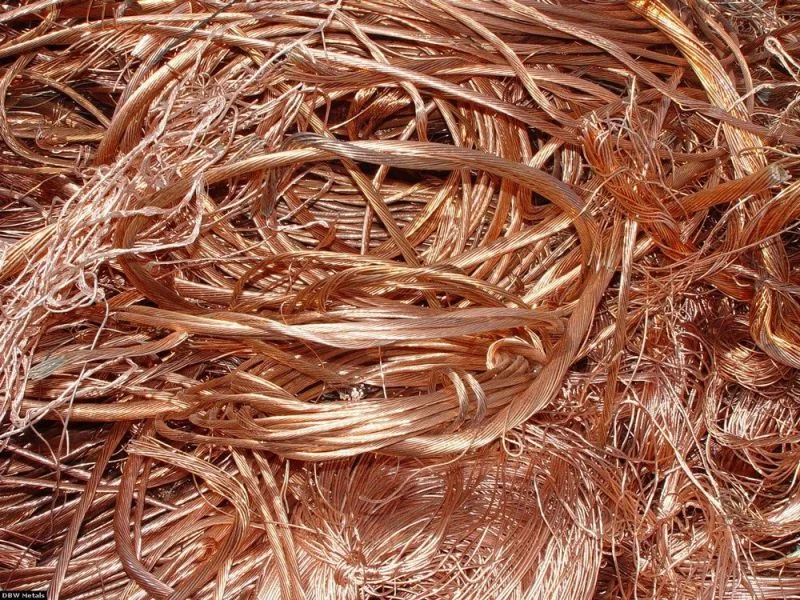
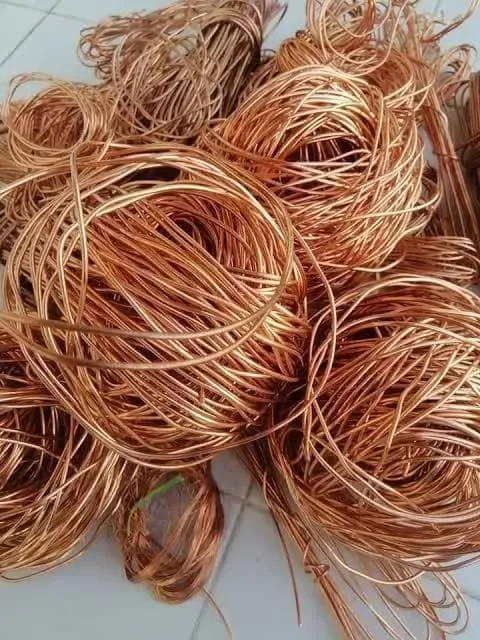
Copper coils are normally made from electrolytic or enameled copper wire with purity of 99.9 % - 99.99 %, insulated with enamel, silk cover, or polymer coating. Litz‑wire constructions are used for high‑frequency charging coils, and the wire is often rated to IEC 60228 class 1 for high conductivity. Buyers usually verify copper purity and insulation thickness through mill test certificates.
Which certifications should a buyer request for these electronic coil imports?
Buyers should request ISO 9001 quality management certificates, IEC safety compliance documents, and RoHS/REACH declarations to confirm limits on hazardous substances. Mill test reports that verify copper purity and enamel specifications are also standard. For steel‑based coils, ASTM or EN material certificates are commonly required.
How are the coils typically packaged for shipment?
Coils are usually packed in anti‑static polyethylene bags or sealed plastic sleeves to prevent static discharge. The bags are then placed in wooden crates or bulk pallets for container loading, with moisture‑resistant film used for larger bobbin coils. This packaging protects the coils from mechanical damage and environmental exposure during sea freight.
What are the usual minimum order quantities and lead times?
Minimum order quantities depend on the coil type but often start at 500 units or 1 metric ton for standard designs. Lead times for stock items are typically four to six weeks, while custom‑spec coils may require eight to twelve weeks after final design approval. Larger orders may benefit from economies of scale in packaging and freight.
Can Golden Eagle provide custom coil dimensions or materials?
The supplier indicates capability to produce custom coils such as miniature medical gauge coils and specialized antenna coils based on engineering drawings supplied by the buyer. Custom orders involve a design verification phase and may extend the standard lead time. Material choices for custom coils can be adjusted within the supplier’s listed material families, such as high‑purity copper or specific steel grades.
What documentation is needed for lubricants and engine oil exports?
For lubricants and engine oil, buyers should request a Safety Data Sheet (SDS) and a Certificate of Analysis that details viscosity, flash point, and additive composition. ISO 9001 compliance certificates are also relevant to confirm quality management procedures. Shipping is typically in steel drums or intermediate bulk containers, sealed and labeled according to UN 3224 regulations.




 , United Arab Emirates