Ferric Lanka — Verified Supplier
About Ferric Lanka - Metal Scrap Supplier in Sri Lanka
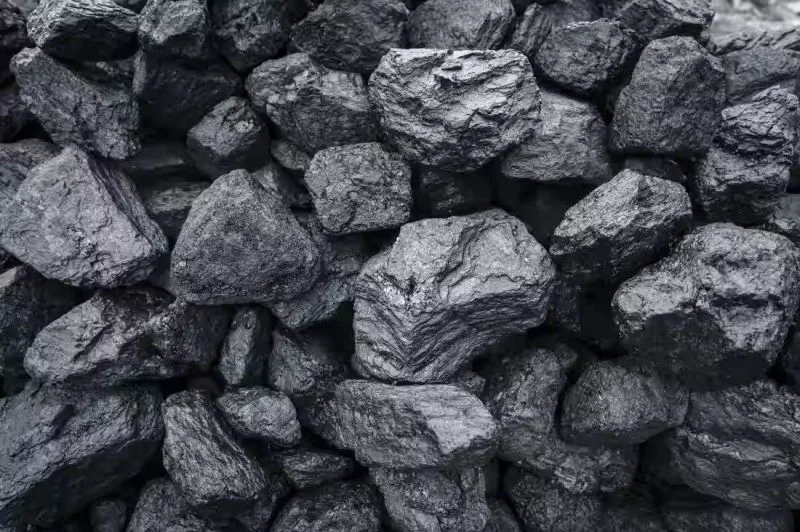
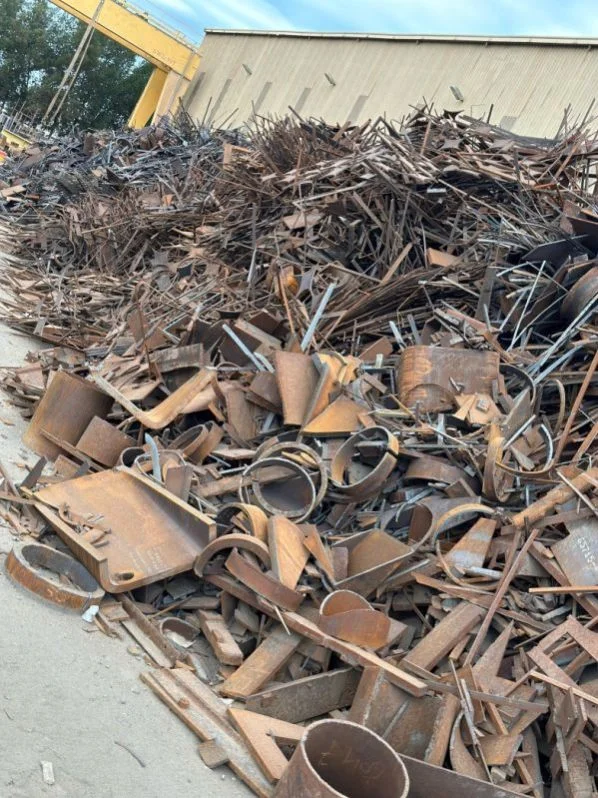
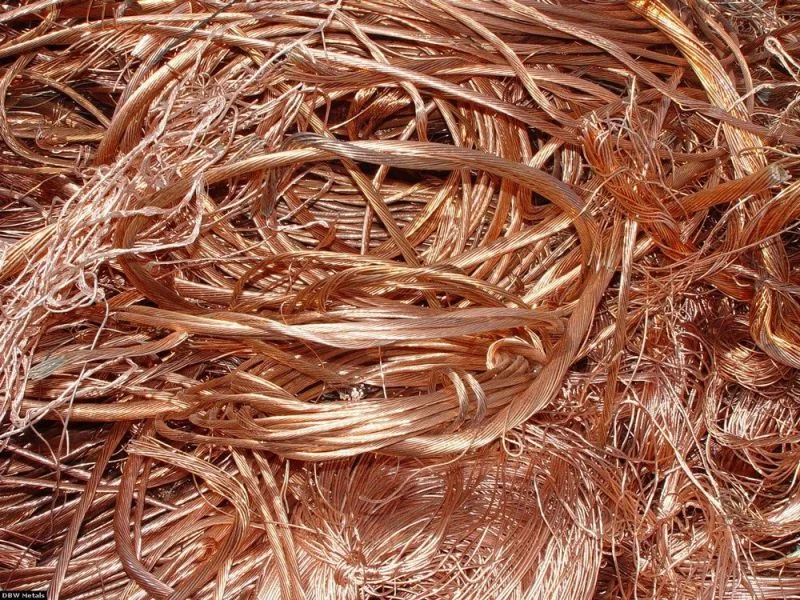
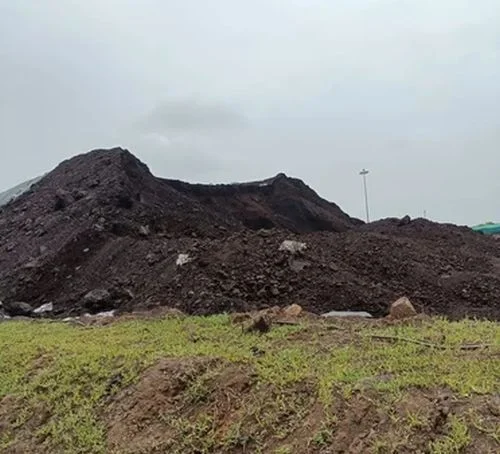
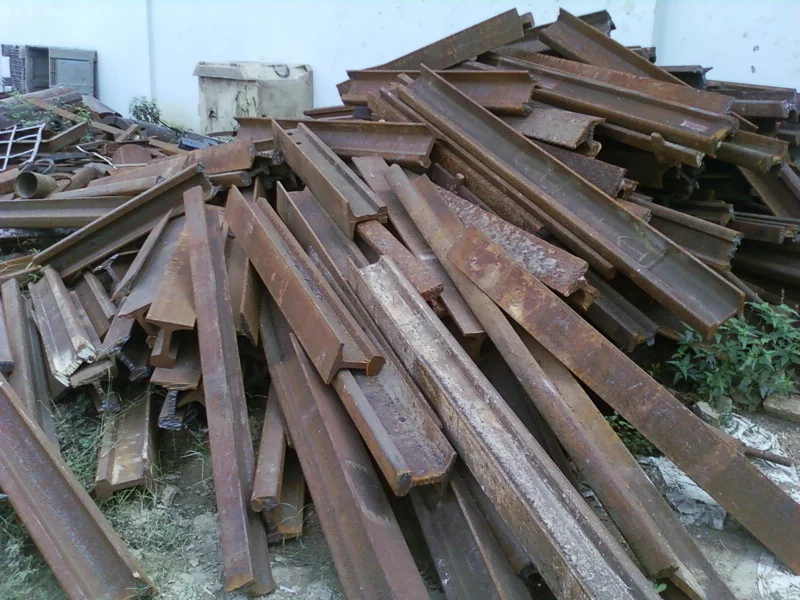
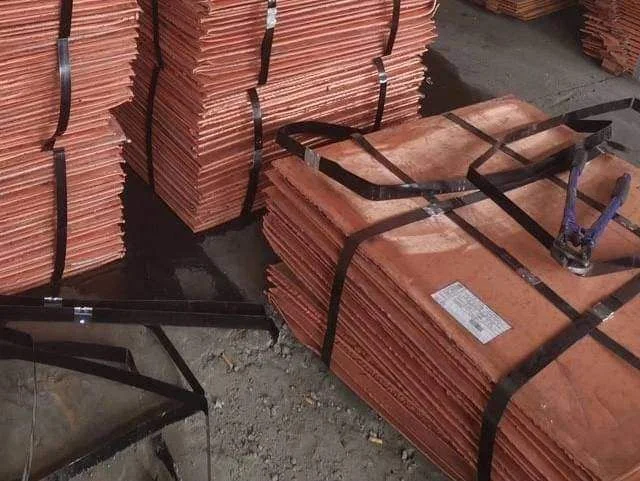
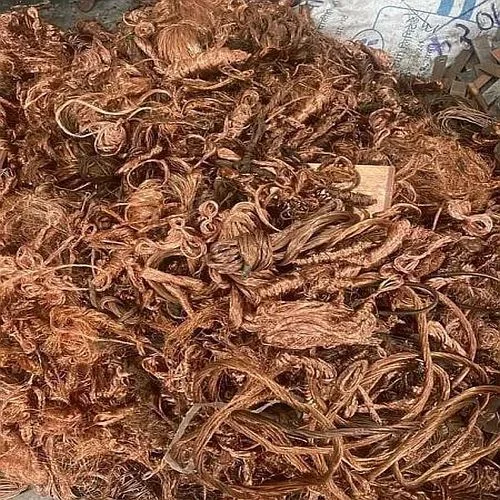
Sri Lanka, located in South Asia, hosts Ferric Lanka which currently lists nine active metal‑scrap products. The catalogue includes copper scrap, copper wire, various steel sections, used rails and different grades of heavy melting scrap (HMS 1 & 2). Each product is identified by a specific HS‑code family such as 7404.00 for copper scrap, 7214.20 for hot‑rolled deformed steel rebar, and 7204.49 for ferrous scrap. The material descriptions state copper milberry with 99.90‑99.98 % purity, electrolytic copper (ETP) at 99.99 % for wire, and carbon structural steel grades S235JR/S275JR for H‑beams. The supplier’s top categories also reference used rail scrap, metal scraps in general, and coal, indicating a focus on bulk secondary metal commodities.
Product Range and Specialties of Ferric Lanka
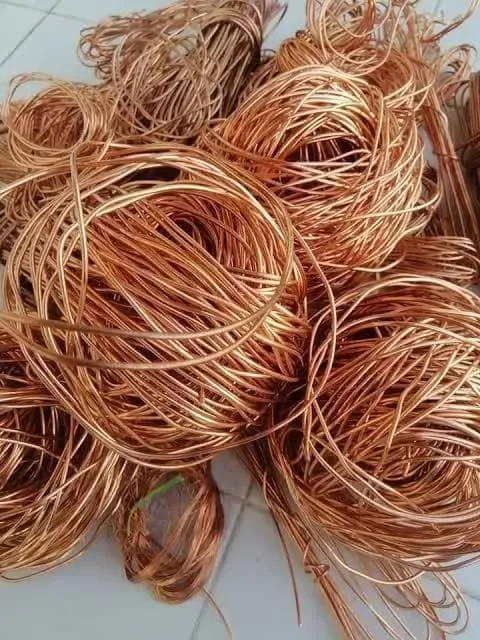
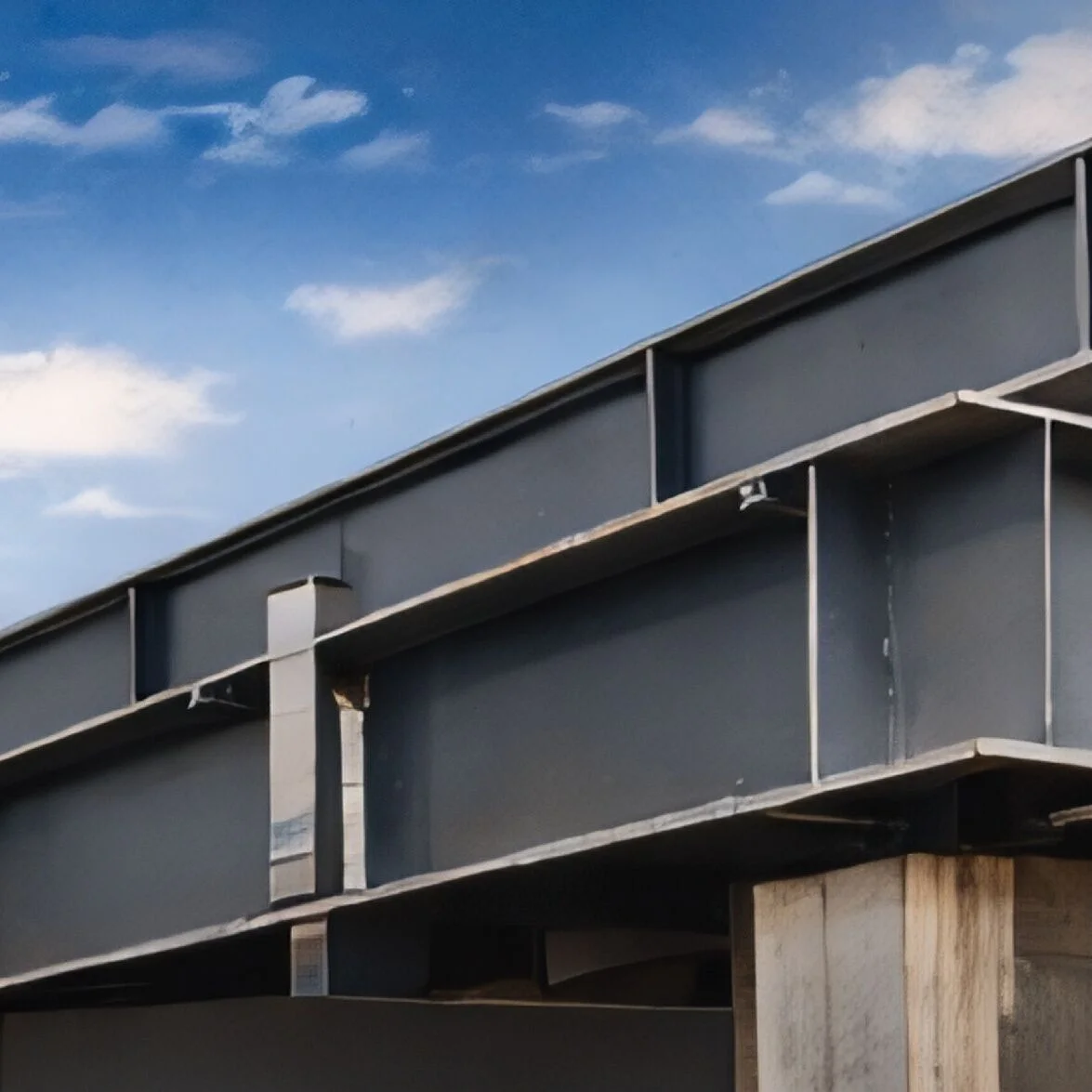
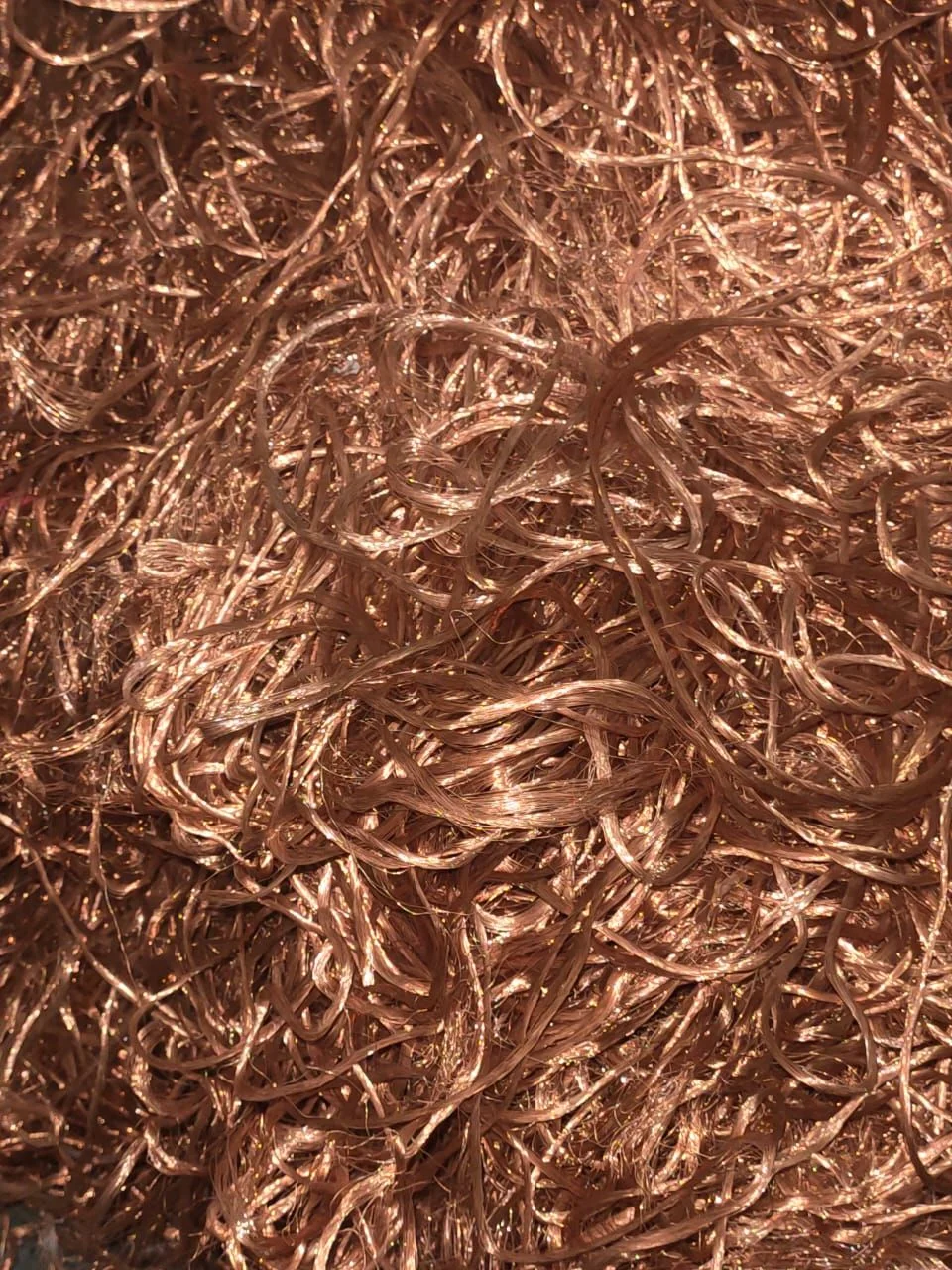
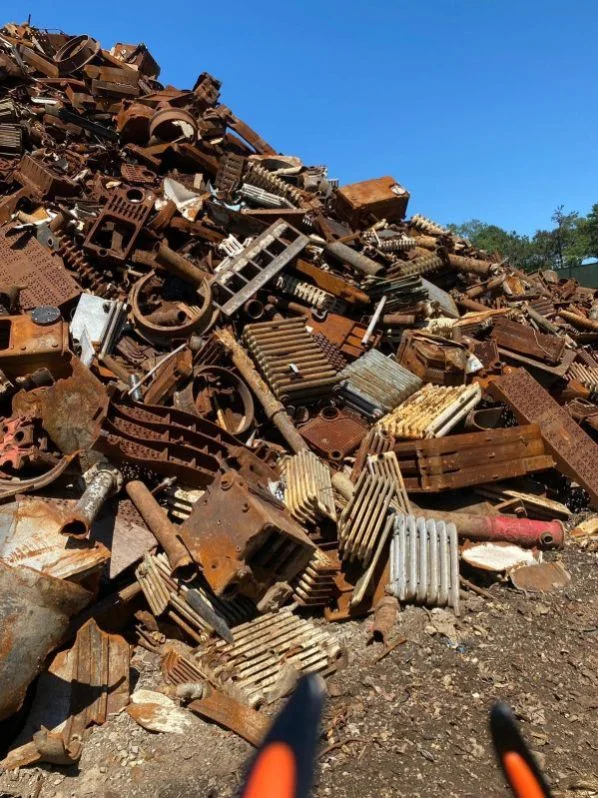
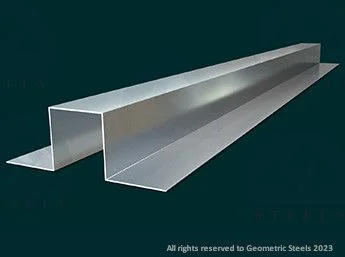
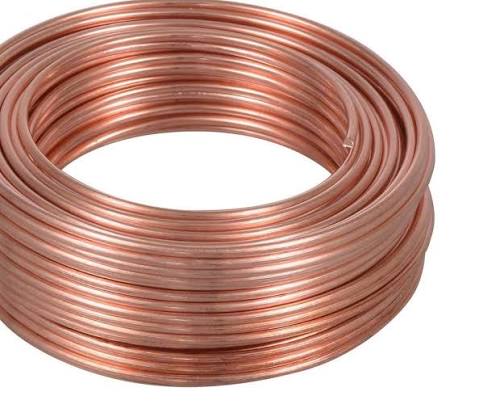
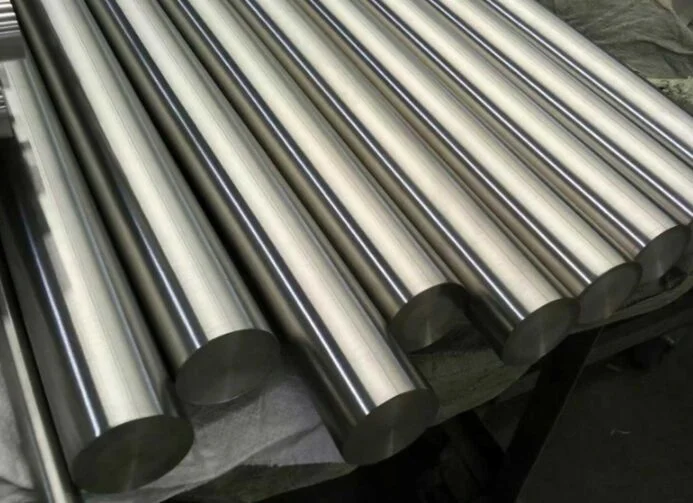
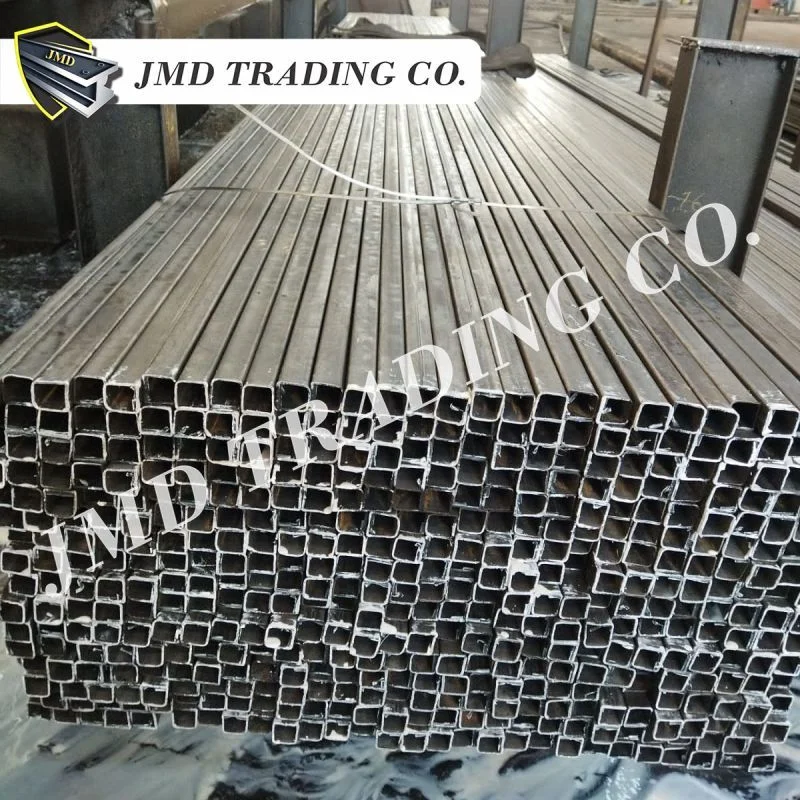
Ferric Lanka’s catalogue covers copper scrap (HS 7404.00) supplied as milberry copper with a minimum purity of 99.90 %, which aligns with the common industry grade of Cu 99.9 for melt‑shop use. Copper wire is listed under HS 7408.21 and meets the ETP grade of 99.99 % copper, a standard for electrical applications. Steel rebar (HS 7214.20) is described as hot‑rolled deformed carbon steel, typically conforming to grades such as B500B or ASTM A615 with tensile strengths around 500 MPa. The steel H‑beams and cylinders (HS 7216.10) are carbon structural steel S235JR/S275JR, matching the European EN 10025 specifications for structural sections. Heavy melting scrap (HMS 1 & 2) and used rails (HS 7204.29/7204.49) are classified as ferrous alloy scrap, usually containing 80 % steel and 20 % iron, and are processed in electric‑arc furnaces worldwide.
Trade and Export Information - Ferric Lanka
Sri Lanka’s metal‑scrap exports are largely directed to China, India, the United Arab Emirates and various European steel mills, where secondary steel and copper feedstock are in high demand. The HS‑code families used by Ferric Lanka (7204, 7214, 7216, 7302, 7404, 7408) fall under Chapter 72 and 74 of the Harmonised System, which commonly require SGS or Bureau Veritas inspection certificates for customs clearance. Buyers typically request material test reports confirming purity (e.g., Cu 99.9 % for milberry scrap) and carbon content for steel grades. Standard export packaging includes bulk steel bundles on pallets, copper scrap in woven polypropylene bags (approximately 1 ton per bag), and wire coiled on steel drums, all suitable for 20‑ft or 40‑ft container loading. Common Incoterms are FOB Colombo Port or CIF destination, with freight rates influenced by the high density of metal scrap.
Sourcing from Ferric Lanka - Buyer Guidance
When sourcing from Ferric Lanka, buyers should request a recent SGS or equivalent third‑party inspection report that verifies the material grade, moisture content and dimensions for each scrap type. For copper products, a certificate of analysis confirming Cu 99.90 %+ purity and the absence of foreign metals is standard; for steel, a mill test plate showing carbon, manganese and tensile strength values is advisable. Verify that the shipment will be packed in accordance with the buyer’s preferred logistics - bulk bundles for rebar, bagged copper for ease of handling, and secured coil wrapping for copper wire. Clarify the minimum order quantity, which for bulk scrap is often expressed in metric tonnes (e.g., 20 t per shipment) and confirm lead time, typically 2‑4 weeks after order confirmation, subject to port loading schedules.
Frequently Asked Questions About Ferric Lanka
What HS codes does Ferric Lanka use for its copper scrap products?
Copper milberry scrap is listed under HS code 7404.00, while electrolytic copper wire falls under HS code 7408.21.
What purity levels are specified for the copper products?
The copper milberry scrap is described as Cu 99.90‑99.98 %, and the copper wire is specified as electrolytic copper (ETP) with 99.99 % purity.
Which steel grades are offered for rebar and H‑beams?
Steel rebar is supplied as hot‑rolled deformed carbon steel, comparable to grades B500B/ASTM A615. H‑beams and cylinders are carbon structural steel S235JR or S275JR, matching EN 10025 standards.
What are the typical certifications buyers should request for these scrap metals?
Buyers usually request a third‑party inspection report (e.g., SGS) and a material test certificate that confirms purity for copper and chemical composition and tensile strength for steel.
How is the heavy melting scrap (HMS 1 & 2) classified and what is its typical composition?
HMS 1 & 2 is classified under HS 7204.49 as ferrous scrap consisting of an 80 % steel and 20 % iron mix, commonly used in electric‑arc furnace feedstock.
What packaging formats are typical for the listed products?
Copper scrap is often bagged in 1‑ton polypropylene bags, steel rebar is bundled on pallets, and copper wire is coiled on steel drums; all can be loaded into 20‑ft or 40‑ft containers.
Which regions are the main import markets for Sri Lankan metal scrap?
The main import markets include China, India, the United Arab Emirates and European steel‑producing countries such as Germany and Italy.
What Incoterms are commonly used for shipments from Ferric Lanka?
Typical Incoterms are FOB from Colombo Port or CIF to the buyer’s destination, depending on the buyer’s logistics preferences.




 , Sri Lanka