Fairleigh Ent Ltd — Verified Supplier
About Fairleigh Ent Ltd - Mineral Water Supplier in New Zealand
Fairleigh Ent Ltd operates out of New Zealand and currently lists five active products in its catalogue. The catalogue spans five top categories - mineral water, milk and milk products, meat and poultry equipment, IQF frozen fruit blocks, and timber - reflecting a diversified product portfolio.
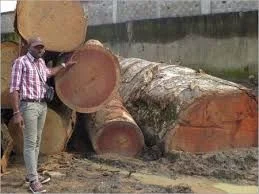
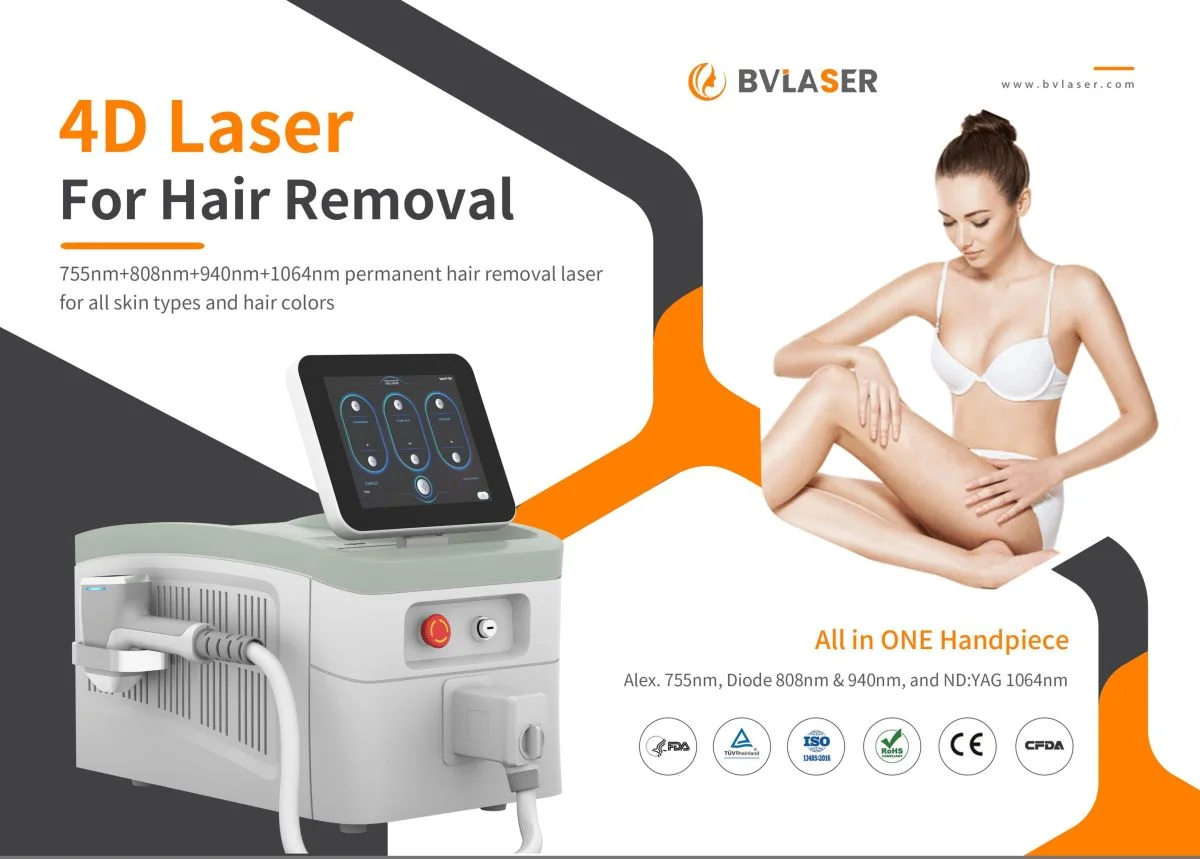
The listed products include Julian Fairlie Water, a line of fresh, pasteurised and frozen milk, a meat deboning machine, packs of frozen fruit blocks, and sawn minus radiata timber. Each entry is identified by its generic product name without additional specifications, allowing buyers to request detailed technical data as needed.
Product Range and Specialties of Fairleigh Ent Ltd
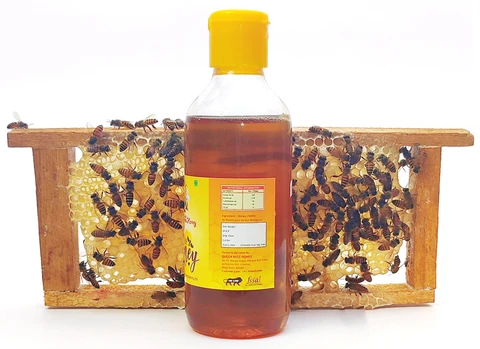
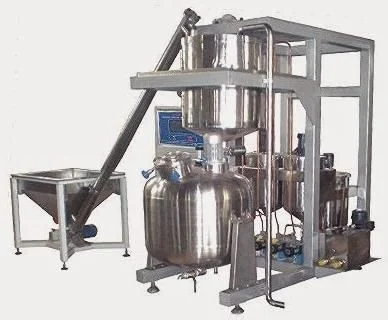
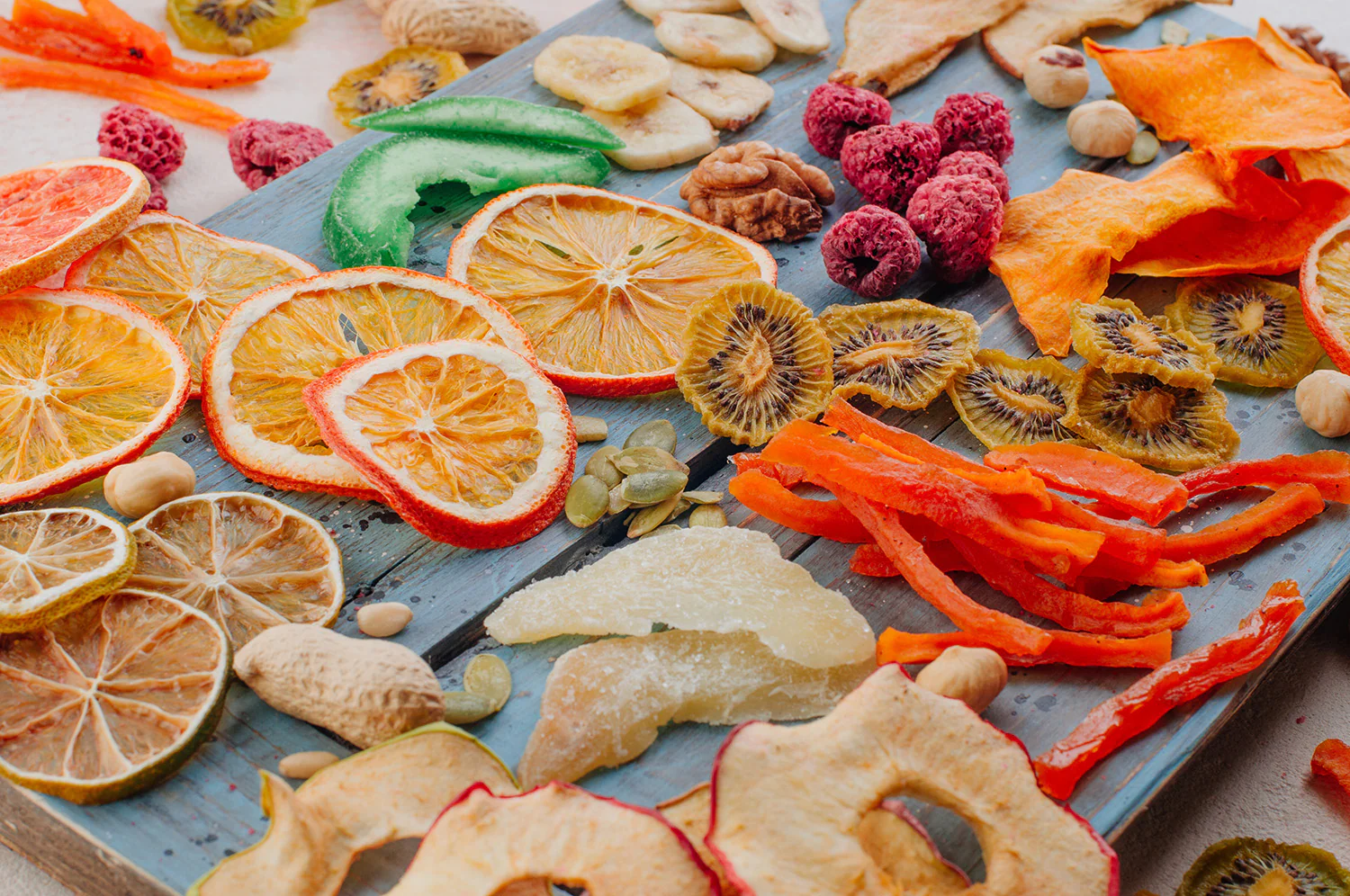
The supplier’s catalogue covers bottled mineral water, which in the industry is commonly produced to ISO 22000 food‑safety standards and may be graded by total dissolved solids (TDS) ranging from 50 mg/L to 500 mg/L. Milk and milk products listed under the ‘fresh, pasteurised, frozen milk’ label typically meet New Zealand’s Food Safety Standards, with pasteurisation at 72 °C for 15 seconds and frozen milk stored at - 18 °C. The meat deboning machine falls into the processing‑equipment segment; buyers usually look for stainless‑steel construction, a capacity of 500 - 1 000 kg per hour, and compliance with IEC safety standards. IQF (individually quick‑frozen) fruit blocks are generally supplied in 1 kg or 5 kg cartons, with a freeze point below - 30 °C to preserve texture and colour; industry grades reference size uniformity of 20 - 30 mm per block. Sawn minus radiata timber is typically graded by moisture content (8 - 12 % for construction) and dimensions such as 2 × 4 inches or 2.5 × 6 inches, with a common classification of C‑grade for structural use.
Trade and Export Information - Fairleigh Ent Ltd
New Zealand is a recognized exporter of bottled water, dairy, meat‑processing equipment, frozen fruit and softwood timber. Buyers from Australia, Southeast Asia, the European Union and the United States regularly import these categories, often using container loads of 20 ft or 40 ft depending on product volume. Standard trade terms include CIF or FOB, with palletised milk and fruit blocks packed in insulated boxes, timber shipped on bulk pallets, and equipment crated to ISO container standards. Typical certifications requested by importers include ISO 22000, HACCP, BRC for food items, and FSC or PEFC for timber, while equipment may require CE marking or compliance with the relevant IEC safety directives. Export documentation from New Zealand frequently includes a phytosanitary certificate for timber, a health certificate for dairy and meat products, and a declaration of origin for customs clearance.
Sourcing from Fairleigh Ent Ltd - Buyer Guidance
When sourcing from Fairleigh Ent Ltd, buyers should request the specific grade sheet for Julian Fairlie Water, including TDS and microbiological test results, as well as the ISO 22000 or HACCP audit report. For the milk line, a pasteurisation certificate, microbial analysis (colony‑forming units per gram), and a freezer‑temperature log are standard verification items. The meat deboning machine should be accompanied by a CE Declaration of Conformity, a user‑manual in English, and test data on cutting force and throughput. Frozen fruit blocks require a sample batch for sensory and freeze‑point testing, together with a packaging integrity report. Timber buyers normally ask for a moisture‑content report, a grade certificate (e.g., C‑grade), and an FSC or PEFC chain‑of‑custody statement before confirming a shipment.
Frequently Asked Questions About Fairleigh Ent Ltd
What type of water does Julian Fairlie Water represent?
It is listed as a mineral water product; buyers should verify the total dissolved solids and microbiological limits according to ISO 22000 standards.
Is the milk supplied pasteurised or raw?
The catalogue specifies fresh, pasteurised and frozen milk, indicating that the pasteurised portion follows the standard 72 °C for 15 seconds treatment.
What are the key specifications of the meat deboning machine?
Typical specifications include stainless‑steel construction, a processing capacity of 500 - 1 000 kg per hour, and compliance with IEC safety standards; request the CE declaration for confirmation.
How are the frozen fruit blocks packaged for export?
IQF fruit blocks are generally packed in insulated cartons of 1 kg or 5 kg, with a freeze‑point below - 30 °C to maintain quality during transit.
What grade of timber is offered under ‘Sawn Minus Radiata’?
The timber is described as ‘minus radiata’, which is usually graded C‑grade for structural applications, with a moisture content of 8 - 12 %.
Which certifications should I ask for before importing these products?
For food items request ISO 22000/HACCP or BRC certificates; for timber ask for FSC or PEFC chain‑of‑custody; for the machine request a CE Declaration of Conformity.
What are the typical shipment sizes for these products?
Bottled water and milk are shipped in palletised cartons, frozen fruit in insulated containers, timber on bulk pallets, and the machine crated for 20 ft or 40 ft containers, depending on order volume.
Are there any regulatory documents required for New Zealand exports?
Yes, dairy and meat products need a health certificate, timber requires a phytosanitary certificate, and all food shipments must include a certificate of origin for customs clearance.




 , New Zealand