Agriculture›
 Apparel and fashion accessories›
 Construction & real estate›💡Electronic & Electrical›🍎Food & Beverages›🛋️Home furnishing & supplies›⚗️Industrial goods & chemical›🪨Minerals & metals›📦Miscellaneous›Agriculture›Apparel and fashion accessories›Construction & real estate›💡Electronic & Electrical›🍎Food & Beverages›🛋️Home furnishing & supplies›⚗️Industrial goods & chemical›🪨Minerals & metals›📦Miscellaneous›

Export Experts Private Limited
🚢 Voyage , PakistanEst. 1966-12-31New supplier / no reviews yet
Export Experts Private Limited Product Catalog
About Export Experts Private Limited - Food & Agricultural Products Supplier in Pakistan
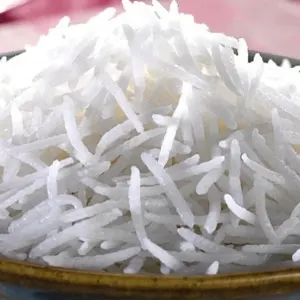
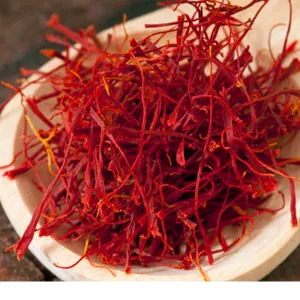
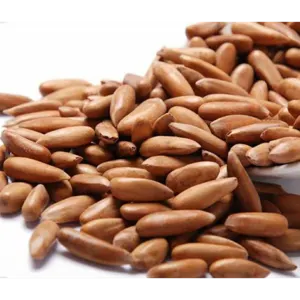
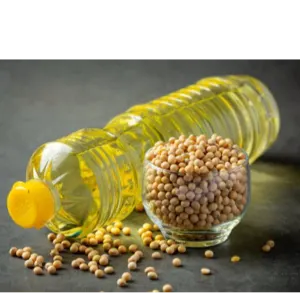
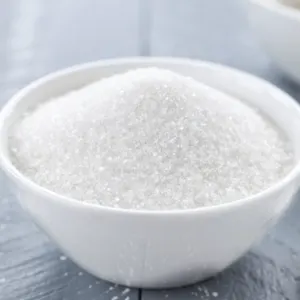
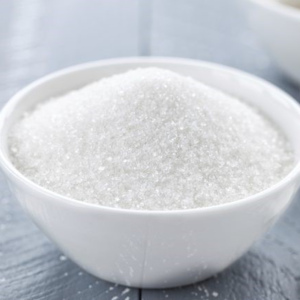
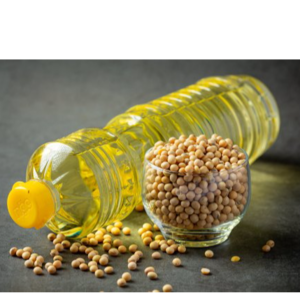
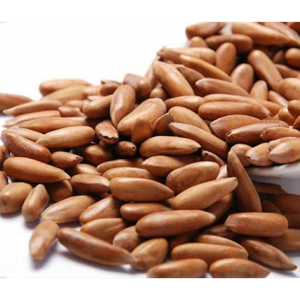
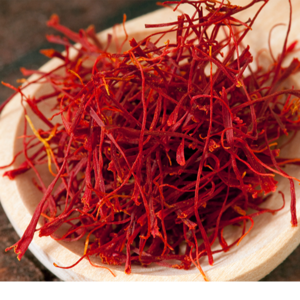
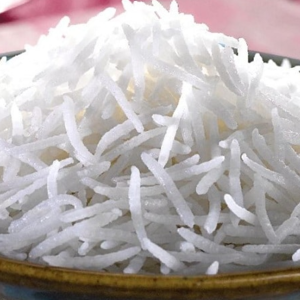
Export Experts Private Limited operates from Punjab province in Pakistan and currently lists six active products in its export catalogue. The catalogue entries are sugar (HS 1701.12), soybean oil (HS 1507.90), pine nuts (HS 0802.92), natural saffron (HS 0910.20), Basmati steam rice (HS 1121) and henna powder & paste (HS 1404.90). Each product is identified by its specific HS code and material description, aligning with standard customs classification. The supplier’s focus is on agricultural and food‑grade commodities that are commonly traded from Pakistan. No additional product lines or services are mentioned beyond these six items.
The listed sugar falls under the refined sugar heading of HS chapter 17, while soybean oil is classified in the edible oils section of chapter 15. Pine nuts are recorded under edible seeds of chapter 8, and saffron is placed in the spice category of chapter 9. Basmati rice is a long‑grain milled rice covered by HS chapter 11, and henna is catalogued as a cosmetic raw material in chapter 14. All six items are typical export commodities from Pakistan’s agrarian sector. The supplier’s catalogue therefore reflects a narrow but diverse selection of food and cosmetic raw materials.
Product Range and Specialties of Export Experts Private Limited
The catalogue provides refined white sugar, crude soybean oil, shelled pine nuts, dried saffron stigmas, extra‑long grain Basmati rice and powdered henna. In the global market sugar is graded by ICUMSA numbers, with ICUMSA 45 and 70 being the most common specifications for Pakistani exporters. Soybean oil is usually refined to a free‑fatty‑acid level of ≤0.1 % and peroxide value ≤10 meq O₂/kg. Pine nuts are traded as USDA No. 1 or No. 2 grade with moisture content below 5 % and aflatoxin limits under 2 µg/kg. Saffron quality follows ISO 3632, requiring crocin content of at least 30 % and moisture ≤12 %. Basmati rice is commonly marketed with a grain length of 7‑8 mm, aroma index ≥65 % and broken grain ratio ≤5 %. Henna powder is typically standardized at ≥95 % Lawsonia inermis purity and low heavy‑metal content. These industry benchmarks complement the supplier’s listed items and help buyers align expectations.
Frequently Asked Questions About Export Experts Private Limited
What product categories are listed in Export Experts Private Limited’s catalogue?
The catalogue includes refined sugar, soybean oil, pine nuts, natural saffron, Basmati steam rice and henna powder & paste, each identified with a specific HS code.
Which HS codes correspond to the six products offered?
Sugar - 1701.12; Soybean oil - 1507.90; Pine nuts - 0802.92; Saffron - 0910.20; Basmati rice - 1121; Henna - 1404.90.
What quality specifications are typically required for Pakistani sugar exports?
Buyers usually require ICUMSA 45 or 70 grade, moisture ≤0.1 %, ash ≤0.04 % and a Certificate of Analysis confirming compliance with food‑safety standards.
How is saffron quality verified for international buyers?
Saffron is tested against ISO 3632, focusing on crocin content of ≥30 %, safranal ≥0.3 % and moisture ≤12 %; a laboratory report and phytosanitary certificate are standard.
What packaging formats are common for the rice and nuts offered?
Basmati rice is typically packed in 25 kg polypropylene bags, while pine nuts are shipped in 500 kg bulk cartons or 25 kg jute bags, both sealed to protect against moisture.
PakistanRelated Suppliers & Products
Explore similar suppliers, related products and trending categories











.jpg.png)