Expo International Primo — Verified Supplier
About Expo International Primo - Herbs Supplier in India
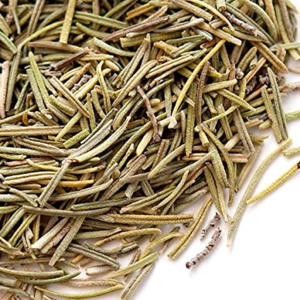
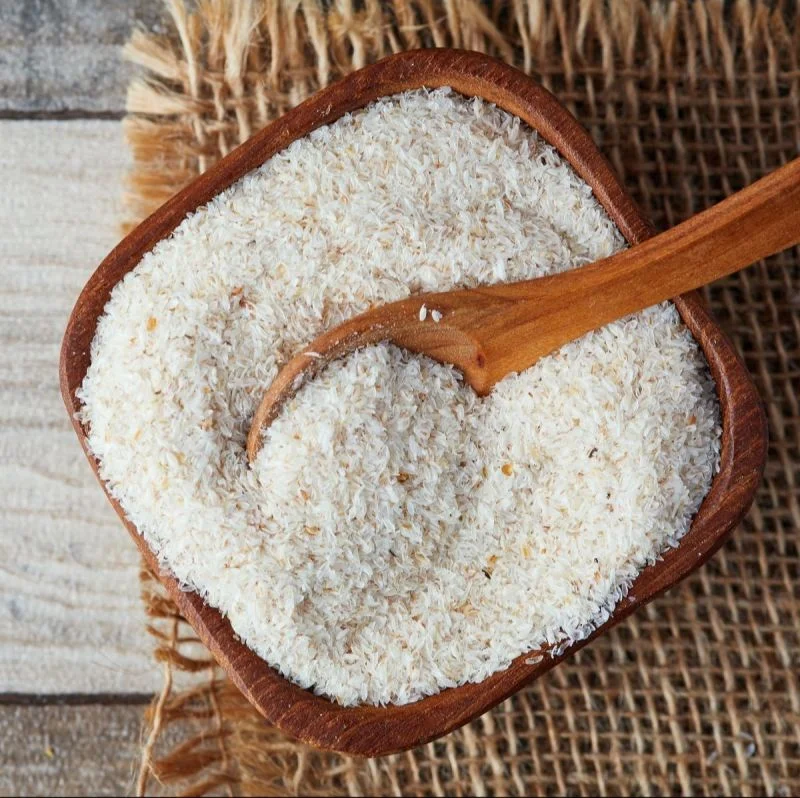
India hosts the supplier Expo International Primo, which currently lists ten distinct agricultural products in its catalogue. The catalogue spans the top categories of Herbs, Spices and Vegetables, and includes items such as Red Millet, Red Pepper, Coriander, Brinjal, Bitter Gourd, Emetic Nut, Peppermint, Avaram Senna, Green Gram and Punarnava. Each product is identified by name only, with no additional specifications or HS codes provided in the source data. The supplier is classified under the "harbor" trust tier in the platform.
The product set combines both grain and pulse items (Red Millet, Green Gram) and a variety of fresh or dried vegetables and herbs (e.g., Brinjal, Bitter Gourd, Coriander, Peppermint). While the catalogue does not supply quantitative details such as packaging weight, moisture content or grade, the inclusion of both herbs and spices suggests a focus on bulk agricultural commodities commonly traded from India. The listing does not reference any certifications held by the supplier.
Product Range and Specialties of Expo International Primo
The catalogue’s ten items cover several sub‑segments of the Indian agricultural export market. Red Millet and Green Gram are classified as cereals and pulses, typically exported in 25 kg or 50 kg polypropylene bags with moisture limits of 12 % for millet and 13 % for gram. Red Pepper and Coriander fall under the spice segment (HS 0904), where buyers often require ICUMSA‑45 colour for pepper and a purity of ≥ 95 % for coriander seed. Vegetables such as Brinjal, Bitter Gourd and Punarnava are usually shipped fresh in refrigerated containers or as chilled packed cartons, with an acceptable shelf life of 7‑10 days post‑harvest. Herbs like Peppermint and Avaram Senna are traded as dried leaf material, commonly graded by leaf size (10‑15 mm) and essential‑oil content (≥ 0.8 %).
Indian exporters of these categories frequently adhere to ISO 22000 food‑safety management, HACCP plans and may hold organic or Fair‑Trade certifications depending on the buyer’s market. Standard export documentation includes phytosanitary certificates, a certificate of origin and, for spices, a commodity analysis report covering aflatoxin and pesticide residues.
Trade and Export Information - Expo International Primo
Spices and herbs from India are primarily shipped to the European Union, United States and Middle Eastern markets, where HS chapter 09 (0904 Spices, 0905 Herbs) governs tariff treatment. Vegetables are classified under HS chapter 07, with fresh produce often subject to additional phytosanitary inspections in the EU and GCC. Export logistics commonly use 20 ft or 40 ft containers, with refrigerated units for fresh vegetables and standard dry containers for millets, pulses and dried herbs. Buyers typically request ISO 22000 or HACCP compliance, and may also ask for organic certification (EU‑organic, USDA‑NOP) when sourcing peppermint or coriander.
Indian exporters generally prefer FOB or CIF terms, with packaging designed to meet the target market’s standards - for example, double‑wall cardboard boxes for dried herbs, and insulated pallets for fresh vegetables. Compliance with the Food Safety and Standards Authority of India (FSSAI) is mandatory for domestic processing, and many overseas buyers require a laboratory analysis report confirming limits for heavy metals, pesticide residues and microbial counts before shipment.
Sourcing from Expo International Primo - Buyer Guidance
When sourcing from Expo International Primo, buyers should request a product specification sheet that lists moisture content, particle size, colour index and any pesticide‑residue limits for each item. For spices and herbs, a recent commodity analysis report covering aflatoxin, lead and microbial load is standard practice. Samples of at least 5 kg for millets or 2 kg for dried herbs allow verification of grade before a full order.
Buyers should also verify the supplier’s ability to provide the required phytosanitary certificate and, where applicable, organic certification. Confirmation of packaging dimensions (e.g., 25 kg bag, carton size) and the intended Incoterm (FOB Mumbai or CIF Dubai) helps align logistics. Clarifying the minimum order quantity - often 1 metric tonne for bulk grains and 500 kg for spices - reduces the risk of mismatched expectations.
Frequently Asked Questions About Expo International Primo
What product categories does Expo International Primo list?
The supplier lists ten items across herbs, spices and vegetables, including Red Millet, Red Pepper, Coriander, Brinjal, Bitter Gourd, Emetic Nut, Peppermint, Avaram Senna, Green Gram and Punarnava. These products represent both dried and fresh agricultural commodities.
Are HS codes provided for the products?
The current catalogue does not include HS codes. Typically, Indian spices fall under HS 0904, herbs under HS 0905 and fresh vegetables under HS 0701‑0709, which buyers can use for customs classification.
What certifications should a buyer request?
Buyers usually ask for ISO 22000 or HACCP compliance, a phytosanitary certificate, and, where organic status is required, the relevant organic certificate such as EU‑organic or USDA‑NOP. Requesting a recent laboratory analysis report is also common practice.
What are typical packaging formats for these goods?
Millets and pulses are commonly packed in 25 kg polypropylene bags, dried herbs in 1 kg or 5 kg paper bags, and fresh vegetables in refrigerated cartons or insulated pallets suitable for 20 ft or 40 ft containers. Packaging is designed to protect product quality during sea transport.
What is the usual minimum order quantity?
Bulk grains and pulses often have a minimum order of 1 metric tonne, while spices and dried herbs typically start at 500 kg. Fresh vegetables may be ordered in pallet loads of 1‑2 tonnes, depending on the buyer’s requirements.
Which markets import these Indian products?
Major importers include the European Union, United States, United Arab Emirates and Saudi Arabia for spices and herbs, and the EU and GCC countries for fresh vegetables. These regions have established demand for Indian agricultural commodities.
How long does it take to ship the products?
Lead times depend on the product type; dried goods can be ready for shipment within 10‑15 days after order confirmation, whereas fresh vegetables usually require 5‑7 days to harvest, pack and load. Shipping times then follow standard sea‑freight schedules for the selected Incoterm.




 , India