Evergreen Impex — Verified Supplier
About Evergreen Impex - Basmati Rice Supplier in India
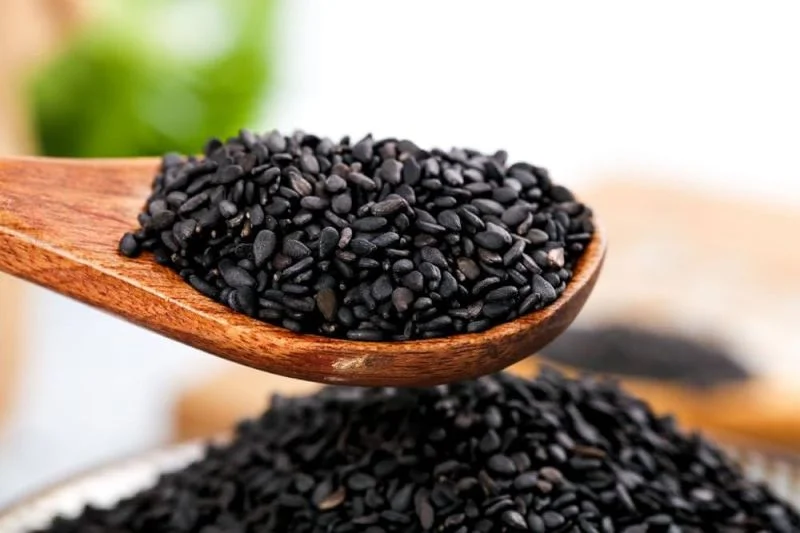
Evergreen Impex operates from India and lists 47 active products across grains, pulses, spices, fresh vegetables and fruit. The catalogue includes items such as fresh onion, fresh potato, Cavendish banana (HS 0803.90), several varieties of basmati and non‑basmati rice (HS 1006.30), mustard seeds, cloves, sesame seeds and a selection of Indian spices.
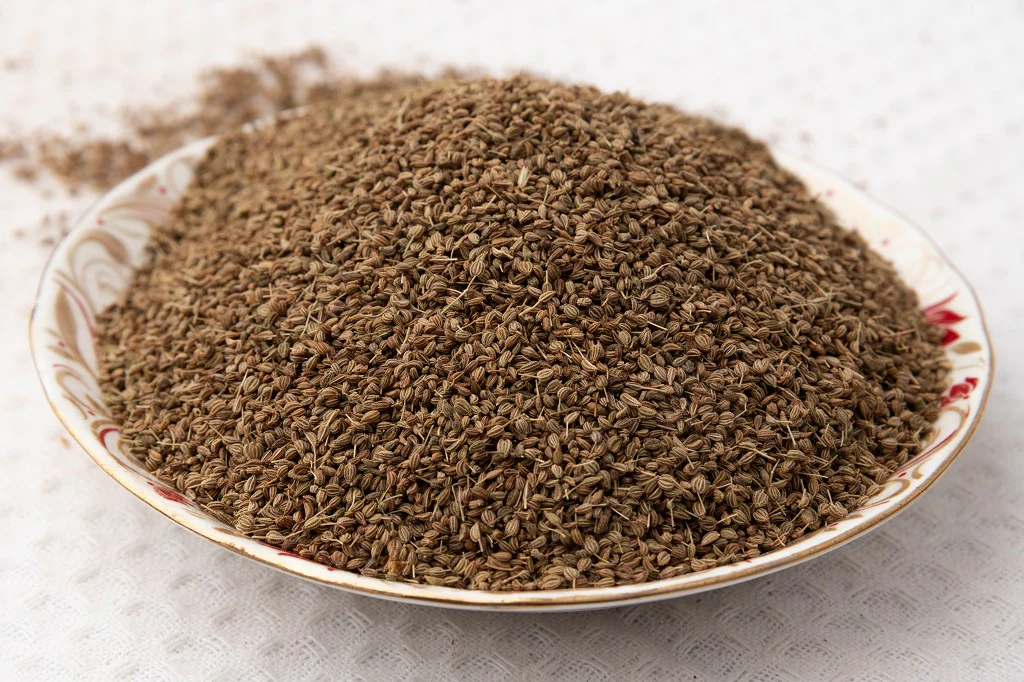
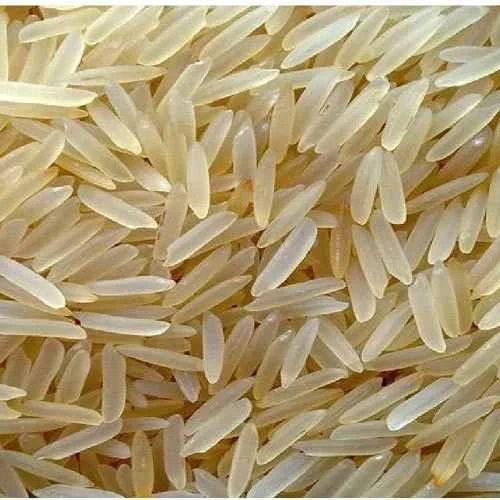
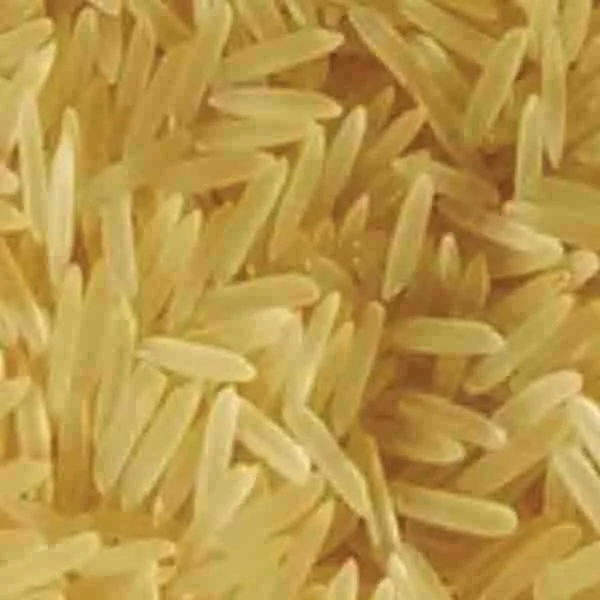
The product list also covers processed forms like dried red onion, green cardamom, fennel seed, fenugreek, dill seed, peanut, split cassia and assorted Indian flowers. Each entry is identified by its material description where provided, for example 1121 Golden Sella Basmati Rice is milled parboiled basmati (HS 1006.30). The supplier’s trust tier is classified as “harbor” in the platform.
Product Range and Specialties of Evergreen Impex
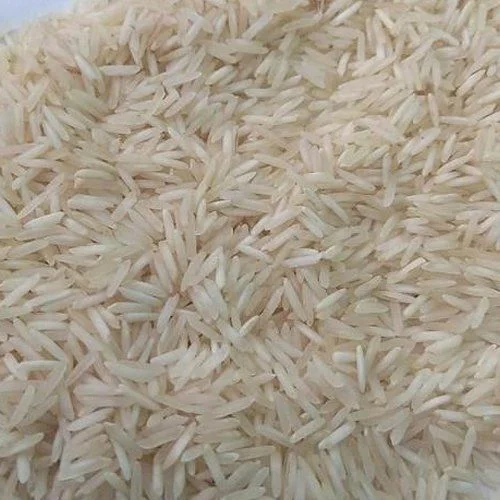
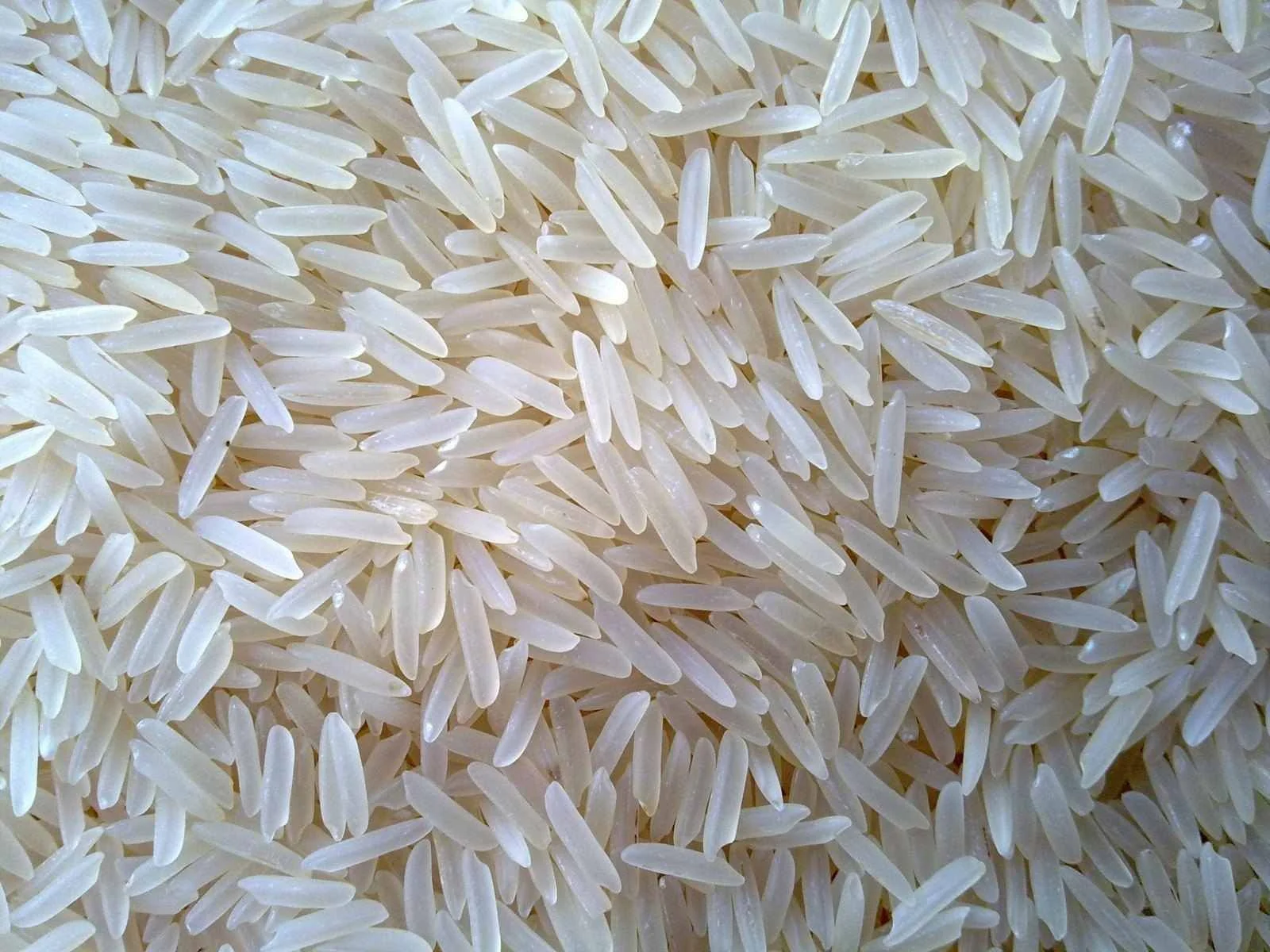
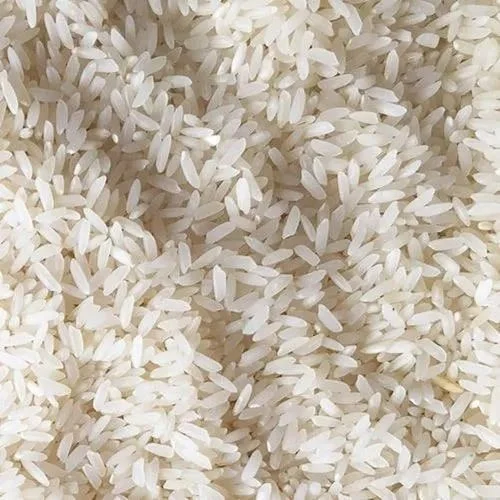
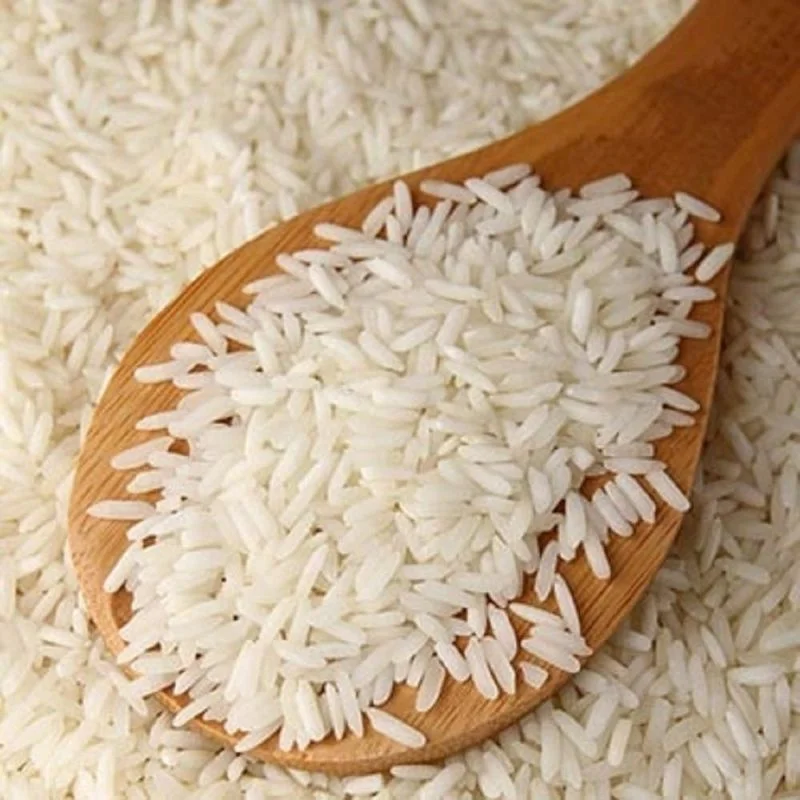
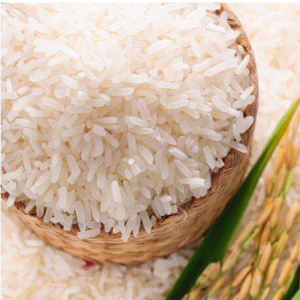
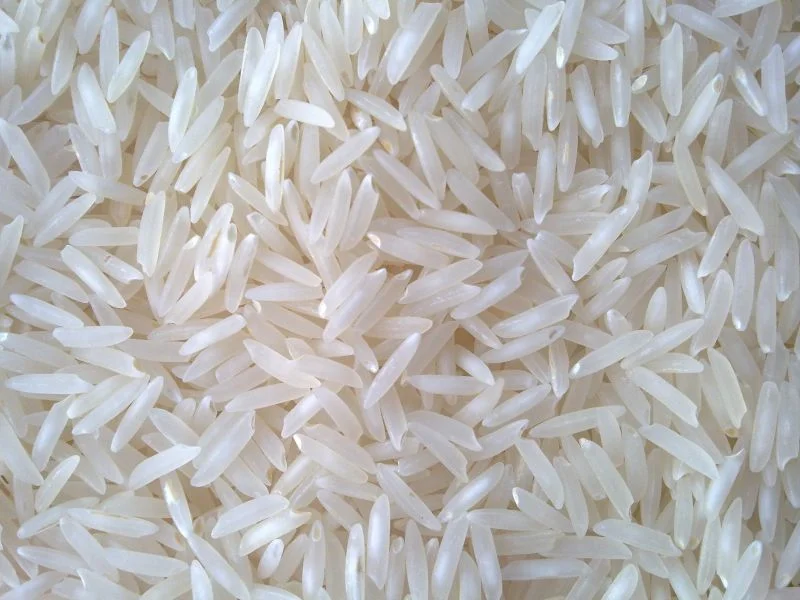
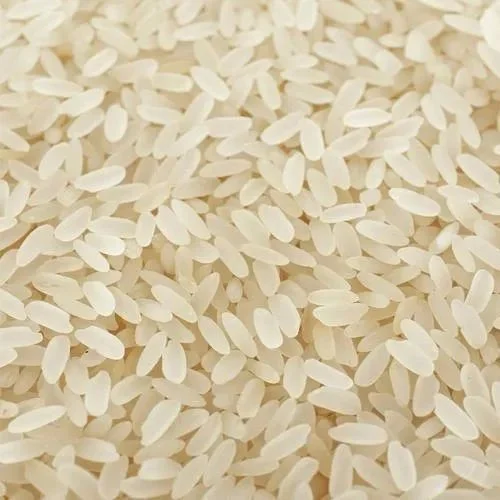
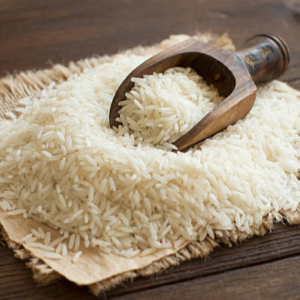
The catalogue features multiple basmati rice grades such as 1121 Golden Sella, 1121 Steam, 1509 Steam, 1509 Golden Sella and Pusa White Sella, all falling under HS chapter 1006 for milled rice. In the Indian export market, basmati grades are distinguished by kernel length (long >6.5 mm), aroma intensity, and broken percentage, with premium export lines typically below 5 % broken kernels.
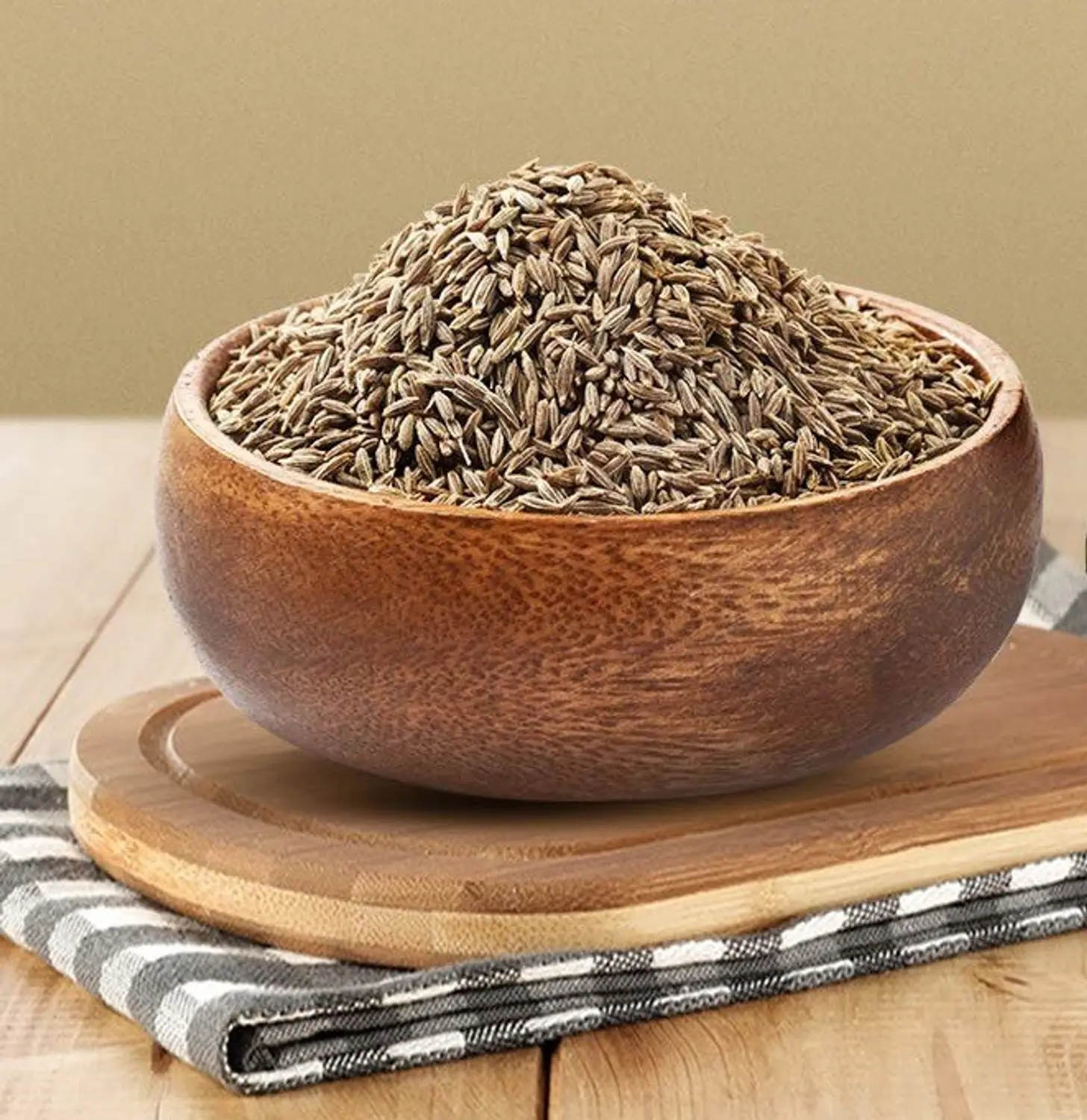
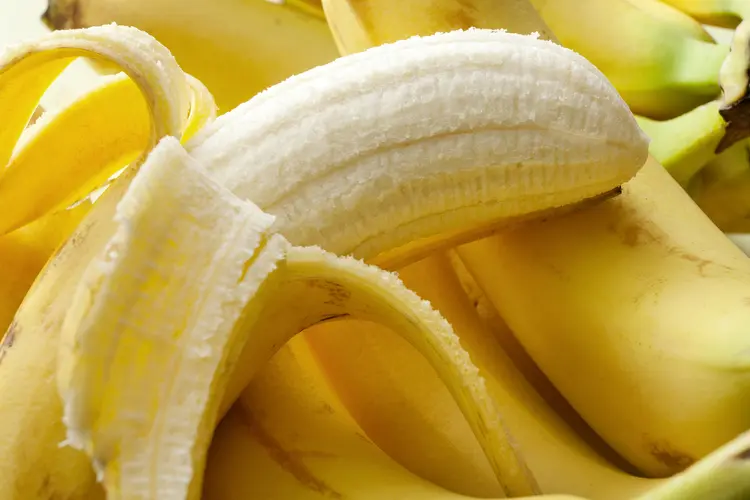
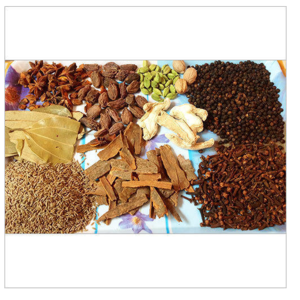
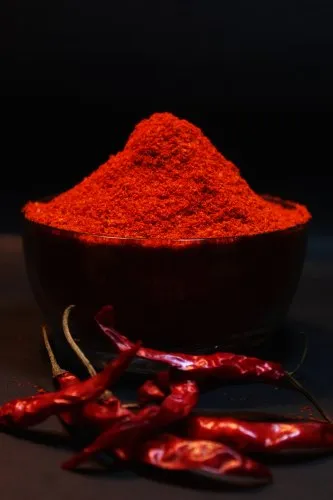
Spice entries include black pepper, green cardamom, cloves, coriander seed & powder, dry red chilli and fennel seed, which are usually shipped in 25 kg jute bags and conform to IS I standards for moisture (<12 %) and volatile oil content. Fresh produce such as onion, potato, banana and Indian vegetables are commonly packed in 10 kg or 20 kg cartons, with bananas meeting the 0803.90 HS code requirements for fresh fruit.
Trade and Export Information - Evergreen Impex
India is a major exporter of basmati rice to the Middle East, Europe and South‑East Asia, with HS 1006.30 shipments subject to phytosanitary certificates and, where required, a certificate of origin for preferential duty rates. Banana exports under HS 0803.90 are typically shipped in refrigerated containers (40 ft reefer) to GCC and East‑African markets, accompanied by a phytosanitary inspection and a pre‑shipment lab report for pesticide residues.
Spice exports generally follow HS chapter 09, requiring compliance with the EU’s food safety regulation (Regulation EU 1169/2011) and the US Food and Drug Administration’s food safety standards. Common buyer‑requested certifications include ISO 22000, FSSAI licence and, for organic variants, NPOP or USDA Organic. Packaging for bulk grains is usually 50 kg polypropylene bags, while spices are packed in 25 kg jute or woven polypropylene bags.
Sourcing from Evergreen Impex - Buyer Guidance
Buyers should request a recent phytosanitary certificate and a certificate of origin for all fresh produce, and a laboratory analysis report confirming moisture, broken percentage and pesticide residue limits for rice and spices. It is advisable to obtain a sample batch to verify aroma intensity for basmati rice and oil content for spices before confirming larger orders.
Confirm that the supplier can provide ISO 22000 or equivalent food safety system documentation, and clarify the packaging format (e.g., 50 kg PP bags for rice, 25 kg jute bags for spices) to ensure compatibility with the buyer’s logistics chain. Verify lead times for each product category, as fresh fruit typically requires a 2‑3 week window while milled rice may have a 4‑6 week production schedule.
Frequently Asked Questions About Evergreen Impex
What basmati rice grades does Evergreen Impex offer and under which HS code?
The supplier lists 1121 Golden Sella, 1121 Steam, 1509 Steam, 1509 Golden Sella, Pusa White Sella and other basmati varieties, all classified under HS code 1006.30 for milled rice.
Which certifications should a buyer request for the spice products?
Buyers typically request ISO 22000 or FSSAI licence, and for organic lines a NPOP or USDA Organic certificate, together with a recent laboratory analysis for moisture and volatile oil content.
How are fresh bananas packaged and shipped?
Cavendish bananas are packed in 18‑20 kg cartons and shipped in temperature‑controlled 40 ft reefer containers. The shipment must be accompanied by a phytosanitary certificate and a pesticide residue test report.
What is the standard packaging for milled basmati rice?
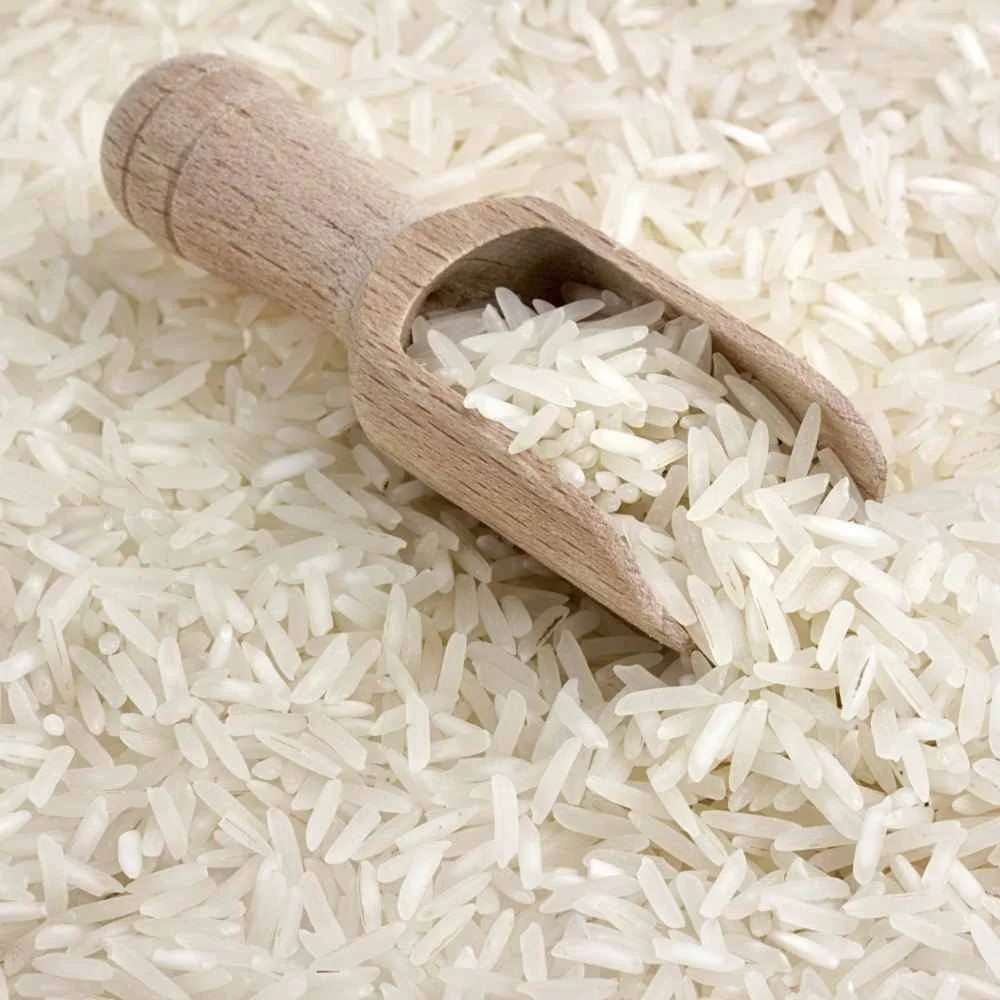
Milled basmati rice is commonly packed in 50 kg polypropylene bags, sometimes placed in 1 ton wooden crates for ocean freight. The bags are sealed with moisture‑proof liners to maintain grain quality.
Which documents are essential for importing Indian onions?
A phytosanitary certificate, certificate of origin and a lab report confirming moisture below 12 % are standard requirements for onion imports.
What are typical lead times for fresh vegetables versus rice?
Fresh vegetables such as onion and potato usually have a 2‑3 week lead time to accommodate harvesting and cold chain logistics, while milled rice varieties generally require 4‑6 weeks for processing and quality inspection.
Are there any specific HS codes buyers should note for the listed products?
Yes. Banana is HS 0803.90, basmati rice varieties fall under HS 1006.30, and most spices are covered by HS chapter 09 (e.g., black pepper HS 0904, cardamom HS 0905).
What quality parameters are inspected for basmati rice exports?
Export‑grade basmati rice is inspected for kernel length (≥6.5 mm), aroma intensity, broken grain percentage (<5 %), moisture content (<14 %) and absence of foreign matter.




 , India