Emperor — Verified Supplier
About Emperor - Tea Supplier in Sri Lanka
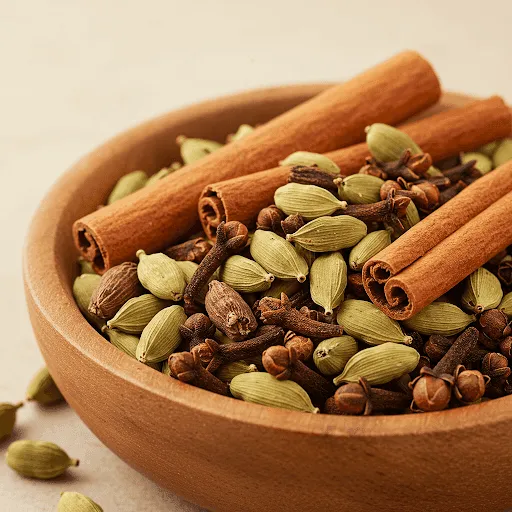
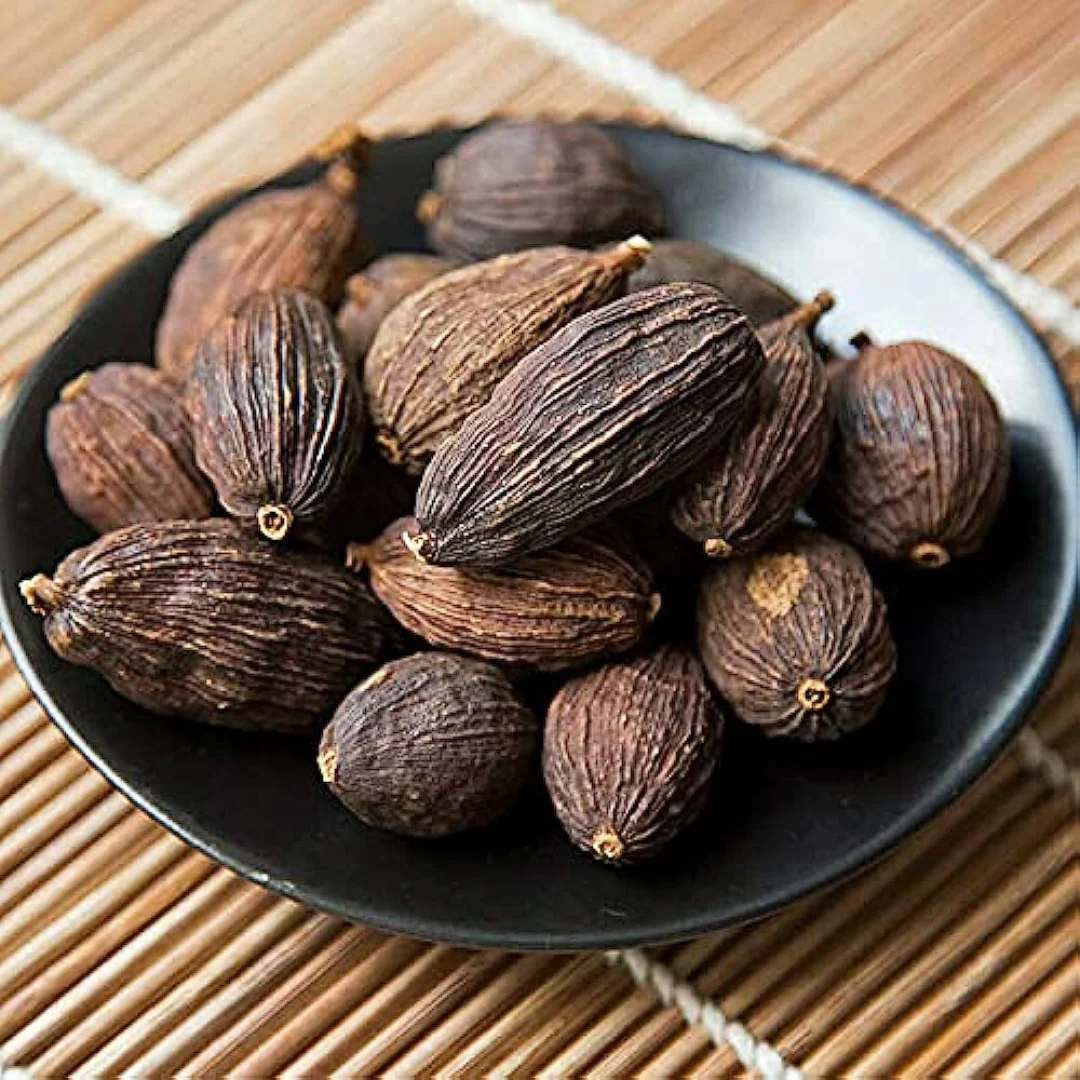
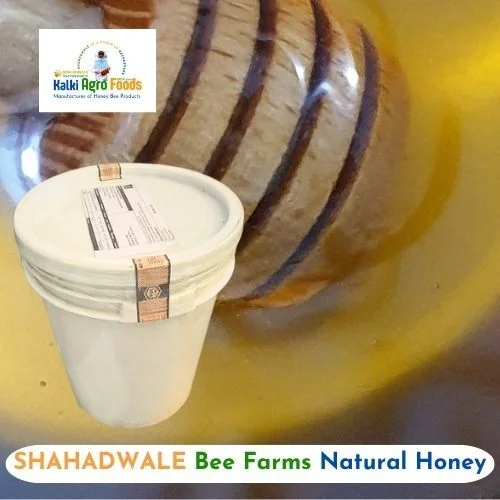
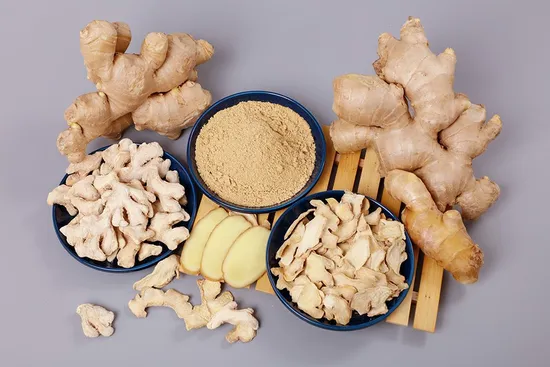
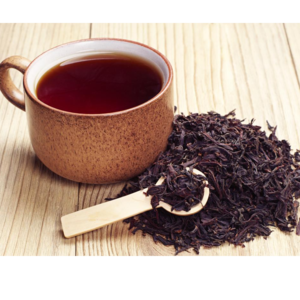
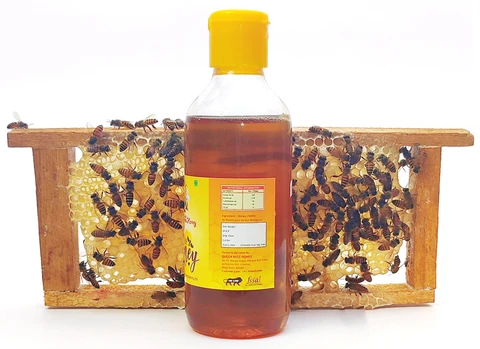
Sri Lanka lists 14 active products from Emperor, covering tea, spices, honey, ginger, coffee and cashews. The catalogue includes Ceylon Black Tea BOP, BOPF, CTC, English Breakfast, Green Tea and flavored teas, as well as Ceylon Cinnamon, Cloves, Black Pepper, Nutmeg and Mace, Honey, Ginger, Arabica Coffee and Cashews. Each entry is recorded under the supplier’s top categories of Tea, Black Cardamom, Cloves, Pepper, Nutmegs, Honey, Fresh Ginger and Coffee Beans, reflecting the typical export mix from the island. The product set spans both bulk and value‑added forms: tea in bulk (BOP, BOPF) and bagged formats, whole spices, raw honey, fresh ginger roots, roasted coffee beans and shelled cashews. No HS codes are supplied in the source data, so the description relies on the product names and categories as provided.
Product Range and Specialties of Emperor
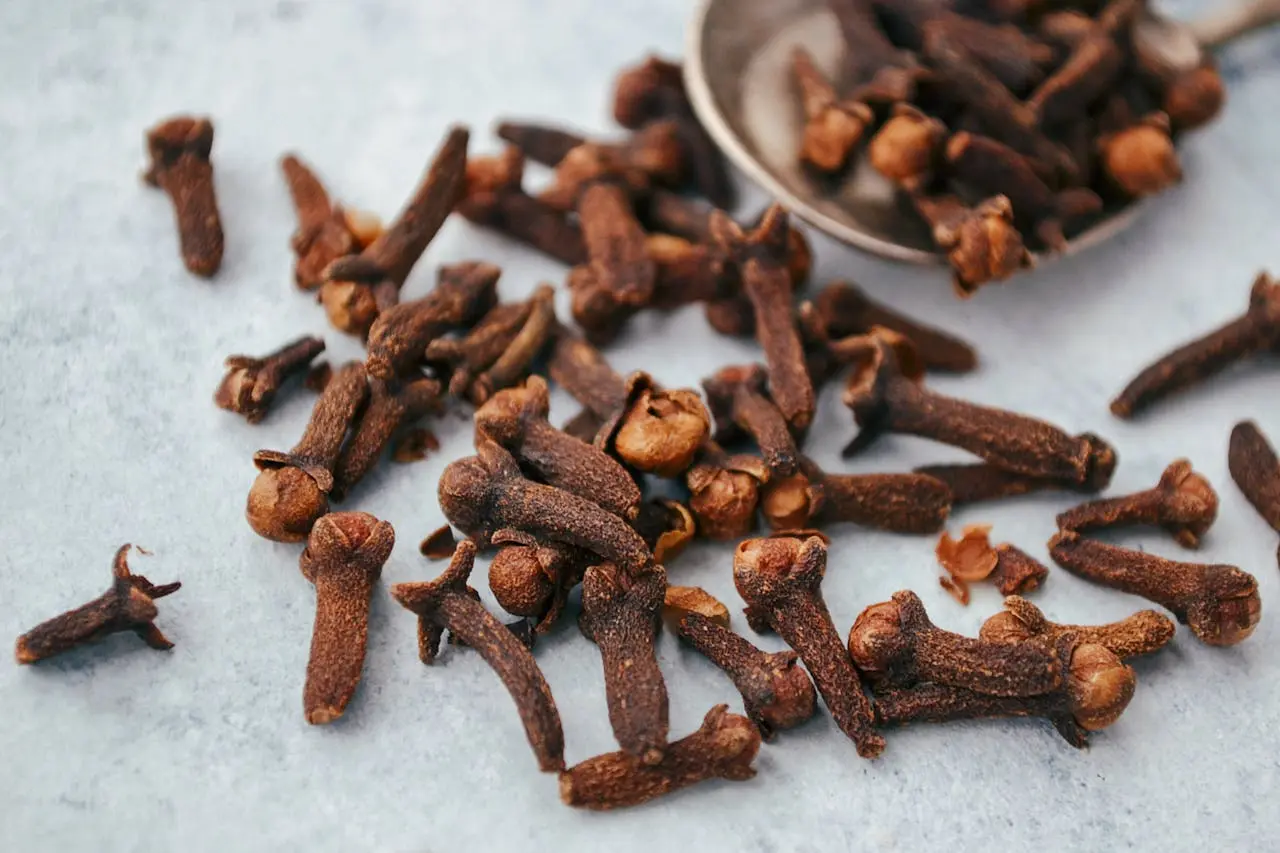
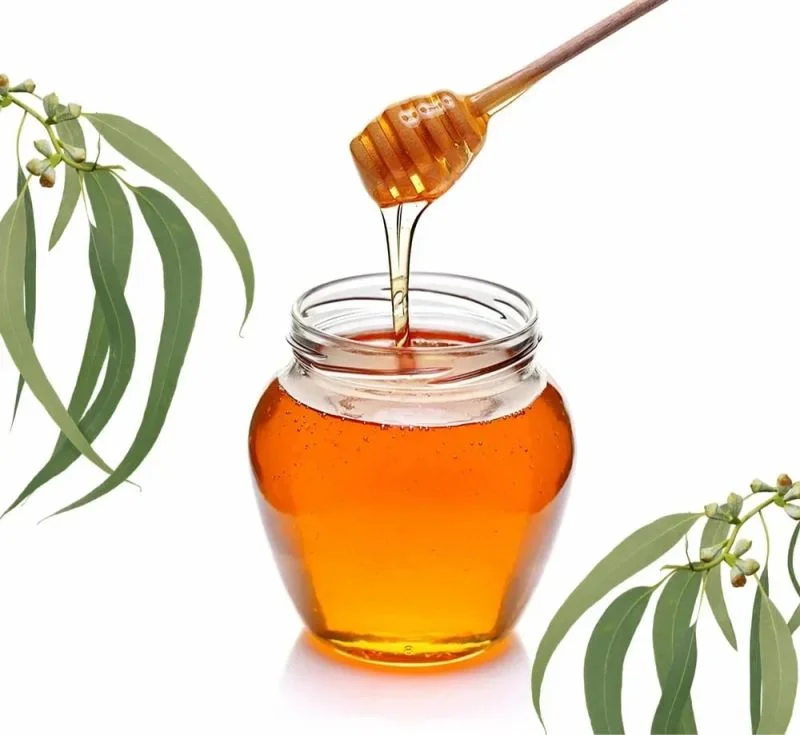
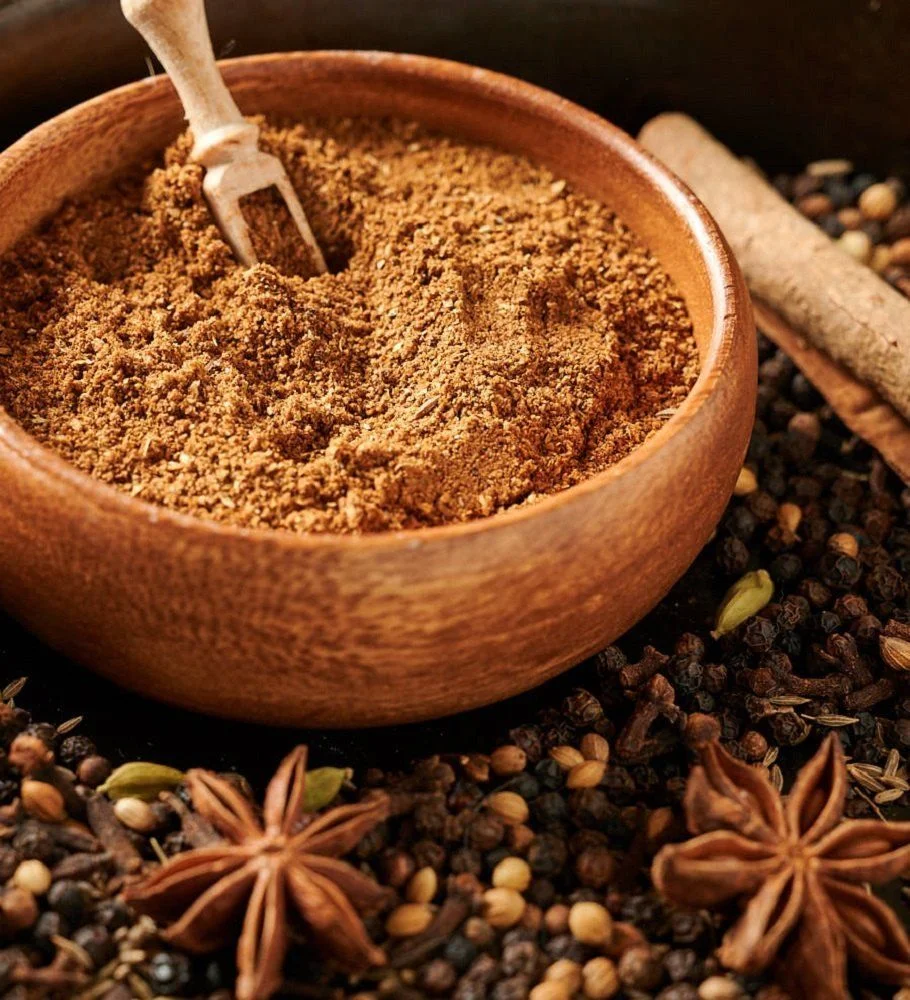
Emperor’s tea line follows the orthodox Sri Lankan grading system, where BOP (Broken Orange Pekoe) and BOPF (Broken Orange Pekoe Fannings) correspond to leaf sizes of 3‑5 mm and 1‑3 mm respectively, while CTC (Crush‑Tear‑Curl) is a fine‑cut grade used for strong brews. Green tea is typically marketed as FY (Fine Young) or TGFOP (Tippy Golden Flowery Orange Pekoe). For spices, Ceylon Cinnamon is sold as whole quills with oil content ≥ 50 %, Cloves as whole buds with moisture ≤ 12 %, and Black Pepper as whole peppercorns with moisture ≤ 5 %. Nutmeg and Mace are supplied as whole seeds and arils, commonly graded by size (large > 12 mm). Honey is usually classified by moisture content (< 20 %) and diastase activity (> 8 Schade units). Ginger is exported as fresh roots, often graded by size (large > 50 mm) and absence of mold. Arabica coffee beans are sorted by screen size (e.g., 17/18) and cup profile, while cashews are delivered as shelled kernels with moisture ≤ 5 % and a typical grade of “W180”.
Trade and Export Information - Emperor
Sri Lankan exporters of tea, spices and nuts primarily ship to the EU, the United States, the Middle East and South‑East Asia. Tea (HS 0901) is subject to phytosanitary certificates and often requires ISO 22000 or HACCP compliance for food safety. Spice shipments (HS 0904) usually need a Certificate of Origin and may be inspected for pesticide residues under EU maximum residue limits. Honey (HS 0409) exporters commonly provide a laboratory analysis confirming moisture and HMF levels. Ginger (HS 0910) and coffee (HS 0901) are frequently packed in 25 kg jute bags or 1 ton bulk containers, with 20 ft containers holding up to 20 tons of tea or coffee, and 40 ft containers up to 40 tons. Typical Incoterms are FOB Colombo port, with buyers arranging sea freight to their regional hubs.
Sourcing from Emperor - Buyer Guidance
When sourcing from Emperor, buyers should request a product specification sheet that lists grade, moisture, size and any pesticide test results. For tea, a sample of the exact BOP or CTC grade should be sent for sensory and chemical analysis (e.g., polyphenol content). Spice buyers normally ask for a recent laboratory report confirming oil content for cinnamon or moisture for pepper. Honey purchasers look for moisture and diastase test results, while ginger importers verify root size distribution and absence of fungal contamination. Requesting ISO 22000, HACCP or any organic certification documentation is standard practice, even if the supplier does not list them. Verify packaging details - e.g., 250 g tea bags, 1 kg bulk tea, 500 g spice jars, 5 kg honey drums - before confirming order quantities and lead times.
Frequently Asked Questions About Emperor
What tea grades does Emperor offer and how are they defined?
Emperor lists Ceylon Black Tea BOP, BOPF and CTC. BOP leaves are 3‑5 mm broken pieces, BOPF are finer 1‑3 mm fannings, and CTC is a fine‑cut grade used for strong brews.
Are there any certifications available for the tea or spice products?
The supplier’s data does not list certifications. Buyers should request ISO 22000, HACCP, Fairtrade or Organic certificates directly from the seller before placing an order.
What are the typical packaging formats for the honey and ginger?
Ceylon Honey is usually packed in 500 g glass jars or 5 kg food‑grade drums, while Ceylon Ginger is shipped as fresh roots in 25 kg jute bags.
Which HS codes are normally used for these product categories?
Tea and coffee fall under HS 0901, spices such as cinnamon, cloves, pepper and nutmeg under HS 0904, honey under HS 0409, ginger under HS 0910 and cashews under HS 0809. The supplier’s catalogue does not provide specific HS codes.
What sample procedures should a buyer follow for coffee beans?
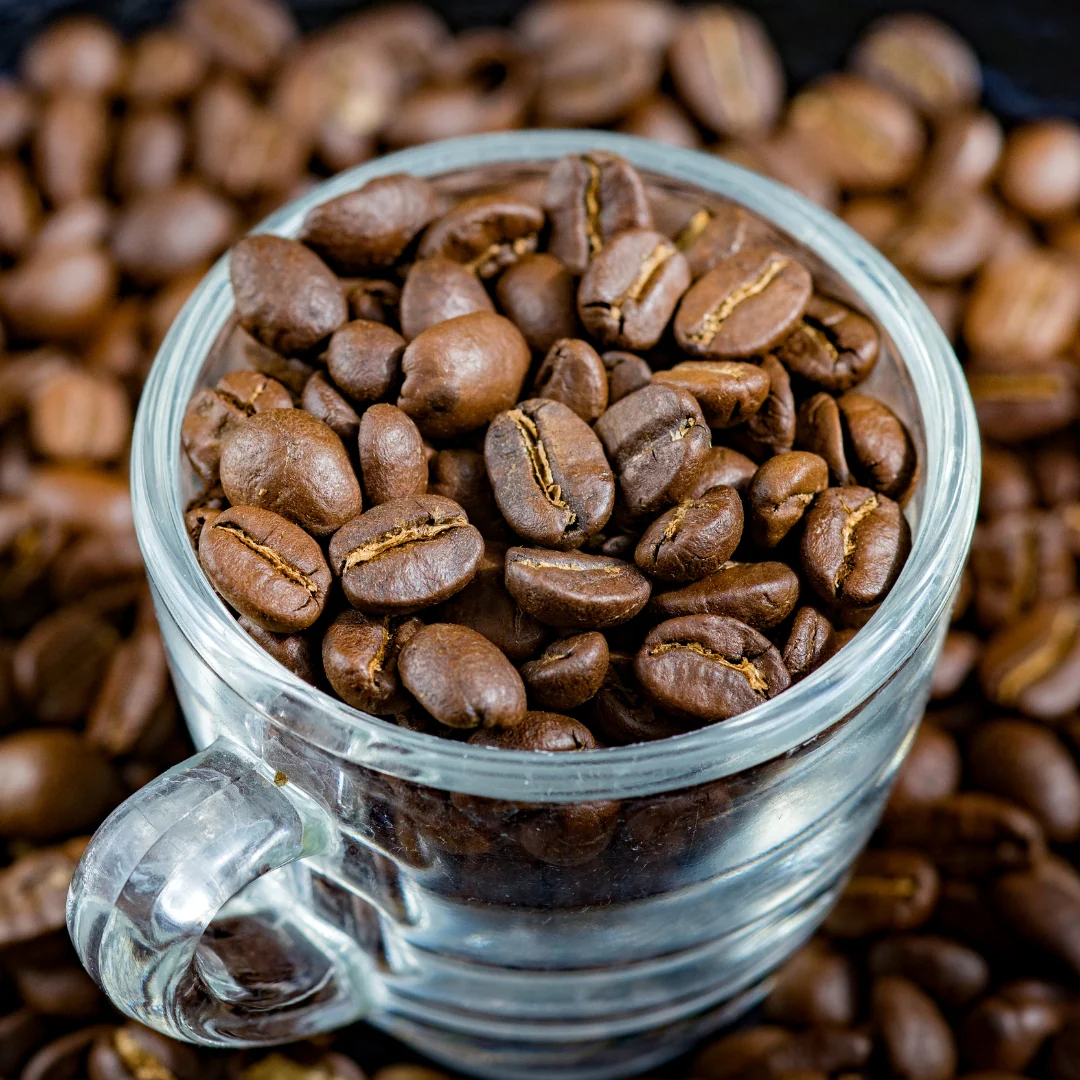
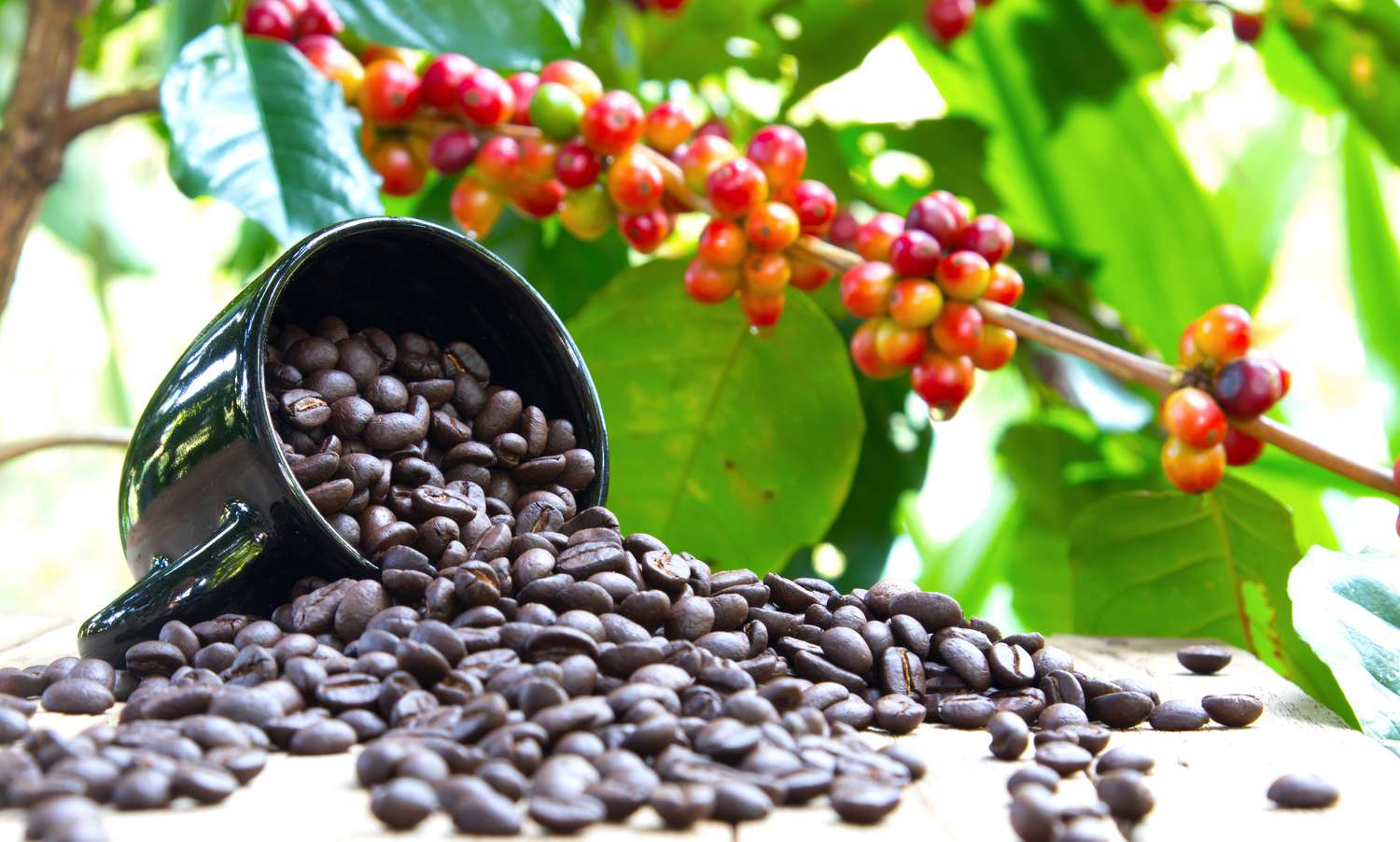
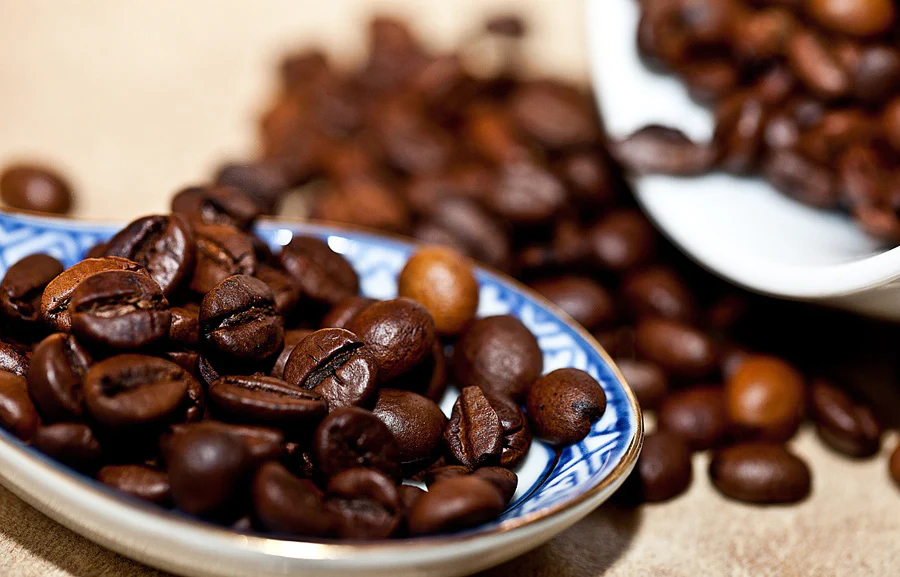
Request a 1 kg sample of the Arabica beans, specifying the screen size (e.g., 17/18). The sample should be evaluated for cup score, moisture (< 13 %) and absence of defects.
What are the usual minimum order quantities (MOQ) and lead times?
Typical MOQs are 500 kg for bulk tea, 200 kg for spices, 100 kg for honey and 50 kg for ginger. Lead times range from 30 to 45 days from order confirmation, depending on product and packaging.
How are the products shipped from Sri Lanka?
Exports are generally FOB Colombo. Full‑size 20 ft containers can hold up to 20 tons of tea or coffee, while 40 ft containers can accommodate up to 40 tons of bulk spices, nuts or honey.
What quality tests are commonly required for the spices?
Buyers usually ask for oil content (cinnamon ≥ 50 %), moisture (pepper ≤ 5 %), and pesticide residue analysis complying with EU maximum residue limits.




 , Sri Lanka