Edward's Health Co. — Supplier
About Edward's Health Co. - Manuka Honey Supplier in Australia
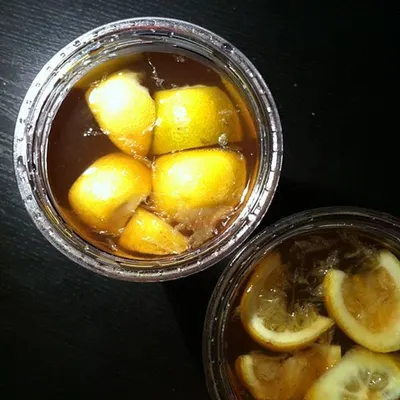
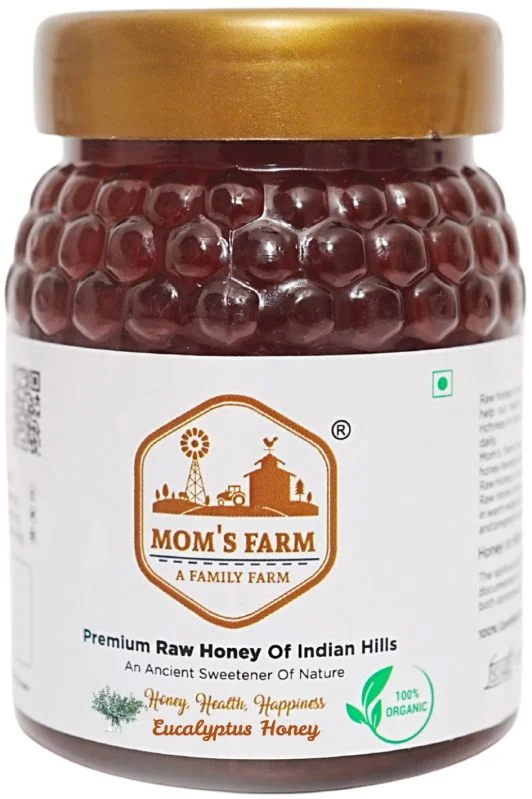
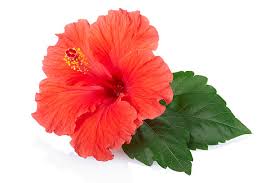
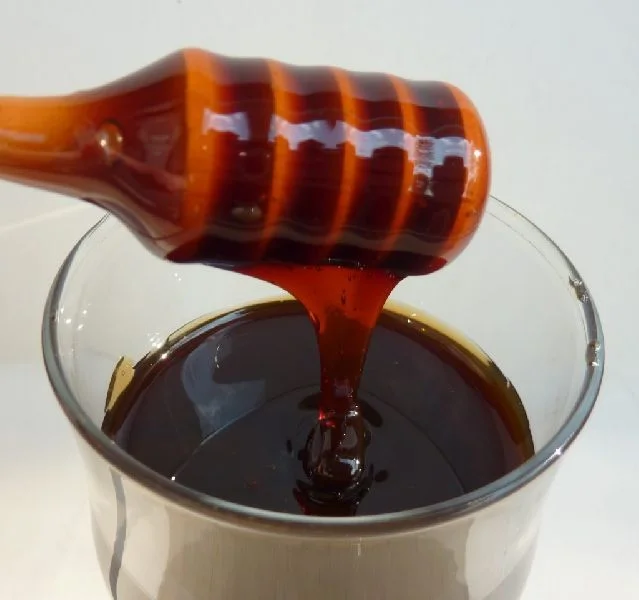
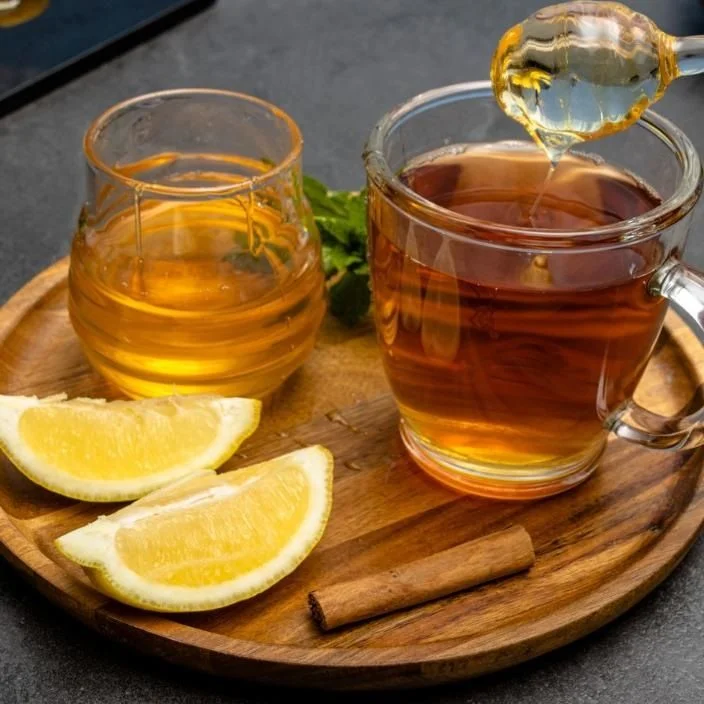
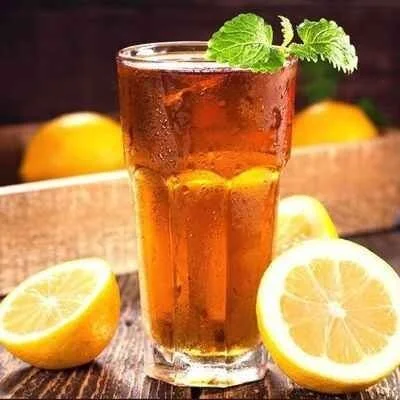
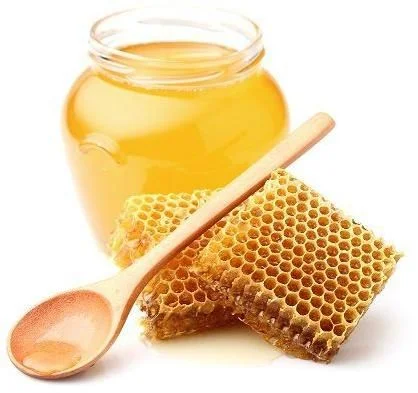
Edward's Health Co. is based in Australia and currently lists nine active products in its catalogue. The company’s portfolio focuses on Manuka honey derivatives, plain honey items, and two tea‑based beverage lines. Products include flavored Manuka honey water such as Lemon, Strawberry, Blueberry, Lemon & Ginger, and Pomegranate & Hibiscus, as well as Australian Manuka Honey and Manuka Honey Lozenges. The tea segment consists of an iced Chrysanthemum blend and a Black Tea & Yuzu blend, both marketed under the Manuka brand. All items are presented under the top categories of Manuka Honey, Honey, Ice Tea, and Tea as recorded in the supplier’s data.
The honey‑water formulations combine natural Manuka honey with citrus or fruit extracts, offering ready‑to‑drink options that target the functional beverage market. Manuka Honey Lozenges provide a solid dosage form that retains the antibacterial properties associated with New Zealand‑origin Manuka honey, though sourced from Australian producers. The iced tea offerings are positioned as flavored, low‑calorie refreshments, using Chrysanthemum or Black Tea bases blended with Yuzu or other botanicals. Each product is listed without specific HS codes in the catalogue, but they fall within the standard HS chapter 04 for honey and chapter 09 for tea‑based drinks. The range reflects a niche focus on health‑oriented sweeteners and flavored beverage extensions.
Product Range and Specialties of Edward's Health Co.
The catalogue shows nine items that can be grouped into three functional categories: flavored honey waters, a pure Manuka honey, Manuka‑infused lozenges, and two iced‑tea blends. In the broader market, Manuka honey is graded by UMF (Unique Manuka Factor) or MGO (methylglyoxal) levels, with common commercial grades ranging from UMF 5+ to UMF 20+; buyers typically request lab‑verified MGO values and a moisture content below 20 %.
Tea products are classified by leaf grade (e.g., FT - Fine Tea) and may carry organic or fair‑trade certifications; standard specifications include a maximum ash content of 5 % for black tea and a dry‑matter percentage above 95 % for herbal blends. The typical packaging for honey‑based drinks is sealed glass or PET bottles of 250 ml to 500 ml, while lozenges are supplied in airtight blister packs, and iced teas are often packed in 330 ml cans or 1 L cartons.
Trade and Export Information - Edward's Health Co.
Australian Manuka honey and related beverages are exported primarily to North America, the European Union, and East Asian markets where UMF or MGO certification is a common import requirement. The relevant HS code for honey products is Chapter 04 0901 (natural honey) and for flavored honey drinks it falls under HS 2209, while tea‑based drinks are classified under HS 2202 or HS 0902 for bulk tea leaves. Importers usually request certificates such as UMF, MGO analysis reports, HACCP compliance, and ISO 22000 food safety certification.
Logistically, honey‑based liquids are shipped in temperature‑controlled containers to preserve enzymatic activity, often using 20 ft or 40 ft reefers, whereas tea products can be transported in standard dry containers. Common Incoterms include FOB Australian ports and CIF to destination ports, with bulk shipments typically ranging from 500 kg to 2 t per container depending on packaging density. Australian exporters maintain strict phytosanitary documentation, and buyers should verify that the shipment complies with the importing country’s residue limits for pesticide and antibiotic residues.
Sourcing from Edward's Health Co. - Buyer Guidance
When sourcing from Edward's Health Co., buyers should request a recent UMF or MGO laboratory report for any Manuka honey product, as well as a moisture‑content analysis to confirm compliance with the <20 % standard. For the tea blends, a certificate of analysis indicating leaf grade, caffeine content (if applicable), and any organic or fair‑trade certification should be obtained before order confirmation. Sample sizes of 100 ml for honey waters, 10 g for lozenges, and 250 ml for iced teas are typical for quality verification, and most suppliers require a minimum order of 500 units per SKU with a lead time of 30‑45 days from order receipt.
Frequently Asked Questions About Edward's Health Co.
What honey quality grades are available from Edward's Health Co.?
The supplier lists Manuka honey products but does not specify UMF or MGO values in the catalogue; buyers should request the latest UMF/MGO lab report to determine the grade, which generally ranges from UMF 5+ to UMF 20+ in the market.
Are the honey‑water drinks packaged for export?
Honey‑water beverages are typically supplied in sealed glass or PET bottles sized between 250 ml and 500 ml, which meet most export packaging standards for food‑grade liquids.
What certifications should a buyer verify for the honey products?
Buyers should ask for UMF or MGO certification, a moisture‑content analysis, HACCP compliance, and, where required, ISO 22000 or organic certification.
What are the common HS codes for the products listed?
Honey and honey‑based drinks fall under HS 0409.01 (natural honey) and HS 2209 (other prepared foodstuffs), while tea blends are classified under HS 0902 (tea, not fermented) or HS 2202 (water‑based preparations of tea).
What are typical payment and shipping terms for this supplier?
Export transactions usually operate on standard Incoterms such as FOB Australian ports or CIF to the buyer’s destination, with payment terms negotiated per contract, often involving a letter of credit.
What sample quantities are recommended before placing a full order?
Standard sample requests include 100 ml of each honey‑water flavor, 10 g of lozenges, and 250 ml of each iced‑tea blend to assess taste, aroma, and compliance with specifications.
What is the typical lead time for an order of 500 units?
The usual production and preparation lead time is 30‑45 days from order confirmation, subject to raw‑material availability and any required certification testing.
Are there any import restrictions for Australian Manuka honey?
Importing countries often require proof that the honey meets their residue limits for pesticides and antibiotics, along with a phytosanitary certificate and, for medical‑grade honey, UMF/MGO verification.




 , Australia