Ecofarms Africa Ltd — Verified Wholesaler & Wholesale Supplier
About Ecofarms Africa Ltd - Cashew Kernel Supplier in Ghana
Ecofarms Africa Ltd is based in the Greater Accra Region of Ghana and currently lists 14 active agricultural products. The company is classified in the organic supplier tier and focuses on raw and processed commodities. Its catalogue includes cashew derivatives, cereals, legumes and oil‑seed products that fall under HS chapters 08, 10, 12 and 15. Buyers can find items such as raw cashew nut (HS 0801.31), cashew husk (HS 0801.30) and cashew shell (HS 1404.90) alongside grain and legume lines. The product mix reflects typical Ghanaian export bundles of nuts, cereals and shea derivatives.
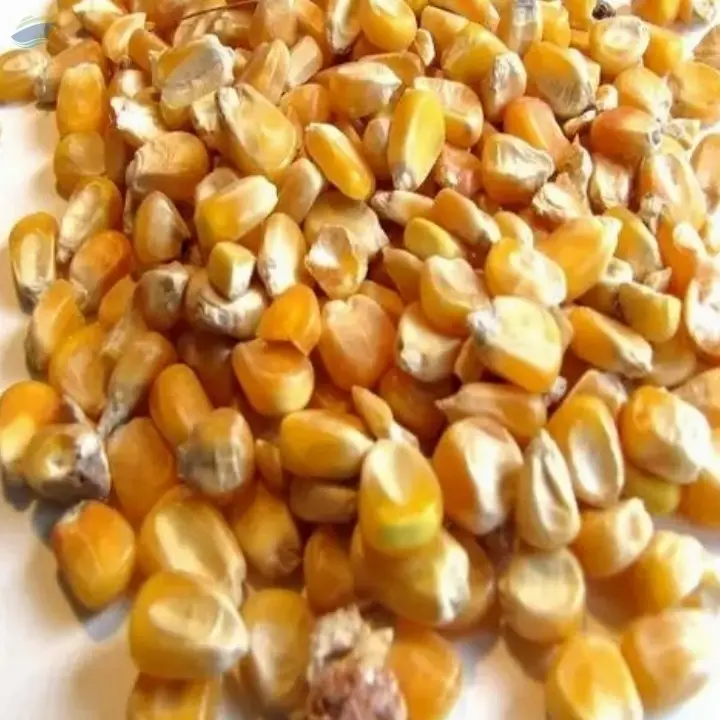
The listed commodities cover major African export categories: cashew kernel and shell by‑products, wheat grain (HS 1001.99), yellow maize (HS 1005.90), sorghum (HS 1007.00), millet (HS 1008.20), soybeans and soybean meal (HS 1201.90 and 2304.00), groundnut (HS 1202.42), dried beans (HS 0713.33), as well as shea butter (HS 1515.90) and shea nut (HS 1207.99). Each entry specifies the material description, for example “Raw Cashew Nut (Anacardium occidentale), In‑Shell” and “Pure Shea Butter (Vitellaria paradoxa)”. The HS code families indicate that most items are classified under agricultural raw materials and processed food products, which are subject to standard customs and phytosanitary procedures. The catalogue therefore provides a comprehensive view of Ghanaian staple and high‑value crops suitable for bulk and containerised trade.
Product Range and Specialties of Ecofarms Africa Ltd
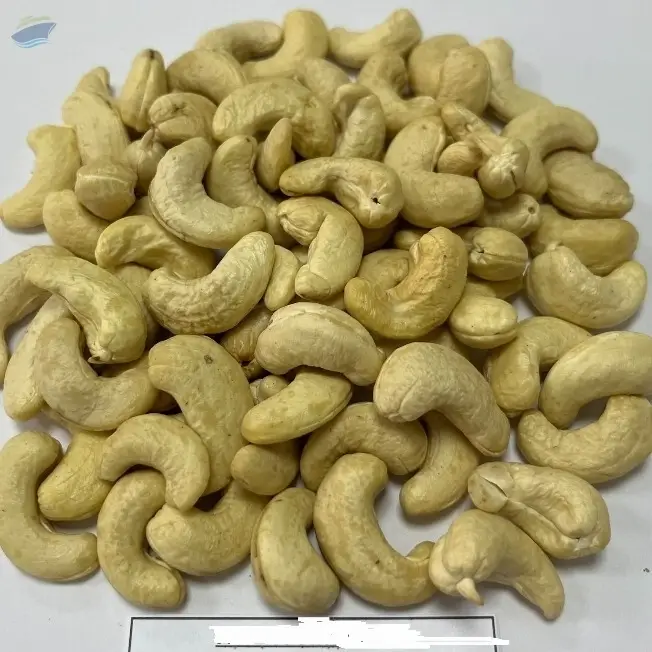
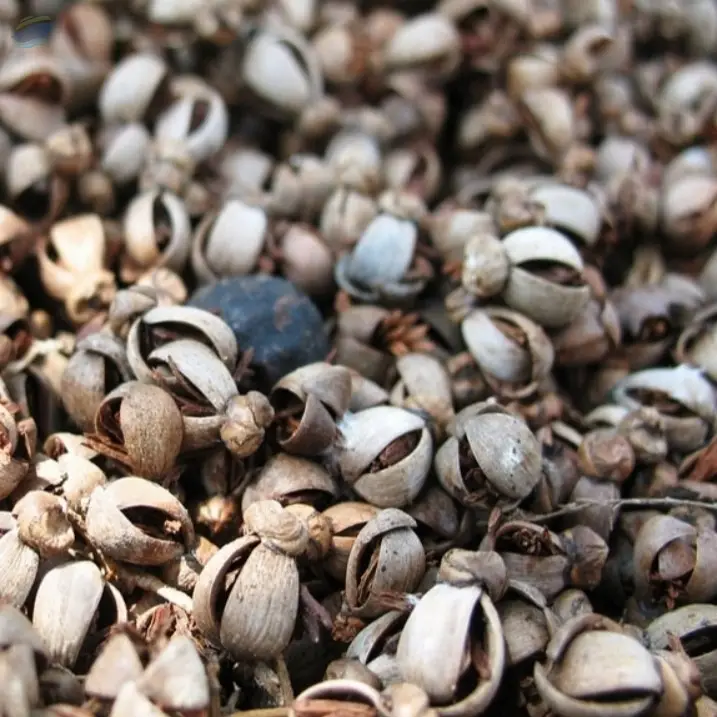
Ecofarms Africa Ltd’s current catalogue comprises raw cashew nut, cashew husk, cashew shell, palm kernel shell, wheat grain, yellow maize, sorghum, millet, soybeans, soybean meal, groundnut, dried kidney and black beans, shea nut and shea butter. In the global market, raw cashew nuts are graded from Grade AA to Grade C based on shell‑removal rate, moisture below 5 % and foreign‑matter limits under 0.5 %. Cashew husk and shell are typically sold as industrial raw material with a moisture content of 6‑8 % and a calorific value of 18‑20 MJ kg‑1.
Cereals such as wheat, maize, sorghum and millet are commonly assessed by test weight (kg hL‑1), protein content (11‑13 % for wheat, 8‑10 % for maize) and moisture (≤14 %). Soybeans and soybean meal are evaluated for oil content (18‑22 %) and crude protein (44‑48 %). Groundnut kernels are subject to aflatoxin limits (≤10 µg kg‑1 for export to EU) and moisture ≤6 %. Shea butter is usually required to meet the ISO 3548‑1 standard for free fatty acid content (<2 %) and a melting point between 45‑55 °C. These specifications represent the typical quality parameters buyers request for the product families listed by the supplier.
Trade and Export Information - Ecofarms Africa Ltd
Ghana is a recognized exporter of cashew nuts, shea products and cereals to the European Union, United States, China and the Middle East. Exporters of HS 0801 (cashew) and HS 1515 (shea butter) often need a phytosanitary certificate, a certificate of origin and, where applicable, organic certification in line with EU Regulation 2018/848. For cereals under HS 10, buyers frequently require compliance with the EU Rapid Alert System for Food and Feed (RASFF) and adherence to maximum residue limits for pesticides.
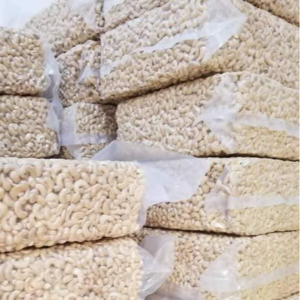
Typical shipment sizes involve 20‑ft containers for bulk grains (≈20‑22 t) and 40‑ft containers for nuts and shea butter (≈18‑20 t). Packaging standards include food‑grade polyethylene bags of 25 kg for nuts, bulk bags (1 t) for cereals, and stainless‑steel drums for shea butter. Common Incoterms used by Ghanaian exporters are FOB Accra and CIF European ports. Ghana’s customs authority applies HS‑specific inspection regimes, and exporters often engage third‑party labs for ISO 22000, HACCP or organic audit reports.
Sourcing from Ecofarms Africa Ltd - Buyer Guidance
When sourcing from Ecofarms Africa Ltd, buyers should request a recent phytosanitary certificate for each plant‑derived product and verify the HS code matches the intended commodity. For nuts (cashew, groundnut, palm kernel shell) it is prudent to obtain moisture analysis, shelling rate, and aflatoxin test results. Soybean and soybean meal shipments should be accompanied by a protein and oil content analysis, as well as any organic certification if required.
Samples should be taken in accordance with ISO 10501 for bulk commodities, and test reports should be issued by an ISO‑accredited laboratory. Buyers are advised to confirm the packaging type (e.g., 25 kg polyethylene bags for nuts, 1 t bulk bags for cereals) and to ensure the supplier can provide a certificate of origin and, where applicable, an organic audit report. Clarifying the Incoterm (FOB versus CIF) and the expected lead time (typically 30‑45 days from order confirmation) helps align logistics and payment terms.
Frequently Asked Questions About Ecofarms Africa Ltd
What HS codes does Ecofarms Africa Ltd use for its nut products?
The catalogue lists raw cashew nut under HS 0801.31, cashew husk under HS 0801.30, cashew shell and palm kernel shell under HS 1404.90, and groundnut under HS 1202.42.
Which certifications should a buyer request for the shea products?
Buyers should ask for a phytosanitary certificate, a certificate of origin, and, if organic claims are made, an accredited organic certification such as EU organic or USDA‑NOP.
What typical quality parameters are inspected for wheat grain from Ghana?
Wheat grain (HS 1001.99) is usually checked for moisture ≤14 %, protein content 11‑13 %, test weight ≥78 kg hL‑1 and foreign matter below 0.5 %.
How are soybean meal specifications expressed in trade?
Soybean meal (HS 2304.00) is commonly specified with a crude protein content of 44‑48 % and a moisture level not exceeding 12 %.
What packaging formats are standard for bulk cashew nuts?
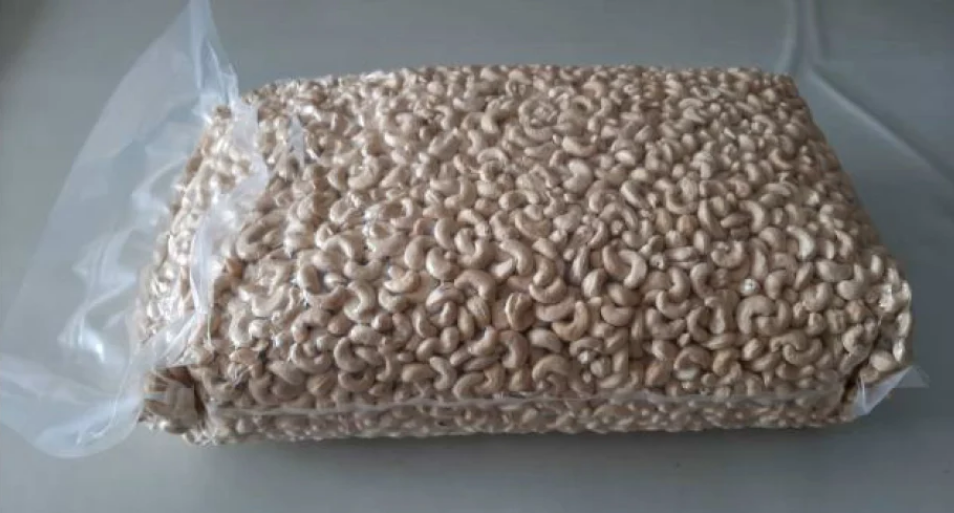
Bulk raw cashew nuts are typically packed in food‑grade polyethylene bags of 25 kg or in 1 t bulk bags for container loading, sealed to protect against moisture.
What lead time can buyers expect for a full container load of millet?
Lead times for millet (HS 1008.20) are generally 30‑45 days from order confirmation, subject to seasonal harvest schedules and export clearance.
Which documents are needed to clear sorghum shipments through EU customs?
Required documents include the commercial invoice, packing list, phytosanitary certificate, certificate of origin and, where applicable, a compliance statement for pesticide maximum residue limits.
Are there any specific HS‑code related restrictions for palm kernel shell exports?
Palm kernel shell (HS 1404.90) is classified as biomass; exporters must ensure the material meets the EU Waste Framework Directive criteria for non‑hazardous waste and provide a waste‑shipment declaration if required.





 , Ghana





.jpg.png)