Duta Exportir Indonesia — Supplier

About Duta Exportir Indonesia - Seafood Supplier in Indonesia

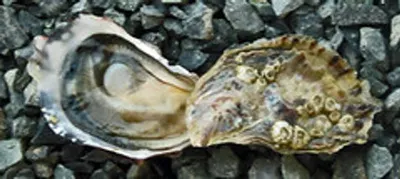
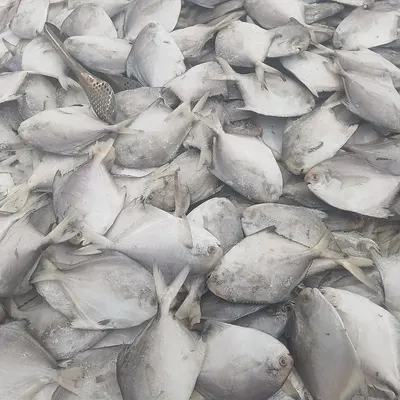
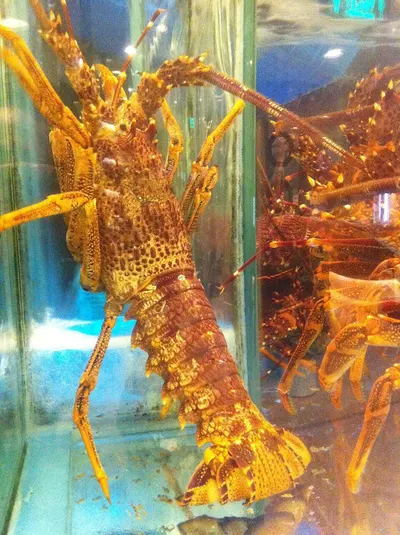
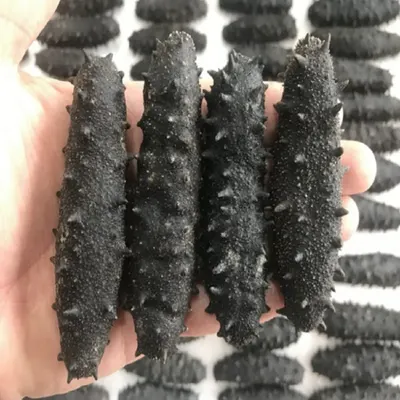
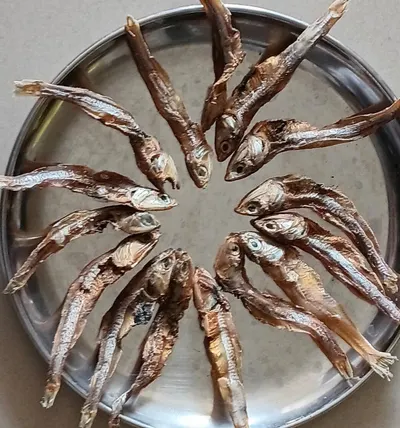
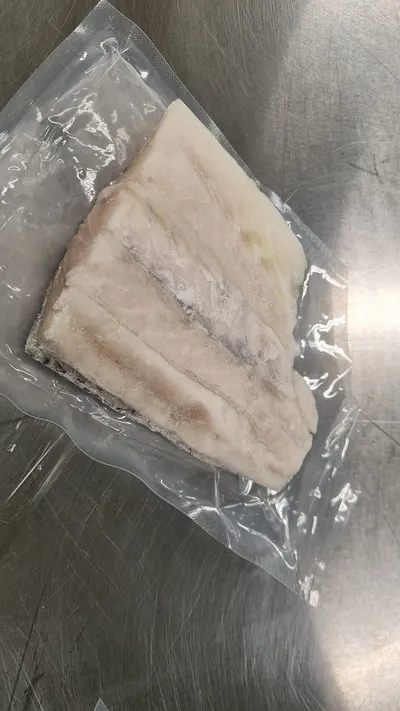
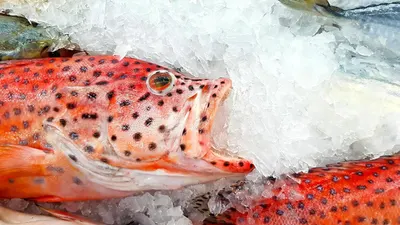
Indonesia, with an active catalogue of 26 seafood products, lists a variety of fresh, chilled and frozen marine items. The catalogue includes fresh lobsters, fresh crabs, frozen mackerel, fresh and chilled fish such as tuna, snapper and grouper, as well as a range of shrimp and prawn species including Vannamei, Black Tiger and Slipper Prawn. Several cephalopod products appear, notably frozen squid and dry squid (HS code 0307.49) made from 100 % dried Loliginidae or Ommastrephidae material. Additional entries cover specialty items such as half‑shell scallops, sea cucumber, eel, cuttlefish, and white pomfret, reflecting a broad product portfolio across the top categories.

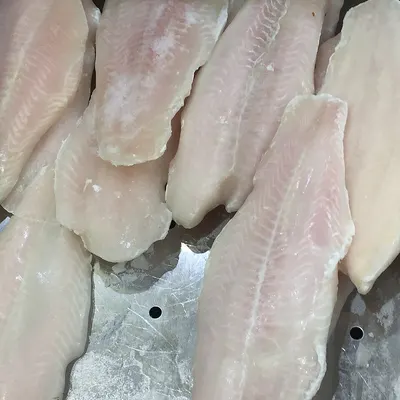
The supplier’s top categories are listed as Fresh Lobsters, Fresh Crabs, Frozen Mackerel Fish, Fresh or Chilled Fish, Fresh Shrimps, Fresh Tuna Fish, Fresh Snapper Fish and Frozen Squid. The product list also mentions marlin, Indian mackerel, Nile tilapia, ribbon fish, mahi‑mahi, blue crab, halibut, and precooked skipjack tuna, indicating capability to source both high‑value and bulk species. All items are sourced from Indonesian waters, a major exporter of tropical and temperate seafood to markets in East Asia, the EU and the United States. The presence of both live and frozen formats suggests handling capacity for cold‑chain logistics.

Product Range and Specialties of Duta Exportir Indonesia

Duta Exportir Indonesia’s catalogue spans 26 items, ranging from live lobsters and fresh crabs to frozen squid and dry squid (HS 0307.49). Species include marine finfish such as tuna, mackerel, snapper, grouper, halibut and mahi‑mahi, plus crustaceans like Black Tiger Prawn, Vannamei Shrimp and Slipper Prawn. Cephalopods are represented by frozen squid, dry squid and cuttlefish, while mollusks include half‑shell scallops and sea cucumber. The dry squid entry specifies a material composition of 100 % dried squid from the Loliginidae or Ommastrephidae families.

In the global seafood market, fresh tuna is commonly graded by size (e.g., A‑size, B‑size) and freshness measured by ice‑temperature and time to market. Mackerel and other pelagic fish are typically exported in frozen blocks complying with an ice ratio of 1:1 to maintain core temperature below - 18 °C. Prawn and shrimp are often shipped whole or peeled, with size ranges expressed in count per kilogram (e.g., 15 - 20 pcs/kg). Dry squid for culinary use is usually moisture‑controlled below 12 % and packaged in vacuum‑sealed bags to preserve flavor. These industry standards provide a benchmark for evaluating the supplier’s offerings.

Trade and Export Information - Duta Exportir Indonesia

Indonesia is the world’s second‑largest exporter of marine seafood, with the EU, China, Japan and the United States accounting for the bulk of demand. Products such as fresh lobster, live crab and chilled fish fall under HS chapters 03 (fish) and 04 (crustaceans) and typically require phytosanitary certificates and compliance with the EU’s Rapid Alert System for Food and Feed (RASFF). Frozen squid and dried squid (HS 0307.49) are subject to weight‑based customs valuation and may need a certificate of origin for preferential tariff treatment under ASEAN agreements.

Buyers of Indonesian seafood generally request HACCP, BRC Global Standards or ISO 22000 certifications to verify food‑safety management, as well as traceability documents that link the product to a specific fishery or aquaculture zone. Marine products often ship in insulated containers with gel packs for fresh items or in refrigerated containers (30 °C for chilled, - 18 °C for frozen) using CIF or FOB Incoterms. Packaging standards include food‑grade polyethylene bags, vacuum‑sealed pouches for dried squid, and stackable wooden crates for live lobsters, all designed to meet the International Marine Shipping Code (IMSC) requirements.

Sourcing from Duta Exportir Indonesia - Buyer Guidance

When sourcing from Duta Exportir Indonesia, buyers should request the latest HACCP or ISO 22000 audit reports, as well as any MSC or ASC eco‑label certificates that may apply to the listed fish species. For dry squid (HS 0307.49), a moisture analysis report and a product specification sheet confirming the 100 % squid composition are essential before confirming quantity.

Buyers are advised to verify the freshness protocol for live and fresh products by asking for temperature logs, ice‑ratio calculations and the expected transit time from port to final destination. Sample shipments of representative species (e.g., a 5 kg frozen squid block or a 2 kg live lobster) can be used to test packaging integrity and compliance with the buyer’s quality specifications. Confirming the supplier’s ability to provide appropriate customs documentation, such as phytosanitary certificates and certificates of origin, will streamline clearance in the target market.

Frequently Asked Questions About Duta Exportir Indonesia

What product categories does Duta Exportir Indonesia list in its catalogue?

The catalogue includes 26 items such as live lobster, fresh crab, various fresh and chilled fish (tuna, snapper, grouper, mackerel, mahi‑mahi, halibut), shrimp and prawn species (Vannamei, Black Tiger, Slipper), frozen squid, dry squid (HS 0307.49), cuttlefish, eel, half‑shell scallops, sea cucumber and other specialty marine products.

Which HS code is associated with a product in the catalogue?

Dry squid is listed with HS code 0307.49 and is described as 100 % dried squid from the Loliginidae or Ommastrephidae families.

What certifications should a buyer request for seafood imports from Indonesia?

Buyers typically request HACCP, ISO 22000, BRC or equivalent food‑safety certifications, and, where applicable, MSC or ASC eco‑label certificates to verify sustainable sourcing.

What are the common packaging methods for live lobster and frozen squid?

Live lobster is usually packed in insulated containers with gel packs and seawater‑filled boxes, while frozen squid is shipped in food‑grade polyethylene bags or vacuum‑sealed pouches inside refrigerated containers set at - 18 °C.

Which markets commonly import the types of seafood offered by this supplier?

Key import markets for Indonesian marine products include the European Union, China, Japan, South Korea, the United States and the Middle East, covering both fresh/chilled and frozen segments.

What documentation is needed for customs clearance of dried squid?

Customs clearance for dried squid (HS 0307.49) typically requires a commercial invoice, a certificate of origin (often for ASEAN preferential rates), and a phytosanitary certificate confirming the product meets the destination country’s health regulations.

What are typical quality parameters buyers check for shrimp and prawn products?

Buyers usually verify size count per kilogram, total viable count (TVC) microbiological levels, presence of shell disease, and moisture content for frozen batches, all documented in a product test report.

What Incoterms are most frequently used for shipping Indonesian seafood?

FOB (Free on Board) and CIF (Cost, Insurance, Freight) are the most common Incoterms, allowing buyers to arrange freight or receive a door‑to‑door service that includes insurance for perishable cargo.


Featured Products from this Supplier

Other Suppliers in Primary Category

Top Trusted Suppliers

Related Products

Trending in Parent Category

More Suppliers in Category

Related Products

Other Suppliers

EximNext
7.1K+ live requirements
Register Free🎁 Reach global buyers
Post Requirement
🌍 Trusted by 225K+ businesses in 200+ countries|
7.1K+ active requirements right now
✉️ [email protected]
|
Sell on EximNextPost Requirement
EximNext
AgricultureApparelConstructionElectronicFoodHomeIndustrialMineralsMiscellaneous
🔥 Deals|✨ AI Match|🏭 Suppliers|📋 Buy Leads|💰 Trade Finance
7.1K+ live RFQs·194.8K+ suppliers
🎁 Reach global buyers →
EximNext
EximNext
Register Free
🎁 Reach global buyers
Sign In
📋Post Requirement💬Get Quotes✨AI Match📋RFQ Marketplace
All Categories
Services & Tools
🏭Supplier Directory🔥Today's Deals💰Trade Finance
Sell on EximNext →
AboutContactBlogHelp
Agriculture & Food  ·  Indonesia
26
products listed

Duta Exportir Indonesia

⚓ Harbor
Country flag , IndonesiaNew supplier / no reviews yet
🛡️
77/100
Trust Score

Duta Exportir Indonesia Product Catalog

Showing 12 of 26 products
View all products →
Cuttlefish
⚓ Harbor
Cuttlefish
Contact
MOQ: 1 Unit
WHITE POMFRET
⚓ Harbor
WHITE POMFRET
Contact
MOQ: 1 Unit
LIVE LOBSTER
⚓ Harbor
LIVE LOBSTER
Contact
MOQ: 1 Unit
Halibut Fish
⚓ Harbor
Halibut Fish
Contact
MOQ: 1 Unit
Sea Cucumber
⚓ Harbor
Sea Cucumber
Contact
MOQ: 1 Unit
Precooked Tuna Or  Skipjack
⚓ Harbor
Precooked Tuna Or Skipjack
Contact
MOQ: 1 Unit
Dry Squid
⚓ Harbor
Dry Squid
Contact
MOQ: 1 Unit
Blue Crab
⚓ Harbor
Blue Crab
Contact
MOQ: 1 Unit
Mahi Mahi Fish
⚓ Harbor
Mahi Mahi Fish
Contact
MOQ: 1 Unit
Grouper / Kerapu
⚓ Harbor
Grouper / Kerapu
Contact
MOQ: 1 Unit
Ribbon Fish
⚓ Harbor
Ribbon Fish
Contact
MOQ: 1 Unit
Nile Tilapia
⚓ Harbor
Nile Tilapia
Contact
MOQ: 1 Unit

About Duta Exportir Indonesia - Seafood Supplier in Indonesia

Indonesia, with an active catalogue of 26 seafood products, lists a variety of fresh, chilled and frozen marine items. The catalogue includes fresh lobsters, fresh crabs, frozen mackerel, fresh and chilled fish such as tuna, snapper and grouper, as well as a range of shrimp and prawn species including Vannamei, Black Tiger and Slipper Prawn. Several cephalopod products appear, notably frozen squid and dry squid (HS code 0307.49) made from 100 % dried Loliginidae or Ommastrephidae material. Additional entries cover specialty items such as half‑shell scallops, sea cucumber, eel, cuttlefish, and white pomfret, reflecting a broad product portfolio across the top categories.

The supplier’s top categories are listed as Fresh Lobsters, Fresh Crabs, Frozen Mackerel Fish, Fresh or Chilled Fish, Fresh Shrimps, Fresh Tuna Fish, Fresh Snapper Fish and Frozen Squid. The product list also mentions marlin, Indian mackerel, Nile tilapia, ribbon fish, mahi‑mahi, blue crab, halibut, and precooked skipjack tuna, indicating capability to source both high‑value and bulk species. All items are sourced from Indonesian waters, a major exporter of tropical and temperate seafood to markets in East Asia, the EU and the United States. The presence of both live and frozen formats suggests handling capacity for cold‑chain logistics.

Product Range and Specialties of Duta Exportir Indonesia

Duta Exportir Indonesia’s catalogue spans 26 items, ranging from live lobsters and fresh crabs to frozen squid and dry squid (HS 0307.49). Species include marine finfish such as tuna, mackerel, snapper, grouper, halibut and mahi‑mahi, plus crustaceans like Black Tiger Prawn, Vannamei Shrimp and Slipper Prawn. Cephalopods are represented by frozen squid, dry squid and cuttlefish, while mollusks include half‑shell scallops and sea cucumber. The dry squid entry specifies a material composition of 100 % dried squid from the Loliginidae or Ommastrephidae families.

In the global seafood market, fresh tuna is commonly graded by size (e.g., A‑size, B‑size) and freshness measured by ice‑temperature and time to market. Mackerel and other pelagic fish are typically exported in frozen blocks complying with an ice ratio of 1:1 to maintain core temperature below - 18 °C. Prawn and shrimp are often shipped whole or peeled, with size ranges expressed in count per kilogram (e.g., 15 - 20 pcs/kg). Dry squid for culinary use is usually moisture‑controlled below 12 % and packaged in vacuum‑sealed bags to preserve flavor. These industry standards provide a benchmark for evaluating the supplier’s offerings.

Trade and Export Information - Duta Exportir Indonesia

Indonesia is the world’s second‑largest exporter of marine seafood, with the EU, China, Japan and the United States accounting for the bulk of demand. Products such as fresh lobster, live crab and chilled fish fall under HS chapters 03 (fish) and 04 (crustaceans) and typically require phytosanitary certificates and compliance with the EU’s Rapid Alert System for Food and Feed (RASFF). Frozen squid and dried squid (HS 0307.49) are subject to weight‑based customs valuation and may need a certificate of origin for preferential tariff treatment under ASEAN agreements.

Buyers of Indonesian seafood generally request HACCP, BRC Global Standards or ISO 22000 certifications to verify food‑safety management, as well as traceability documents that link the product to a specific fishery or aquaculture zone. Marine products often ship in insulated containers with gel packs for fresh items or in refrigerated containers (30 °C for chilled, - 18 °C for frozen) using CIF or FOB Incoterms. Packaging standards include food‑grade polyethylene bags, vacuum‑sealed pouches for dried squid, and stackable wooden crates for live lobsters, all designed to meet the International Marine Shipping Code (IMSC) requirements.

Sourcing from Duta Exportir Indonesia - Buyer Guidance

When sourcing from Duta Exportir Indonesia, buyers should request the latest HACCP or ISO 22000 audit reports, as well as any MSC or ASC eco‑label certificates that may apply to the listed fish species. For dry squid (HS 0307.49), a moisture analysis report and a product specification sheet confirming the 100 % squid composition are essential before confirming quantity.

Buyers are advised to verify the freshness protocol for live and fresh products by asking for temperature logs, ice‑ratio calculations and the expected transit time from port to final destination. Sample shipments of representative species (e.g., a 5 kg frozen squid block or a 2 kg live lobster) can be used to test packaging integrity and compliance with the buyer’s quality specifications. Confirming the supplier’s ability to provide appropriate customs documentation, such as phytosanitary certificates and certificates of origin, will streamline clearance in the target market.

Frequently Asked Questions About Duta Exportir Indonesia

What product categories does Duta Exportir Indonesia list in its catalogue?

The catalogue includes 26 items such as live lobster, fresh crab, various fresh and chilled fish (tuna, snapper, grouper, mackerel, mahi‑mahi, halibut), shrimp and prawn species (Vannamei, Black Tiger, Slipper), frozen squid, dry squid (HS 0307.49), cuttlefish, eel, half‑shell scallops, sea cucumber and other specialty marine products.

Which HS code is associated with a product in the catalogue?

Dry squid is listed with HS code 0307.49 and is described as 100 % dried squid from the Loliginidae or Ommastrephidae families.

What certifications should a buyer request for seafood imports from Indonesia?

Buyers typically request HACCP, ISO 22000, BRC or equivalent food‑safety certifications, and, where applicable, MSC or ASC eco‑label certificates to verify sustainable sourcing.

What are the common packaging methods for live lobster and frozen squid?

Live lobster is usually packed in insulated containers with gel packs and seawater‑filled boxes, while frozen squid is shipped in food‑grade polyethylene bags or vacuum‑sealed pouches inside refrigerated containers set at - 18 °C.

Which markets commonly import the types of seafood offered by this supplier?

Key import markets for Indonesian marine products include the European Union, China, Japan, South Korea, the United States and the Middle East, covering both fresh/chilled and frozen segments.

What documentation is needed for customs clearance of dried squid?

Customs clearance for dried squid (HS 0307.49) typically requires a commercial invoice, a certificate of origin (often for ASEAN preferential rates), and a phytosanitary certificate confirming the product meets the destination country’s health regulations.

What are typical quality parameters buyers check for shrimp and prawn products?

Buyers usually verify size count per kilogram, total viable count (TVC) microbiological levels, presence of shell disease, and moisture content for frozen batches, all documented in a product test report.

What Incoterms are most frequently used for shipping Indonesian seafood?

FOB (Free on Board) and CIF (Cost, Insurance, Freight) are the most common Incoterms, allowing buyers to arrange freight or receive a door‑to‑door service that includes insurance for perishable cargo.

About Duta Exportir Indonesia - Seafood Supplier in Indonesia

Indonesia, with an active catalogue of 26 seafood products, lists a variety of fresh, chilled and frozen marine items. The catalogue includes fresh lobsters, fresh crabs, frozen mackerel, fresh and chilled fish such as tuna, snapper and grouper, as well as a range of shrimp and prawn species including Vannamei, Black Tiger and Slipper Prawn. Several cephalopod products appear, notably frozen squid and dry squid (HS code 0307.49) made from 100 % dried Loliginidae or Ommastrephidae material. Additional entries cover specialty items such as half‑shell scallops, sea cucumber, eel, cuttlefish, and white pomfret, reflecting a broad product portfolio across the top categories.

The supplier’s top categories are listed as Fresh Lobsters, Fresh Crabs, Frozen Mackerel Fish, Fresh or Chilled Fish, Fresh Shrimps, Fresh Tuna Fish, Fresh Snapper Fish and Frozen Squid. The product list also mentions marlin, Indian mackerel, Nile tilapia, ribbon fish, mahi‑mahi, blue crab, halibut, and precooked skipjack tuna, indicating capability to source both high‑value and bulk species. All items are sourced from Indonesian waters, a major exporter of tropical and temperate seafood to markets in East Asia, the EU and the United States. The presence of both live and frozen formats suggests handling capacity for cold‑chain logistics.

Product Range and Specialties of Duta Exportir Indonesia

Duta Exportir Indonesia’s catalogue spans 26 items, ranging from live lobsters and fresh crabs to frozen squid and dry squid (HS 0307.49). Species include marine finfish such as tuna, mackerel, snapper, grouper, halibut and mahi‑mahi, plus crustaceans like Black Tiger Prawn, Vannamei Shrimp and Slipper Prawn. Cephalopods are represented by frozen squid, dry squid and cuttlefish, while mollusks include half‑shell scallops and sea cucumber. The dry squid entry specifies a material composition of 100 % dried squid from the Loliginidae or Ommastrephidae families.

In the global seafood market, fresh tuna is commonly graded by size (e.g., A‑size, B‑size) and freshness measured by ice‑temperature and time to market. Mackerel and other pelagic fish are typically exported in frozen blocks complying with an ice ratio of 1:1 to maintain core temperature below - 18 °C. Prawn and shrimp are often shipped whole or peeled, with size ranges expressed in count per kilogram (e.g., 15 - 20 pcs/kg). Dry squid for culinary use is usually moisture‑controlled below 12 % and packaged in vacuum‑sealed bags to preserve flavor. These industry standards provide a benchmark for evaluating the supplier’s offerings.

Trade and Export Information - Duta Exportir Indonesia

Indonesia is the world’s second‑largest exporter of marine seafood, with the EU, China, Japan and the United States accounting for the bulk of demand. Products such as fresh lobster, live crab and chilled fish fall under HS chapters 03 (fish) and 04 (crustaceans) and typically require phytosanitary certificates and compliance with the EU’s Rapid Alert System for Food and Feed (RASFF). Frozen squid and dried squid (HS 0307.49) are subject to weight‑based customs valuation and may need a certificate of origin for preferential tariff treatment under ASEAN agreements.

Buyers of Indonesian seafood generally request HACCP, BRC Global Standards or ISO 22000 certifications to verify food‑safety management, as well as traceability documents that link the product to a specific fishery or aquaculture zone. Marine products often ship in insulated containers with gel packs for fresh items or in refrigerated containers (30 °C for chilled, - 18 °C for frozen) using CIF or FOB Incoterms. Packaging standards include food‑grade polyethylene bags, vacuum‑sealed pouches for dried squid, and stackable wooden crates for live lobsters, all designed to meet the International Marine Shipping Code (IMSC) requirements.

Sourcing from Duta Exportir Indonesia - Buyer Guidance

When sourcing from Duta Exportir Indonesia, buyers should request the latest HACCP or ISO 22000 audit reports, as well as any MSC or ASC eco‑label certificates that may apply to the listed fish species. For dry squid (HS 0307.49), a moisture analysis report and a product specification sheet confirming the 100 % squid composition are essential before confirming quantity.

Buyers are advised to verify the freshness protocol for live and fresh products by asking for temperature logs, ice‑ratio calculations and the expected transit time from port to final destination. Sample shipments of representative species (e.g., a 5 kg frozen squid block or a 2 kg live lobster) can be used to test packaging integrity and compliance with the buyer’s quality specifications. Confirming the supplier’s ability to provide appropriate customs documentation, such as phytosanitary certificates and certificates of origin, will streamline clearance in the target market.

Frequently Asked Questions About Duta Exportir Indonesia
What product categories does Duta Exportir Indonesia list in its catalogue?
The catalogue includes 26 items such as live lobster, fresh crab, various fresh and chilled fish (tuna, snapper, grouper, mackerel, mahi‑mahi, halibut), shrimp and prawn species (Vannamei, Black Tiger, Slipper), frozen squid, dry squid (HS 0307.49), cuttlefish, eel, half‑shell scallops, sea cucumber and other specialty marine products.
Which HS code is associated with a product in the catalogue?
Dry squid is listed with HS code 0307.49 and is described as 100 % dried squid from the Loliginidae or Ommastrephidae families.
What certifications should a buyer request for seafood imports from Indonesia?
Buyers typically request HACCP, ISO 22000, BRC or equivalent food‑safety certifications, and, where applicable, MSC or ASC eco‑label certificates to verify sustainable sourcing.
What are the common packaging methods for live lobster and frozen squid?
Live lobster is usually packed in insulated containers with gel packs and seawater‑filled boxes, while frozen squid is shipped in food‑grade polyethylene bags or vacuum‑sealed pouches inside refrigerated containers set at - 18 °C.
Which markets commonly import the types of seafood offered by this supplier?
Key import markets for Indonesian marine products include the European Union, China, Japan, South Korea, the United States and the Middle East, covering both fresh/chilled and frozen segments.
What documentation is needed for customs clearance of dried squid?
Customs clearance for dried squid (HS 0307.49) typically requires a commercial invoice, a certificate of origin (often for ASEAN preferential rates), and a phytosanitary certificate confirming the product meets the destination country’s health regulations.
What are typical quality parameters buyers check for shrimp and prawn products?
Buyers usually verify size count per kilogram, total viable count (TVC) microbiological levels, presence of shell disease, and moisture content for frozen batches, all documented in a product test report.
What Incoterms are most frequently used for shipping Indonesian seafood?
FOB (Free on Board) and CIF (Cost, Insurance, Freight) are the most common Incoterms, allowing buyers to arrange freight or receive a door‑to‑door service that includes insurance for perishable cargo.

Duta Exportir Indonesia
Country flag Indonesia
⚓ HarborAgriculture & Food
77/100
Trust Score
26
Products
✓ Free to contact — no commission
✓ Escrow payment available
✓ Verified business identity
Compare more suppliers
Post a requirement — get 10 quotes free
Let verified suppliers compete for your business. Free, fast, no commitment.
Due Diligence
Verify this supplier's real shipping history.
Every shipment, every buyer, every port. Trade data that can't be faked.
Run due diligence →
Discover More

Related Suppliers & Products

Explore similar suppliers, related products and trending categories

Featured Products from this Supplier

Other Suppliers in Primary Category

Top Trusted Suppliers

Related Products

Trending in Parent Category

More Suppliers in Category

Stay ahead in global trade
Weekly market insights & new supplier alerts.
EximNext
Exim Next is a leading global B2B marketplace, connecting over 220,000 registered suppliers and buyers across 200+ countries. As a trusted import export marketplace, it serves as the essential B2B portal for businesses worldwide, empowering them to expand their international reach. With Exim Next, businesses can trade smarter and grow faster.
SECURE PAYMENTS
VISAMastercardPayPalSWIFTL/CEscrow
Follow us
© 2026 EximNext