Dost Organik — Verified Supplier
About Dost Organik - Plants & Plant Extracts Supplier in Turkey
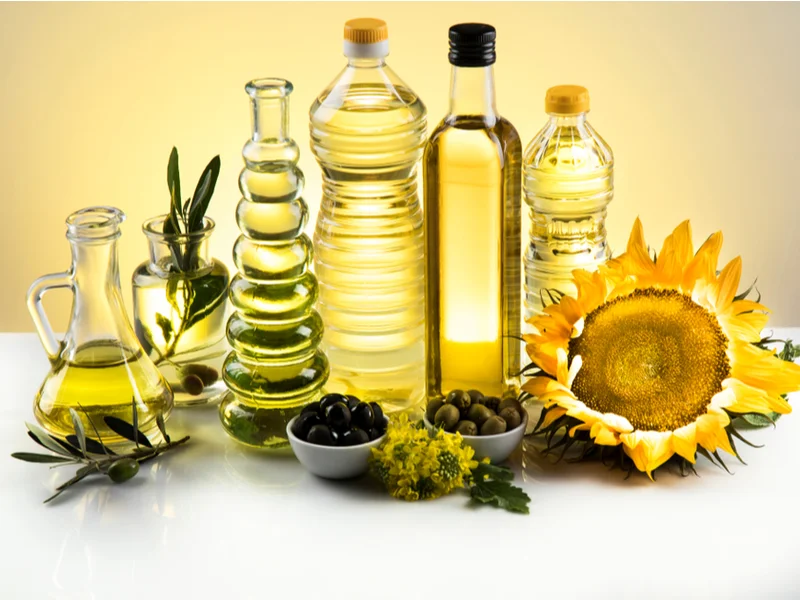
Turkey, Marmara region hosts Dost Organik, which lists nine active products across plant extracts, metals, fuels and agricultural commodities. The catalogue includes hydrosols (HS 3301.29), dried aronia and blueberry berries (HS 0813.40), brass ingots and cathodes (HS 7407.21), refined fossil fuels (HS 2710.19), a gold bar (HS 7108.12), a natural diamond (HS 7102.31), refined sunflower oil (HS 1512.19), common wheat grain (HS 1001.99) and ICUMSA 45 white sugar (HS 1701.99). Each entry follows the HS‑code families for botanical liquids, dried fruit, non‑ferrous alloys, petroleum products, precious metals, edible oils, cereals and sugars.
The supplier’s profile states activity in organic products, essential oils and metals, and the product list reflects that mix of agricultural and industrial goods. Hydrosols are described as 100 % natural botanical extracts of rose, lavender, sage and thyme; the berry line consists of dried Aronia melanocarpa and Vaccinium spp.; the metal line uses brass alloys C26000 and C27000; fuels are generic petroleum hydrocarbons; the gold bar is fine gold at 99.99 % purity; the diamond is natural carbon; sunflower oil is refined from Helianthus annus; wheat is common Triticum aestivum grain; and sugar meets the ICUMSA 45 standard.
Product Range and Specialties of Dost Organik
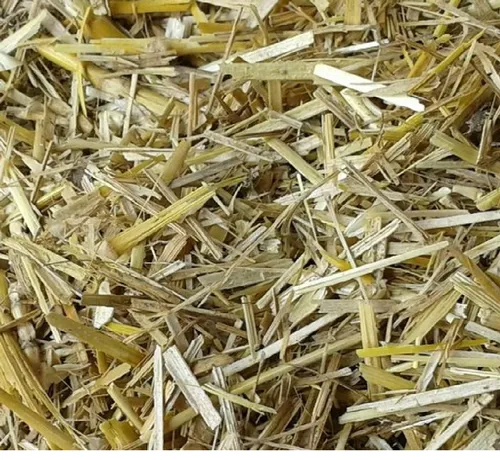
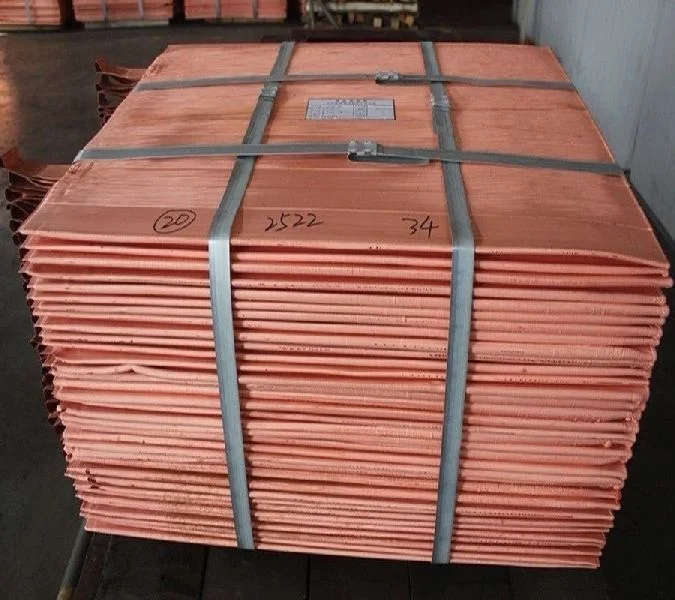
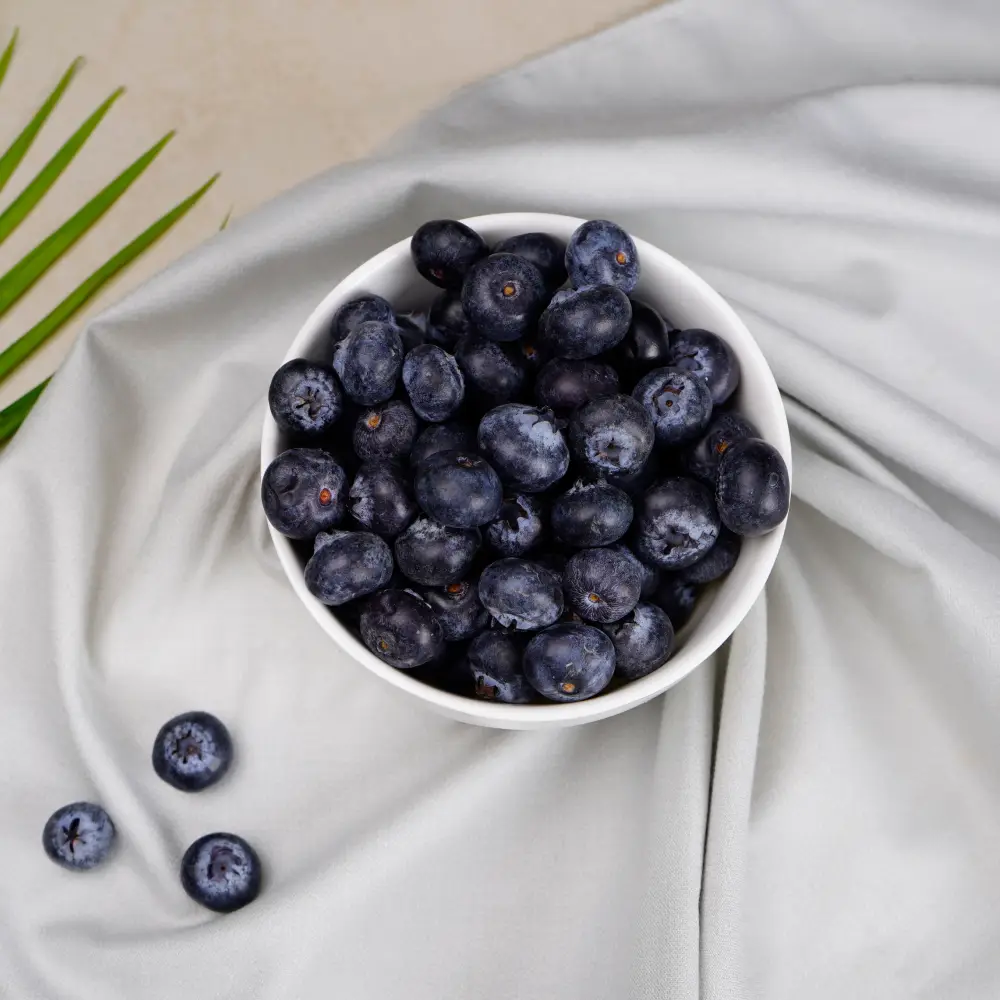
The hydrosol range typically complies with ISO 9001 quality management and may be marketed as organic under EU Regulation 834/2007; industry standards often require a minimum of 0.3 % essential oil content and moisture below 5 %. Dried aronia and blueberry berries are usually sold with moisture ≤12 %, particle size 2 - 5 mm, and may carry organic certification such as USDA‑NOP. Brass ingots C26000 (CuZn30) and C27000 (CuZn35) are standard for plumbing fittings and carry ASTM B211 specifications for tensile strength (≈ 350 MPa) and corrosion resistance. Refined fuels under HS 2710.19 are generally required to meet sulfur limits of ≤0.5 % and flash points above 60 °C. Gold bars of 99.99 % purity are assayed to ±0.001 % and commonly packaged in tamper‑evident sealed packs. Natural diamonds are graded by the 4C’s (carat, cut, colour, clarity) and supplied with GIA or equivalent certificates. Refined sunflower oil is usually specified with an iodine value of 115 - 130, free fatty acid ≤0.1 % and peroxide value ≤10 meq O₂/kg. Wheat grain is classified as Grade A with protein 11 - 13 % and moisture ≤14 %. ICUMSA 45 sugar meets a polarisation of 99.8 % and moisture ≤0.04 % according to ISO 9001.
Trade and Export Information - Dost Organik
Turkey’s export framework for agricultural and mineral products relies on customs declarations using the HS codes listed, with most shipments cleared through Istanbul’s major ports. Buyers in the EU, Middle East and North Africa frequently import the berry and wheat products, while Asian markets dominate demand for refined sunflower oil and sugar. Precious metals and diamonds are generally traded under the Kimberley Process and require a certificate of origin; European and North American refiners are typical end‑users. Fuel exports from Turkey are often shipped in 20‑ft or 40‑ft ISO tanks, complying with the IMO’s IBC Code, and may need a Certificate of Analysis for sulfur content. Brass ingots are packed in wooden crates or steel drums, subject to the EN 10204 3.1 mill test certificate. Common certifications buyers request include ISO 22000 for food items, EU organic logo for botanical extracts, and SGS inspection reports for metals and fuels. Incoterms such as CIF Istanbul or FOB Izmir are standard for bulk shipments.
Sourcing from Dost Organik - Buyer Guidance
When sourcing hydrosols, request a recent GC‑MS analysis, moisture content test and an organic certification copy (EU or USDA). For dried berries, obtain a phytosanitary certificate, moisture analysis and a certificate of origin confirming Turkish origin. Brass ingots should be accompanied by an assay report, mill test certificate (EN 10204 3.1) and specifications for tensile strength. Fuel purchases require a sulfur analysis, flash point test and a CIQ inspection report. Gold bars and diamonds must be supplied with an assay certificate and a Kimberley Process certificate respectively. Sunflower oil buyers typically ask for free fatty acid, peroxide value and iodine value test results, plus an ISO 9001 quality certificate. Wheat orders should include a grain analysis report (protein, moisture) and a sanitary inspection certificate. Sugar shipments are verified through an ICUMSA certificate, polarisation data and a moisture test. Verify that packaging matches the product (e.g., 25 kg bags for wheat, 1 ton drums for oil) and confirm lead times, which range from 30 days for metals to 45 days for agricultural commodities.
Frequently Asked Questions About Dost Organik
What HS codes are used for Dost Organik’s hydrosol products?
Hydrosols of rose, lavender, sage and thyme are listed under HS code 3301.29, the category for other prepared essences and extracts.
Which certifications should a buyer request for the dried aronia and blueberry berries?
Buyers should request a phytosanitary certificate, an organic certification copy (EU or USDA), and a moisture analysis confirming ≤12 % water content.
What documentation is standard for the brass ingots and cathodes?
Standard documents include an assay report, an EN 10204 3.1 mill test certificate specifying tensile strength and alloy composition, and a certificate of origin.
How are the refined fuels shipped and what tests are commonly required?
Fuels are typically shipped in ISO tanks under CIF or FOB terms; buyers usually require a sulfur content analysis (≤0.5 %), flash point test and a CIQ inspection report.
What quality parameters are typical for the refined sunflower oil?
Typical parameters include free fatty acid ≤0.1 %, peroxide value ≤10 meq O₂/kg, iodine value 115 - 130 and a compliance certificate to ISO 9001.
What certificates are needed for the gold bar and natural diamond?
The gold bar should be accompanied by an assay certificate confirming 99.99 % purity; the diamond requires a Kimberley Process certificate and a grading report (GIA or equivalent).
Which packaging formats are used for wheat and ICUMSA 45 sugar?
Wheat is usually packed in 25 kg polypropylene bags, while ICUMSA 45 sugar is shipped in 50 kg or 1‑ton bulk bags, both sealed to prevent moisture ingress.
What are the typical lead times for Dost Organik’s product categories?
Lead times vary: metal ingots often 30 days, refined fuels 35 days, agricultural products such as wheat, berries and oil 40 - 45 days, and precious metals up to 50 days depending on certification procedures.




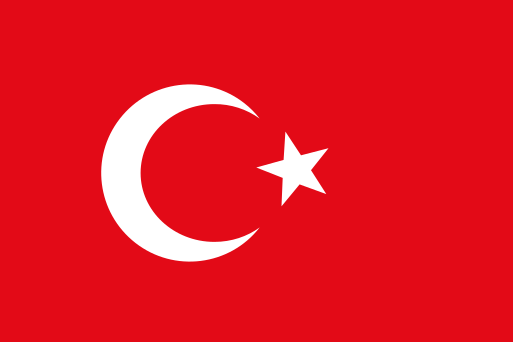 , Turkey