Dongying Kende Imp. & Exp. Co., Ltd. — Verified Supplier
About Dongying Kende Imp. & Exp. Co., Ltd. - Non Woven Fabric Supplier in China
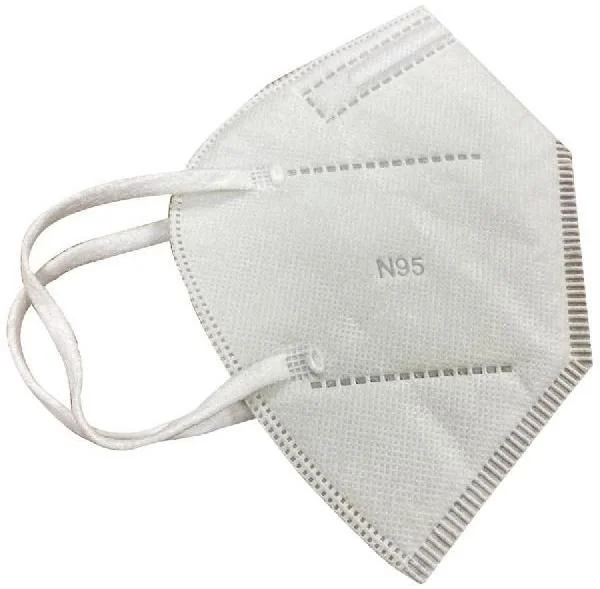
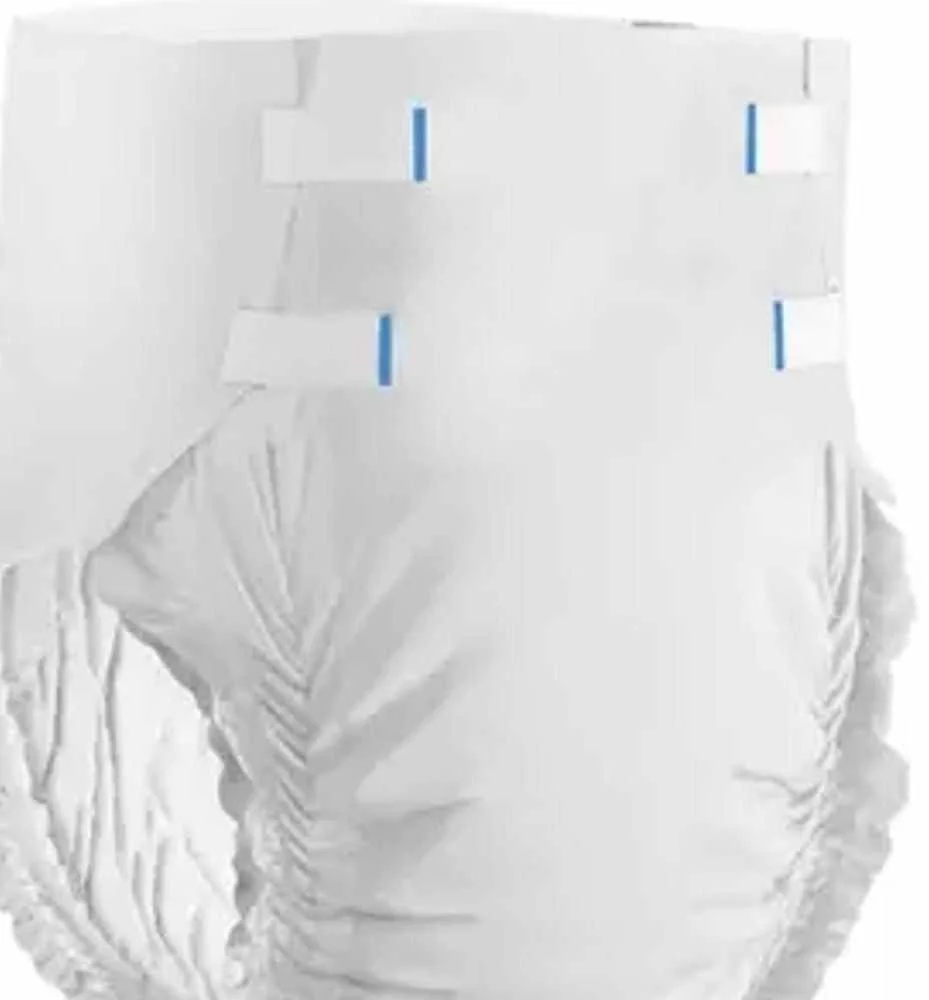
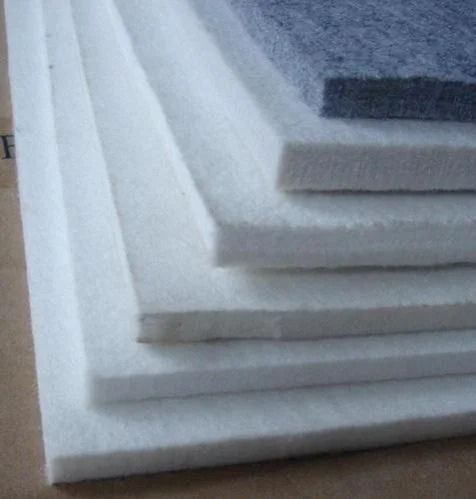
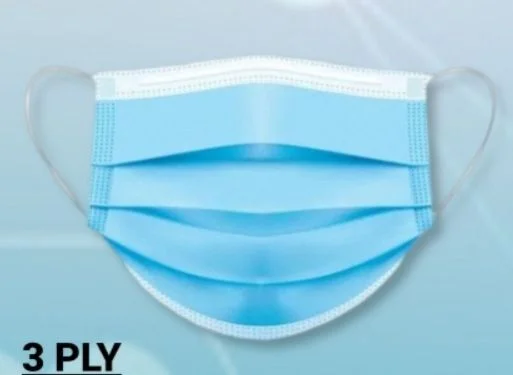
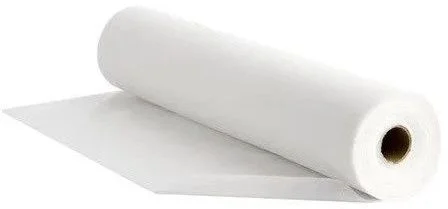
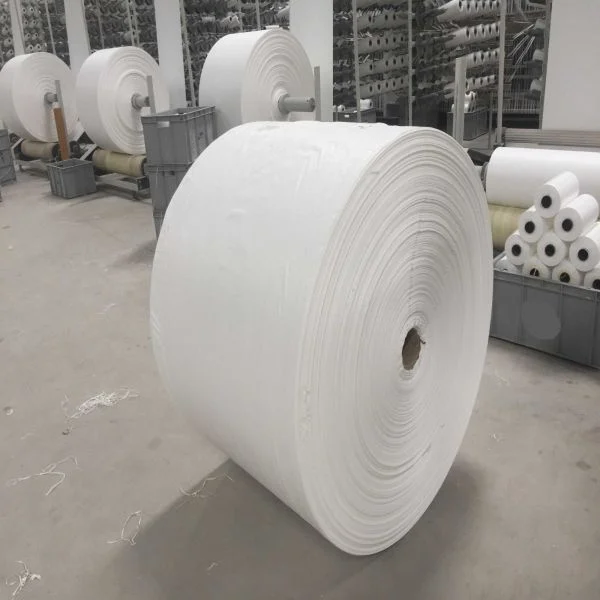
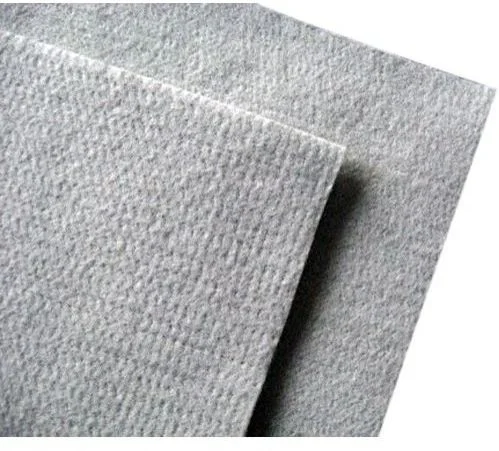
Dongying Kende Imp. & Exp. Co., Ltd. operates out of China and currently lists nine active products in its catalogue. The products are all variants of non‑woven fabrics, primarily spunbond and melt‑blown structures used in personal protective equipment and hygiene applications. The list includes a SS/SSS spunbond fabric for face masks, a PFE 99 % melt‑blown fabric, colour‑coded PP spunbond for masks, PP spunbond for medical gowns, and hydrophilic spunbond fabrics aimed at diaper and agricultural uses. Additional items comprise a 15 g hydrophilic spunbond SSMS for diapers, printed PP spunbond fabric, a generic spunbond fabric for agricultural purposes, and a BFE 99 % melt‑blown fabric for masks. Each entry is recorded without specific HS‑code data, reflecting the supplier’s focus on non‑woven textile solutions.
Product Range and Specialties of Dongying Kende Imp. & Exp. Co., Ltd.
The catalogue covers spunbond and melt‑blown non‑woven fabrics made from polypropylene, a standard polymer for filtration and hygiene products. In the industry, spunbond fabrics are typically produced with basis weights ranging from 10 g m‑2 to 60 g m‑2, while melt‑blown layers used for filtration often target a filtration efficiency of 95 % - 99 % for particles (PFE) and bacterial filtration efficiency (BFE) of similar levels. Common specifications include gram‑per‑square‑meter (GSM) values, fiber diameters of 1 - 5 µm for melt‑blown layers, and hydro‑philic treatments to improve liquid absorption in diaper applications. Buyers often require compliance with standards such as ASTM F2100 for medical masks, EN 14683 for surgical masks, and ISO 10993 for biocompatibility of medical gowns. The supplier’s printed and colour‑coded fabrics align with market practices where branding or colour differentiation aids in product segregation during manufacturing.
Trade and Export Information - Dongying Kende Imp. & Exp. Co., Ltd.
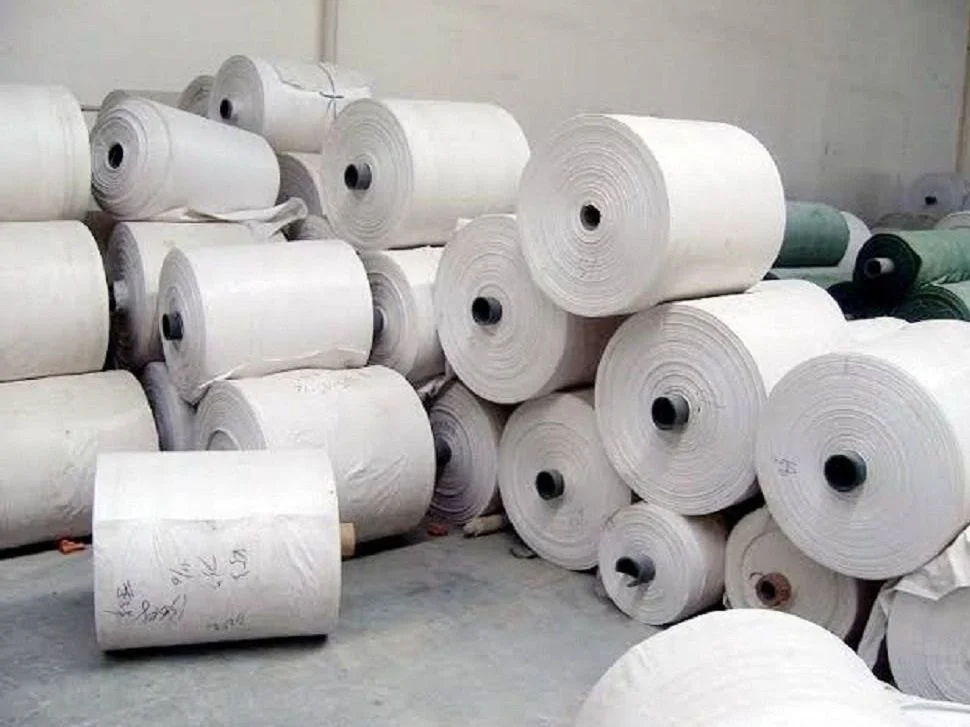
China is a leading exporter of polypropylene non‑woven fabrics, with the HS‑code 5601 covering "non‑woven fabrics; woven fabrics of synthetic filament yarn, not impregnated, coated or laminated" frequently used for these items. Export shipments commonly target Europe, North America, and Southeast Asian markets where the medical, hygiene, and agricultural sectors demand high‑efficiency filtration media. Typical certifications requested by importers include ISO 9001 quality management, CE marking for medical devices, and FDA registration for products entering the United States. Logistics for rolled or folded non‑woven fabrics usually involve 20‑foot or 40‑foot containers, with FOB Shanghai or Ningbo and CIF options widely employed. Packaging often consists of moisture‑resistant polyethylene bags, bulk rolls on pallets, or cardboard cartons to protect the fabric’s integrity during transit.
Sourcing from Dongying Kende Imp. & Exp. Co., Ltd. - Buyer Guidance
When sourcing these non‑woven fabrics, buyers should request a product data sheet that lists GSM, basis weight, fiber diameter, melt‑blown layer thickness, and filtration efficiency (PFE/BFE) values. Third‑party test reports complying with ASTM F2100, EN 14683, or ISO 9073 are standard evidence of performance, and buyers should verify that the supplier can provide certificates of conformity or CE declarations where applicable. Samples of the actual roll or cut pieces are advisable before committing to bulk orders to assess tensile strength, hydro‑philic treatment uniformity, and colour consistency. Verification of the supplier’s ISO 9001 registration and any export‑specific documentation, such as a Certificate of Origin, helps confirm compliance with buyer‑country import requirements.
Frequently Asked Questions About Dongying Kende Imp. & Exp. Co., Ltd.
What types of non‑woven fabrics does Dongying Kende list in its catalogue?
The catalogue includes spunbond and melt‑blown polypropylene fabrics for face masks, medical gowns, diapers, and agricultural use, as well as colour‑coded, printed, and hydrophilic‑treated variants.
Are filtration efficiency figures such as PFE or BFE provided for the melt‑blown fabrics?
Yes, the supplier lists a PFE 99 % melt‑blown fabric and a BFE 99 % melt‑blown fabric, indicating high particle and bacterial filtration performance typical for medical mask media.
Which HS code is generally associated with these non‑woven fabrics?
Non‑woven polypropylene fabrics are commonly classified under HS code 5601, which covers non‑woven fabrics of synthetic filament yarn.
What certifications should a buyer request for medical‑grade non‑woven fabrics?
Buyers usually request ISO 9001 for quality management, CE marking for medical device compliance, and test reports meeting ASTM F2100 or EN 14683 standards.
What sample format is recommended before placing a large order?
A rolled sample or a cut piece showing the full width and typical GSM is recommended to evaluate tensile strength, filtration efficiency, and colour consistency.
What are typical minimum order quantities and lead times for these fabrics?
Minimum order quantities often start at one 20‑foot container (approximately 1,500 kg of fabric), with lead times ranging from 30 to 45 days depending on product complexity and required testing.
How are the fabrics typically packaged for export?
Export packaging usually consists of moisture‑resistant polyethylene bags, bulk rolls on wooden pallets, and outer cardboard cartons to protect against moisture and mechanical damage during container transport.
Which regions most frequently import Chinese non‑woven polypropylene fabrics?
Major import regions include the European Union, the United States, Japan, and Southeast Asian countries such as Vietnam and Indonesia, where the medical, hygiene, and agricultural sectors have high demand.




 , China