Diviner International — Verified Supplier

About Diviner International - Basmati Rice Supplier in India

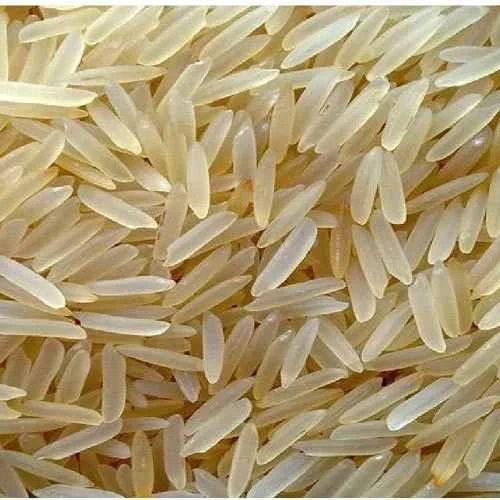
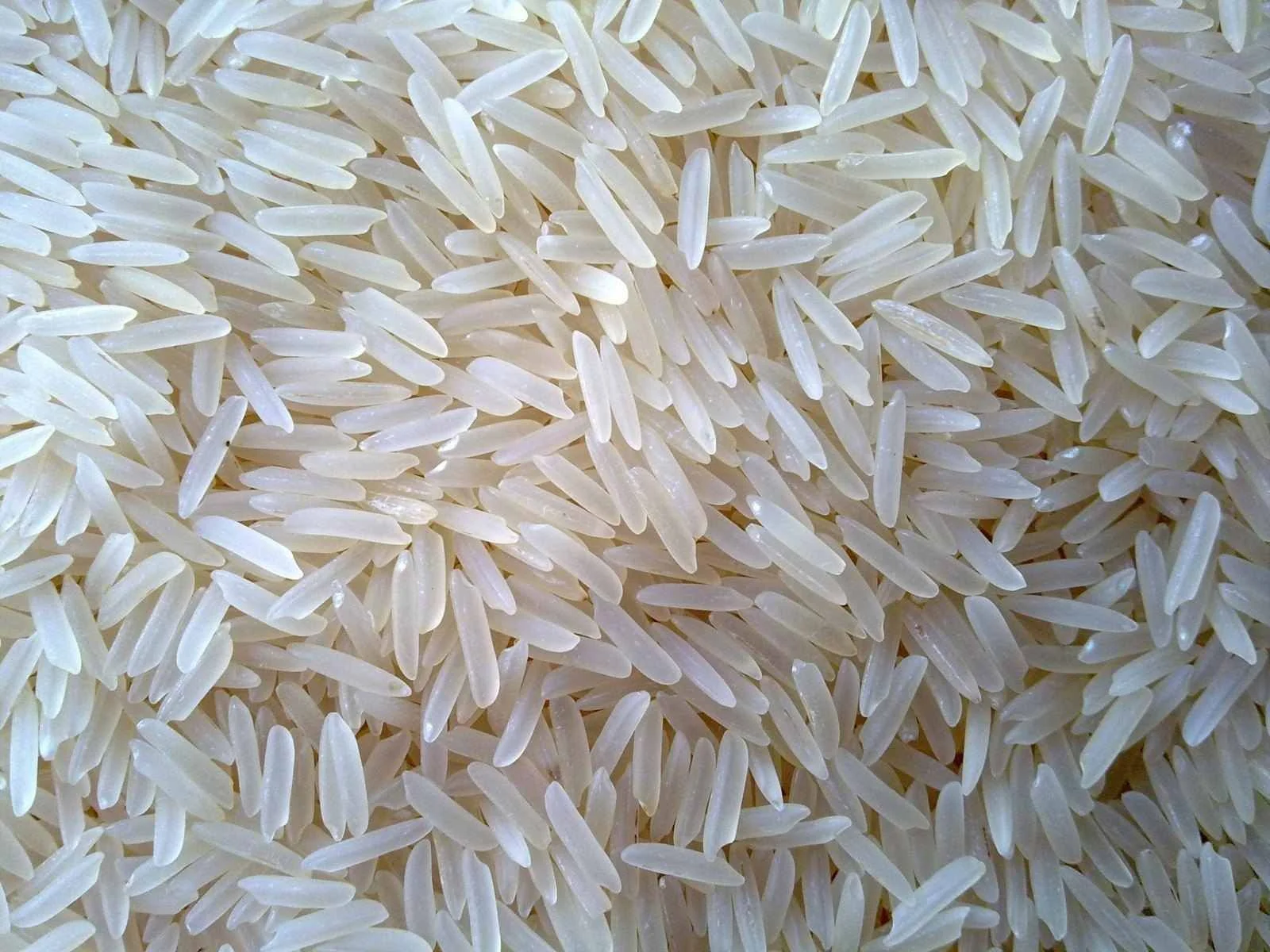
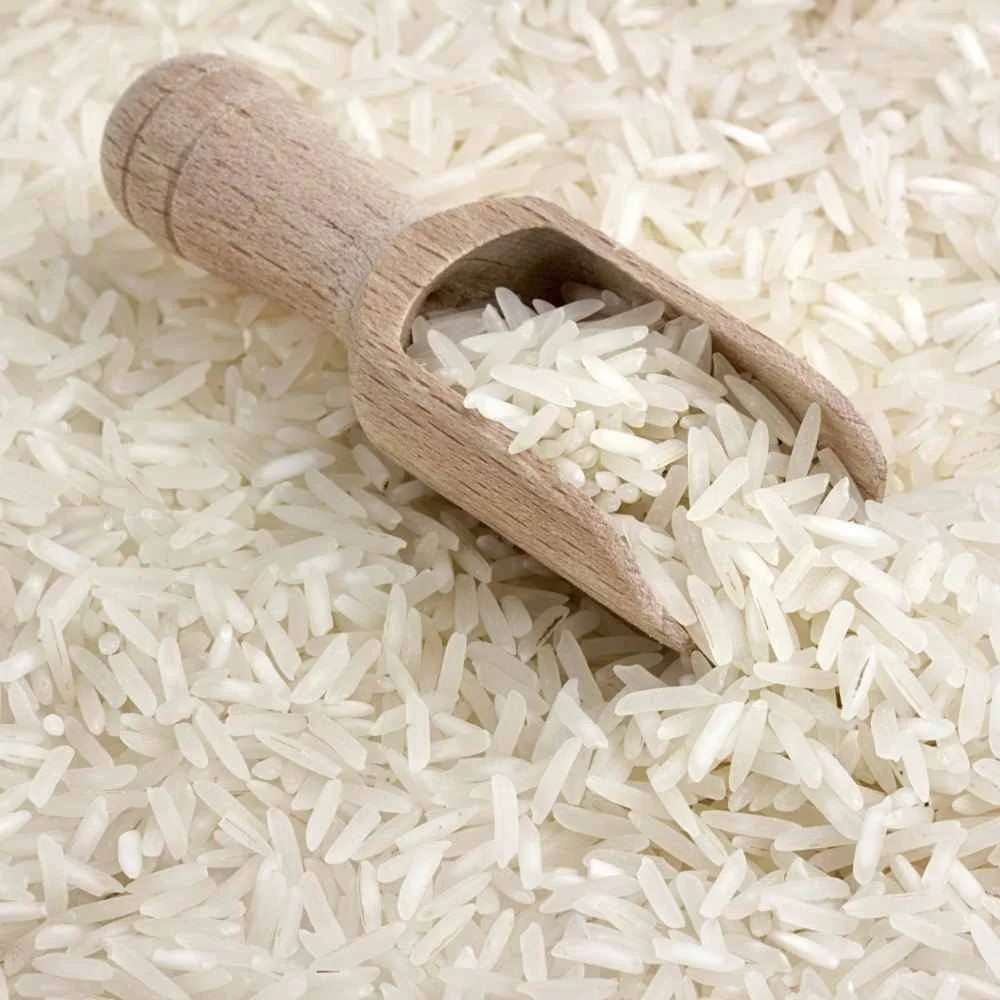
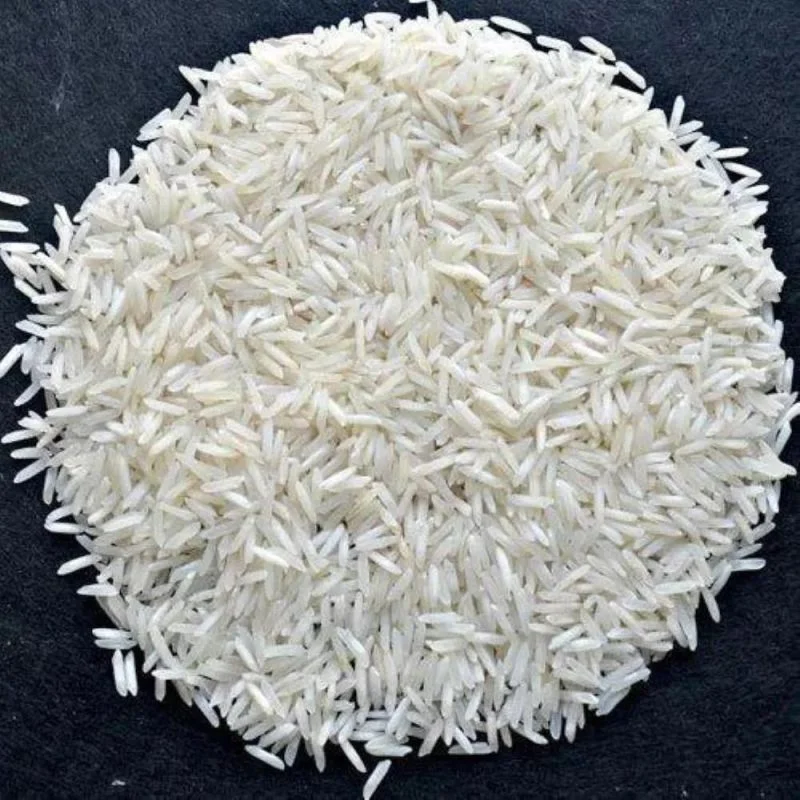
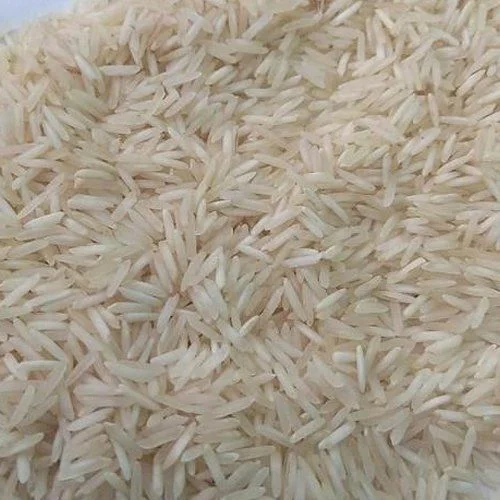
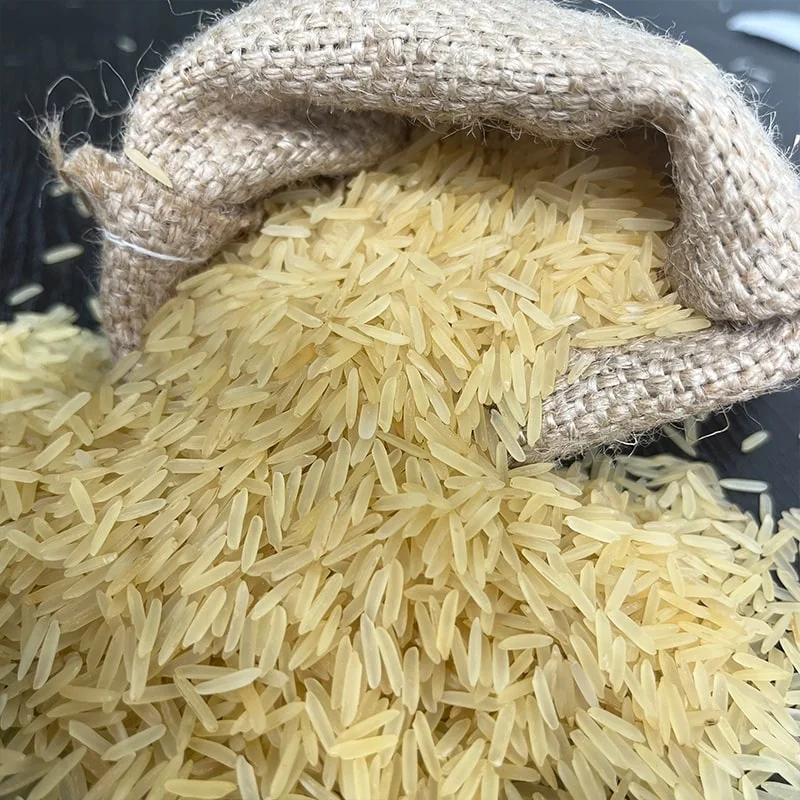
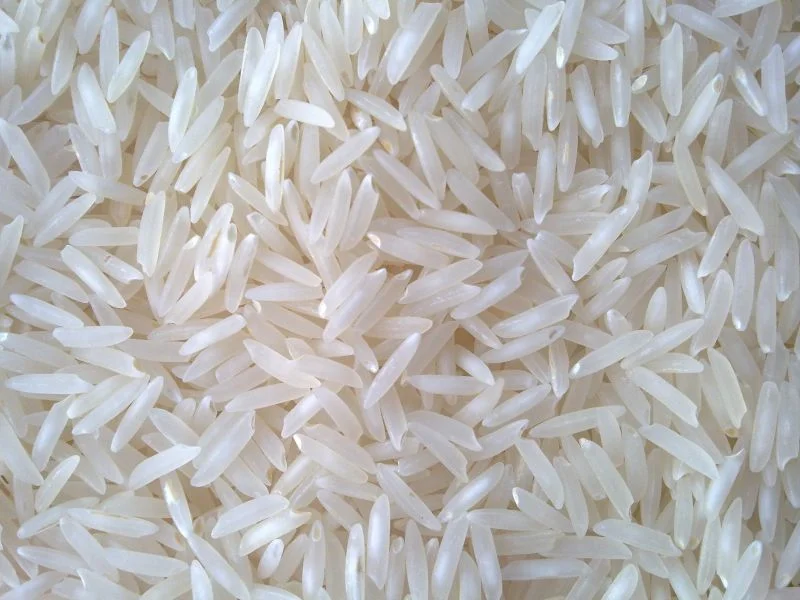
Diviner International is based in India and lists 46 active products across its catalogue. The portfolio includes multiple Basmati rice lines such as 1121 Long Grain Golden Sella, 1401 Long Grain White Sella Pussa, and 1718 Long Grain Golden Sella, all recorded under HS code 1006.30 (or 1006.30.10 for the 1401 Sella Pussa variant). In addition to rice, the supplier lists cashew nut grades (W180 to W450, LWP and raw), peanuts and groundnuts, several tea products (CTC, Green, Herbal Green), chickpeas, mustard seed and oil, black pepper, and other pulses. Each product entry follows the standard HS nomenclature used for Indian agricultural exports, for example 1006.30 for milled Basmati rice and 0805‑xxxx for cashew nuts where the code is not explicitly supplied. The catalogue also references mustard oil, peanut oil, cow ghee, and various legumes, providing a broad snapshot of Indian food‑grade commodities.

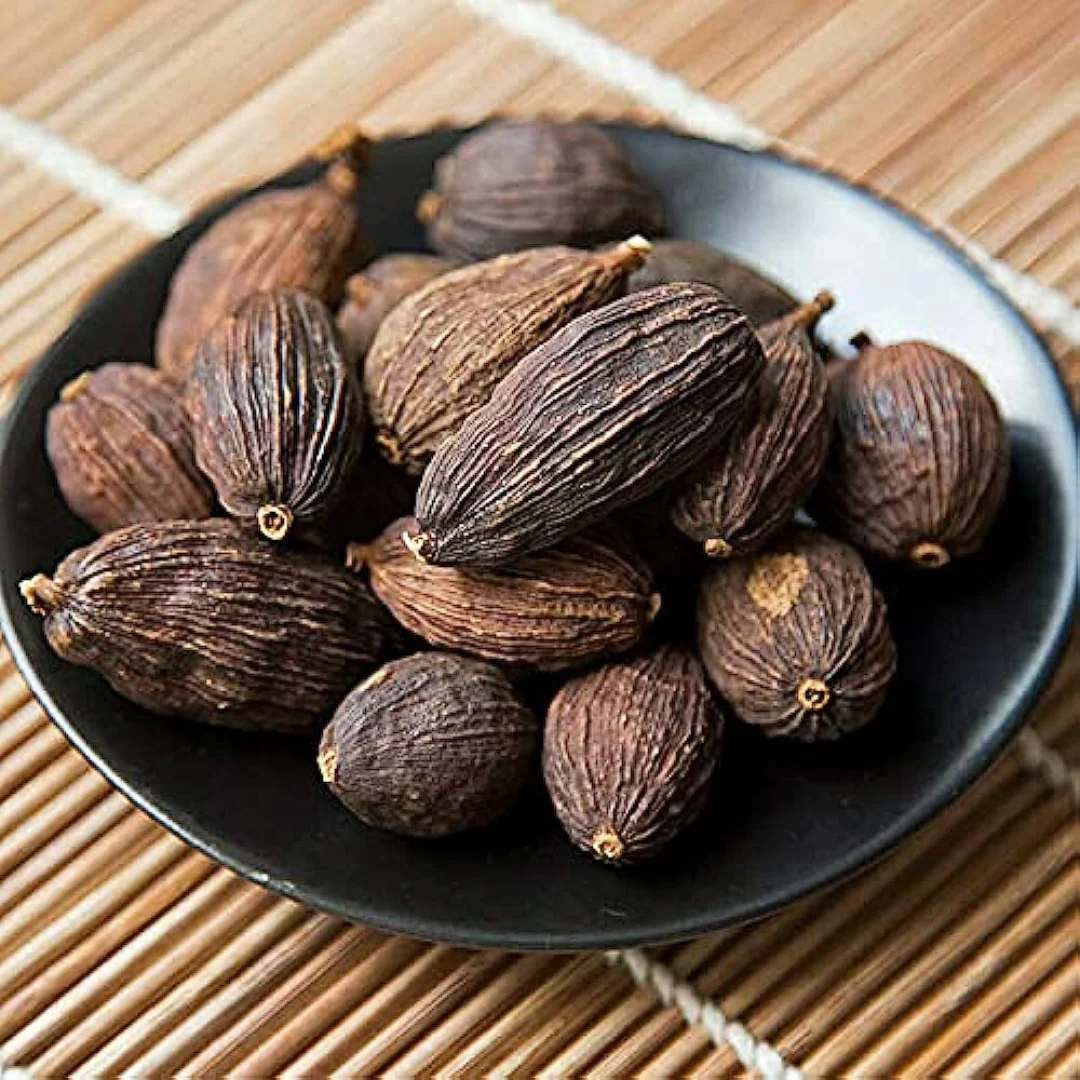
The listed items are grouped by commodity type rather than by processing stage, showing both raw and value‑added forms such as steam‑parboiled rice, Sella (semi‑polished) rice, and fully milled white rice. The tea line includes both CTC (crush‑tear‑curl) and bulk green tea, which are typical export formats from India. The inclusion of green cardamom, black pepper, and red lentils reflects common spice and pulse categories that Indian exporters ship to overseas markets. No additional corporate history or performance metrics are disclosed beyond the active product count and the commodity list.

Product Range and Specialties of Diviner International

Diviner International’s catalogue covers three main grain categories: Basmati rice, legumes, and oilseeds, supplemented by nuts, spices and tea. The Basmati rice entries (1121, 1401, 1509, 1718) correspond to the Indian export grades that are usually classified by kernel length (e.g., 1121 mm ± 0.5 mm), moisture content below 13 %, broken grain under 5 % and a minimum of 75 % head rice yield. Export‑oriented Basmati rice is often shipped as Sella (parboiled) or steam‑parboiled, with a typical husk removal rate of 2 % and a polished grain appearance meeting ICUMSA 45 colour standards.

Cashew nut grades listed (W180‑W450, LWP, raw) follow the Indian export size grading where ‘W’ denotes whole kernels and the number indicates the average kernel weight in grams; W180 is roughly 180 g per 100 g of kernels. Buyers normally request moisture below 5 % and shell‑to‑kernel ratio under 30 %. Peanut and groundnut listings are generally sold as shelled kernels with standard oil content of 45‑50 % and moisture under 6 %.

Tea products include CTC, bulk green tea and herbal green tea. CTC tea is usually graded by leaf size (e.g., B‑grade, C‑grade) and moisture below 4 %. Green tea exports frequently meet ISO‑9001 quality management and are graded by leaf cut (whole leaf, fannings) with pesticide residues below EU maximum residue limits. The spice and oilseed items - mustard seed, mustard oil, peanut oil and black pepper - are typically shipped in bulk or 25 kg bags, with standard purity specifications (e.g., mustard oil ≥ 99 % oleic acid, pepper ≥ 80 % piperine).

Trade and Export Information - Diviner International

India is one of the world’s largest exporters of Basmati rice, with primary destinations in the Middle East, Europe, and North America. Under HS chapter 10, rice classified under 1006.30 requires a phytosanitary certificate, a certificate of origin, and often an ISO 22000 or HACCP audit report for food‑safety compliance. Container loading is usually 20‑ft or 40‑ft dry containers, with a typical payload of 22‑t for milled rice.

Cashew nuts from India fall under HS 0805 and are subject to aflatoxin testing, moisture limits of 5 % and a declaration of shelling percentage. Major import markets include the United States, European Union, and Southeast Asia, where buyers frequently request a Certificate of Analysis (CoA) and compliance with the EU’s maximum aflatoxin limits (2 µg/kg for total aflatoxins).

Tea exports (HS 0902) from India are commonly shipped to Russia, the United Kingdom, and the United Arab Emirates. Buyers often require a declaration of leaf grade, moisture content below 4 %, and a residual pesticide test conforming to Codex Alimentarius standards. Mustard seed and oil (HS 0713) are typically exported to the Middle East and Africa; standard documentation includes a phytosanitary certificate and, where requested, an ISO‑9001 quality management certificate. Overall, Indian exporters like Diviner International must align with customs valuation, labelling, and packaging regulations of the destination country, using sturdy jute sacks for bulk spices or liner‑lined containers for oils.

Sourcing from Diviner International - Buyer Guidance

When sourcing Basmati rice from Diviner International, buyers should request a recent laboratory report showing moisture, broken grain percentage, and head‑rice yield, as well as a copy of the phytosanitary certificate and the origin certificate. It is advisable to verify that the rice complies with the buyer’s target market specifications for ICUMSA colour (typically 45) and pesticide residue limits.

For cashew nuts, buyers normally ask for a size‑grade verification sheet, moisture analysis, shell‑to‑kernel ratio, and aflatoxin test results. Requesting a CoA that references ISO‑22000 or HACCP compliance helps confirm food‑safety standards.

Tea purchasers should obtain leaf‑grade documentation, moisture content, and any relevant pesticide residue certificates. Samples of the exact grade (e.g., CTC B‑grade or whole‑leaf green tea) are standard practice before confirming bulk orders.

Spice and oilseed buyers typically request a purity analysis, moisture content, and, where applicable, a free‑fat test for mustard oil. Confirmation of container sealing, liner type and temperature‑controlled handling for oils is also recommended.

Frequently Asked Questions About Diviner International

What Basmati rice varieties does Diviner International export?

The supplier lists 1121, 1401, 1509 and 1718 Basmati rice varieties, offered as Long Grain Golden Sella, White Sella Pussa, Steam‑parboiled and Premium Steam Basmati, all under HS code 1006.30 (1401 Sella Pussa uses 1006.30.10).

Which HS codes apply to the rice products?

All Basmati rice entries are classified under HS 1006.30, except the 1401 Long Grain White Sella Pussa which uses HS 1006.30.10 for the specific white milled form.

What cashew nut grades are available?

Diviner International offers W180, W210, W240, W320, W450, LWP and raw cashew nuts, representing whole kernel sizes from roughly 180 g to 450 g per 100 g batch.

Are certifications such as ISO or HACCP provided?

The facts do not list any certifications held by the supplier; buyers should request copies of any ISO 22000, HACCP or other food‑safety certificates that the exporter can supply.

What documentation is needed for tea shipments?

Buyers should ask for a phytosanitary certificate, a leaf‑grade sheet, moisture analysis (typically <4 %), and any pesticide residue test reports that meet the destination country’s limits.

What are the typical packaging and container options?

Rice and pulses are usually packed in 25 kg polypropylene bags, cashews in 1‑ton bulk cartons, and tea in 20 kg paper bags; full‑size 20‑ft or 40‑ft dry containers are standard for ocean freight.

What is the minimum order quantity (MOQ) for Basmati rice?

The catalogue does not specify MOQ; buyers should confirm the required container load, which commonly starts at one 20‑ft container (approximately 22 t) for bulk rice orders.

How long is the typical lead time for an order?

Lead times are not disclosed in the facts; exporters from India generally require 30‑45 days from order confirmation to shipment, depending on product availability and export documentation.


Featured Products from this Supplier

Other Suppliers in Primary Category

Top Trusted Suppliers

Related Products

Trending in Parent Category

More Suppliers in Category

Related Products

Other Suppliers

EximNext
58.5K+ live requirements
Register Free🎁 Reach verified global buyers
Post Requirement
🌍 Trusted by 224.6K+ businesses in 200+ countries|
58.5K+ active requirements right now
✉️ [email protected]
|
Sell on EximNextPost Requirement
EximNext
AgricultureApparelConstructionElectronicFoodHomeIndustrialMineralsMiscellaneous
🔥 Deals|✨ AI Match|🏭 Suppliers|📋 Buy Leads|💰 Trade Finance
58.5K+ live RFQs·194.6K+ suppliers
🎁 Reach global buyers →
EximNext
EximNext
Register Free
🎁 Reach verified global buyers
Sign In
📋Post Requirement💬Get QuotesAI Match📋RFQ Marketplace
All Categories
Services & Tools
🏭Supplier Directory🔥Today's Deals💰Trade Finance
Sell on EximNext
AboutContactBlogHelp
🏭

Diviner International

Harbor
Country flag , India
🛡️
77/100
Trust Score

Diviner International Product Catalog

Showing 12 of 46 products
View all products →
1718 Long Grain Steam Basmati Rice
Harbor
1718 Long Grain Steam Basmati Rice
Contact
MOQ: 1 Unit
White Peas
Harbor
White Peas
Contact
MOQ: 1 Unit
Yellow Mustard Seed
Harbor
Yellow Mustard Seed
Contact
MOQ: 1 Unit
Black Pepper
Harbor
Black Pepper
Contact
MOQ: 1 Unit
1401 Long Grain Steam Basmati Rice
Harbor
1401 Long Grain Steam Basmati Rice
Contact
MOQ: 1 Unit
1718 Long Grain Golden Sella Basmati Rice
Harbor
1718 Long Grain Golden Sella Basmati Rice
Contact
MOQ: 1 Unit
1509 Long Grain Steam Basmati Rice
Harbor
1509 Long Grain Steam Basmati Rice
Contact
MOQ: 1 Unit
1509 Long Grain White/Creamy Sella  Basmati Rice
Harbor
1509 Long Grain White/Creamy Sella Basmati Rice
Contact
MOQ: 1 Unit
1121 Long Grain Indian Golden Sella Basmati Rice
Harbor
1121 Long Grain Indian Golden Sella Basmati Rice
Contact
MOQ: 1 Unit
1121 Long Grain White/Creamy Sella Basmati Rice
Harbor
1121 Long Grain White/Creamy Sella Basmati Rice
Contact
MOQ: 1 Unit
1121 Long Grain Raw/White Basmati Rice
Harbor
1121 Long Grain Raw/White Basmati Rice
Contact
MOQ: 1 Unit
1718 Long Grain Raw/White Basmati Rice
Harbor
1718 Long Grain Raw/White Basmati Rice
Contact
MOQ: 1 Unit

About Diviner International - Basmati Rice Supplier in India

Diviner International is based in India and lists 46 active products across its catalogue. The portfolio includes multiple Basmati rice lines such as 1121 Long Grain Golden Sella, 1401 Long Grain White Sella Pussa, and 1718 Long Grain Golden Sella, all recorded under HS code 1006.30 (or 1006.30.10 for the 1401 Sella Pussa variant). In addition to rice, the supplier lists cashew nut grades (W180 to W450, LWP and raw), peanuts and groundnuts, several tea products (CTC, Green, Herbal Green), chickpeas, mustard seed and oil, black pepper, and other pulses. Each product entry follows the standard HS nomenclature used for Indian agricultural exports, for example 1006.30 for milled Basmati rice and 0805‑xxxx for cashew nuts where the code is not explicitly supplied. The catalogue also references mustard oil, peanut oil, cow ghee, and various legumes, providing a broad snapshot of Indian food‑grade commodities.

The listed items are grouped by commodity type rather than by processing stage, showing both raw and value‑added forms such as steam‑parboiled rice, Sella (semi‑polished) rice, and fully milled white rice. The tea line includes both CTC (crush‑tear‑curl) and bulk green tea, which are typical export formats from India. The inclusion of green cardamom, black pepper, and red lentils reflects common spice and pulse categories that Indian exporters ship to overseas markets. No additional corporate history or performance metrics are disclosed beyond the active product count and the commodity list.

Product Range and Specialties of Diviner International

Diviner International’s catalogue covers three main grain categories: Basmati rice, legumes, and oilseeds, supplemented by nuts, spices and tea. The Basmati rice entries (1121, 1401, 1509, 1718) correspond to the Indian export grades that are usually classified by kernel length (e.g., 1121 mm ± 0.5 mm), moisture content below 13 %, broken grain under 5 % and a minimum of 75 % head rice yield. Export‑oriented Basmati rice is often shipped as Sella (parboiled) or steam‑parboiled, with a typical husk removal rate of 2 % and a polished grain appearance meeting ICUMSA 45 colour standards.

Cashew nut grades listed (W180‑W450, LWP, raw) follow the Indian export size grading where ‘W’ denotes whole kernels and the number indicates the average kernel weight in grams; W180 is roughly 180 g per 100 g of kernels. Buyers normally request moisture below 5 % and shell‑to‑kernel ratio under 30 %. Peanut and groundnut listings are generally sold as shelled kernels with standard oil content of 45‑50 % and moisture under 6 %.

Tea products include CTC, bulk green tea and herbal green tea. CTC tea is usually graded by leaf size (e.g., B‑grade, C‑grade) and moisture below 4 %. Green tea exports frequently meet ISO‑9001 quality management and are graded by leaf cut (whole leaf, fannings) with pesticide residues below EU maximum residue limits. The spice and oilseed items - mustard seed, mustard oil, peanut oil and black pepper - are typically shipped in bulk or 25 kg bags, with standard purity specifications (e.g., mustard oil ≥ 99 % oleic acid, pepper ≥ 80 % piperine).

Trade and Export Information - Diviner International

India is one of the world’s largest exporters of Basmati rice, with primary destinations in the Middle East, Europe, and North America. Under HS chapter 10, rice classified under 1006.30 requires a phytosanitary certificate, a certificate of origin, and often an ISO 22000 or HACCP audit report for food‑safety compliance. Container loading is usually 20‑ft or 40‑ft dry containers, with a typical payload of 22‑t for milled rice.

Cashew nuts from India fall under HS 0805 and are subject to aflatoxin testing, moisture limits of 5 % and a declaration of shelling percentage. Major import markets include the United States, European Union, and Southeast Asia, where buyers frequently request a Certificate of Analysis (CoA) and compliance with the EU’s maximum aflatoxin limits (2 µg/kg for total aflatoxins).

Tea exports (HS 0902) from India are commonly shipped to Russia, the United Kingdom, and the United Arab Emirates. Buyers often require a declaration of leaf grade, moisture content below 4 %, and a residual pesticide test conforming to Codex Alimentarius standards. Mustard seed and oil (HS 0713) are typically exported to the Middle East and Africa; standard documentation includes a phytosanitary certificate and, where requested, an ISO‑9001 quality management certificate. Overall, Indian exporters like Diviner International must align with customs valuation, labelling, and packaging regulations of the destination country, using sturdy jute sacks for bulk spices or liner‑lined containers for oils.

Sourcing from Diviner International - Buyer Guidance

When sourcing Basmati rice from Diviner International, buyers should request a recent laboratory report showing moisture, broken grain percentage, and head‑rice yield, as well as a copy of the phytosanitary certificate and the origin certificate. It is advisable to verify that the rice complies with the buyer’s target market specifications for ICUMSA colour (typically 45) and pesticide residue limits.

For cashew nuts, buyers normally ask for a size‑grade verification sheet, moisture analysis, shell‑to‑kernel ratio, and aflatoxin test results. Requesting a CoA that references ISO‑22000 or HACCP compliance helps confirm food‑safety standards.

Tea purchasers should obtain leaf‑grade documentation, moisture content, and any relevant pesticide residue certificates. Samples of the exact grade (e.g., CTC B‑grade or whole‑leaf green tea) are standard practice before confirming bulk orders.

Spice and oilseed buyers typically request a purity analysis, moisture content, and, where applicable, a free‑fat test for mustard oil. Confirmation of container sealing, liner type and temperature‑controlled handling for oils is also recommended.

Frequently Asked Questions About Diviner International

What Basmati rice varieties does Diviner International export?

The supplier lists 1121, 1401, 1509 and 1718 Basmati rice varieties, offered as Long Grain Golden Sella, White Sella Pussa, Steam‑parboiled and Premium Steam Basmati, all under HS code 1006.30 (1401 Sella Pussa uses 1006.30.10).

Which HS codes apply to the rice products?

All Basmati rice entries are classified under HS 1006.30, except the 1401 Long Grain White Sella Pussa which uses HS 1006.30.10 for the specific white milled form.

What cashew nut grades are available?

Diviner International offers W180, W210, W240, W320, W450, LWP and raw cashew nuts, representing whole kernel sizes from roughly 180 g to 450 g per 100 g batch.

Are certifications such as ISO or HACCP provided?

The facts do not list any certifications held by the supplier; buyers should request copies of any ISO 22000, HACCP or other food‑safety certificates that the exporter can supply.

What documentation is needed for tea shipments?

Buyers should ask for a phytosanitary certificate, a leaf‑grade sheet, moisture analysis (typically <4 %), and any pesticide residue test reports that meet the destination country’s limits.

What are the typical packaging and container options?

Rice and pulses are usually packed in 25 kg polypropylene bags, cashews in 1‑ton bulk cartons, and tea in 20 kg paper bags; full‑size 20‑ft or 40‑ft dry containers are standard for ocean freight.

What is the minimum order quantity (MOQ) for Basmati rice?

The catalogue does not specify MOQ; buyers should confirm the required container load, which commonly starts at one 20‑ft container (approximately 22 t) for bulk rice orders.

How long is the typical lead time for an order?

Lead times are not disclosed in the facts; exporters from India generally require 30‑45 days from order confirmation to shipment, depending on product availability and export documentation.

About Diviner International - Basmati Rice Supplier in India

Diviner International is based in India and lists 46 active products across its catalogue. The portfolio includes multiple Basmati rice lines such as 1121 Long Grain Golden Sella, 1401 Long Grain White Sella Pussa, and 1718 Long Grain Golden Sella, all recorded under HS code 1006.30 (or 1006.30.10 for the 1401 Sella Pussa variant). In addition to rice, the supplier lists cashew nut grades (W180 to W450, LWP and raw), peanuts and groundnuts, several tea products (CTC, Green, Herbal Green), chickpeas, mustard seed and oil, black pepper, and other pulses. Each product entry follows the standard HS nomenclature used for Indian agricultural exports, for example 1006.30 for milled Basmati rice and 0805‑xxxx for cashew nuts where the code is not explicitly supplied. The catalogue also references mustard oil, peanut oil, cow ghee, and various legumes, providing a broad snapshot of Indian food‑grade commodities.

The listed items are grouped by commodity type rather than by processing stage, showing both raw and value‑added forms such as steam‑parboiled rice, Sella (semi‑polished) rice, and fully milled white rice. The tea line includes both CTC (crush‑tear‑curl) and bulk green tea, which are typical export formats from India. The inclusion of green cardamom, black pepper, and red lentils reflects common spice and pulse categories that Indian exporters ship to overseas markets. No additional corporate history or performance metrics are disclosed beyond the active product count and the commodity list.

Product Range and Specialties of Diviner International

Diviner International’s catalogue covers three main grain categories: Basmati rice, legumes, and oilseeds, supplemented by nuts, spices and tea. The Basmati rice entries (1121, 1401, 1509, 1718) correspond to the Indian export grades that are usually classified by kernel length (e.g., 1121 mm ± 0.5 mm), moisture content below 13 %, broken grain under 5 % and a minimum of 75 % head rice yield. Export‑oriented Basmati rice is often shipped as Sella (parboiled) or steam‑parboiled, with a typical husk removal rate of 2 % and a polished grain appearance meeting ICUMSA 45 colour standards.

Cashew nut grades listed (W180‑W450, LWP, raw) follow the Indian export size grading where ‘W’ denotes whole kernels and the number indicates the average kernel weight in grams; W180 is roughly 180 g per 100 g of kernels. Buyers normally request moisture below 5 % and shell‑to‑kernel ratio under 30 %. Peanut and groundnut listings are generally sold as shelled kernels with standard oil content of 45‑50 % and moisture under 6 %.

Tea products include CTC, bulk green tea and herbal green tea. CTC tea is usually graded by leaf size (e.g., B‑grade, C‑grade) and moisture below 4 %. Green tea exports frequently meet ISO‑9001 quality management and are graded by leaf cut (whole leaf, fannings) with pesticide residues below EU maximum residue limits. The spice and oilseed items - mustard seed, mustard oil, peanut oil and black pepper - are typically shipped in bulk or 25 kg bags, with standard purity specifications (e.g., mustard oil ≥ 99 % oleic acid, pepper ≥ 80 % piperine).

Trade and Export Information - Diviner International

India is one of the world’s largest exporters of Basmati rice, with primary destinations in the Middle East, Europe, and North America. Under HS chapter 10, rice classified under 1006.30 requires a phytosanitary certificate, a certificate of origin, and often an ISO 22000 or HACCP audit report for food‑safety compliance. Container loading is usually 20‑ft or 40‑ft dry containers, with a typical payload of 22‑t for milled rice.

Cashew nuts from India fall under HS 0805 and are subject to aflatoxin testing, moisture limits of 5 % and a declaration of shelling percentage. Major import markets include the United States, European Union, and Southeast Asia, where buyers frequently request a Certificate of Analysis (CoA) and compliance with the EU’s maximum aflatoxin limits (2 µg/kg for total aflatoxins).

Tea exports (HS 0902) from India are commonly shipped to Russia, the United Kingdom, and the United Arab Emirates. Buyers often require a declaration of leaf grade, moisture content below 4 %, and a residual pesticide test conforming to Codex Alimentarius standards. Mustard seed and oil (HS 0713) are typically exported to the Middle East and Africa; standard documentation includes a phytosanitary certificate and, where requested, an ISO‑9001 quality management certificate. Overall, Indian exporters like Diviner International must align with customs valuation, labelling, and packaging regulations of the destination country, using sturdy jute sacks for bulk spices or liner‑lined containers for oils.

Sourcing from Diviner International - Buyer Guidance

When sourcing Basmati rice from Diviner International, buyers should request a recent laboratory report showing moisture, broken grain percentage, and head‑rice yield, as well as a copy of the phytosanitary certificate and the origin certificate. It is advisable to verify that the rice complies with the buyer’s target market specifications for ICUMSA colour (typically 45) and pesticide residue limits.

For cashew nuts, buyers normally ask for a size‑grade verification sheet, moisture analysis, shell‑to‑kernel ratio, and aflatoxin test results. Requesting a CoA that references ISO‑22000 or HACCP compliance helps confirm food‑safety standards.

Tea purchasers should obtain leaf‑grade documentation, moisture content, and any relevant pesticide residue certificates. Samples of the exact grade (e.g., CTC B‑grade or whole‑leaf green tea) are standard practice before confirming bulk orders.

Spice and oilseed buyers typically request a purity analysis, moisture content, and, where applicable, a free‑fat test for mustard oil. Confirmation of container sealing, liner type and temperature‑controlled handling for oils is also recommended.

Frequently Asked Questions About Diviner International
What Basmati rice varieties does Diviner International export?
The supplier lists 1121, 1401, 1509 and 1718 Basmati rice varieties, offered as Long Grain Golden Sella, White Sella Pussa, Steam‑parboiled and Premium Steam Basmati, all under HS code 1006.30 (1401 Sella Pussa uses 1006.30.10).
Which HS codes apply to the rice products?
All Basmati rice entries are classified under HS 1006.30, except the 1401 Long Grain White Sella Pussa which uses HS 1006.30.10 for the specific white milled form.
What cashew nut grades are available?
Diviner International offers W180, W210, W240, W320, W450, LWP and raw cashew nuts, representing whole kernel sizes from roughly 180 g to 450 g per 100 g batch.
Are certifications such as ISO or HACCP provided?
The facts do not list any certifications held by the supplier; buyers should request copies of any ISO 22000, HACCP or other food‑safety certificates that the exporter can supply.
What documentation is needed for tea shipments?
Buyers should ask for a phytosanitary certificate, a leaf‑grade sheet, moisture analysis (typically <4 %), and any pesticide residue test reports that meet the destination country’s limits.
What are the typical packaging and container options?
Rice and pulses are usually packed in 25 kg polypropylene bags, cashews in 1‑ton bulk cartons, and tea in 20 kg paper bags; full‑size 20‑ft or 40‑ft dry containers are standard for ocean freight.
What is the minimum order quantity (MOQ) for Basmati rice?
The catalogue does not specify MOQ; buyers should confirm the required container load, which commonly starts at one 20‑ft container (approximately 22 t) for bulk rice orders.
How long is the typical lead time for an order?
Lead times are not disclosed in the facts; exporters from India generally require 30‑45 days from order confirmation to shipment, depending on product availability and export documentation.

🏭
Diviner International
Country flag , India
Harbor
77/100
Trust Score
📦
46
Products
Free to contact — no commission
Escrow payment available
Verified business identity
Compare more suppliers
Post a requirement — get 10 quotes free
Let verified suppliers compete for your business. Free, fast, no commitment.
EximNext Verified Supplier
Business identity verified
Physical address confirmed
Financial history checked
Certifications authenticated
Trade references validated
Due Diligence
Verify this supplier's real shipping history.
Every shipment, every buyer, every port. Trade data that can't be faked.
Run due diligence →
Discover More

Related Suppliers & Products

Explore similar suppliers, related products and trending categories

Featured Products from this Supplier

Other Suppliers in Primary Category

Top Trusted Suppliers

Related Products

Trending in Parent Category

More Suppliers in Category

Stay ahead in global trade
Weekly market insights & new supplier alerts.
EximNext
Exim Next is a leading global B2B marketplace, connecting over 205,000 verified suppliers and buyers across 200+ countries. As a trusted import export marketplace, it serves as the essential B2B portal for businesses worldwide, empowering them to expand their international reach. With Exim Next, businesses can trade smarter and grow faster.
SECURE PAYMENTS
VISAMastercardPayPalSWIFTL/CEscrow
Follow us
© 2026 EximNext