DEFENSIVE SYSTEMS — Verified Supplier
About DEFENSIVE SYSTEMS - Spice and Tea Supplier in India
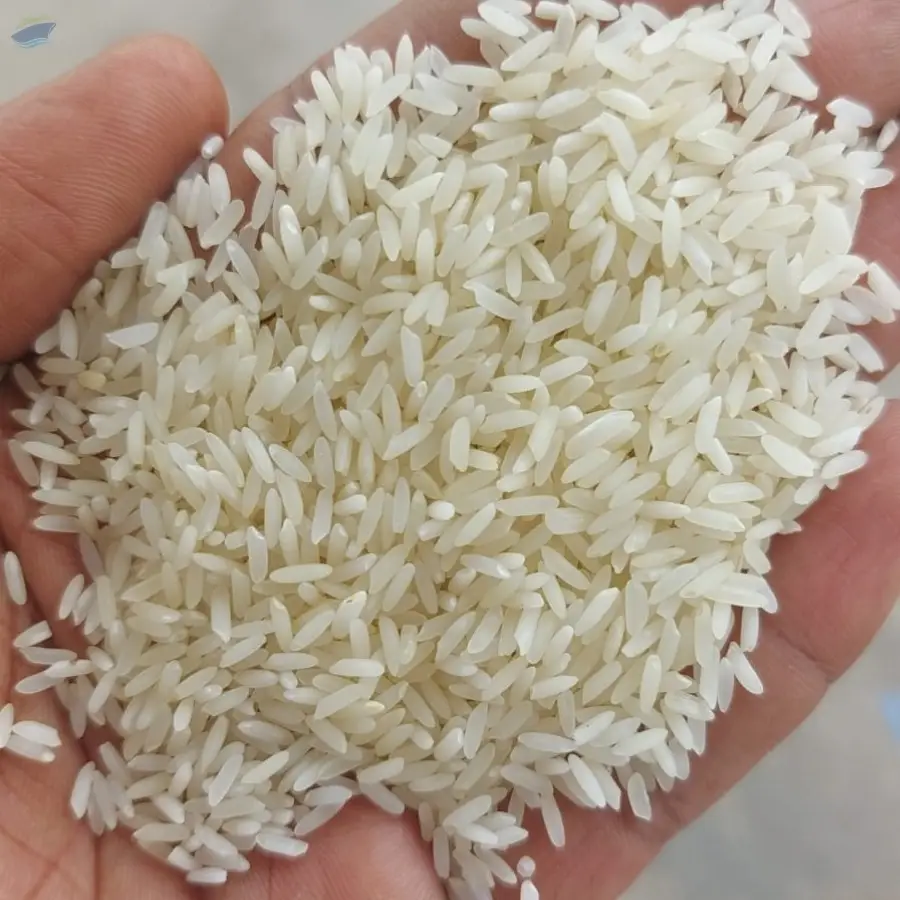
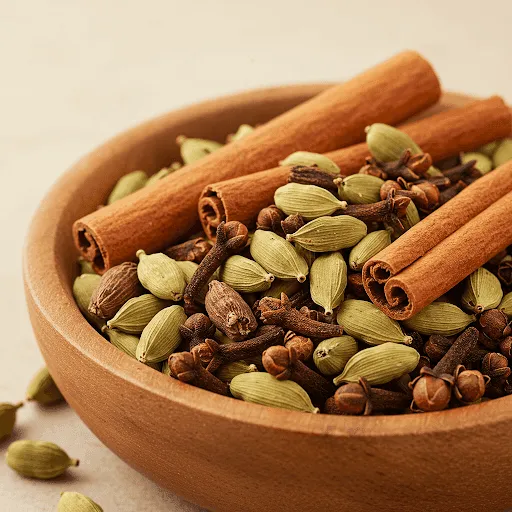
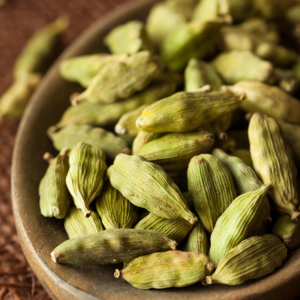
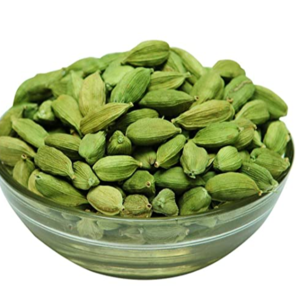
DEFENSIVE SYSTEMS, located in South Delhi, India, offers a diverse range of 8 products. The company's product catalogue includes Black Turmeric, Long Pepper, Cinnamon, Black Rice, Green Tea, Habanero Peppers, Fresh Turmeric, and Cardamom. These products fall under various categories, including Turmeric, Black Cardamom, Pepper, Rice, Green Tea, and Red Chilli. Buyers from regions such as the Middle East, Europe, and North America typically import these goods.
The products listed by DEFENSIVE SYSTEMS are known for their distinct characteristics, such as the high curcumin content in Turmeric and the pungent flavor of Long Pepper. The company's Black Rice and Green Tea products are also notable for their nutritional benefits and refreshing taste. With its range of spices and teas, DEFENSIVE SYSTEMS caters to various industries, including food, beverage, and pharmaceutical.
Product Range and Specialties of DEFENSIVE SYSTEMS
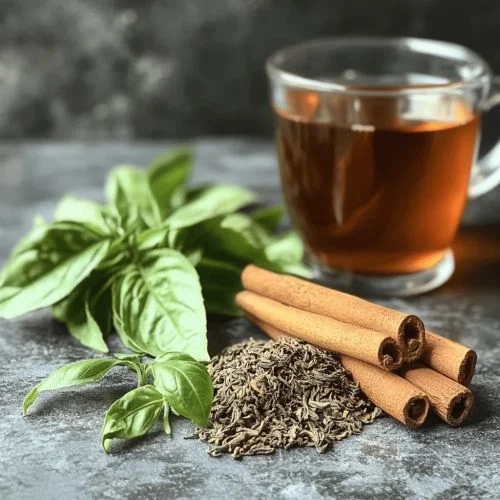
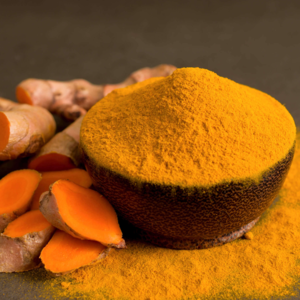
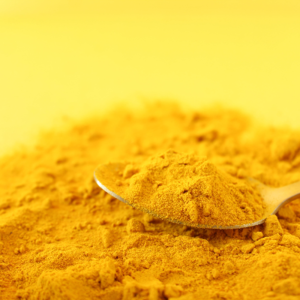
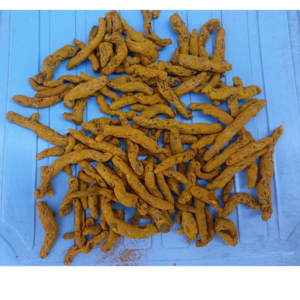
The product range of DEFENSIVE SYSTEMS includes various spices and teas, each with its own set of characteristics and uses. For instance, Black Turmeric is known for its high curcumin content and is often used in traditional medicine, while Long Pepper is prized for its unique flavor and aroma. The company's Cinnamon product is also notable for its warm, sweet flavor and is commonly used in baking and cooking.
Buyers of these products typically look for specific grades and standards, such as the ICUMSA 45 standard for sugar or the ISO 9001:2015 certification for quality management. They may also request samples or test reports to verify the products' quality and purity. In the case of spices and teas, buyers often require certifications such as HACCP or ISO 22000 to ensure food safety and quality.
Trade and Export Information - DEFENSIVE SYSTEMS
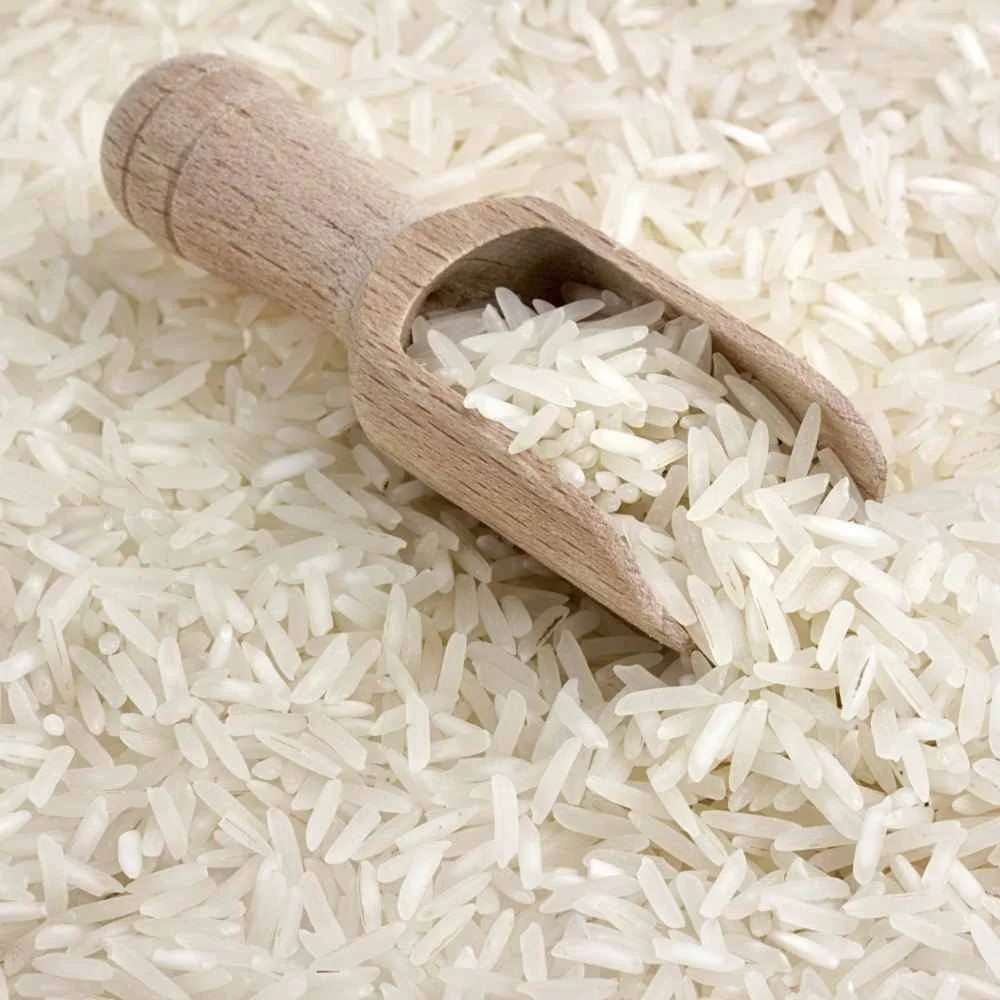
Exporters of spices and teas, such as DEFENSIVE SYSTEMS, typically require certifications such as HACCP or ISO 22000 to ensure food safety and quality. These products are often shipped in 20 ft or 40 ft containers, with packaging that meets international standards, such as those set by the International Organization for Standardization (ISO). The HS code families involved in the trade of these products include 0901 for coffee, tea, and spices, and 1006 for rice.
The trade of spices and teas is subject to various regulations, including those related to food safety, quality, and packaging. Buyers from regions such as the Middle East, Europe, and North America typically import these goods, with the Incoterms CIF or FOB often used in international trade. The origin country, India, has its own set of regulations and standards for the export of spices and teas, including those related to quality, packaging, and labeling.
Sourcing from DEFENSIVE SYSTEMS - Buyer Guidance
Buyers sourcing from DEFENSIVE SYSTEMS should request samples or test reports to verify the products' quality and purity. They should also ask for certifications such as HACCP or ISO 22000 to ensure food safety and quality. Additionally, buyers should verify the products' packaging and labeling to ensure compliance with international standards and regulations.
It is also important for buyers to understand the typical quality parameters and tests for spices and teas, such as the moisture content, purity, and grain length. They should also be aware of the common materials and variants used in these products, such as the type of rice or tea leaves used. By requesting the right documents and certifications, buyers can ensure that they receive quality products that meet their needs and requirements.
Frequently Asked Questions About DEFENSIVE SYSTEMS
What is the product range of DEFENSIVE SYSTEMS?
DEFENSIVE SYSTEMS offers a range of 8 products, including Black Turmeric, Long Pepper, Cinnamon, Black Rice, Green Tea, Habanero Peppers, Fresh Turmeric, and Cardamom.
What are the typical grades and standards for spices and teas?
Buyers of spices and teas typically look for specific grades and standards, such as the ICUMSA 45 standard for sugar or the ISO 9001:2015 certification for quality management.
How are spices and teas typically packaged and shipped?
Spices and teas are often shipped in 20 ft or 40 ft containers, with packaging that meets international standards, such as those set by the International Organization for Standardization (ISO).
What certifications are required for the export of spices and teas?
Exporters of spices and teas typically require certifications such as HACCP or ISO 22000 to ensure food safety and quality.
What are the typical quality parameters and tests for spices and teas?
The typical quality parameters and tests for spices and teas include moisture content, purity, and grain length. Buyers should also be aware of the common materials and variants used in these products.
How can buyers verify the quality and purity of spices and teas?
Buyers can verify the quality and purity of spices and teas by requesting samples or test reports, and by asking for certifications such as HACCP or ISO 22000.
What are the Incoterms commonly used in the trade of spices and teas?
The Incoterms CIF or FOB are often used in international trade.
What are the regulations and standards for the export of spices and teas in India?
The origin country, India, has its own set of regulations and standards for the export of spices and teas, including those related to quality, packaging, and labeling.




 South Delhi, India
.jpg.png)