Datong Xincheng New Materials Co., Ltd — Verified Supplier
About Datong Xincheng New Materials Co., Ltd - Graphite Supplier in China
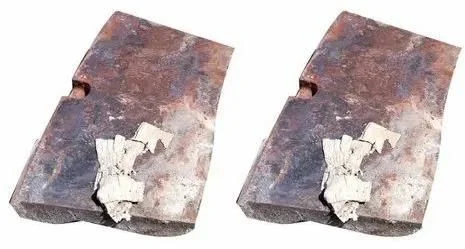
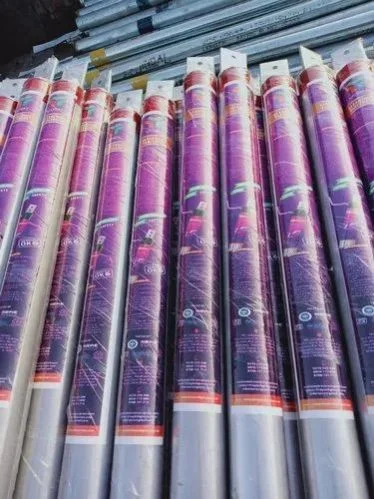
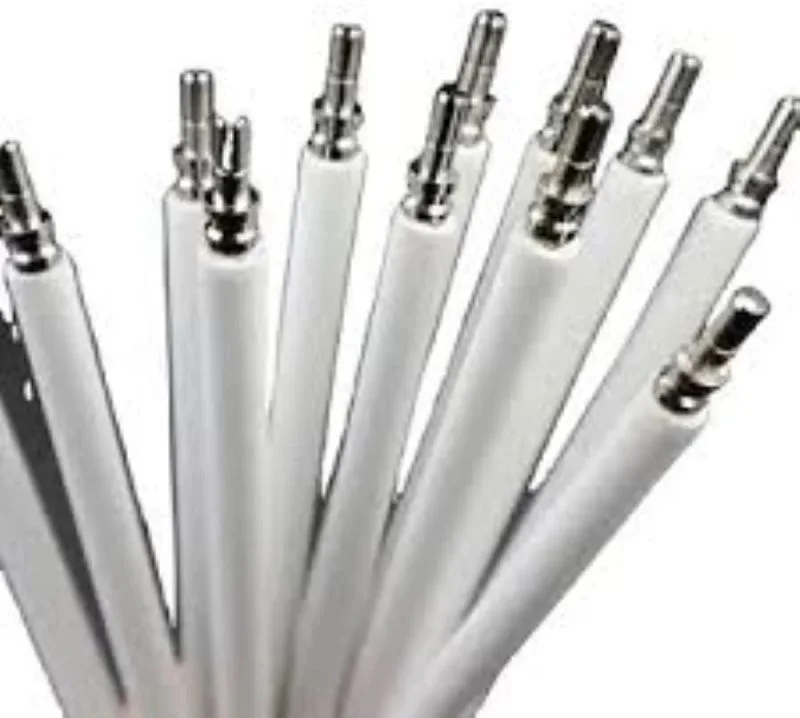
Datong Xincheng New Materials Co., Ltd is based in China and currently lists eight distinct graphite‑related products in its catalogue. The product set includes Graphite Rod, Activated Coke/Activated Carbon, Graphite Electrode, Graphite Crushing, Graphite Block, Graphite Round, Graphite Powder and a high‑performance Graphite Electrode Uhp. The listed items fall under the HS‑code families 3801.20 for rods, rounds and blocks, 3801.10 for powder, 8545.11 for electrodes, and 2504.10 for natural crushed graphite. Material descriptions range from synthetic graphite derived from petroleum coke with carbon content above 99 % to natural crushed graphite containing 80‑95 % carbon, and to artificial graphite based on needle coke. The catalogue groups the products under the broader categories of Graphite, Electrodes and Carbon, reflecting the supplier’s focus on conductive and refractory carbon materials.
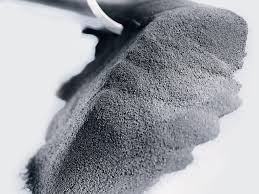
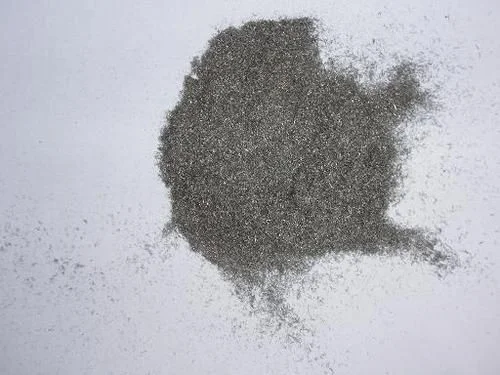
Synthetic graphite products such as the Rod, Block and Round are produced by graphitizing a blend of high‑purity petroleum coke and coal‑tar pitch, achieving high density and low impurity levels. The Graphite Powder is specified as high‑carbon synthetic material, commonly supplied in bulk bags with particle sizes typically below 200 µm. The Graphite Electrode and Electrode Uhp are manufactured from needle‑coke based artificial graphite, a composition preferred for electric arc furnace and lithium‑ion battery applications because of its high electrical conductivity and thermal stability. The Activated Coke/Activated Carbon entry indicates a porous carbon material used for adsorption processes, generally characterized by an iodine number above 800 mg/g. The Graphite Crushing product represents natural graphite that has been mechanically reduced, usually graded by particle size and carbon content before downstream processing. All eight items are listed with their respective HS codes, enabling straightforward customs classification.
Product Range and Specialties of Datong Xincheng New Materials Co., Ltd
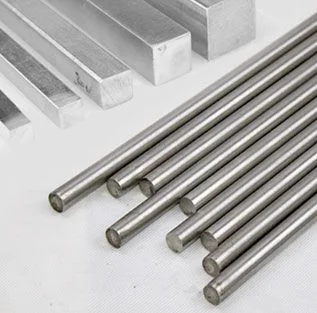
The catalogue’s Graphite Rod, Block and Round are typical synthetic graphite forms that buyers specify by diameter, length and bulk density, with common specifications of 99 %+ carbon, ash below 0.05 % and apparent density 1.8 - 2.0 g/cm³. Graphite Powder is usually supplied with a particle‑size distribution of 45 - 200 µm, moisture content under 0.5 % and a carbon purity of 99.5 % or higher, and is packed in 1‑ton bulk bags or 20‑ft containers. Graphite Electrode and Electrode Uhp are graded by electrical resistivity (typically 0.3 - 0.5 µΩ·m), compressive strength (around 30 - 35 MPa), and dimensions such as 300 mm × 150 mm cross‑section for furnace use. Activated Coke/Activated Carbon is evaluated by iodine number (800 - 1 200 mg/g) and BET surface area (900 - 1 200 m²/g), with bulk packaging in 25 kg bags or 1‑ton drums. Graphite Crushing, being natural graphite, is commonly sized to 0 - 5 mm fractions and sorted by carbon content (80‑95 %) before further processing.
Typical applications of these materials follow established industry patterns. Synthetic rods, blocks and rounds are widely used in refractory linings, high‑temperature crucibles and as conductive inserts in metallurgical processes. Graphite powder serves as a feedstock for lubricants, battery anodes and conductive inks, where fine particle size and low moisture are critical. Electrodes of the 8545.11 HS class are the standard consumables for electric arc furnaces in steelmaking and for high‑temperature battery testing, where resistivity and mechanical strength directly affect performance. Activated carbon finds use in water treatment, gas purification and chemical processing, with iodine number and surface area serving as key quality indicators. Natural crushed graphite is often pre‑processed for use in brake linings, casting molds and as a filler in composite materials.
Trade and Export Information - Datong Xincheng New Materials Co., Ltd
China is one of the world’s leading exporters of synthetic and natural graphite, supplying Europe, North America and Southeast Asia with material for batteries, steelmaking and refractory markets. The HS‑code families represented in the catalogue - 3801.xx for synthetic graphite forms, 8545.11 for electrodes and 2504.10 for natural crushed graphite - are routinely examined by customs authorities for accurate declaration and may be subject to anti‑dumping duties in certain jurisdictions. Buyers typically require certifications such as ISO 9001 quality management, ISO 14001 environmental management and, for electrodes, CE marking or IEC 61730 compliance, although the supplier’s own certifications are not listed in the provided facts. Standard export packaging includes 1‑ton bulk bags for rods, blocks and powder, wooden crates for electrodes and steel drums for activated carbon, with moisture barriers and inner liners to preserve material integrity during sea freight. Common Incoterms used by Chinese graphite exporters are FOB Shanghai or CIF Rotterdam, with container loads ranging from 20‑ft (≈18 tons) to 40‑ft (≈35 tons) depending on product density. Export licensing is generally straightforward for graphite, but buyers should verify any required phytosanitary or hazardous‑material permits, especially for activated carbon intended for industrial adsorption.
Sourcing from Datong Xincheng New Materials Co., Ltd - Buyer Guidance
When sourcing graphite products from this supplier, request a recent material test certificate that details carbon content, ash, moisture, bulk density and particle‑size distribution for the specific batch. For electrodes, ask for an electrical resistivity report, compressive strength data and a conformity statement to IEC standards relevant to electric arc furnace use. Activated Coke/Activated Carbon buyers should obtain an iodine number test, BET surface‑area analysis and a safety data sheet outlining handling precautions. Verify that the HS code used on the commercial invoice matches the product description (e.g., 3801.20 for rods and rounds) to avoid customs delays. Confirm packaging details - bulk bag weight, liner type and container sealing method - and negotiate lead times, which for most graphite forms from China range from 30 to 45 days after order confirmation, with larger orders potentially requiring longer production windows.
Frequently Asked Questions About Datong Xincheng New Materials Co., Ltd
What graphite products does Datong Xincheng New Materials list in its catalogue?
The supplier lists eight items: Graphite Rod, Activated Coke/Activated Carbon, Graphite Electrode, Graphite Crushing, Graphite Block, Graphite Round, Graphite Powder and Graphite Electrode Uhp, each identified with specific HS codes.
Which HS codes are associated with the listed graphite products?
HS 3801.20 covers Graphite Rod, Graphite Round and Graphite Block; HS 3801.10 is used for Graphite Powder; HS 8545.11 applies to Graphite Electrode and Graphite Electrode Uhp; and HS 2504.10 is assigned to Graphite Crushing.
What material specifications are typical for the synthetic graphite items?
Synthetic graphite such as rods, blocks and rounds is usually produced from petroleum coke and coal‑tar pitch, achieving carbon purity above 99 %, ash below 0.05 % and apparent density between 1.8 and 2.0 g/cm³.
What quality tests should a buyer request for Graphite Electrodes?
Buyers should ask for electrical resistivity (0.3 - 0.5 µΩ·m), compressive strength (30 - 35 MPa), carbon content, and a conformity report to IEC or CE standards relevant to electric arc furnace applications.
How is Activated Carbon evaluated for industrial use?
Key parameters include iodine number (typically 800 - 1 200 mg/g) and BET surface area (900 - 1 200 m²/g); a safety data sheet and batch analysis should be provided.
What are the usual packaging formats for bulk graphite shipments?
Bulk graphite rods, blocks and powder are commonly packed in 1‑ton polypropylene‑lined bags, electrodes in wooden crates, and activated carbon in 25 kg bags or 1‑ton steel drums, all sealed for sea transport.
Which certifications are commonly required for graphite imports from China?
Importers often request ISO 9001, ISO 14001 and, for electrodes, CE or IEC compliance certificates; these should be confirmed with the supplier before finalizing the order.
What lead times and minimum order quantities are typical for these products?
Standard lead times are 30 - 45 days after order confirmation. Minimum order quantities vary: bulk graphite forms usually start at 1 ton, while activated carbon may have a MOQ of 5 tons per shipment.




 , China