CV. Heriandaru Surya Pratama-kopegtel — Supplier
About CV. Heriandaru Surya Pratama-kopegtel - Coffee Supplier in Indonesia
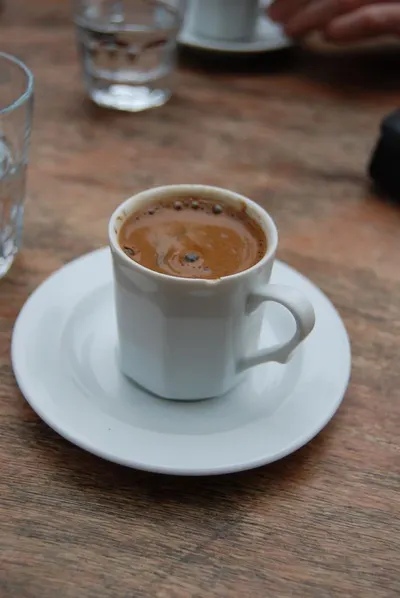
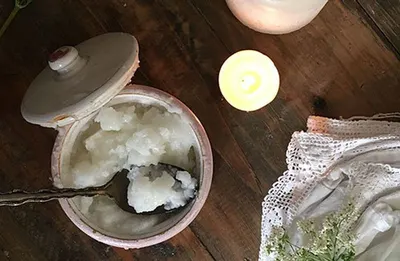
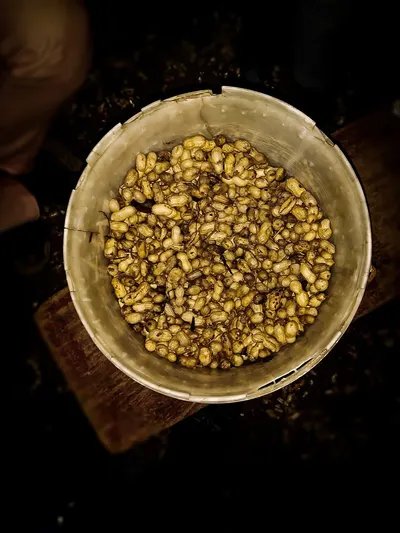
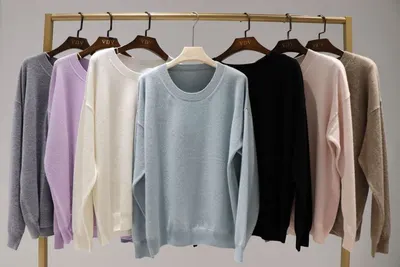
Indonesia is the base of CV. Heriandaru Surya Pratama-kopegtel, which currently lists five active products. The catalogue includes three coffee items - Wild Civet Coffee, Organic Coffee from Flores, and Gayo Coffee - one textile product, a Sweater, and Virgin Coconut Oil. Each coffee entry falls under the broader coffee category while the sweater represents the woolen clothing segment, and the oil belongs to edible oils. The supplier’s product set therefore spans the HS chapters 0901 (coffee), 1512 (coconut oil) and 6202 (woolen apparel). The coffee offerings are sourced from distinct Indonesian regions known for specialty beans, the sweater is manufactured from wool blends, and the oil is extracted from virgin coconuts. No additional product specifications are disclosed in the supplier data, but the items are positioned within the typical export classifications for their categories. Buyers can expect the coffee to be classified under HS code 0901, the coconut oil under 1512, and the sweater under 6202 in customs documentation. The supplier’s trust tier is listed as "harbor," indicating a moderate level of verification in the trade platform. Export logistics from Indonesian ports commonly use containerized shipments to Asian, European and North American markets.
Product Range and Specialties of CV. Heriandaru Surya Pratama-kopegtel
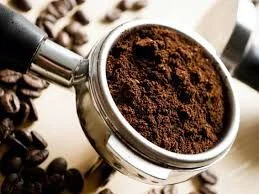
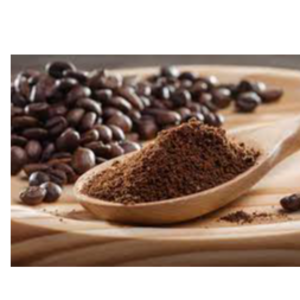
The coffee portfolio includes Wild Civet Coffee, a specialty bean often graded above 85 points in cupping, Organic Coffee from Flores, which must meet at least the EU organic standard (minimum 95% organic content), and Gayo Coffee, an Arabica variety typically harvested at 12 - 13% moisture and screened to a size of 15 - 18 mm. In the global market, specialty Indonesian coffees are frequently categorized as Grade A (ICUMSA 30 - 40) and may carry certifications such as Organic, Fairtrade or Rainforest Alliance, which buyers usually request. Virgin Coconut Oil is generally produced by cold-pressing mature coconuts, yielding an oil with free fatty acid (FFA) content below 0.5% and peroxide value under 10 meq O₂/kg, specifications common for food-grade virgin oil. Woolen sweaters are normally woven from 100% merino or blended wool, with fabric weights ranging from 250 to 350 gsm and stitch density of 20 - 30 stitches/cm, and are shipped folded in cardboard boxes of 40×30×10 cm. These specifications reflect the typical quality parameters buyers look for in each of the three categories.
Trade and Export Information - CV. Heriandaru Surya Pratama-kopegtel
Indonesia ranks among the top three global exporters of coffee, supplying roughly 30% of the world’s Arabica beans, and its coconut oil exports are concentrated in the EU and Middle East where demand for virgin oil exceeds 200 kt annually. Woolen garments from Indonesia are mainly shipped to Southeast Asian neighbors and to the United States under HS chapter 62, often requiring compliance with ISO 9001 quality management and textile labeling regulations. Common certifications requested by importers include ISO 22000 for food safety on coffee and coconut oil, and Oeko-Tex or GRS for textile products. Shipping is typically arranged in 20‑ft or 40‑ft containers, with coffee beans packed in jute sacks (60 kg each), coconut oil in food-grade HDPE drums (200 L), and sweaters in corrugated boxes, all under CIF or FOB terms. Indonesian exporters must provide phytosanitary certificates for coconut products and origin certificates for coffee beans to satisfy customs in target markets such as the EU, USA, Japan and South Korea.
Sourcing from CV. Heriandaru Surya Pratama-kopegtel - Buyer Guidance
When sourcing coffee from this supplier, request a recent cupping report, moisture content analysis, and, if applicable, the organic certification copy to verify compliance with EU or US standards. For virgin coconut oil, ask for a laboratory analysis showing free fatty acid, peroxide value, and a health‑certifying document such as an ISO 22000 audit report. The sweater should be accompanied by a fabric specification sheet detailing wool content, GSM, stitch count, and any applicable textile compliance certificates (e.g., Oeko-Tex Standard 100). Verify the HS codes on the commercial invoice match the product categories (0901 for coffee, 1512 for oil, 6202 for apparel) and confirm the packaging dimensions to calculate container load plans. Samples are typically requested in 1 kg batches for coffee, 2 L mini‑drums for oil, and a single garment for the sweater before confirming larger orders.
Frequently Asked Questions About CV. Heriandaru Surya Pratama-kopegtel
What coffee varieties does the supplier offer and what typical specifications should I check?
The catalogue lists Wild Civet Coffee, Organic Coffee from Flores, and Gayo Coffee; buyers usually verify cupping score (≥85), moisture content (12 - 13%), bean size (15 - 18 mm) and any organic or Fairtrade certificates.
Which certifications are commonly required for the virgin coconut oil product?
Importers often request an ISO 22000 or HACCP audit report, a free‑fatty‑acid test (≤0.5%), peroxide value (≤10 meq O₂/kg) and a phytosanitary certificate for the oil.
How is the woolen sweater typically packaged and what textile standards apply?
Sweaters are packed folded in corrugated boxes (approximately 40×30×10 cm) and may need an Oeko-Tex Standard 100 or GRS certificate confirming safe wool content and absence of harmful chemicals.
What HS codes are used for these products in customs documentation?
Coffee beans fall under HS code 0901, virgin coconut oil under 1512, and woolen apparel such as sweaters under 6202.
What are the usual container sizes and loading practices for these items?
Coffee beans are loaded in 20‑ft containers with 60 kg jute sacks, coconut oil in 20‑ft or 40‑ft containers using 200 L HDPE drums, and sweaters in 40‑ft containers stacked in cardboard boxes according to volume.
Which markets commonly import these Indonesian products?
Major import destinations include the European Union, United States, Japan, South Korea for coffee and coconut oil, while woolen garments are often shipped to the United States, Canada and Southeast Asian countries.
What documentation should I request before placing a purchase order?
Request a commercial invoice with correct HS codes, a certificate of origin, any applicable organic or textile compliance certificates, a lab analysis report for coffee and oil, and a product specification sheet for the sweater.




 , Indonesia