CV Anugerah Global Agriculture — Supplier
About CV Anugerah Global Agriculture - Spice and Seaweed Supplier in Indonesia
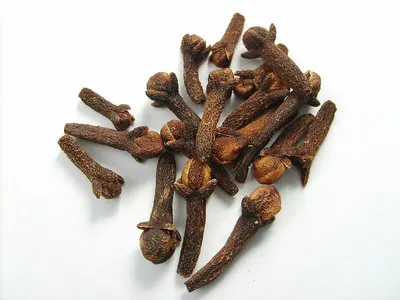
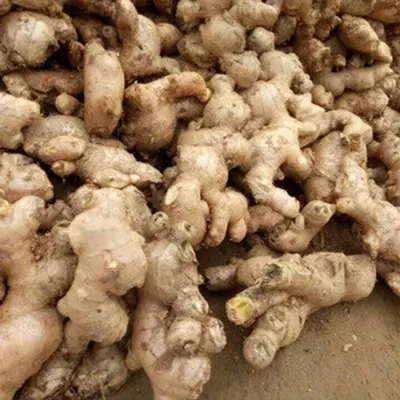
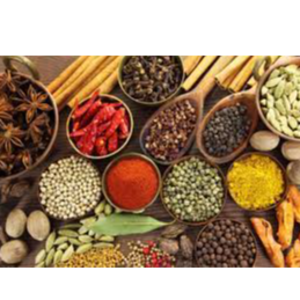
CV Anugerah Global Agriculture operates from Indonesia and currently lists five active products in its catalogue. The supplier’s portfolio includes clove, fresh white ginger, black pepper, white pepper and Cottonii seaweed, covering both spice and marine algae categories. Each product is presented under the generic spice and seaweed classifications used in international trade, reflecting the range of commodities the company offers. The catalogue does not specify any certifications held by the supplier, so buyers should verify compliance with relevant standards independently.
The five items are grouped under the broader categories of pepper, cloves, fresh ginger and seaweeds, which are typical export commodities from Indonesia. Indonesian spice exporters commonly source raw material from smallholder farms and process it to meet moisture limits of 12 % for pepper and 8 % for ginger, while seaweed is often dried to moisture below 10 %. These product specifications align with the types listed by CV Anugerah Global Agriculture and provide a baseline for quality expectations.
Product Range and Specialties of CV Anugerah Global Agriculture
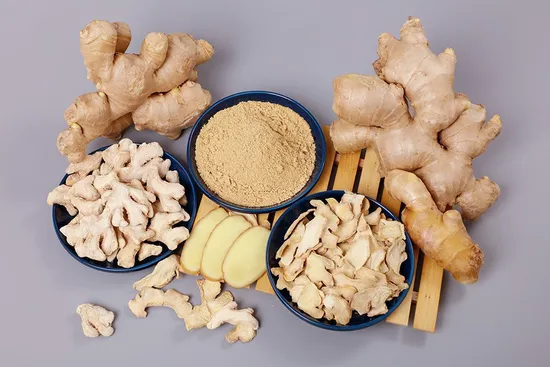
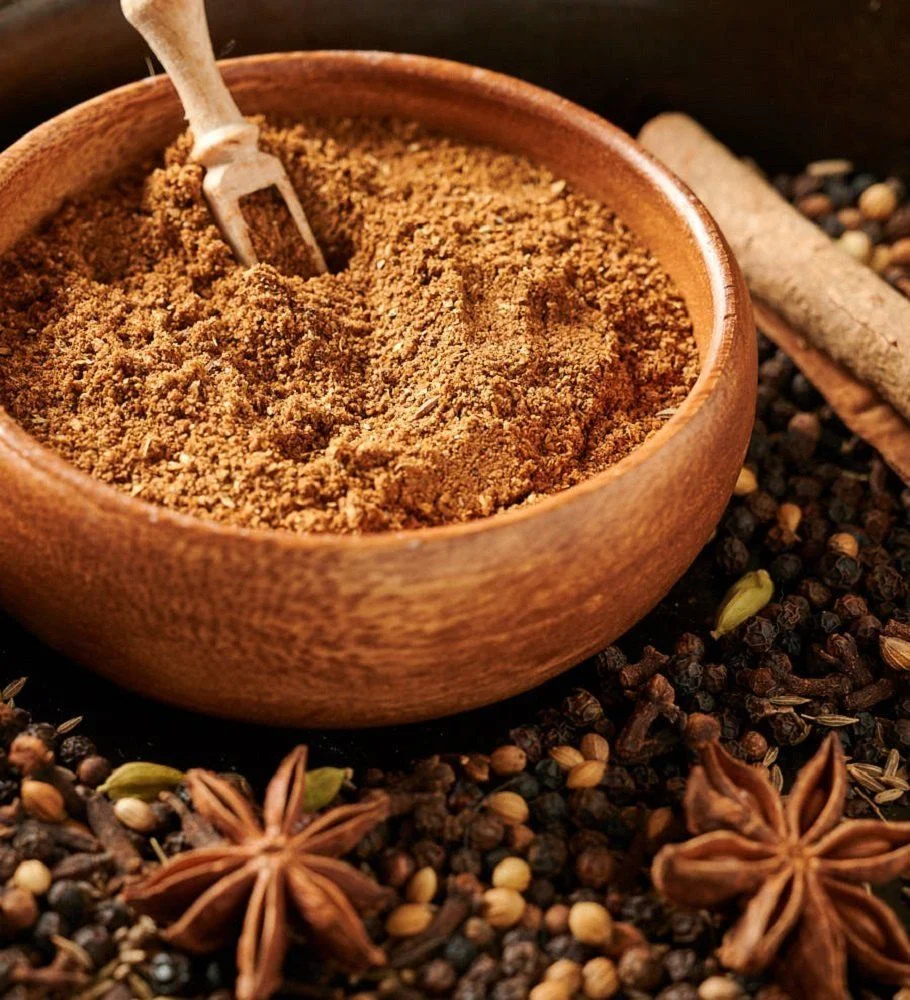
The catalogue lists clove, fresh white ginger, black pepper, white pepper and Cottonii seaweed. In the global spice market, cloves are graded by size (e.g., whole cloves, broken) and oil content, with premium grades containing 70 %‑80 % eugenol. Pepper is usually categorized by size (e.g., 10 mm, 12 mm) and moisture content, with white pepper requiring a lower moisture level than black pepper. Fresh ginger is evaluated on rhizome length (typically 10‑15 cm) and pungency measured in gingerol content. Seaweed such as Cottonii is dried and classified by iodine value and ash content, with common grades ranging from 15 % to 30 % ash. Buyers familiar with these grades can match the supplier’s listings to their required specifications.
Industry practice for these commodities includes ISO 22000 food safety management, HACCP plans and, where applicable, organic certification. Pepper and ginger shipments are often packed in polypropylene bags of 25 kg or 50 kg, while seaweed is usually packed in moisture‑proof jute or laminated cartons. Understanding these typical packaging formats helps buyers align logistics and storage expectations with the supplier’s offerings.
Trade and Export Information - CV Anugerah Global Agriculture
Indonesia is a leading exporter of spices and seaweed, supplying the European Union, United States, Middle East and Southeast Asian markets. Pepper and ginger from Indonesia are usually shipped in 20‑foot containers, with bulk loads of up to 20 tons for seaweed. Importers typically require phytosanitary certificates, a certificate of origin and, for food safety, either an ISO 22000 or HACCP audit report. The HS chapters most frequently used for these products are Chapter 09 for spices and Chapter 12 for seaweed, which trigger specific customs duties and inspection regimes in destination countries.
Buyers should be aware that many import regulations mandate residual pesticide limits (e.g., maximum residue limits for clove oil) and moisture specifications that affect duty rates. Seaweed imports often need to meet heavy‑metal limits such as arsenic and lead, and may be subject to food‑additive approvals if destined for processed food applications. Logistics from Indonesian ports such as Belawan or Tanjung Priok typically follow CIF or FOB terms, with freight forwarders handling container loading and temperature‑controlled transport when required.
Sourcing from CV Anugerah Global Agriculture - Buyer Guidance
When sourcing from CV Anugerah Global Agriculture, buyers should request a detailed product specification sheet that includes moisture content, size grading, and any available laboratory analysis for essential oil or pungency. Samples of each spice and seaweed batch should be examined for visual uniformity, aroma and the presence of foreign matter before confirming larger orders. Because the supplier’s certifications are not listed, buyers are advised to ask for up‑to‑date ISO 22000, HACCP or organic certificates, as well as phytosanitary certificates and a certificate of origin for each shipment.
Verification of test reports, such as GC‑MS analysis for clove oil purity or iodine value for seaweed, provides an additional quality checkpoint. Buyers should also confirm packaging dimensions, container loading plans and the Incoterm to be used, ensuring that the agreed moisture limits can be maintained throughout transit.
Frequently Asked Questions About CV Anugerah Global Agriculture
What spice products does CV Anugerah Global Agriculture list in its catalogue?
The supplier lists clove, fresh white ginger, black pepper, white pepper and Cottonii seaweed, covering both spice and marine algae categories.
How many active products are currently offered by the supplier?
The catalogue shows five active products.
Which certifications does the supplier hold for its products?
The supplier’s public information does not specify any certifications; buyers should request ISO 22000, HACCP or organic certificates if required.
What typical quality parameters should I check for Indonesian pepper?
Buyers usually verify pepper size (e.g., 10 mm or 12 mm), moisture content below 12 %, and absence of foreign matter or excessive dust.
What documentation is needed for importing the listed seaweed?
A phytosanitary certificate, certificate of origin and, where applicable, heavy‑metal test results and an ISO 22000 or HACCP audit report are commonly required.
What are the usual packaging formats for the listed spices?
Pepper and ginger are commonly packed in 25 kg or 50 kg polypropylene bags, while seaweed is typically shipped in moisture‑proof jute sacks or laminated cartons.
Which markets commonly import Indonesian spices and seaweed?
The European Union, United States, Middle East and several Asian countries are the main import destinations for these commodities.
What Incoterms are typically used for shipments from Indonesia?
Buyers often negotiate CIF (Cost, Insurance, Freight) or FOB (Free on Board) terms, depending on the logistics arrangement and risk allocation.




 , Indonesia