Container Force — Supplier
About Container Force - Shipping Containers Supplier in South Africa
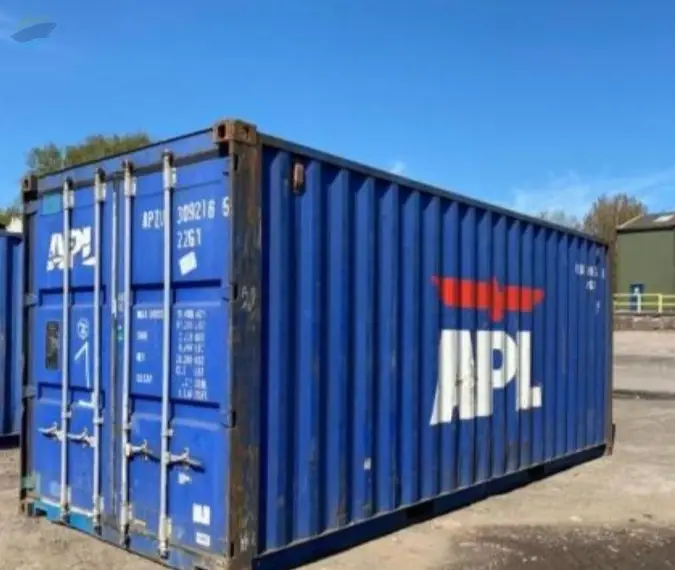
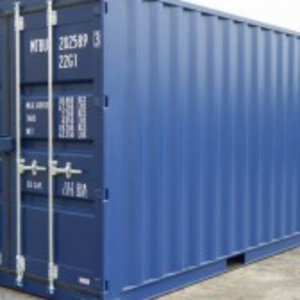
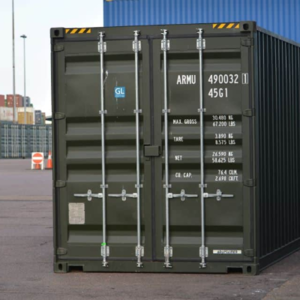
South Africa hosts Container Force, an imported supplier listed with five active product entries. The catalogue includes a 20‑foot general purpose container, a 40‑foot general purpose container, a 20‑foot refrigerated (reefer) container, a 20‑foot new shipping container, and a generic entry labelled Containers. Each entry falls under the broader shipping container category used for intermodal freight transport. The supplier’s product list reflects standard ISO‑designated types such as GP (general purpose) and RF (reefer) units. No additional product variants or auxiliary equipment are recorded in the provided facts.
The five catalogue items are identified without HS‑code annotations, so the description relies on the recognized HS 8609 family for freight containers. Container Force is classified as a “harbor” trust tier, indicating a focus on container handling and logistics services rather than manufacturing. All products are sized to the globally common 20 ft and 40 ft dimensions, which align with the TEU (twenty‑foot equivalent unit) system used in shipping. The entries suggest availability of both new and used units, a typical distinction in the container market. Buyers can therefore expect the standard structural specifications associated with ISO 1496 containers.
Product Range and Specialties of Container Force
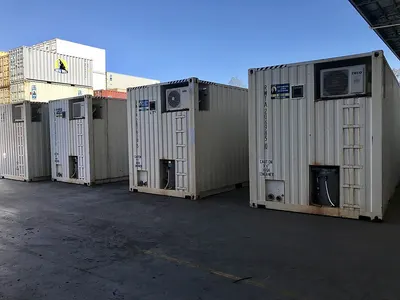
The catalogue lists two general‑purpose (GP) units of 20 ft and 40 ft length, a 20 ft refrigerated (RF) unit, and a 20 ft new container. In the container industry, GP units conform to ISO 668 dimensions and ISO 1496 load‑bearing criteria, typically offering a maximum payload of 28 t for 20 ft and 30 t for 40 ft containers. Refrigerated containers follow ISO 1496‑2, include insulated panels, and are equipped with a temperature‑controlled refrigeration plant rated for a temperature range of - 30 °C to +30 °C. New containers are built to meet the latest CSC (Convention for Safe Containers) plate requirements, while used containers are inspected against the same standards but may carry a higher age rating.
Industry practice distinguishes containers by door type (double‑door, swing‑door), roof material (steel, aluminum), and floor grade (plywood, steel). Buyers often request details on the container’s ISO rating, CSC plate number, and any recent refurbishment or coating. The “Containers” generic entry likely aggregates additional sizes or specialized types such as high‑cube (HC) or open‑top units, which are common extensions of the GP family.
Trade and Export Information - Container Force
South Africa’s major ports, especially Durban, serve as export gateways for container units under HS chapter 86, sub‑heading 8609. Exporters of containers typically ship to regional hubs in East Africa, the Middle East, and Europe, where demand for both new and certified used units remains strong. International buyers usually require a CSC plate, ISO 1496 certification, and compliance with the International Maritime Organization (IMO) regulations for refrigerated containers, including the GRI (Global Refrigerated Innovation) standards.
Logistically, containers are moved as cargo in roll‑on/roll‑off (RoRo) vessels or as break‑bulk freight, with standard 20 ft and 40 ft units fitting into 20‑foot or 40‑foot slots on container ships. Common Incoterms for container trade include FCA (Free Carrier) at the port of loading and CIF (Cost, Insurance, Freight) to the destination port. South African exporters often provide pre‑inspection reports from agencies such as SGS or Bureau Veritas, which align with buyer expectations for structural integrity and safety compliance.
Sourcing from Container Force - Buyer Guidance
When sourcing from Container Force, buyers should request the container’s CSC plate number, ISO 1496 compliance certificate, and a recent condition survey that notes dents, rust, and door functionality. For refrigerated units, a refrigeration plant performance test report and temperature control certification are standard requirements. Verifying the container’s age, previous ownership, and any refurbishment history helps assess residual service life and suitability for specific cargo types.
Potential buyers should also confirm the container’s dimensions, tare weight, and maximum payload to ensure compatibility with loading equipment and vessel stowage plans. Requesting photographs of the interior, doors, and corner castings, as well as a copy of the container’s registration in the International Container Safety Convention (ICSC) database, provides additional assurance before finalizing a purchase.
Frequently Asked Questions About Container Force
What container sizes does Container Force list in its catalogue?
The catalogue includes a 20‑foot general purpose container, a 40‑foot general purpose container, a 20‑foot refrigerated (reefer) container, and a 20‑foot new container.
Which international standards apply to the containers offered by Container Force?
All listed containers are expected to meet ISO 668 for external dimensions and ISO 1496 for structural and safety specifications, with a CSC plate indicating compliance with the Convention for Safe Containers.
How can a buyer verify the condition of a used container?
Buyers should request a recent condition survey, photographs of the interior and exterior, and any inspection reports from recognized third‑party agencies such as SGS or Bureau Veritas.
What documentation is typically required for refrigerated containers?
A refrigeration plant performance test, temperature range certification, and compliance with ISO 1496‑2 and IMO refrigeration standards are standard documents.
Are there any typical certifications buyers should ask for?
Buyers usually request the CSC plate, ISO 1496 compliance certificate, and, for reefer units, a GRI (Global Refrigerated Innovation) certification or equivalent performance report.
What are the common shipping terms used for exporting these containers?
Common Incoterms include FCA at the loading port and CIF to the destination port, reflecting standard container freight practices.
What is the usual lead time for ordering a new container from this supplier?
Lead times for new containers generally range from 4 to 8 weeks, depending on production scheduling and port handling capacity.




 , South Africa