Apex Agro Group Pty Ltd — Verified Supplier
About Apex Agro Group Pty Ltd - Agricultural Products Supplier in South Africa
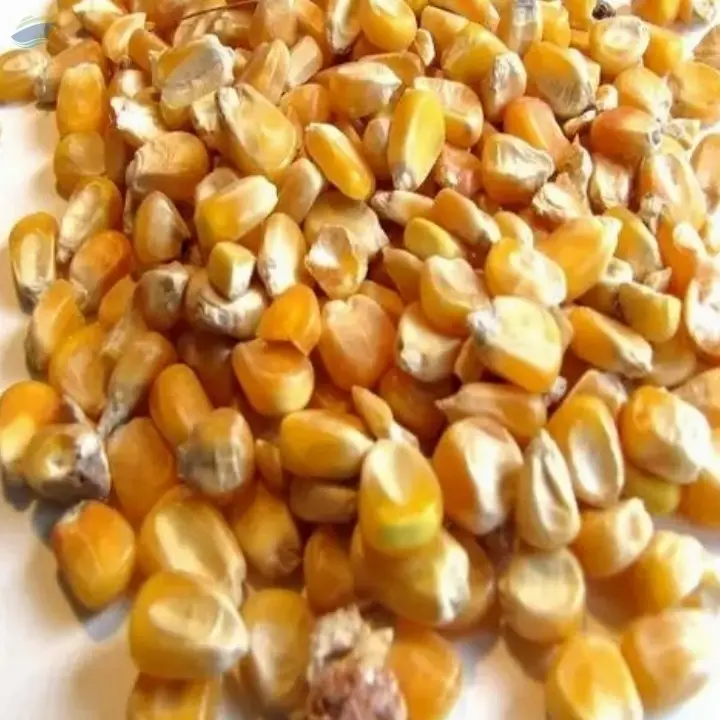
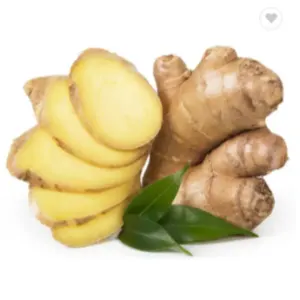
Apex Agro Group Pty Ltd operates in South Africa and lists 36 active products across its catalogue. The company’s portfolio includes cereals such as yellow maize (HS 1005.90) and barley (HS 1003.90), legume products like soybeans (HS 1201.90) and soybean meal (HS 2304.00), and various oilseeds including canola (HS 1205.00) and sunflower seeds (HS 1206.00). It also offers processed feed ingredients such as maize meal (HS 1102.20) and crushed corn for animal feed (HS 1005.90), as well as animal by‑products like crushed cattle bone (HS 0506.90). Additional lines cover nuts, spices and fresh horticultural items, for example almonds (HS 1252) and fresh ginger (HS 1252).
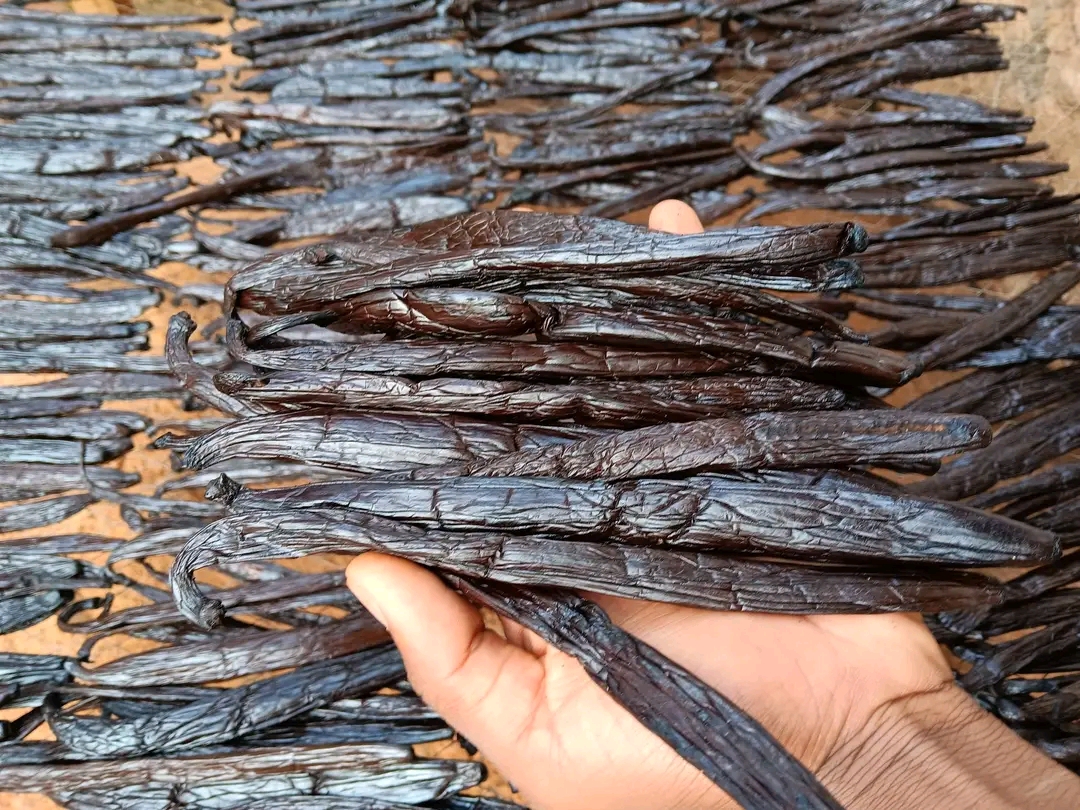
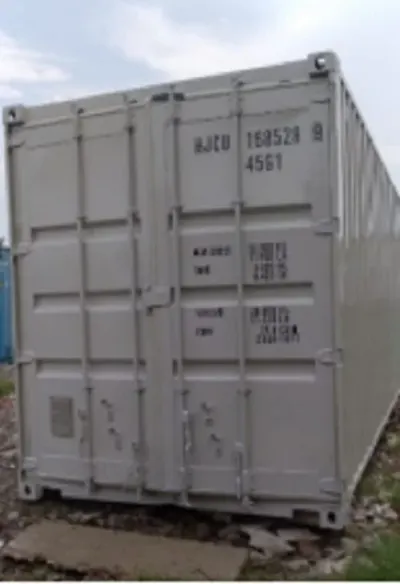
The catalogue further contains specialty items such as high‑grade red kidney beans (HS 522552), pumpkin seed kernels (HS 15525505), and vanilla beans (HS 0222). Non‑food assets like used 20‑ft and 40‑ft cargo containers (HS 8609.00) and a 15 HP outboard motor (HS 1252) are also listed. All products are presented with their corresponding HS‑code and material description, providing buyers with a clear reference for customs classification.
Product Range and Specialties of Apex Agro Group Pty Ltd
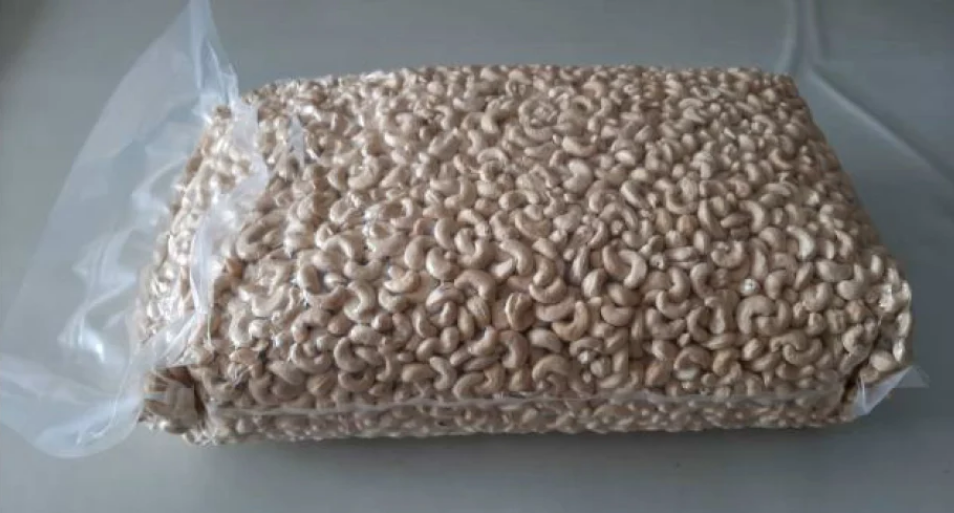
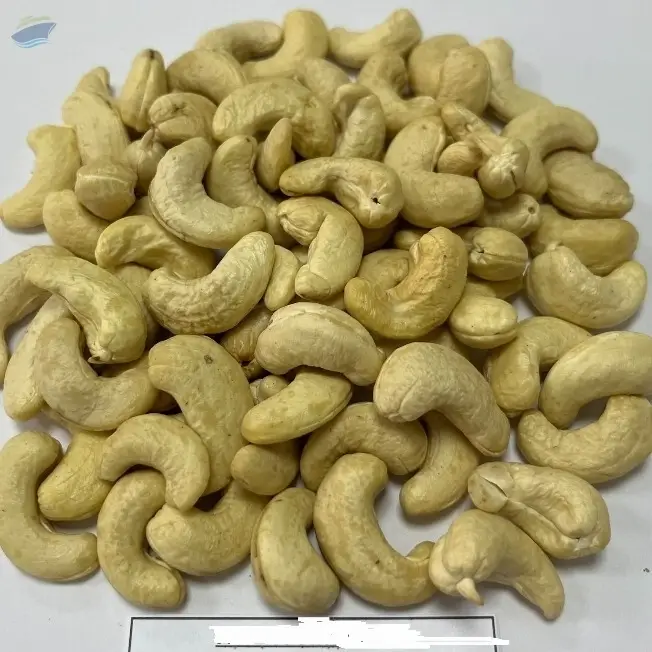
Apex Agro Group’s product list spans staple grains, oilseeds and high‑value nuts typical of South African export portfolios. Yellow maize is commonly graded by moisture (≤14 %) and test weight (≥720 kg / hL), while barley exported from the region often meets ICAR standards for protein (≈10 - 12 %). Soybeans are supplied in both GMO‑approved and non‑GMO batches, with standard oil content of 18 - 20 % and protein around 40 %. Oilseed commodities such as canola and sunflower are usually refined to meet IFAO specifications of free fatty acid ≤0.5 % and peroxide value ≤10 meq O₂/kg. Legume beans like red kidney and black kidney are graded by size (e.g., 18 - 22 mm) and moisture ≤13 %. Nuts such as almonds and cashews are typically delivered with shell‑free kernels, moisture ≤5 % and aflatoxin ≤ 5 µg kg⁻¹.
Trade and Export Information - Apex Agro Group Pty Ltd
South Africa is a recognized source of cereals, oilseeds and nuts for markets in the European Union, the Middle East and Southeast Asia. HS‑code families 1001‑1007 (cereals) and 1201‑1206 (oilseeds) are routinely inspected under phytosanitary regulations, requiring a Phytosanitary Certificate and, where applicable, a Certificate of Origin. Buyers often request compliance with IFAO or Codex Alimentarius standards for edible oils, and EU maximum residue limits (MRLs) for pesticide residues on nuts and legumes. Bulk grain shipments are typically packed in 1‑ton polypropylene bags or 20‑ft/40‑ft containers with moisture‑controlled liners; oilseed bulk cargo may be shipped in 25‑ton flexible intermediate bulk containers (FIBCs). Incoterms such as CIF or DAP are common for these commodities, with freight forwarding handled via the ports of Durban or Cape Town.
Sourcing from Apex Agro Group Pty Ltd - Buyer Guidance
When sourcing from Apex Agro Group, buyers should obtain a recent laboratory analysis covering moisture, protein, oil content and mycotoxin levels for grain and legume batches. For oilseeds and refined oils, request an IFAO test report confirming free fatty acid, peroxide value and heavy‑metal limits. Samples should be inspected for GMO status where non‑GMO soybeans are required, and buyers are advised to verify the presence of a valid Phytosanitary Certificate before shipment. Confirm packaging details - e.g., 1‑ton bags for maize or 25‑ton FIBCs for canola - and clarify the agreed Incoterm to align responsibility for freight and insurance.
Frequently Asked Questions About Apex Agro Group Pty Ltd
What HS codes are used for your maize products?
Yellow maize and dried white maize are classified under HS 1005.90, while maize meal for human consumption uses HS 1102.20. Both fall within the cereal chapter 10 of the Harmonized System.
Do you supply non‑GMO soybeans?
Yes, the catalogue lists both GMO and non‑GMO soybeans under HS 1201.90. Buyers should request a GMO‑status test report if non‑GMO certification is required.
What certifications should I ask for on oilseed shipments?
Typical certifications include an IFAO conformity report for refined oils, a Phytosanitary Certificate for the seed cargo, and a Certificate of Origin for customs clearance. These documents are issued by South African authorities or accredited laboratories.
What are the usual packaging formats for bulk grain exports?
Bulk cereals such as maize and barley are commonly packed in 1‑ton polypropylene bags or loaded directly into 20‑ft or 40‑ft containers. For larger volumes, flexible intermediate bulk containers (FIBCs) of 25 ton capacity are also used.
What is the minimum order quantity for nuts like almonds or cashews?
The supplier lists nuts without a fixed MOQ, but standard industry practice is a minimum of 5 metric tonnes per shipment, which aligns with container loading efficiencies.
What lead time should I expect for a shipment of soybean meal?
Typical lead times from order confirmation to vessel loading range from 25 to 35 days, depending on production scheduling and required export documentation.
Are your vegetable oil products refined to meet international standards?
Refined sunflower, soybean and canola oils are processed to meet IFAO specifications, including free fatty acid ≤0.5 % and peroxide value ≤10 meq O₂/kg. Buyers can request the laboratory certificate confirming these parameters.
How do I arrange a sample for the high‑grade pumpkin seeds?
A sample of the pumpkin seed kernels (HS 15525505) can be dispatched in a 5 kg sealed container after the buyer provides a formal request and covers sample freight. The sample will include a quality report detailing size, moisture and aflatoxin levels.




 , South Africa

.jpg.png)