CM3 International FZC — Supplier
About CM3 International FZC - Multi-Category Supplier in United Arab Emirates
United Arab Emirates‑based CM3 International FZC lists thirty active products across a broad spectrum that includes cement, various steel coils, fertilizers, rice, pulses, spices, steel billets and coal. The catalogue groups the steel items under HS‑code families 7210, 7208, 7209 and 7207 while cement‑related entries fall under HS 2523 and concrete under 6810, reflecting standard customs classification for construction materials. Agricultural commodities such as rice, pulses and spices are recorded without HS codes in the supplied data but are typically classified in chapters 10‑12 for grains and spices. The supplier’s trust tier is recorded as “harbor”, indicating a mid‑level verification status in the platform’s risk model. All product entries are presented with material descriptions that match the HS‑code families, for example GP Coils (HS 7210.49) are hot‑dip galvanized steel and CRCA Coil (HS 7209.25) is cold‑rolled close‑annealed carbon steel.
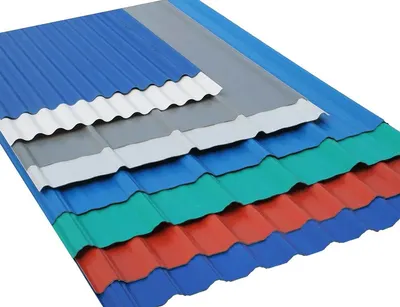
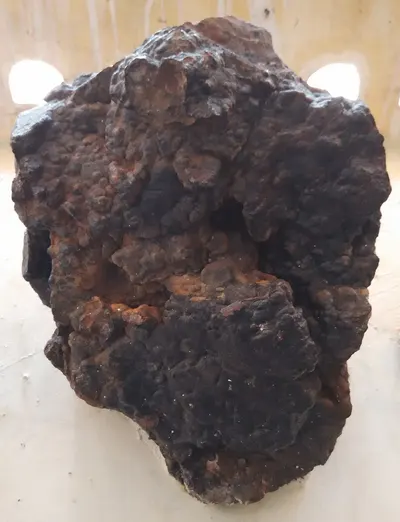
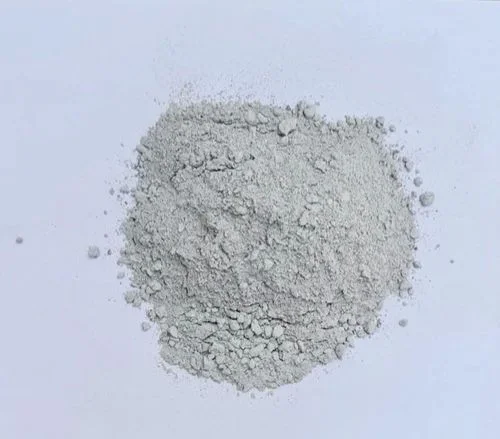
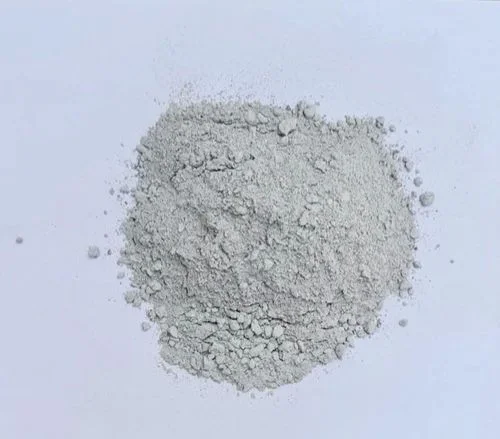
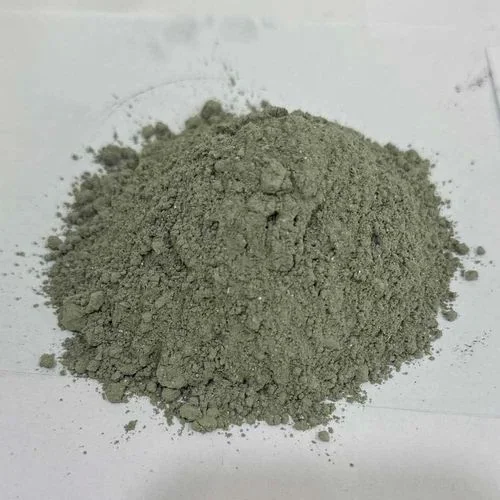
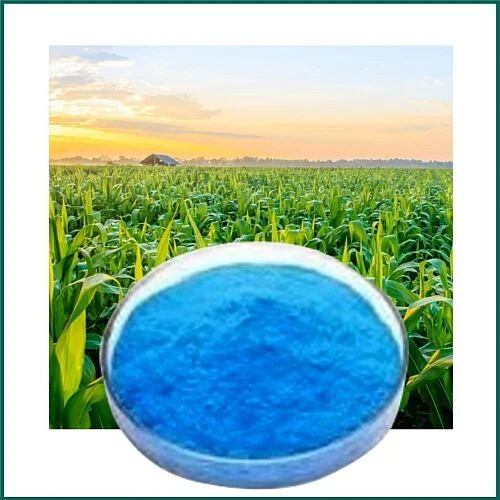
The active product count of thirty is spread over ten top‑level categories, with multiple sub‑entries for steel coils such as GI Coil, PPGI Coil, HR Coils, SS Coil and Galvalume, each linked to its specific HS code. Cement entries include Super Fast cement (HS 2523.90), Sulphate Resisting Cement (HS 2523.10) and grade‑specific OPC 43 and 53 S (HS 2523.29). Fertilizer listings cover organic, natural and nitrogen‑based types, while raw minerals such as Iron Ore, Bauxite, Manganese and Ferro‑Alloy are also listed with appropriate HS codes. The data does not include any client names, revenue figures or production capacities, staying strictly within the provided facts.
Product Range and Specialties of CM3 International FZC
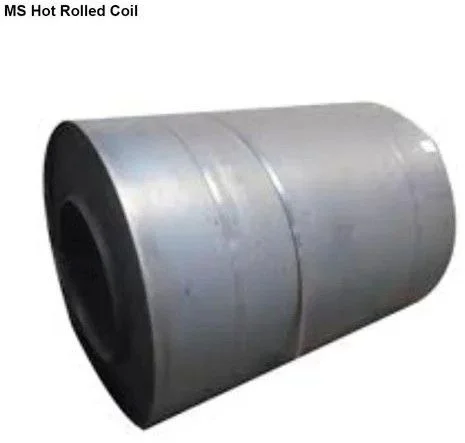
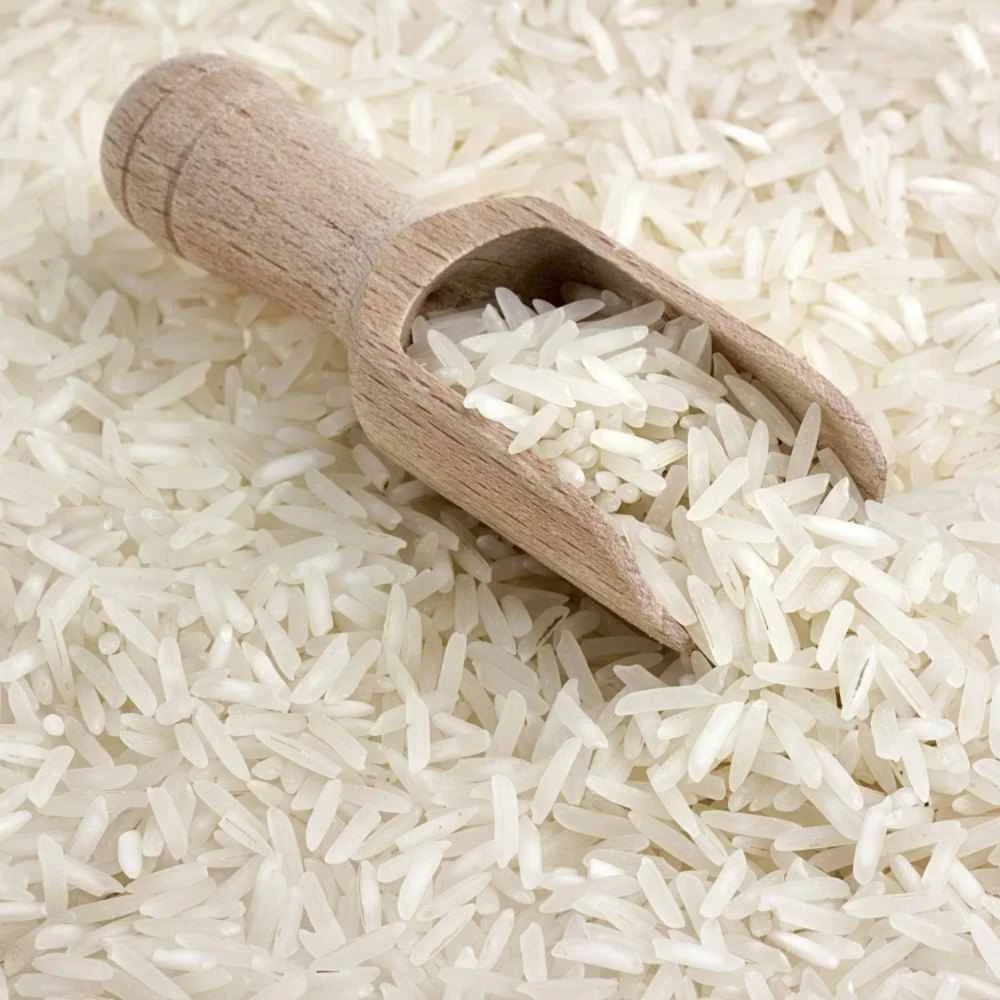
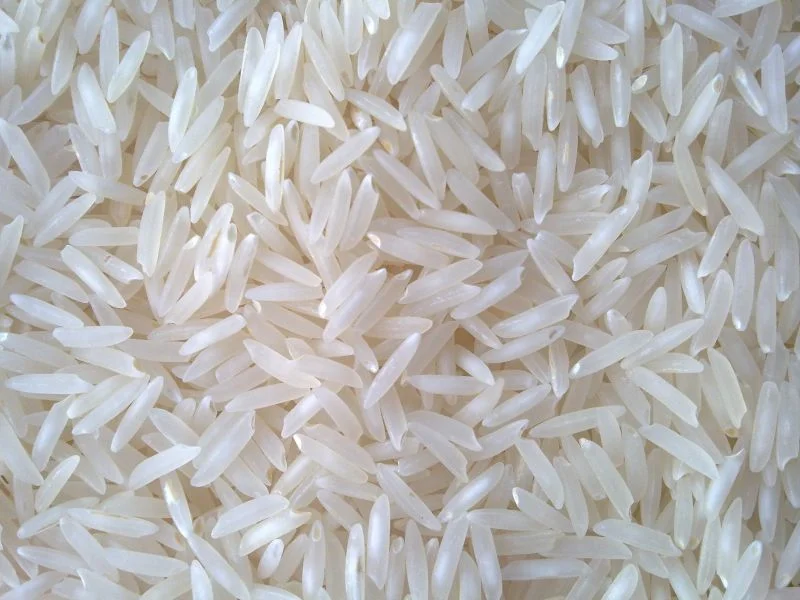
The catalogue shows a concentration on metallic construction products: hot‑dip galvanized coils (Z100‑Z275 coating, HS 7210.49), CRCA coils (typically 0.5‑2 mm thickness, HS 7209.25), stainless‑steel 304/316 coils (HS 7219.12) and Galvalume sheet (Al‑Zn alloy, HS 7210.61). In the global market these steel products are usually supplied to infrastructure, automotive and appliance manufacturers and are subject to standards such as ISO 9001 for quality management and EN 10025 for mechanical properties. Cement offerings span ordinary Portland cement grades 43 and 53 S, sulphate‑resisting blends and fast‑setting blends, all conforming to IS 8112, BS 12 or ASTM C150 specifications that define minimum compressive strength and clinker composition. Fertilizer types range from organic (often 20‑30 % N‑P‑K) to nitrogen‑based formulations (e.g., urea 46 % N) and are typically verified against ISO 14001 environmental management and local agronomic standards. Agricultural commodities - rice, pulses and spices - are usually traded in bulk bags or container loads, with moisture limits of 12‑14 % for rice and 10‑12 % for pulses, and are subject to phytosanitary certification.
Trade and Export Information - CM3 International FZC
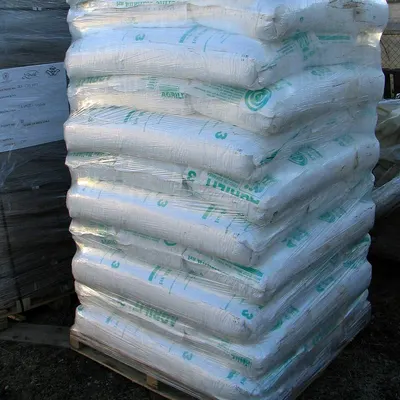
Exporters from the United Arab Emirates frequently ship steel coils to the GCC, East Africa and South‑Asia using container or bulk freight, with HS‑code 7210 series items often requiring a Certificate of Origin and, where applicable, CE marking for downstream processing. Cement and clinker shipments (HS 2523) are commonly destined for construction‑intensive markets in the Middle East and North Africa, and buyers usually request a Mill Test Report (MTR) and compliance with ASTM C150 or EN 197‑1. Fertilizer exports from the UAE follow the standard HS 3105‑3106 classification and are typically accompanied by a Fertilizer Analysis Certificate, safety data sheet (SDS) and, for nitrogen products, a nitrogen content test report. Rice, pulses and spices are classified under HS 1006‑1104 and require a phytosanitary certificate, commodity‑specific analysis (e.g., moisture, ash content) and often a Halal certification for markets in the Gulf. The UAE’s logistics infrastructure supports both 20 ft and 40 ft container loading, with steel coils often shipped on open‑top containers, cement in 50 kg bags on pallets, and bulk agricultural goods in bulk bags or liner‑bagged containers. Typical Incoterms used by UAE exporters include FOB Dubai and CIF for destination ports in Africa, South‑Asia and Europe.
Sourcing from CM3 International FZC - Buyer Guidance
Buyers should request a Mill Test Report for any steel coil to verify coating thickness (e.g., Z100‑Z275), tensile strength and dimensional tolerances, and compare the data against EN 10346 or ASTM A653 standards. For cement products, a compliance certificate referencing IS 8112, BS 12 or ASTM C150, together with a compressive strength test at 28 days, is essential before contract finalisation. Fertilizer purchases should be accompanied by a Certificate of Analysis that details N‑P‑K percentages, heavy‑metal limits and a safety data sheet; ISO 14001 or local agronomic approvals are typical buyer requirements. When sourcing rice, pulses or spices, request a phytosanitary certificate, moisture content test results and, where applicable, a Halal or organic certification to meet regional import regulations. Verify that the HS code used on the commercial invoice matches the product description to avoid customs delays, and confirm that the supplier can provide ISO 9001 quality management documentation if required by the buyer’s internal procurement policy.
Frequently Asked Questions About CM3 International FZC
What steel coil grades does CM3 International FZC list and what HS codes are associated with them?
The supplier lists hot‑dip galvanized (GP, GI) coils under HS 7210.49, CRCA coil under HS 7209.25, cold‑rolled carbon steel (HR Coils) under HS 7208.25, stainless‑steel 304/316 under HS 7219.12 and Galvalume under HS 7210.61. Each entry includes a material description that specifies coating thickness or alloy composition.
Which cement grades are available and what standards apply?
CM3 International offers Super Fast cement (HS 2523.90), Sulphate‑Resisting cement (HS 2523.10), OPC 43 and OPC 53 S (both HS 2523.29). These grades correspond to IS 8112/BS 12 equivalents and meet ASTM C150 requirements for compressive strength and clinker composition.
Are there any certifications that buyers should request for the steel products?
Buyers should ask for an ISO 9001 quality management certificate and a Mill Test Report that details coating weight (Z100‑Z275), tensile strength and dimensional tolerances. If the destination market requires CE marking, the supplier should provide the related conformity documentation.
What documentation is typical for fertilizer shipments from the UAE?
Typical documents include a Certificate of Analysis showing N‑P‑K values, a safety data sheet, and an ISO 14001 environmental management certificate where available. Phytosanitary certificates are not required for fertilizers but may be requested by certain importing countries.
Which HS codes are used for the agricultural products listed by the supplier?
The supplied data does not list HS codes for rice, pulses or spices, but they are generally classified under HS 1006‑1104 (cereals, pulses and spices). Buyers should confirm the exact sub‑heading with the supplier to ensure correct customs classification.
What are the typical packaging and container options for the listed products?
Steel coils are usually shipped in open‑top containers or on flat‑rack trailers, cement in 50 kg bags on pallets inside 20 ft or 40 ft containers, and bulk agricultural goods in bulk bags or liner‑bagged containers. The supplier’s catalogue does not specify packaging, so buyers should confirm container size and loading method during negotiations.
What are common minimum order quantities (MOQ) and lead times for these product categories?
MOQs vary by category; steel coils often start at 5 tons, cement at 1 container load (≈20 tons), and fertilizers at 10 tons. Lead times typically range from 2‑4 weeks for steel and cement, and 3‑5 weeks for fertilizers and bulk agricultural commodities, subject to production scheduling and shipping arrangements.
How should a buyer verify the quality of rice and pulses before shipment?
Buyers should request a sample analysis reporting moisture content (≤14 % for rice, ≤12 % for pulses), foreign matter percentage and grain size distribution. A phytosanitary certificate and, where required, a Halal certification should be obtained before the goods are loaded for export.




 , United Arab Emirates