Christek Herbs — Verified Supplier

About Christek Herbs - Rice Supplier in India

India is the origin of Christek Herbs, which currently lists five active products in its catalogue. The catalogue includes Aloe vera products, Basmati rice, millets, a range of fruits and vegetables, and knitted and woven garments. These items fall under the broader categories of rice, millet, fresh fruits, and apparel, reflecting the supplier’s diversified portfolio. Each product is presented without additional HS‑code details, focusing on the commodity type rather than specific tariff classifications. The supplier’s tier is listed as imported, indicating that the goods are sourced for international trade.

Basmati rice is identified as a separate line, while millets are grouped together without further grain‑type distinction. The fruit and vegetable segment is described generically, covering multiple produce items that may be sourced seasonally. Aloe vera products are listed without specifying whether they are gels, powders or extracts. The garment offering is recorded under “Clothes And Garments”, suggesting a focus on finished textile pieces rather than raw fabrics. No explicit certifications or compliance statements are provided in the supplied data.

Product Range and Specialties of Christek Herbs

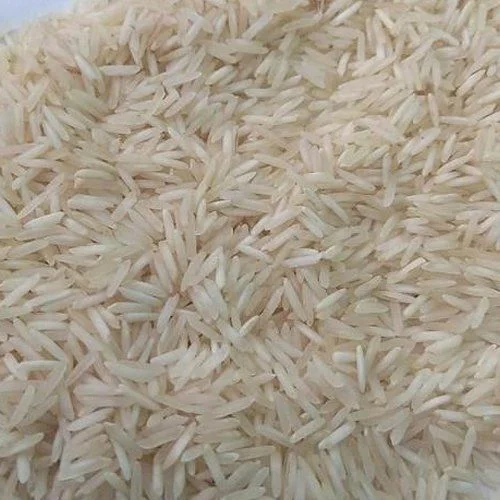
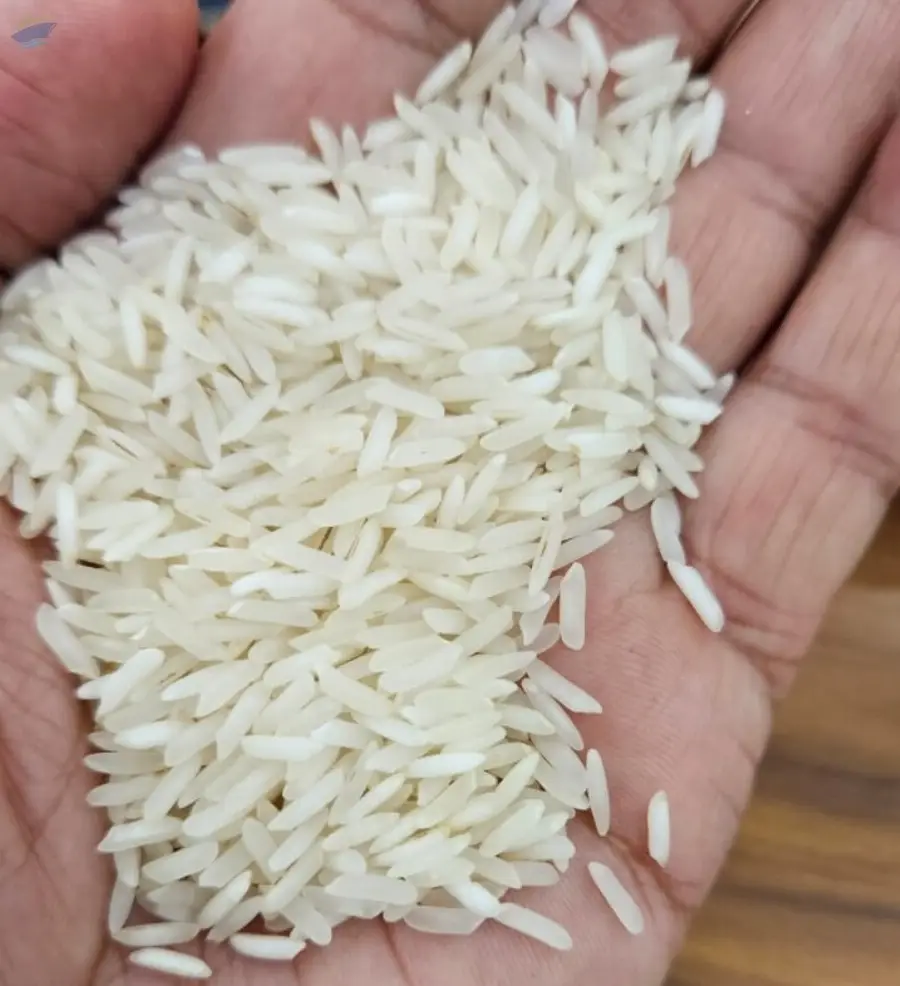
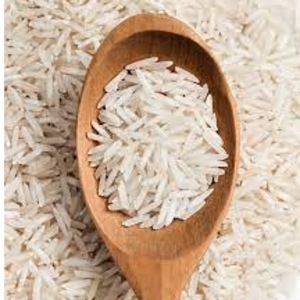
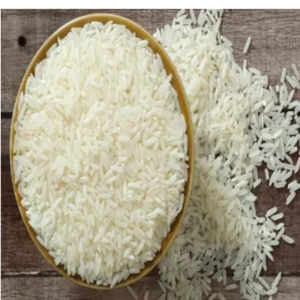
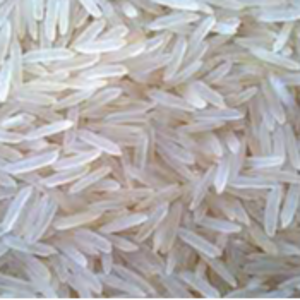
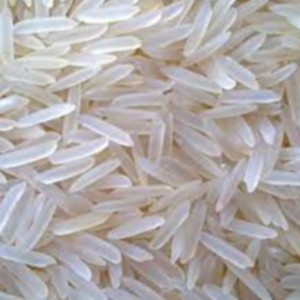
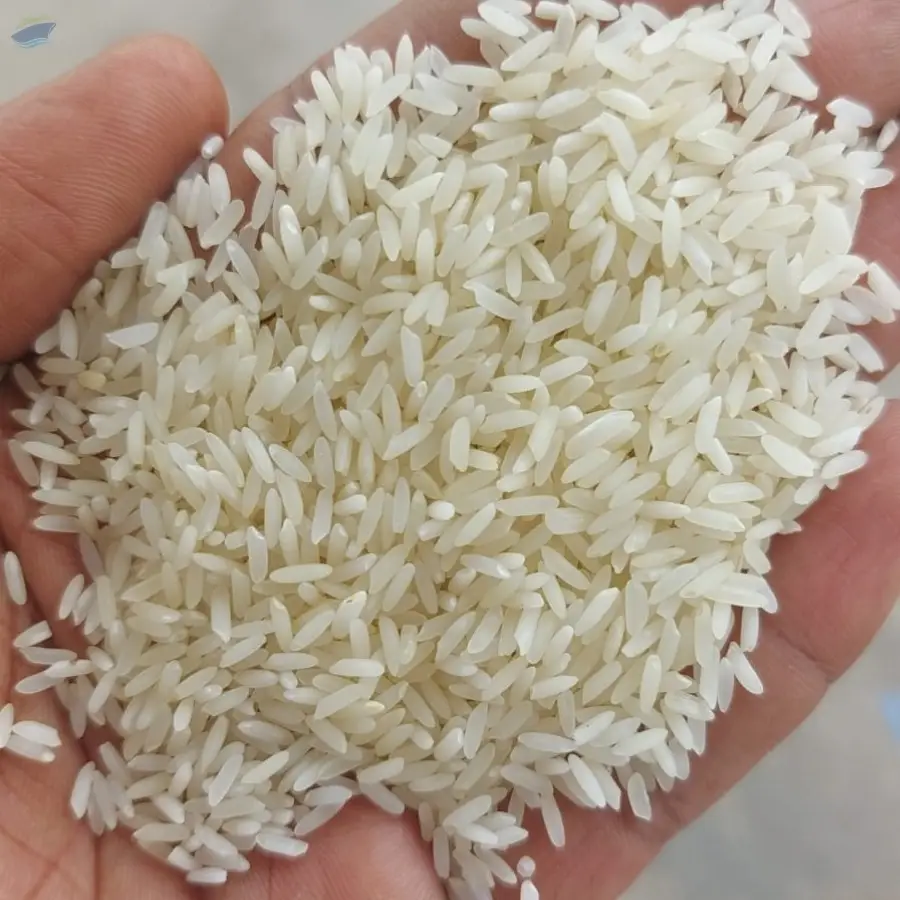
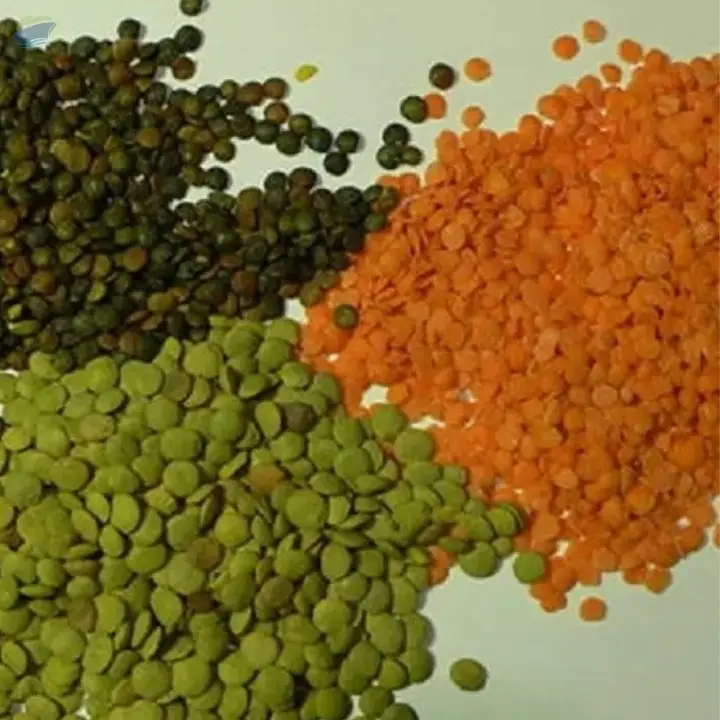
Christek Herbs’s catalogue lists five commodity groups: Aloe vera derivatives, Basmati rice, millets, assorted fruits and vegetables, and finished knitted or woven garments. In the rice segment, Basmati is commonly graded by kernel length (medium 6‑7 mm, long >7 mm), moisture content below 14 %, and broken grain percentage under 5 %. Millets are typically evaluated for uniform grain size, moisture below 12 %, and impurity levels under 2 %. Fresh fruits and vegetables are usually subject to pesticide residue limits set by the importing country, minimum freshness standards, and packaging in cartons or reusable crates. Garments are generally described by fabric weight (e.g., 150‑200 gsm for shirts) and stitching quality, with size grading according to standard charts.

Industry practice for Aloe vera products includes specifications such as aloin content below 10 ppm, gel purity above 95 % and microbial limits (e.g., total plate count <10⁴ CFU/g). Exporters from India often certify these products under FSSAI or ISO 22000 for food safety, and may obtain organic certification when required. Basmati rice exports frequently carry a phytosanitary certificate and may be accompanied by a certificate of origin to qualify for preferential tariffs. Millets destined for international markets are usually packed in 25 kg woven bags or 1‑ton bulk containers, with moisture‑controlled storage. Apparel shipments from India are typically packed in cardboard boxes, with HS code families 6204‑6304, and may require compliance with REACH or CPSIA depending on the destination.

Trade and Export Information - Christek Herbs

India is a major exporter of Basmati rice, millets, and a broad selection of horticultural produce, with key markets in the Middle East, Europe, and North America. Buyers of Indian rice often request laboratory analysis confirming grain length, amylose content, and absence of foreign matter, and they rely on HS chapter 10 (e.g., 1006 for rice, 1008 for millets). Fresh fruit shipments are subject to pre‑export phytosanitary inspections and may be subject to cold‑chain logistics to preserve quality during sea freight. Aloe vera extracts are regulated under food‑additive standards in many regions, and importers typically ask for a Certificate of Analysis confirming gel purity and microbial limits. Garments manufactured in India are shipped in 20‑ft or 40‑ft containers, with common Incoterms such as FOB or CIF, and buyers frequently request compliance with textile safety standards such as Oeko‑Tex or ISO 9001.

The Indian export framework requires exporters to obtain an Exporter Code (IEC) and to submit electronic export documents through the Indian Customs portal. For agricultural commodities, a phytosanitary certificate issued by the Directorate of Plant Protection is standard, while for processed products like Aloe vera gel, a health certificate may be required. Shipping volumes are typically organized in full‑container loads, with Basmati rice fitting approximately 60‑65 metric tonnes in a 40‑ft container and millets similar. Buyers often negotiate payment terms through letters of credit, and freight forwarding agents handle container loading, customs clearance, and inland transport to ports such as Mumbai or Nhava Sheva.

Sourcing from Christek Herbs - Buyer Guidance

Prospective buyers of Christek Herbs should request product specifications sheets that detail moisture content, grain size, impurity limits for rice and millets, and pesticide residue data for fresh produce. For Aloe vera products, a Certificate of Analysis confirming aloin levels, gel purity, and microbial counts is essential before placing an order. Buyers are advised to obtain a copy of the supplier’s phytosanitary certificate and, where applicable, an organic or FSSAI certification to satisfy import regulations.

Sample orders are common practice; a 5 kg sample of Basmati rice or a 2 kg sample of millets can be used for laboratory testing. Verify that the packaging material complies with the destination country’s regulations, such as food‑grade liners for rice bags or breathable crates for fruits. Prior to finalizing a contract, confirm the supplier’s ability to meet typical minimum order quantities - often 20 metric tonnes for rice and 10 metric tonnes for millets - and clarify lead times, which in India range from 15 to 30 days after receipt of a confirmed purchase order.

Frequently Asked Questions About Christek Herbs

What product categories does Christek Herbs offer?

Christek Herbs lists Aloe vera products, Basmati rice, millets, assorted fruits and vegetables, and knitted or woven garments.

How can I obtain a sample of the Basmati rice?

Buyers can request a 5 kg sample, which is typically packed in a food‑grade liner and shipped by air or express courier for laboratory analysis before larger orders.

Which certifications are commonly required for the rice and millet products?

Importers usually ask for a phytosanitary certificate, a certificate of origin, and, when relevant, FSSAI or ISO 22000 food‑safety certification; these should be confirmed with the supplier.

What quality parameters should I verify for the Aloe vera products?

Check that aloin content is below 10 ppm, gel purity exceeds 95 %, and microbial limits such as total plate count are under 10⁴ CFU/g, supported by a Certificate of Analysis.

What are the typical packaging and container sizes for the grain commodities?

Basmati rice and millets are commonly packed in 25 kg woven bags and consolidated into 20‑ft or 40‑ft containers, with a 40‑ft container holding roughly 60‑65 metric tonnes of rice.

Which markets typically import Indian garments and what standards apply?

European and North American buyers often import Indian knitted and woven garments, requiring compliance with REACH, CPSIA, and textile safety standards such as Oeko‑Tex or ISO 9001.

What Incoterms and logistics arrangements are standard for shipments from India?

Exporters frequently use FOB or CIF terms, arranging freight forwarding for sea transport from ports like Mumbai, with containers loaded according to HS chapter 62‑63 for apparel and chapter 10 for agricultural goods.


Other Suppliers in Rice

Top Trusted Suppliers

Related Products in Rice

Trending in Parent Category

More Suppliers in Parent Category

Related Products

Other Suppliers

EximNext
58.4K+ live requirements
Register Free🎁 5 free buy-lead credits
Post Requirement
🌍 Trusted by 224.4K+ businesses in 200+ countries|
58.4K+ active requirements right now
✉️ [email protected]
|
Sell on EximNextPost Requirement
EximNext
AgricultureApparelConstructionElectronicFoodHomeIndustrialMineralsMiscellaneous
🔥 Deals|✨ AI Match|🏭 Suppliers|📋 Buy Leads|💰 Trade Finance|⭐ Upgrade
58.4K+ live RFQs·194.5K+ suppliers
🎁 5 free credits →
EximNext
EximNext
Register Free
🎁 5 free buy-lead credits
Sign In
📋Post Requirement💬Get QuotesAI Match📋RFQ Marketplace
All Categories
Services & Tools
🏭Supplier Directory🔥Today's Deals💰Trade FinanceMembership
Sell on EximNext
AboutContactBlogHelp
🏭

Christek Herbs

Harbor
Country flag , India
🛡️
56/100
Trust Score

Christek Herbs Product Catalog

Showing 5 of 5 products
View all products →
Fruits And Vegetables
Harbor
Fruits And Vegetables
Contact
MOQ: 1 Unit
Clothes And Garments
Harbor
Clothes And Garments
Contact
MOQ: 1 Unit
Basmati Rice
Harbor
Basmati Rice
Contact
MOQ: 1 Unit
Millets
Harbor
Millets
Contact
MOQ: 1 Unit
Aloe vera products
Harbor
Aloe vera products
Contact
MOQ: 1 Unit

About Christek Herbs - Rice Supplier in India

India is the origin of Christek Herbs, which currently lists five active products in its catalogue. The catalogue includes Aloe vera products, Basmati rice, millets, a range of fruits and vegetables, and knitted and woven garments. These items fall under the broader categories of rice, millet, fresh fruits, and apparel, reflecting the supplier’s diversified portfolio. Each product is presented without additional HS‑code details, focusing on the commodity type rather than specific tariff classifications. The supplier’s tier is listed as imported, indicating that the goods are sourced for international trade.

Basmati rice is identified as a separate line, while millets are grouped together without further grain‑type distinction. The fruit and vegetable segment is described generically, covering multiple produce items that may be sourced seasonally. Aloe vera products are listed without specifying whether they are gels, powders or extracts. The garment offering is recorded under “Clothes And Garments”, suggesting a focus on finished textile pieces rather than raw fabrics. No explicit certifications or compliance statements are provided in the supplied data.

Product Range and Specialties of Christek Herbs

Christek Herbs’s catalogue lists five commodity groups: Aloe vera derivatives, Basmati rice, millets, assorted fruits and vegetables, and finished knitted or woven garments. In the rice segment, Basmati is commonly graded by kernel length (medium 6‑7 mm, long >7 mm), moisture content below 14 %, and broken grain percentage under 5 %. Millets are typically evaluated for uniform grain size, moisture below 12 %, and impurity levels under 2 %. Fresh fruits and vegetables are usually subject to pesticide residue limits set by the importing country, minimum freshness standards, and packaging in cartons or reusable crates. Garments are generally described by fabric weight (e.g., 150‑200 gsm for shirts) and stitching quality, with size grading according to standard charts.

Industry practice for Aloe vera products includes specifications such as aloin content below 10 ppm, gel purity above 95 % and microbial limits (e.g., total plate count <10⁴ CFU/g). Exporters from India often certify these products under FSSAI or ISO 22000 for food safety, and may obtain organic certification when required. Basmati rice exports frequently carry a phytosanitary certificate and may be accompanied by a certificate of origin to qualify for preferential tariffs. Millets destined for international markets are usually packed in 25 kg woven bags or 1‑ton bulk containers, with moisture‑controlled storage. Apparel shipments from India are typically packed in cardboard boxes, with HS code families 6204‑6304, and may require compliance with REACH or CPSIA depending on the destination.

Trade and Export Information - Christek Herbs

India is a major exporter of Basmati rice, millets, and a broad selection of horticultural produce, with key markets in the Middle East, Europe, and North America. Buyers of Indian rice often request laboratory analysis confirming grain length, amylose content, and absence of foreign matter, and they rely on HS chapter 10 (e.g., 1006 for rice, 1008 for millets). Fresh fruit shipments are subject to pre‑export phytosanitary inspections and may be subject to cold‑chain logistics to preserve quality during sea freight. Aloe vera extracts are regulated under food‑additive standards in many regions, and importers typically ask for a Certificate of Analysis confirming gel purity and microbial limits. Garments manufactured in India are shipped in 20‑ft or 40‑ft containers, with common Incoterms such as FOB or CIF, and buyers frequently request compliance with textile safety standards such as Oeko‑Tex or ISO 9001.

The Indian export framework requires exporters to obtain an Exporter Code (IEC) and to submit electronic export documents through the Indian Customs portal. For agricultural commodities, a phytosanitary certificate issued by the Directorate of Plant Protection is standard, while for processed products like Aloe vera gel, a health certificate may be required. Shipping volumes are typically organized in full‑container loads, with Basmati rice fitting approximately 60‑65 metric tonnes in a 40‑ft container and millets similar. Buyers often negotiate payment terms through letters of credit, and freight forwarding agents handle container loading, customs clearance, and inland transport to ports such as Mumbai or Nhava Sheva.

Sourcing from Christek Herbs - Buyer Guidance

Prospective buyers of Christek Herbs should request product specifications sheets that detail moisture content, grain size, impurity limits for rice and millets, and pesticide residue data for fresh produce. For Aloe vera products, a Certificate of Analysis confirming aloin levels, gel purity, and microbial counts is essential before placing an order. Buyers are advised to obtain a copy of the supplier’s phytosanitary certificate and, where applicable, an organic or FSSAI certification to satisfy import regulations.

Sample orders are common practice; a 5 kg sample of Basmati rice or a 2 kg sample of millets can be used for laboratory testing. Verify that the packaging material complies with the destination country’s regulations, such as food‑grade liners for rice bags or breathable crates for fruits. Prior to finalizing a contract, confirm the supplier’s ability to meet typical minimum order quantities - often 20 metric tonnes for rice and 10 metric tonnes for millets - and clarify lead times, which in India range from 15 to 30 days after receipt of a confirmed purchase order.

Frequently Asked Questions About Christek Herbs

What product categories does Christek Herbs offer?

Christek Herbs lists Aloe vera products, Basmati rice, millets, assorted fruits and vegetables, and knitted or woven garments.

How can I obtain a sample of the Basmati rice?

Buyers can request a 5 kg sample, which is typically packed in a food‑grade liner and shipped by air or express courier for laboratory analysis before larger orders.

Which certifications are commonly required for the rice and millet products?

Importers usually ask for a phytosanitary certificate, a certificate of origin, and, when relevant, FSSAI or ISO 22000 food‑safety certification; these should be confirmed with the supplier.

What quality parameters should I verify for the Aloe vera products?

Check that aloin content is below 10 ppm, gel purity exceeds 95 %, and microbial limits such as total plate count are under 10⁴ CFU/g, supported by a Certificate of Analysis.

What are the typical packaging and container sizes for the grain commodities?

Basmati rice and millets are commonly packed in 25 kg woven bags and consolidated into 20‑ft or 40‑ft containers, with a 40‑ft container holding roughly 60‑65 metric tonnes of rice.

Which markets typically import Indian garments and what standards apply?

European and North American buyers often import Indian knitted and woven garments, requiring compliance with REACH, CPSIA, and textile safety standards such as Oeko‑Tex or ISO 9001.

What Incoterms and logistics arrangements are standard for shipments from India?

Exporters frequently use FOB or CIF terms, arranging freight forwarding for sea transport from ports like Mumbai, with containers loaded according to HS chapter 62‑63 for apparel and chapter 10 for agricultural goods.

About Christek Herbs - Rice Supplier in India

India is the origin of Christek Herbs, which currently lists five active products in its catalogue. The catalogue includes Aloe vera products, Basmati rice, millets, a range of fruits and vegetables, and knitted and woven garments. These items fall under the broader categories of rice, millet, fresh fruits, and apparel, reflecting the supplier’s diversified portfolio. Each product is presented without additional HS‑code details, focusing on the commodity type rather than specific tariff classifications. The supplier’s tier is listed as imported, indicating that the goods are sourced for international trade.

Basmati rice is identified as a separate line, while millets are grouped together without further grain‑type distinction. The fruit and vegetable segment is described generically, covering multiple produce items that may be sourced seasonally. Aloe vera products are listed without specifying whether they are gels, powders or extracts. The garment offering is recorded under “Clothes And Garments”, suggesting a focus on finished textile pieces rather than raw fabrics. No explicit certifications or compliance statements are provided in the supplied data.

Product Range and Specialties of Christek Herbs

Christek Herbs’s catalogue lists five commodity groups: Aloe vera derivatives, Basmati rice, millets, assorted fruits and vegetables, and finished knitted or woven garments. In the rice segment, Basmati is commonly graded by kernel length (medium 6‑7 mm, long >7 mm), moisture content below 14 %, and broken grain percentage under 5 %. Millets are typically evaluated for uniform grain size, moisture below 12 %, and impurity levels under 2 %. Fresh fruits and vegetables are usually subject to pesticide residue limits set by the importing country, minimum freshness standards, and packaging in cartons or reusable crates. Garments are generally described by fabric weight (e.g., 150‑200 gsm for shirts) and stitching quality, with size grading according to standard charts.

Industry practice for Aloe vera products includes specifications such as aloin content below 10 ppm, gel purity above 95 % and microbial limits (e.g., total plate count <10⁴ CFU/g). Exporters from India often certify these products under FSSAI or ISO 22000 for food safety, and may obtain organic certification when required. Basmati rice exports frequently carry a phytosanitary certificate and may be accompanied by a certificate of origin to qualify for preferential tariffs. Millets destined for international markets are usually packed in 25 kg woven bags or 1‑ton bulk containers, with moisture‑controlled storage. Apparel shipments from India are typically packed in cardboard boxes, with HS code families 6204‑6304, and may require compliance with REACH or CPSIA depending on the destination.

Trade and Export Information - Christek Herbs

India is a major exporter of Basmati rice, millets, and a broad selection of horticultural produce, with key markets in the Middle East, Europe, and North America. Buyers of Indian rice often request laboratory analysis confirming grain length, amylose content, and absence of foreign matter, and they rely on HS chapter 10 (e.g., 1006 for rice, 1008 for millets). Fresh fruit shipments are subject to pre‑export phytosanitary inspections and may be subject to cold‑chain logistics to preserve quality during sea freight. Aloe vera extracts are regulated under food‑additive standards in many regions, and importers typically ask for a Certificate of Analysis confirming gel purity and microbial limits. Garments manufactured in India are shipped in 20‑ft or 40‑ft containers, with common Incoterms such as FOB or CIF, and buyers frequently request compliance with textile safety standards such as Oeko‑Tex or ISO 9001.

The Indian export framework requires exporters to obtain an Exporter Code (IEC) and to submit electronic export documents through the Indian Customs portal. For agricultural commodities, a phytosanitary certificate issued by the Directorate of Plant Protection is standard, while for processed products like Aloe vera gel, a health certificate may be required. Shipping volumes are typically organized in full‑container loads, with Basmati rice fitting approximately 60‑65 metric tonnes in a 40‑ft container and millets similar. Buyers often negotiate payment terms through letters of credit, and freight forwarding agents handle container loading, customs clearance, and inland transport to ports such as Mumbai or Nhava Sheva.

Sourcing from Christek Herbs - Buyer Guidance

Prospective buyers of Christek Herbs should request product specifications sheets that detail moisture content, grain size, impurity limits for rice and millets, and pesticide residue data for fresh produce. For Aloe vera products, a Certificate of Analysis confirming aloin levels, gel purity, and microbial counts is essential before placing an order. Buyers are advised to obtain a copy of the supplier’s phytosanitary certificate and, where applicable, an organic or FSSAI certification to satisfy import regulations.

Sample orders are common practice; a 5 kg sample of Basmati rice or a 2 kg sample of millets can be used for laboratory testing. Verify that the packaging material complies with the destination country’s regulations, such as food‑grade liners for rice bags or breathable crates for fruits. Prior to finalizing a contract, confirm the supplier’s ability to meet typical minimum order quantities - often 20 metric tonnes for rice and 10 metric tonnes for millets - and clarify lead times, which in India range from 15 to 30 days after receipt of a confirmed purchase order.

Frequently Asked Questions About Christek Herbs
What product categories does Christek Herbs offer?
Christek Herbs lists Aloe vera products, Basmati rice, millets, assorted fruits and vegetables, and knitted or woven garments.
How can I obtain a sample of the Basmati rice?
Buyers can request a 5 kg sample, which is typically packed in a food‑grade liner and shipped by air or express courier for laboratory analysis before larger orders.
Which certifications are commonly required for the rice and millet products?
Importers usually ask for a phytosanitary certificate, a certificate of origin, and, when relevant, FSSAI or ISO 22000 food‑safety certification; these should be confirmed with the supplier.
What quality parameters should I verify for the Aloe vera products?
Check that aloin content is below 10 ppm, gel purity exceeds 95 %, and microbial limits such as total plate count are under 10⁴ CFU/g, supported by a Certificate of Analysis.
What are the typical packaging and container sizes for the grain commodities?
Basmati rice and millets are commonly packed in 25 kg woven bags and consolidated into 20‑ft or 40‑ft containers, with a 40‑ft container holding roughly 60‑65 metric tonnes of rice.
Which markets typically import Indian garments and what standards apply?
European and North American buyers often import Indian knitted and woven garments, requiring compliance with REACH, CPSIA, and textile safety standards such as Oeko‑Tex or ISO 9001.
What Incoterms and logistics arrangements are standard for shipments from India?
Exporters frequently use FOB or CIF terms, arranging freight forwarding for sea transport from ports like Mumbai, with containers loaded according to HS chapter 62‑63 for apparel and chapter 10 for agricultural goods.

🏭
Christek Herbs
Country flag , India
Harbor
56/100
Trust Score
📦
5
Products
Free to contact — no commission
Escrow payment available
Verified business identity
Compare more suppliers
Post a requirement — get 10 quotes free
Let verified suppliers compete for your business. Free, fast, no commitment.
EximNext Verified Supplier
Business identity verified
Physical address confirmed
Financial history checked
Certifications authenticated
Trade references validated
Due Diligence
Verify this supplier's real shipping history.
Every shipment, every buyer, every port. Trade data that can't be faked.
Run due diligence →
Discover More

Related Suppliers & Products

Explore similar suppliers, related products and trending categories

Other Suppliers in Rice

Top Trusted Suppliers

Related Products in Rice

Trending in Parent Category

More Suppliers in Parent Category

Stay ahead in global trade
Weekly market insights & new supplier alerts.
EximNext
Exim Next is a leading global B2B marketplace, connecting over 205,000 verified suppliers and buyers across 200+ countries. As a trusted import export marketplace, it serves as the essential B2B portal for businesses worldwide, empowering them to expand their international reach. With Exim Next, businesses can trade smarter and grow faster.
SECURE PAYMENTS
VISAMastercardPayPalSWIFTL/CEscrow
Follow us
© 2026 EximNext