Chitra Corporation — Verified Supplier
About Chitra Corporation - Fashion Wears Supplier in India
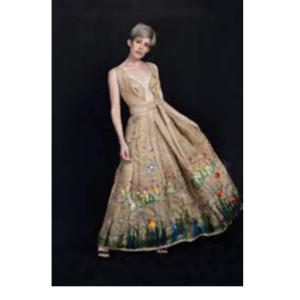
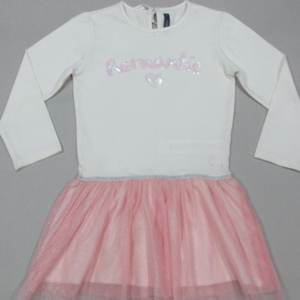
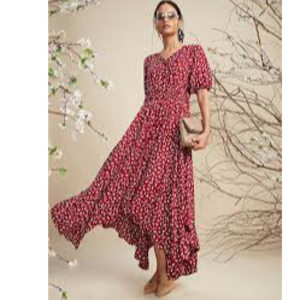
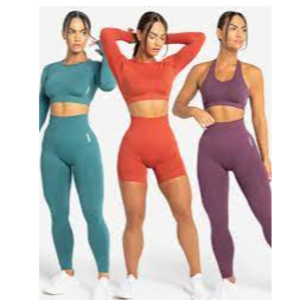
Chitra Corporation is based in Ahmedabad, Gujarat, India. The supplier currently lists eight active products in its catalogue. Its catalogue spans fashion wears and industrial clothing, including ladies suits, traditional ethnic wear, gowns, and evening wear. All items fall under Indian export HS chapters 6203, 6204 and 6211, with one jewellery entry under chapter 7113. The listed products are described by material blends such as cotton‑silk, polyester‑cotton, satin polyester and hand‑embroidered silk fabrics.
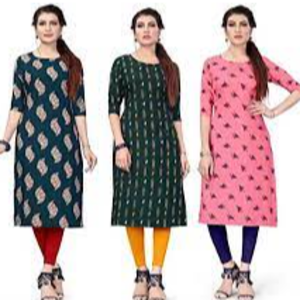
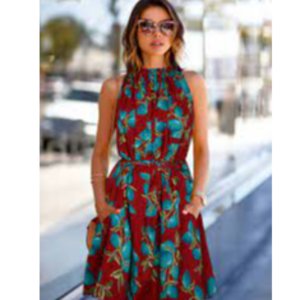
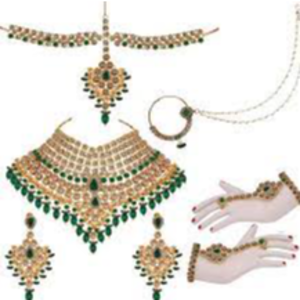
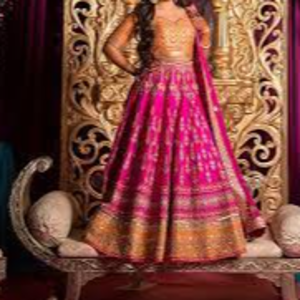
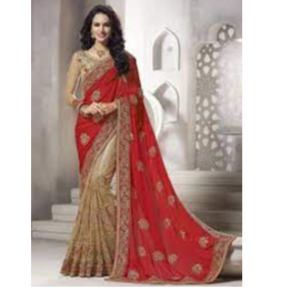
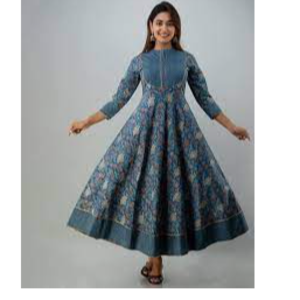
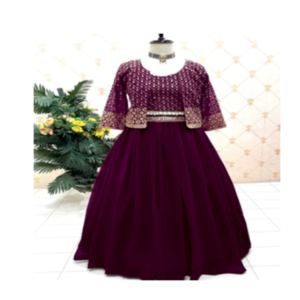
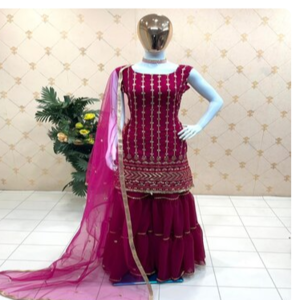
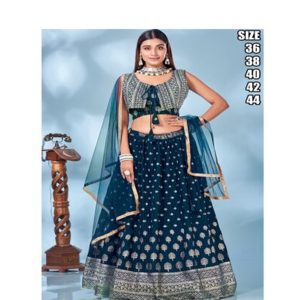
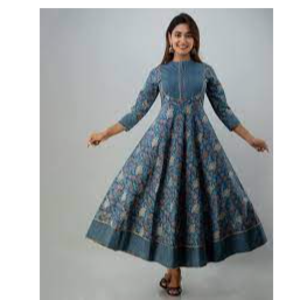
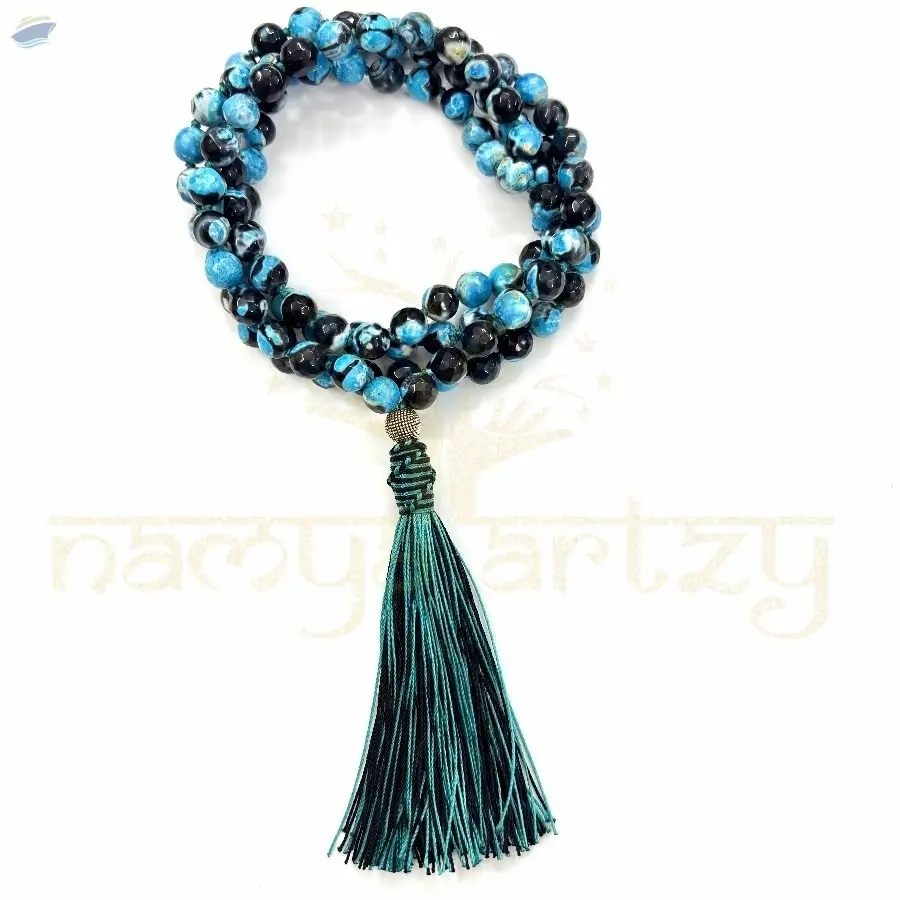
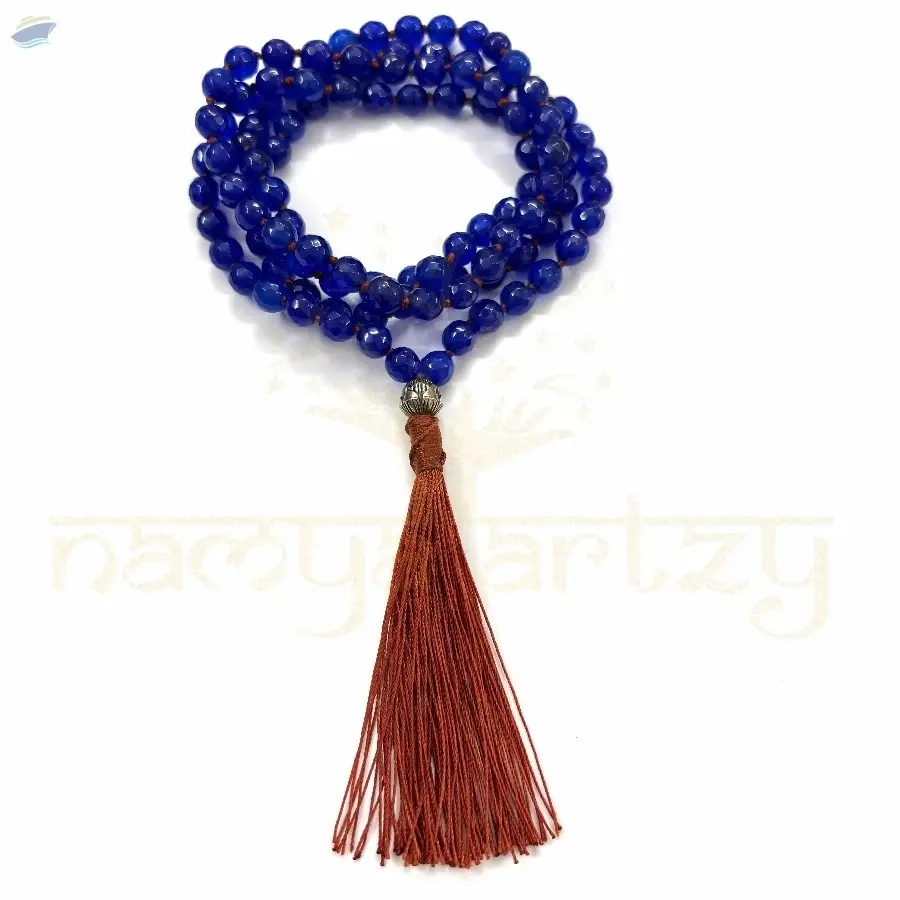
The product “kurties” is recorded under HS code 6204.69 and is made from cotton, silk blend or rayon depending on style. “Dress” (HS 6204.43) uses a satin polyester blend. “Indowestrn wear” (HS 6203.19) is produced from cotton/polyester blend fabric. “Indian Traditional wear” (HS 6211.42) features silk, georgette or cotton with mirror, zari or sequin embroidery. Additional items include “Fancy sarees” (HS 6204.62, cotton‑polyester blend), “Wedding wear” (HS 6204.44, silk and fine fabrics with hand embroidery), “Western Garments” (HS 6203.22, 65 % polyester 35 % cotton) and “Jewellery” (HS 7113.19, mixed base metal, glass and gemstones).
Product Range and Specialties of Chitra Corporation
The eight catalogue items cover ready‑to‑wear apparel that typically falls into the 150 - 250 gsm weight range for woven fabrics, with stitch densities of 12 - 15 stitches per centimetre and standard colour‑fastness to washing (ISO 105‑C06). Cotton‑silk and rayon blends used in kurties are often graded by fibre content and yarn count, while satin polyester blends for dresses are evaluated for sheen (ASTM D523) and dimensional stability. Traditional Indian wear such as silk sarees and embroidered wedding garments usually meet IC silk grades (e.g., Mulberry silk, grade A) and may carry Oeko‑Tex Standard 100 certification for harmful substance limits. Western garments with a 65 % polyester / 35 % cotton blend are commonly produced to ISO 9001 quality‑management standards. Jewellery listed under HS 7113.19 is typically assessed for alloy purity, hallmarked according to BIS (Bureau of Indian Standards) or ISO 9001 for manufacturing processes.
Trade and Export Information - Chitra Corporation
India is a major exporter of ready‑made garments, with the HS 6203, 6204 and 6211 chapters accounting for the bulk of textile shipments to the United States, European Union, Gulf Cooperation Council countries and Southeast Asia. Exporters of these categories usually provide a commercial invoice, packing list, certificate of origin and, where required by the destination, a test report confirming fibre composition and colour‑fastness. For jewellery, buyers often request a BIS hallmark certificate or an independent assay report, especially for metal content and gemstone authenticity. Standard packaging includes poly‑bagged units placed in 40‑ft containers, with carton dimensions of 120 cm × 80 cm × 60 cm for bulk apparel loads. Common Incoterms are FOB Ahmedabad Port or CIF destination port, depending on buyer preference.
Sourcing from Chitra Corporation - Buyer Guidance
When sourcing garments from Chitra Corporation, request a detailed material‑composition certificate and a lab test report covering fabric weight (gsm), stitch count and colour‑fastness to washing and light. For embroidered and hand‑crafted pieces, ask for a sample of the stitching and a photograph of the finished product to verify embroidery density and motif accuracy. Jewellery buyers should obtain a hallmark certificate or an independent assay report confirming metal purity and gemstone grading. Typical minimum order quantities are 100 pieces per garment style and 200 pieces for jewellery, with lead times ranging from 30 to 45 days after sample approval. Clarify the preferred Incoterm (FOB or CIF) and confirm container loading plans to avoid unexpected freight costs.
Frequently Asked Questions About Chitra Corporation
What product categories does Chitra Corporation list in its catalogue?
The catalogue includes eight items: kurties, dresses, Indo‑Western wear, Indian traditional wear, fancy sarees, wedding wear, western garments and jewellery, each assigned to HS codes 6204.69, 6204.43, 6203.19, 6211.42, 6204.62, 6204.44, 6203.22 and 7113.19 respectively.
Which HS codes are associated with the apparel products?
Apparel items fall under HS 6203 (men’s or boys’ clothing), HS 6204 (women’s or girls’ clothing) and HS 6211 (woven garments of cotton, silk or similar fibres). The specific codes are 6203.19, 6203.22, 6204.43, 6204.44, 6204.62 and 6204.69.
What materials are used in the listed garments?
Materials vary by style: cotton, silk, rayon, polyester, satin polyester blends, cotton‑polyester blends and silk with hand embroidery. Jewellery is made from mixed base metals, glass and gemstones.
What certifications should a buyer request for these Indian garments?
Buyers typically request a material‑composition certificate, fabric‑weight (gsm) test, colour‑fastness test (ISO 105), and, where applicable, Oeko‑Tex Standard 100 or ISO 9001 compliance documentation.
Are there any specific documentation requirements for the jewellery item?
For the jewellery (HS 7113.19) buyers usually ask for a BIS hallmark certificate or an independent assay report confirming metal purity and gemstone authenticity, plus a product safety data sheet if the items contain lead‑free alloys.
What are the usual minimum order quantities and lead times?
Standard minimum order quantities are around 100 pieces per garment style and 200 pieces for jewellery. Lead times are typically 30‑45 days after sample approval, subject to fabric sourcing and embroidery work.
Which Incoterms are commonly used for shipments from this supplier?
Chitra Corporation commonly works on FOB terms from the port of Ahmedabad, but buyers can also arrange CIF to their destination port if preferred.
Which markets commonly import the types of products Chitra Corporation offers?
Typical import markets include the United States, European Union member states, GCC countries such as Saudi Arabia and the UAE, and Southeast Asian nations like Singapore and Malaysia, where demand for Indian fashion and ethnic wear is strong.




 Ahmedabad, India