Changzhou Eastmap — Supplier
About Changzhou Eastmap - Furniture Supplier in China
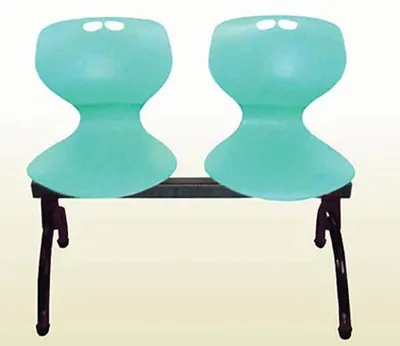
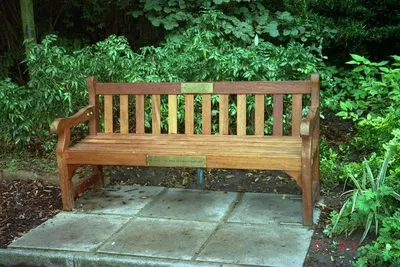
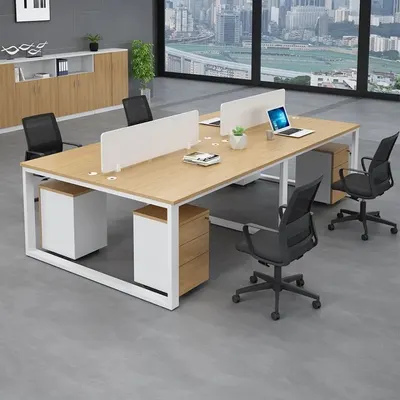
Changzhou Eastmap, located in China, offers a range of furniture products, with an active product count of 5. The company's product catalogue includes items such as six-person tables, single benches, six combination desks, double chairs, and double benches. These products fall under the categories of Tables, Chairs & Sofa, Visitor Benches, and Garden & Outdoor Furniture. With its location in China, Changzhou Eastmap is well-positioned to serve buyers in various regions, particularly in Asia and other parts of the world where Chinese furniture exports are in high demand.
Exporters of furniture from China, like Changzhou Eastmap, typically need to comply with regulations and standards related to product safety, quality, and environmental sustainability. Buyers of furniture from China usually require certifications such as ISO 9001 and ISO 14001, which ensure that the products meet international quality and environmental standards. The HS code families involved in furniture exports from China include 9401, 9403, and 9406, which cover various types of furniture, including seats, beds, and other household furniture.
Product Range and Specialties of Changzhou Eastmap
Changzhou Eastmap's product range includes a variety of furniture items, with a focus on tables, chairs, and benches. The company's catalogue includes products made from different materials, such as wood, metal, and plastic. Buyers of furniture from China, like Changzhou Eastmap, typically look for products that meet international quality standards, such as those set by the International Organization for Standardization (ISO). For example, the ISO 9001 standard for quality management and the ISO 14001 standard for environmental management are commonly required in the furniture industry. In terms of product specifications, buyers may look for details such as the type of material used, the product's dimensions, and its weight capacity.
Trade and Export Information - Changzhou Eastmap
Exporters of furniture from China, like Changzhou Eastmap, typically export their products to regions such as Asia, Europe, and North America. The HS code families involved in furniture exports from China include 9401, 9403, and 9406, which cover various types of furniture, including seats, beds, and other household furniture. In terms of logistics, furniture exporters from China often use Incoterms such as FOB (Free on Board) or CIF (Cost, Insurance, and Freight), which determine the point at which the risk of loss or damage to the goods passes from the seller to the buyer. Packaging and shipping requirements for furniture exports from China may include the use of sturdy packaging materials, such as wooden crates or cardboard boxes, and compliance with regulations related to product safety and environmental sustainability.
Sourcing from Changzhou Eastmap - Buyer Guidance
Buyers sourcing from Changzhou Eastmap should request specifications, samples, and test reports to verify the quality of the products. They should also ask for certifications such as ISO 9001 and ISO 14001, which ensure that the products meet international quality and environmental standards. In terms of product quality parameters, buyers may look for details such as the product's material composition, its dimensions, and its weight capacity. They should also verify the product's compliance with regulations related to product safety and environmental sustainability, such as those set by the European Union's General Product Safety Directive or the United States' Consumer Product Safety Act.
Frequently Asked Questions About Changzhou Eastmap
What types of furniture does Changzhou Eastmap offer?
Changzhou Eastmap offers a range of furniture products, including tables, chairs, benches, and desks. Their product catalogue includes items such as six-person tables, single benches, six combination desks, double chairs, and double benches.
What are the common materials used in Changzhou Eastmap's furniture products?
The common materials used in Changzhou Eastmap's furniture products include wood, metal, and plastic. Buyers may request specifications and samples to verify the material composition of the products.
What certifications should buyers request from Changzhou Eastmap?
Buyers should request certifications such as ISO 9001 and ISO 14001, which ensure that the products meet international quality and environmental standards. They should also verify the product's compliance with regulations related to product safety and environmental sustainability.
What is the typical lead time for orders from Changzhou Eastmap?
The typical lead time for orders from Changzhou Eastmap may vary depending on the product and the destination. Buyers should confirm the lead time with the supplier before placing an order.
What is the minimum order quantity (MOQ) for Changzhou Eastmap's products?
The MOQ for Changzhou Eastmap's products may vary depending on the product and the destination. Buyers should confirm the MOQ with the supplier before placing an order.
How do buyers verify the quality of Changzhou Eastmap's products?
Buyers can verify the quality of Changzhou Eastmap's products by requesting specifications, samples, and test reports. They should also ask for certifications such as ISO 9001 and ISO 14001, which ensure that the products meet international quality and environmental standards.
What are the common packaging and shipping requirements for furniture exports from China?
The common packaging and shipping requirements for furniture exports from China include the use of sturdy packaging materials, such as wooden crates or cardboard boxes, and compliance with regulations related to product safety and environmental sustainability. Buyers should confirm the packaging and shipping requirements with the supplier before placing an order.
What Incoterms are commonly used for furniture exports from China?
The Incoterms commonly used for furniture exports from China include FOB (Free on Board) and CIF (Cost, Insurance, and Freight), which determine the point at which the risk of loss or damage to the goods passes from the seller to the buyer.




 , China








.jpg.png)