Chandelier Factory — Supplier
About Chandelier Factory - Glassware Supplier in United States
Chandelier Factory is listed as an imported supplier based in the United States. The platform shows the company currently offers six distinct products. Its top categories span glassware, olive oil, vegetables, flour and bakery products. The catalogue mixes finished décor items with food commodities, reflecting a diversified portfolio. The supplier is classified in the harbor trust tier, indicating a moderate level of verification.
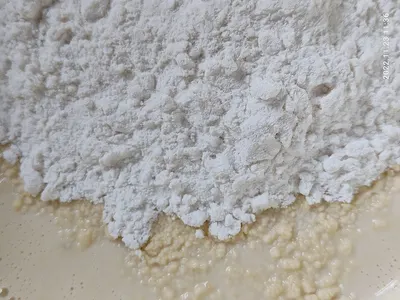
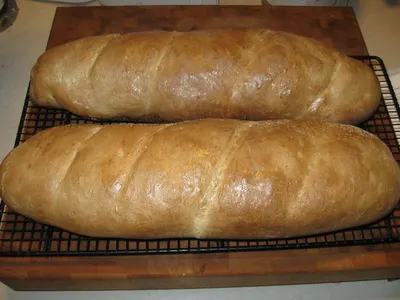
The product list includes pasta, a chandelier, olive oil, tomatoes, flour for pasta and Italian bread. Italian bread is the only item with a disclosed HS code, 1905.90, which falls under Chapter 19 for bakery products. The chandelier entry aligns with HS Chapter 94 for lighting fixtures, though no specific code is provided. Food items such as pasta, olive oil, tomatoes and flour are typical of HS chapters 10, 15 and 11 respectively. Materials noted for Italian bread comprise wheat flour, water, yeast, salt and olive oil, matching standard bakery formulations.
Product Range and Specialties of Chandelier Factory
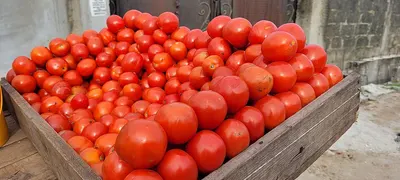
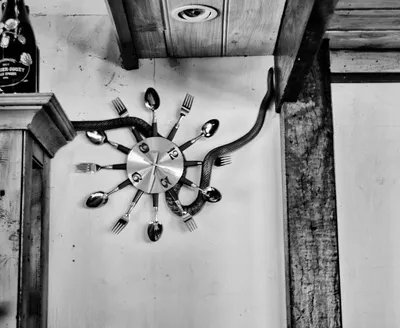
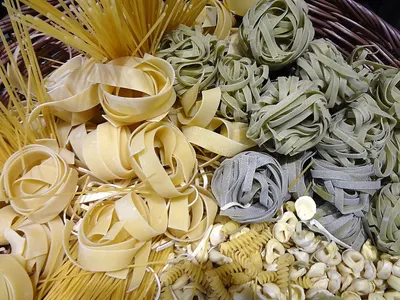
The catalogue contains pasta, a chandelier, olive oil, tomatoes, flour for pasta and Italian bread. In the food sector, pasta is usually produced from durum wheat semolina with moisture content of 12‑13 % and packaged in 1‑kg bags or bulk cartons; olive oil is commonly marketed as extra‑virgin with free‑fatty‑acid levels ≤0.8 % and peroxide values ≤20 meq O₂/kg; tomatoes are classified under HS 0702 and graded by size (A‑C) for fresh market; flour for pasta generally meets high‑protein specifications (protein 12‑14 %) and low ash (0.55‑0.65 %); Italian bread follows standard bakery formulations with wheat flour, water, yeast, salt and olive oil and is recorded under HS 1905.90. The chandelier is a lighting fixture typically made of glass or crystal, measured by lumens and wattage, and falls under HS Chapter 94 for lighting equipment.
Industry standards add further detail: pasta often conforms to UNI 9701 or ISO 7304, olive oil to International Olive Council (IOC) standards, tomatoes to USDA fresh produce grades, flour to ISO 1446, and bakery breads to Codex Alimentarius specifications. Packaging for these commodities usually involves palletized cartons for food items and crate or box packing for chandeliers, with container loads ranging from 20‑ft (≈20 tonnes) to 40‑ft (≈25‑30 tonnes) depending on product density.
Trade and Export Information - Chandelier Factory
United States exporters of food and décor items typically serve markets in North America, the European Union, the Middle East and Southeast Asia. HS Chapter 94 (lighting fixtures) and Chapter 19 (bakery products) are common entry points for chandeliers and breads, while pasta, flour and olive oil fall under Chapters 10, 11 and 15 respectively. Buyers usually require compliance with FDA registration for food, USDA organic or non‑GMO verification where applicable, and CE marking or UL certification for electrical safety of chandeliers. Standard export documentation includes a commercial invoice, packing list, certificate of origin, and where required, a phytosanitary certificate for fresh tomatoes. Logistics often follow FOB US Gulf ports or CIF terms to destination ports, with cargo loaded in 20‑ft or 40‑ft containers, pallets secured with stretch film, and break‑bulk handling for large chandeliers.
Sourcing from Chandelier Factory - Buyer Guidance
When sourcing from this supplier, request a detailed product specification sheet that lists moisture, protein, acidity or other grade parameters for each food item and material dimensions for the chandelier. Ask for recent third‑party test reports such as AOAC analysis for olive oil acidity, moisture content for pasta, and pesticide residue limits for tomatoes. Verify that the supplier can provide the necessary certifications (e.g., FDA food facility registration, USDA organic, CE or UL for lighting) before placing a purchase order. Confirm packaging details, container loading plans and whether the Italian bread will be shipped in HS‑coded 1905.90 packaging that meets Codex bakery standards.
Frequently Asked Questions About Chandelier Factory
What food products are listed in the Chandelier Factory catalogue?
The catalogue includes pasta, olive oil, tomatoes, flour for pasta and Italian bread, each matching typical HS chapters for cereals, oils, vegetables, flour and bakery goods.
Does the supplier provide HS code information for all products?
Only Italian bread has a disclosed HS code (1905.90). Other items fall under standard HS chapters - pasta (10), olive oil (15), tomatoes (07), flour (11) and chandelier (94) - but specific codes are not listed.
What material composition is given for the Italian bread product?
The material list states wheat flour, water, yeast, salt and olive oil, which aligns with conventional bakery formulations.
Which certifications should a buyer request for the olive oil product?
Buyers typically request International Olive Council (IOC) quality certification, FDA food facility registration and, if marketed as organic, USDA organic certification.
What are typical packaging and container sizes for the pasta and flour products?
Pasta and flour are commonly packed in bulk cartons (1‑kg bags for pasta, 25‑kg sacks for flour) and loaded into 20‑ft or 40‑ft containers, with palletization to optimize space.
How is the chandelier likely to be shipped and what documentation is needed?
Chandeliers are usually shipped as break‑bulk items in reinforced crates, requiring a commercial invoice, packing list, certificate of origin and CE or UL compliance documentation for electrical safety.
What minimum order quantities (MOQ) are typical for the bakery and food items?
MOQs often start at one 20‑ft container for bulk bakery goods and at 500 kg for olive oil or pasta, but the exact quantity should be confirmed with the supplier.
What quality tests are standard for the tomato product?
Tomatoes are typically subject to size grading, firmness testing, and pesticide residue analysis according to USDA and FDA limits.




 , United States