Fantowin — Verified Trader & Wholesale Supplier
About Fantowin - Glassware Supplier in India
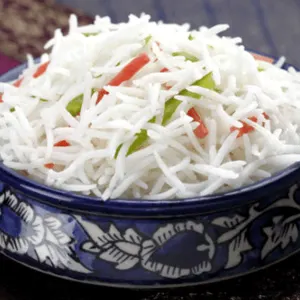
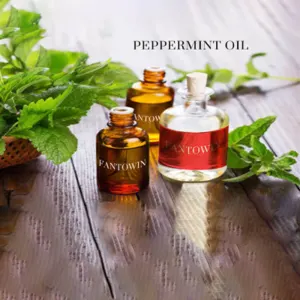
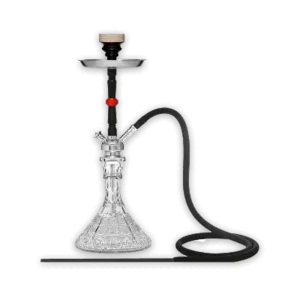
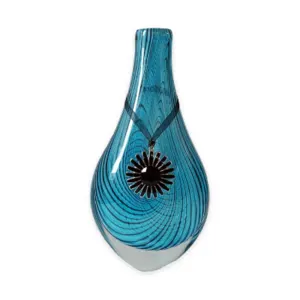
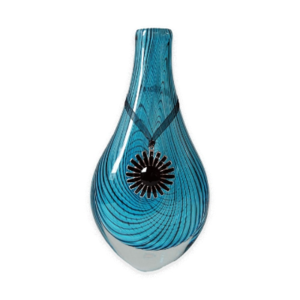
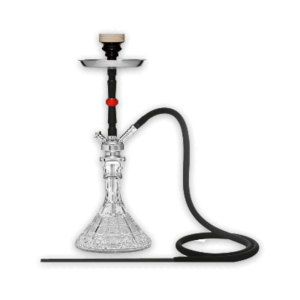
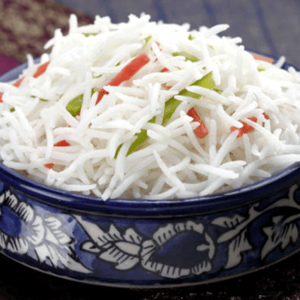
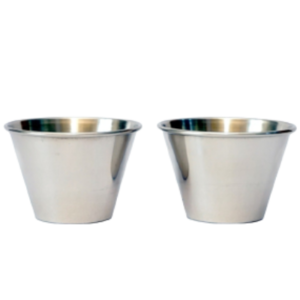
India, Agra in Uttar Pradesh hosts Fantowin, which currently lists seven active products in its export catalogue. The catalogue spans several distinct categories: glassware items such as bowls, jars and bottles, smoking accessories made from brass alloy, multi‑light glass chandeliers, glass hookah bongs, peppermint essential oil, cotton‑silk blend bedsheets, and three varieties of rice (Basmati, Golden and Brown).
The product list is accompanied by specific HS‑code families: Glassware Bowl Jar Bottle (HS 7013.28, material glass), Smoking Pipe (HS 9614.00, material brass alloy of 70‑80 % copper and 20‑30 % zinc), Glass multi‑light Chandelier (HS 9405.10, material iron frame with glass shades), Glass Hookah Bong (HS 9614.90, material glass), Peppermint oil (HS 3301.24, material oil), Cotton bedsheet (HS 6302.31, material cotton and silk), and Basmati/Golden/Brown rice (HS 1006.30, material grain).
Product Range and Specialties of Fantowin
Fantowin’s glassware portfolio (HS 7013) typically conforms to industry standards such as DIN 50925 or ASTM C1036, which specify minimum thickness, visual clarity and lead‑free composition for food‑contact glass. Brass alloy smoking pipes (HS 9614) are usually produced with copper‑zinc ratios that meet ASTM B107 for brass, and buyers often request lead‑free certification and surface‑finish tolerance of ±0.2 mm. Multi‑light chandeliers (HS 9405) are built on iron frames and glass diffusers that meet IEC 60598 safety limits for luminaires, with glass shade thickness commonly ranging from 2 mm to 4 mm. Peppermint oil (HS 3301) is exported in grades defined by ISO 3515, where purity above 95 % and low residual solvents are standard for food‑grade essential oil. Cotton‑silk bedsheets (HS 6302) are measured by thread count (typically 200‑400 TC) and GSM (180‑250 g/m²), and many buyers look for Oeko‑Tex Standard 100 certification. Indian rice varieties (HS 1006) are graded by moisture content (≤14 %), broken grain ratio (<5 %) and kernel length (Basmati >6 mm).
Trade and Export Information - Fantowin
India is a major global exporter of glass products, with shipments of flat and container glass routinely reaching Europe, the Middle East and North America. Exporters of glassware (HS 70) generally comply with CE marking for the EU market and may provide SGS or Intertek test reports on chemical resistance and impact strength. Brass alloy smoking accessories fall under the broader category of smoking pipes (HS 96) and are often subject to customs inspections for metal composition, especially in markets that restrict lead content. Chandelier shipments (HS 94) require compliance with IEC safety standards and are frequently packed in wooden crates with cushioning to prevent breakage during sea freight. Peppermint oil (HS 33) is classified as an essential oil; buyers in the EU and US typically request a Certificate of Analysis, ISO 22000 or HACCP compliance, and the oil is usually shipped in 20 ft containers in sealed steel drums or PET bottles. Cotton textiles (HS 63) from India are often destined for South Asian and African markets, with Oeko‑Tex or ISO 9001 certificates commonly requested. Indian rice (HS 10) is exported in bulk 20‑ft containers, packed in jute or polypropylene bags, and most importers require phytosanitary certificates and a moisture‑content test report.
Sourcing from Fantowin - Buyer Guidance
When sourcing glassware or chandeliers from Fantowin, buyers should request a product data sheet that includes glass thickness, dimensions, and any CE or IEC test certificates. For brass alloy smoking pipes, ask for an alloy composition certificate and a lead‑free compliance report, as well as a sample to verify surface finish. Peppermint oil orders should be accompanied by an up‑to‑date Certificate of Analysis, ISO 3515 purity specification, and a Material Safety Data Sheet. Cotton bedsheets need a thread‑count verification, GSM measurement, and preferably an Oeko‑Tex Standard 100 statement before bulk purchase. Rice shipments require a phytosanitary certificate, moisture‑content analysis, and a broken‑grain percentage report; buyers often request a sample batch to confirm grain length and aroma. In all cases, confirm the HS code matches the product description, request FOB or CIF quotations, and verify that packaging (e.g., wooden crates for glass, jute bags for rice) meets the handling requirements of the destination port.
Frequently Asked Questions About Fantowin
What glassware products does Fantowin export and under which HS code?
Fantowin exports glass bowls, jars and bottles classified under HS 7013.28. The items are made of clear, lead‑free glass and conform to typical DIN/ASTM glass specifications.
Which material is used for the Smoking Pipe and what certification should buyers check?
The Smoking Pipe is made from a brass alloy containing 70‑80 % copper and 20‑30 % zinc, listed under HS 9614.00. Buyers should request an alloy composition certificate and a lead‑free compliance test report.
What are the typical specifications for the glass multi‑light chandelier?
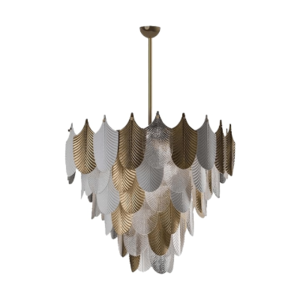
The chandelier uses an iron frame with glass shades and is coded HS 9405.10. Standard specifications include glass shade thickness of 2‑4 mm, IEC 60598 safety compliance, and packaging in reinforced wooden crates.
What quality documentation is standard for peppermint oil from India?
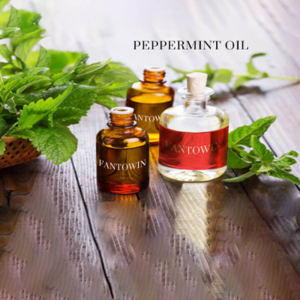
Peppermint oil (HS 3301.24) is usually supplied with a Certificate of Analysis showing ≥95 % purity, an ISO 3515 compliance statement, and a Material Safety Data Sheet. HACCP or ISO 22000 certification is also commonly required for food‑grade oil.
How is cotton bedsheet quality verified for international buyers?
Bedsheets (HS 6302.31) are typically described by thread count (200‑400 TC) and GSM (180‑250 g/m²). Buyers should request Oeko‑Tex Standard 100 certification or an equivalent textile safety test report.
What grading parameters are important for the rice varieties listed?
Rice (HS 1006.30) is graded by moisture content (≤14 %), broken grain percentage (<5 %), and kernel length (Basmati >6 mm). A phytosanitary certificate and moisture‑content test report are standard documents.
What are the common packaging and shipping methods for these products?
Glass items are usually packed in wooden crates with foam inserts, while chandeliers use reinforced pallets. Peppermint oil is shipped in sealed steel drums or PET bottles within 20‑ft containers. Rice is packed in jute or polypropylene bags, also loaded in 20‑ft containers, and most shipments use FOB or CIF terms.
Which certifications should a buyer request before placing a large order?
Buyers should ask for CE or IEC certificates for lighting products, alloy composition and lead‑free certificates for brass pipes, ISO 3515 and HACCP for peppermint oil, Oeko‑Tex or ISO 9001 for textiles, and phytosanitary plus moisture analysis for rice.





 Agra, India