Agriculture›
 Apparel and fashion accessories›
 Construction & real estate›💡Electronic & Electrical›🍎Food & Beverages›🛋️Home furnishing & supplies›⚗️Industrial goods & chemical›🪨Minerals & metals›📦Miscellaneous›Agriculture›Apparel and fashion accessories›Construction & real estate›💡Electronic & Electrical›🍎Food & Beverages›🛋️Home furnishing & supplies›⚗️Industrial goods & chemical›🪨Minerals & metals›📦Miscellaneous›
Castillo Retail Private Limited
⚓ Harbor , IndiaNew supplier / no reviews yet
Castillo Retail Private Limited Product Catalog



About Castillo Retail Private Limited - Home Furnishing Textiles Supplier in India
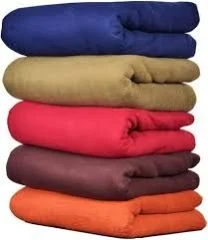
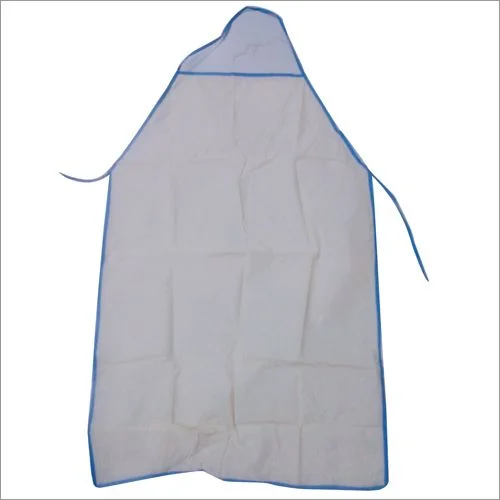
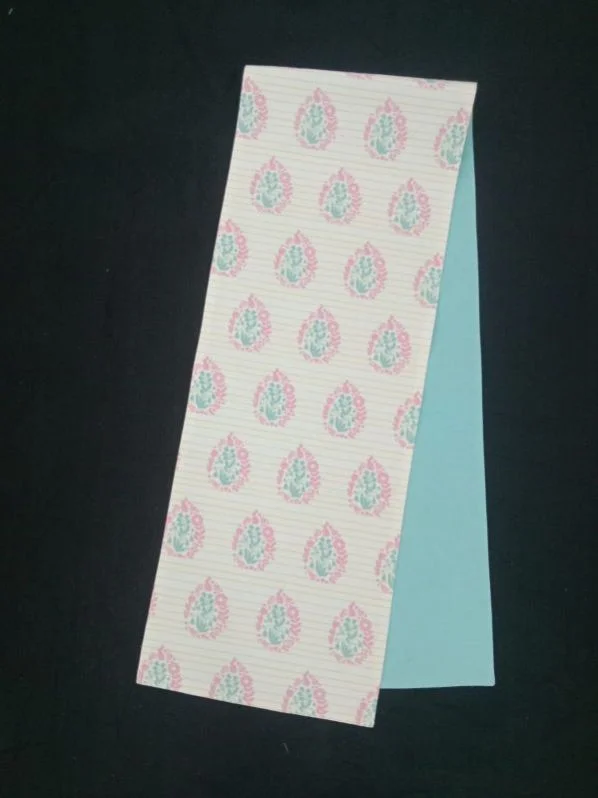
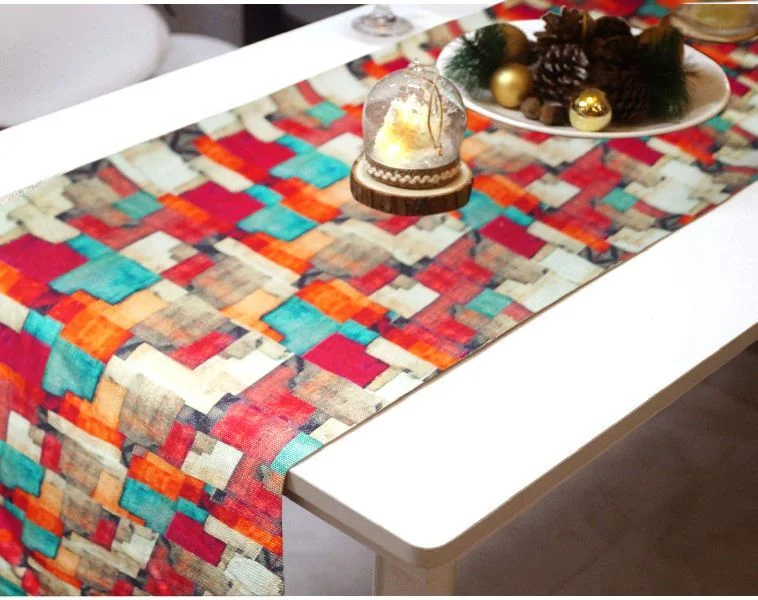
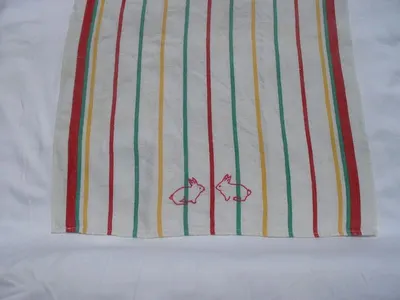
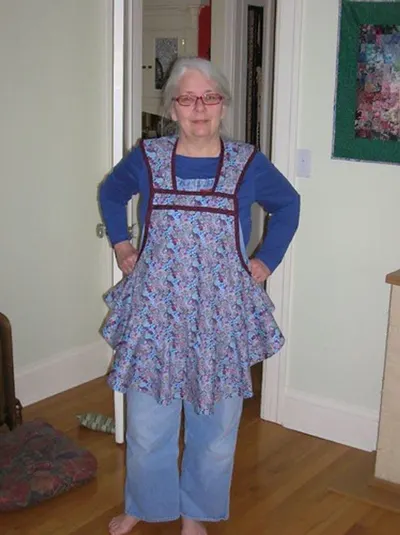
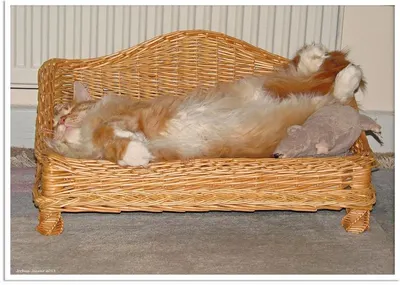
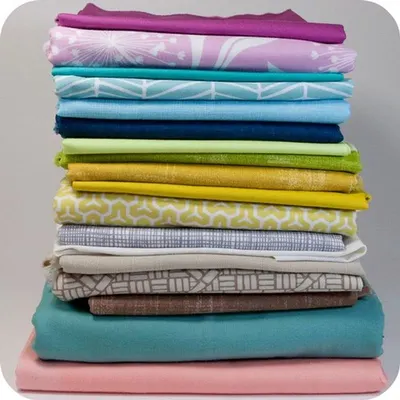
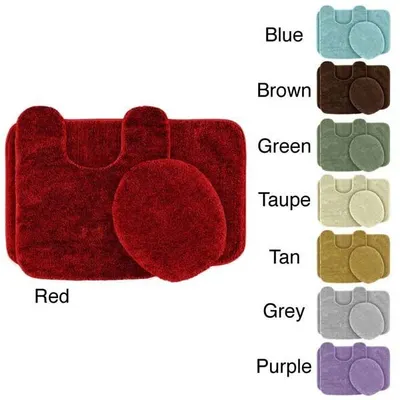
India-based Castillo Retail Private Limited lists 16 active products across home furnishing textiles, cashew nuts, oil seeds, peanuts, curtains, kitchen towels, aprons and pet supplies. The catalogue includes food items such as cashew nuts, quinoa and peanuts, as well as traditional items like Pooja Turmeric, Kumkum Turmeric Combo and Dhoop. The textile line features curtains, kitchen towels, aprons (HS 6211.42, 100 % cotton), throws (HS 6301.30, cotton/acrylic blend), pet beds, table mats, chair pads, ironing board covers and baby textiles. Each product is recorded under its relevant HS‑code family where specified, providing a clear customs classification for international buyers.
The product set spans two broad sectors: food‑grade agricultural commodities and home‑textile articles. Food items fall under HS chapters 08 (nuts) and 12 (oil seeds), while textile articles are classified under HS 62 (apparel) and 63 (other textiles). This dual focus reflects typical Indian exporters that combine agricultural produce with value‑added textile goods for diversified markets.
Product Range and Specialties of Castillo Retail Private Limited
The catalogue’s food segment includes raw cashew nuts, quinoa and peanuts. In the global market, cashew nuts are graded by size and shell‑percentage (e.g., AA, A, B grades) and often require moisture ≤ 5 % and aflatoxin ≤ 10 µg/kg. Quinoa is usually sold in 25 kg bags with moisture ≤ 12 % and protein ≥ 14 %. Peanuts are classified by kernel size and oil content, with typical moisture ≤ 6 % and free‑fat ≈ 45 %. The textile segment comprises curtains, kitchen towels, aprons, throws, pet beds and related accessories. Aprons of 100 % cotton are commonly produced at 180 - 250 g/m² GSM, while throws made from cotton‑acrylic blends are offered in 150 × 200 cm dimensions and 250 - 300 g/m² GSM. Standard textile certifications such as Oeko‑Tex Standard 100, ISO 9001 and, where applicable, ISO 14001 are widely requested by buyers.
Frequently Asked Questions About Castillo Retail Private Limited
What food products does Castillo Retail Private Limited offer?
The supplier lists raw cashew nuts, quinoa and peanuts, each typically supplied in bulk bags with moisture limits of 5 % for cashews and 6 % for peanuts.
Which HS codes are associated with the textile items?
Aprons are classified under HS 6211.42 and are made of 100 % cotton; throws fall under HS 6301.30 and use a cotton‑acrylic blend.
What certifications should a buyer request for the cashew nuts?
Buyers should request a phytosanitary certificate, an aflatoxin test (≤ 10 µg/kg) and, if required, ISO 22000 or HACCP compliance documentation.
What are the typical specifications for the cotton aprons?
Cotton aprons are usually 180 - 250 g/m² GSM, 100 % cotton, and buyers often ask for ISO 105‑B02 wash fastness test results.
How are the textile products packaged for export?
Textile items are typically folded, placed in poly‑bags and packed in export‑grade cartons, with 20‑ft or 40‑ft containers used for larger shipments.
IndiaRelated Suppliers & Products
Explore similar suppliers, related products and trending categories