Carry Away Enterprises — Verified Supplier
About Carry Away Enterprises - Seafood & Fruit Supplier in Canada
Canada‑based Carry Away Enterprises lists 20 active products across seafood and fresh fruit categories. The catalogue groups items under HS‑code families 0301 for live eels, 0306 for lobsters, crabs and other sea creatures, and 0805 for citrus and tropical fruits. Products include live Canadian lobster (HS 0306.32), live glass eel (HS 0301.92), frozen snow crab legs (HS 0306.14) and frozen king crab (HS 0306.14), as well as Valencia oranges (HS 0805.10) and a selection of dragon fruit, physalis and other specialty fruits. Each entry specifies the biological material, for example Homarus americanus for Atlantic lobster or Anguilla rostrata for glass eel. The supplier’s trust tier is listed as “harbor”, indicating a mid‑level verification status within the platform.
Product Range and Specialties of Carry Away Enterprises
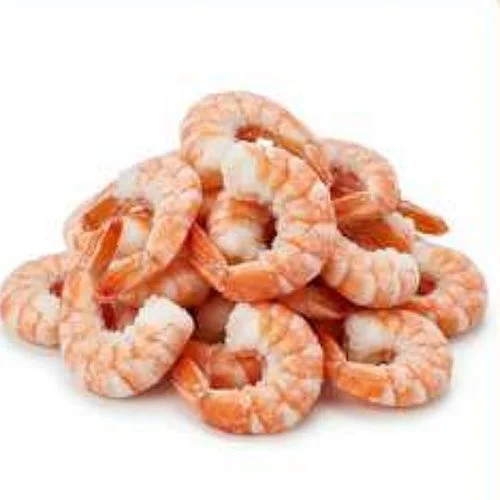
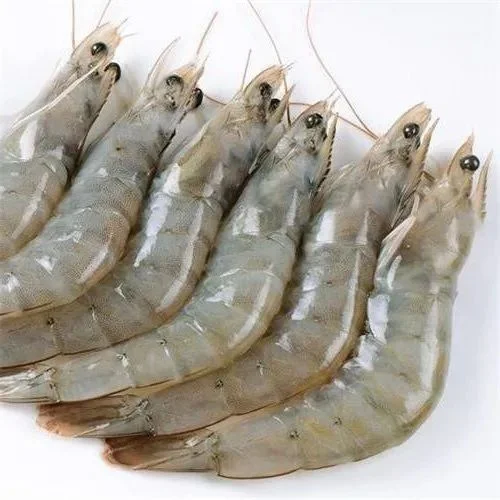
The product list combines live and frozen seafood with a variety of fresh fruits. Live lobsters and spiny lobsters are offered whole, typically graded by carapace length (e.g., 120‑150 mm) and weight (1‑2 kg per animal). Frozen snow crab legs and king crab are usually processed to a meat yield of 45‑55 % and packed in vacuum‑sealed bags of 10‑20 kg for reefers. Shrimp varieties such as Vanamei and pink shrimp follow standard size classes of 16‑22 mm and are commonly sold frozen in 20 kg cartons. Fruit items like Valencia oranges and dark red grapefruit are harvested at sugar‑acid ratios meeting USDA Fresh Fruit standards, often packed in 20 kg cartons or bulk 40 ft refrigerated containers. Industry practice for these categories includes HACCP‑based processing, MSC or ASC certification for wild‑caught crustaceans, and phytosanitary certificates for fresh produce.
Trade and Export Information - Carry Away Enterprises
Canada exports seafood under HS chapter 03 to the United States, the European Union and East Asian markets, with refrigerated container volumes ranging from 20‑ft reefers to 40‑ft units. Typical import requirements include a health certificate issued by the Canadian Food Inspection Agency, HACCP compliance, and, for wild‑caught crustaceans, MSC or ASC chain‑of‑custody documentation. HS 0306.14 (snow and king crab) and HS 0306.32 (live lobster) are subject to weight‑based customs valuation and may trigger inspection under the U.S. FDA’s Seafood HACCP regulations or the EU’s Rapid Alert System for Food and Feed. Fresh fruit under HS 0805.10 (citrus) requires a phytosanitary certificate and must meet maximum residue limits (MRLs) set by the destination country. Canadian fruit exporters commonly use insulated boxes with gel packs or refrigerated containers, and they adhere to the Codex Alimentarius standards for Brix levels and pesticide residues.
Sourcing from Carry Away Enterprises - Buyer Guidance
Buyers should request the supplier’s latest HACCP audit report, MSC/ASC certificates for crustacean items, and a Canadian Food Inspection Agency health certificate for all live and frozen seafood. For live eels and lobsters, a certificate of origin and a declaration of compliance with CITES (if applicable) are standard verification documents. Fruit buyers typically ask for a phytosanitary certificate, a recent laboratory analysis of pesticide residues, and a Brix measurement report for citrus varieties. Samples are usually provided in 5‑kg batches for seafood and 10‑kg pallets for fruit, allowing sensory and laboratory testing before full‑scale orders. Confirm packaging dimensions (e.g., 20 kg vacuum bags for crab legs or 20 kg cartons for oranges) and ensure the supplier can meet reefed container lead times of 7‑10 days from port of loading.
Frequently Asked Questions About Carry Away Enterprises
What HS codes apply to the live Canadian lobster offered by Carry Away Enterprises?
Live Canadian lobster is listed under HS 0306.32, which covers live crustaceans such as Homarus americanus.
Are the frozen snow crab legs covered by a specific HS code?
Yes, frozen snow crab legs are classified under HS 0306.14, the code for frozen crustacean meat.
Which certifications are typically required for the frozen king crab product?
Buyers usually request MSC chain‑of‑custody certification, a HACCP audit report, and a Canadian health certificate for frozen king crab (HS 0306.14).
What documentation should be obtained for the live glass eel?
A health certificate from the Canadian Food Inspection Agency, a certificate of origin, and any applicable CITES documentation are standard for live glass eel (HS 0301.92).
What quality parameters are common for Valencia oranges exported from Canada?
Buyers often check Brix levels above 11 %, acidity within 0.5‑0.7 %, and compliance with maximum pesticide residue limits set by Codex.
How are the shrimp products typically packaged for export?
Vanamei and pink shrimp are usually frozen and packed in 20 kg cartons, sealed in insulated boxes for shipment in 20‑ft or 40‑ft refrigerated containers.
What are the typical lead times for refrigerated container shipments from Canada?
Reefer shipments of seafood or fruit generally require 7‑10 days from the Canadian port of loading to the destination port, assuming standard customs clearance.
Which markets most frequently import the seafood items listed by Carry Away Enterprises?
The United States, the European Union and East Asian countries such as Japan and South Korea are the primary import markets for Canadian lobster, crab and shrimp.




 , Canada