Cantera Mozomboa — Supplier
About Cantera Mozomboa - Aggregates Supplier in Mexico
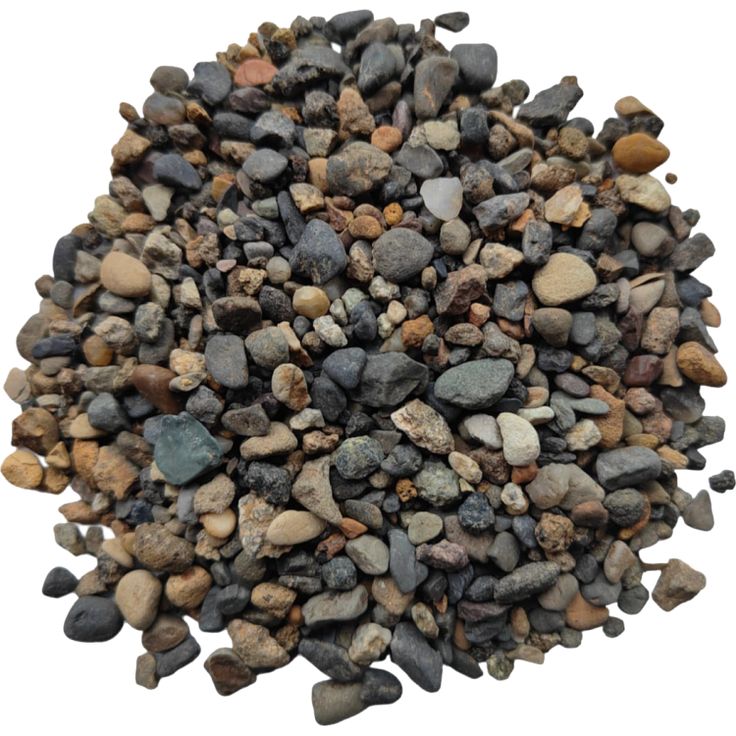
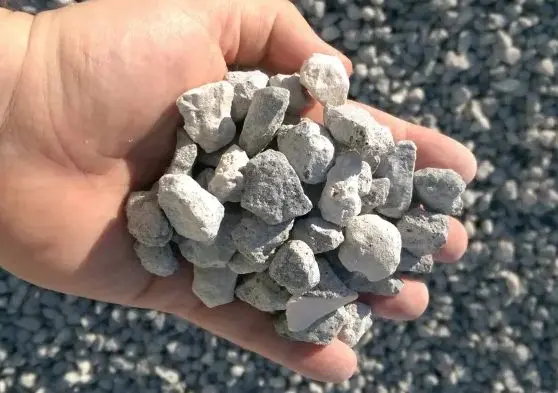
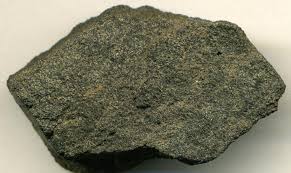
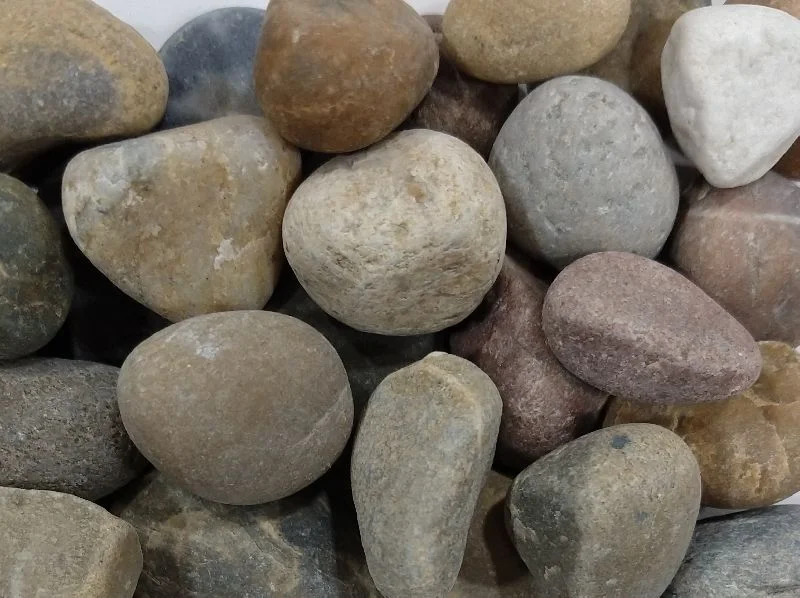
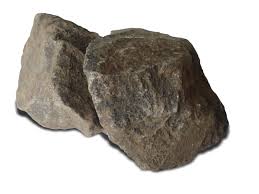
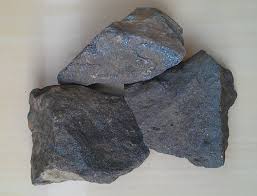
Mexico lists 14 active products from Cantera Mozomboa, covering a spectrum of construction and industrial aggregates. The catalogue includes prepared hydraulic base mixtures, various grades of crushed gravel, basaltic rock, riprap rock, sand, asphalt mix and specialised rock forms such as brake‑water rock. Two items carry explicit HS codes: the Prepared Hydraulic Base Aggregate (HS 2517.10) described as a processed crushed stone, gravel and sand mixture, and the Asphalt Mix (HS 2715.00) composed of 95 % aggregates and 5 % bitumen binder. All other entries are listed without HS codes but fall within the broader HS chapters for stone and sand products (2505‑2519).
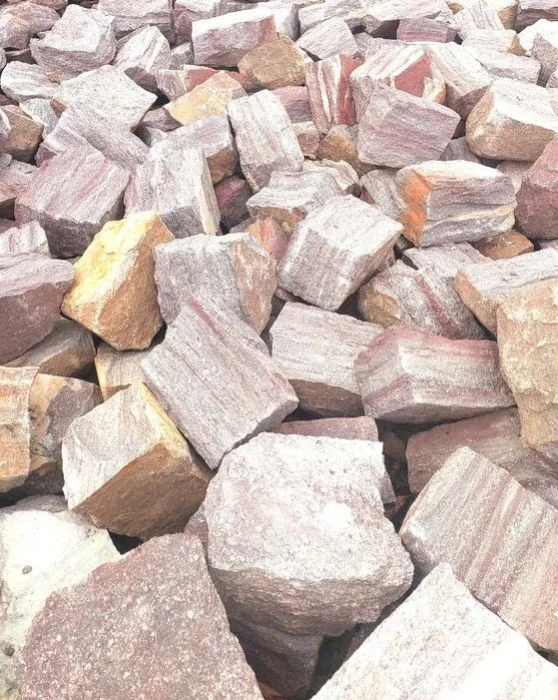
The product set spans typical aggregate categories - sandstones, sands, gravels, stones, slates and other natural stones - as well as ancillary industrial items such as salt and drilling machines. The list reflects both bulk aggregate forms (e.g., Gravel All Sizes, Rock On Any Specific Granulometry) and engineered blends (e.g., Prepared Hydraulic Base, Asphalt Mix). The catalogue’s breadth demonstrates the supplier’s ability to provide material for road construction, railway ballast, concrete production and specialised engineering applications.
Product Range and Specialties of Cantera Mozomboa
Cantera Mozomboa’s catalogue features crushed gravel, basaltic rock, riprap rock and various sand grades that are standard inputs for civil engineering projects. In the industry, such aggregates are graded by nominal particle size ranges - for example 0‑4 mm, 4‑16 mm, 16‑63 mm - and are evaluated against ASTM C33 or EN 13043 specifications for grading, moisture content (typically 1‑3 %) and Los Angeles abrasion resistance (commonly 30 % or less for road base material). The Prepared Hydraulic Base Aggregate (HS 2517.10) aligns with common hydraulic base mixes where gravel and dust are proportioned to achieve a stable sub‑grade; typical formulations use 40 % gravel and 60 % fine dust, matching the supplier’s description. The Asphalt Mix (HS 2715.00) follows standard hot‑mix designs that contain 5‑10 % bitumen binder and aggregate gradations that meet ASTM D692 or EN 13108‑2.
Trade and Export Information - Cantera Mozomboa
Aggregates from Mexico are frequently shipped to construction markets in the United States, Canada and Central American countries where infrastructure expansion drives demand for bulk stone, sand and gravel. The HS 2517.10 family covers processed stone and sand mixtures used for base layers, while HS 2715.00 pertains to asphalt mixtures; both codes are subject to customs inspections for moisture content, contamination and proper documentation. Buyers typically request ISO 9001 quality‑management certification, as well as product‑specific test reports that comply with ASTM C136 (sieve analysis), ASTM C131 (density) and ASTM D946 (bitumen content). Export logistics often involve bulk cargo in open‑top containers or covered hopper trucks, with Incoterms such as FOB or CIF being common for large‑volume shipments. Mexico’s proximity to North American ports facilitates containerised delivery of sand and smaller‑size aggregates, while bulk sea freight is used for rock and gravel destined for distant markets.
Sourcing from Cantera Mozomboa - Buyer Guidance
When sourcing aggregates from Cantera Mozomboa, buyers should request a recent particle‑size distribution (sieve analysis) and Los Angeles abrasion test report to confirm compliance with ASTM C33 or EN 13043. For the hydraulic base product, a moisture‑content certificate and a bulk‑density measurement (typical range 1.5‑1.7 t/m³) help verify the mix’s suitability for sub‑grade applications. The asphalt mix requires a bitumen content test (e.g., ASTM D946) and a binder grading report to ensure the 5 % binder proportion meets project specifications. Buyers are advised to confirm that any HS codes on the commercial invoice match the product description and to ask for a material safety data sheet (MSDS) where applicable. Verifying these documents before order confirmation reduces the risk of non‑conformity during customs clearance or on‑site testing.
Frequently Asked Questions About Cantera Mozomboa
What aggregate sizes are available from Cantera Mozomboa?
The catalogue lists Gravel All Sizes, Crushed Gravel and Basaltic Rock All Sizes, which typically cover nominal size ranges from 0‑4 mm up to 63 mm. Exact size distribution can be confirmed through a sieve‑analysis report.
Does the supplier provide test reports for the Prepared Hydraulic Base Aggregate?
Test reports such as particle‑size distribution, moisture content and Los Angeles abrasion are not listed in the facts, so buyers should request the latest ASTM C33 and ASTM C131 reports before placing an order.
Which HS codes apply to the Asphalt Mix and the Hydraulic Base product?
The Asphalt Mix is classified under HS 2715.00 and the Prepared Hydraulic Base Aggregate under HS 2517.10, as stated in the supplier’s catalogue.
What certifications are commonly required for Mexican aggregates?
Buyers usually request ISO 9001 quality‑management certification and compliance with ASTM C33 or EN 13043 standards for grading and durability.
What are typical packaging methods for the sand and gravel products?
Sand and fine gravel are often bagged in 25 kg or 50 kg woven polypropylene bags, while bulk rock and larger gravel are shipped in open‑top containers or covered bulk trucks.
What are the usual Incoterms used for exporting these aggregates?
Exporters from Mexico commonly use FOB (Free on Board) at major ports such as Veracruz, or CIF (Cost, Insurance, Freight) when delivering to inland destinations in North America.
What is the minimum order quantity (MOQ) for the Asphalt Mix?
The facts do not specify an MOQ; buyers should inquire about the smallest batch that can be produced, which in the industry often starts at a 20‑foot container load (approximately 15 t).
How long is the typical lead time for bulk rock shipments?
Lead times are not provided in the facts; however, bulk stone shipments from Mexico generally require 2‑4 weeks for production scheduling, quality verification and transport to the port.




 , Mexico