Botop Steel Pipe CO., Ltd — Manufacturer & Wholesale Supplier
About Botop Steel Pipe CO., Ltd - Steel Pipes Supplier in China
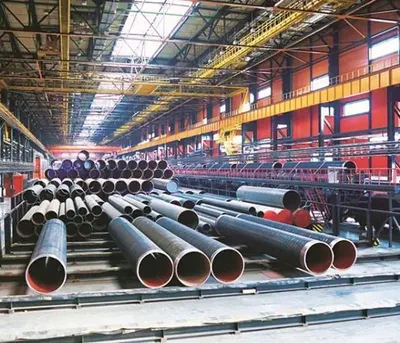
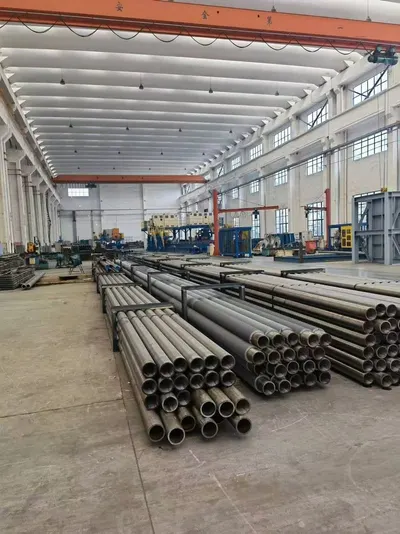
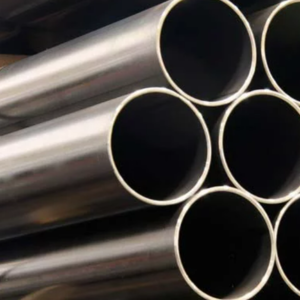
Botop Steel Pipe CO., Ltd is based in Cangzhou, Hebei province, China. The company lists nine active product types across steel, iron, stainless, aluminum and copper pipe families. As the international export arm of Hebei Allland Steel Pipe Group, it holds more than 8,000 tons of carbon seamless linepipe in stock each month, enabling rapid shipment. Botop acts as an agency for Baotou Steel and Jianlong Steel and is one of the largest stockists of carbon seamless steel pipe in northern China. The catalogue covers steel pipes, iron pipes, pipe scrap, stainless steel pipe and fittings, aluminum pipes, copper pressure fittings and steel tubes.
Product Range and Specialties of Botop Steel Pipe CO., Ltd
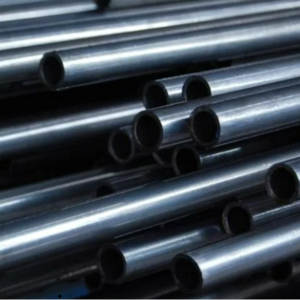
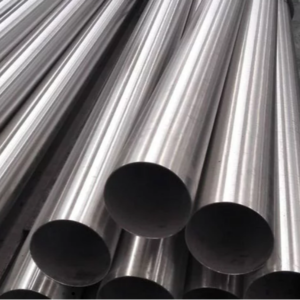
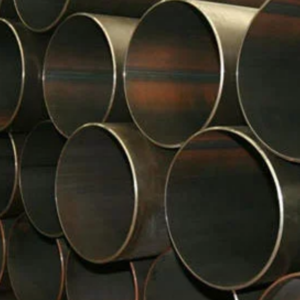
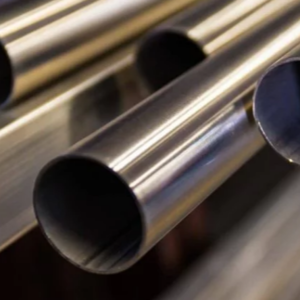
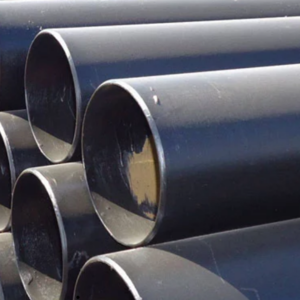
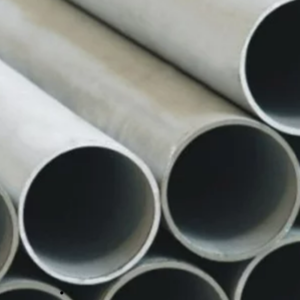
Botop’s catalogue focuses on carbon steel pipe products that conform to widely used international standards. ERW pipes are commonly supplied to API 5L grades B, X42‑X80, and ASTM A53 Gr A/B, with outside diameters ranging from 21 mm to 1 200 mm and wall thicknesses up to 25 mm. Seamless tubes such as JIS G 3454 STPG370/410 are typically delivered in DN 15‑600 with pressure ratings up to 25 MPa, while JIS G 3455 STS370 high‑pressure variants meet ISO 3183 requirements for service pressures of 30 MPa and above. Although the supplier’s listed range does not include stainless steel, aluminum or copper pipe specifications, the industry standard for stainless pipe fittings is 304/316 grades with ASTM A312 certification, aluminum pipe often follows ASTM B221 (6061‑T6) and copper pressure fittings are usually rated to 150 psi at 100 °C under ASTM B88. These material groups are typically shipped in bundled coils or cut lengths, packed in wooden crates or steel drums for container loading.
Trade and Export Information - Botop Steel Pipe CO., Ltd
China is a global exporter of carbon steel pipe, and products classified under HS chapter 73 are subject to routine customs inspection for chemical composition and mechanical test certificates. Major import markets for Chinese steel pipe include Southeast Asia, the Middle East, Africa and parts of Europe, where the oil‑and‑gas, water‑distribution and construction sectors drive demand. Buyers usually require mill test reports, API/ASTM compliance certificates and, where applicable, ISO 9001 quality‑management documentation. Typical logistics involve loading bundled pipe lengths onto 20‑foot or 40‑foot containers, with freight terms often quoted as FOB Cangzhou or CIF destination port. Packaging standards call for protective wooden pallets, steel straps and moisture‑resistant inner liners to prevent corrosion during sea transit. Export controls in China mandate that the HS codes 7304.31, 7304.51, 7305.12 and 7306.30 be declared accurately, and many importers request a pre‑shipment inspection report from an agency such as SGS or Bureau Veritas.
Sourcing from Botop Steel Pipe CO., Ltd - Buyer Guidance
When sourcing from Botop, buyers should request the mill test report (MTR) for each grade, confirming chemical analysis, tensile strength, yield strength and dimensional tolerances as defined by the relevant standard (e.g., API 5L, ASTM A53, JIS G 3454). A certificate of conformity to the stated HS code and a third‑party inspection certificate are commonly required before payment. Verify the stock availability of the specific diameter‑wall combination, as Botop maintains a monthly inventory of over 8,000 tons of seamless linepipe. Clarify the minimum order quantity, which for standard ERW pipe is often 1 ton or a full container load, and confirm lead time - typically 7‑14 days for stocked items and 30‑45 days for custom cuts. Ensure packaging details (e.g., wooden crates, anti‑rust coating) are included in the pro‑forma.
Frequently Asked Questions About Botop Steel Pipe CO., Ltd
What steel pipe grades are listed in Botop’s catalogue?
The catalogue includes ERW carbon steel pipe (HS 7306.30), JIS G 3454 STPG370 seamless tubes (HS 7304.31), JIS G 3454 carbon ERW pressure pipe (HS 7305.12/7306.19), JIS G 3455 STS370 high‑pressure seamless pipe (HS 7304.51), BS EN 10210 S275J0H LSAW pipe covering ASTM A53 Gr B and API 5L Gr B (HS 7305.12/7306.19), ASTM A519 carbon and alloy seamless pipe (HS 7304.31), EN 10210 S355J2H structural ERW pipe (HS 7306.30), API 5L PSL 1 & 2 GR B longitudinal submerged‑arc welded pipe (HS 7305.12/7306.19) and ASTM A53 Gr A/Gr B high‑temperature ERW pipe (HS 7305.12/7306.19).
Which HS codes correspond to the products Botop offers?
The products are classified under HS 7304.31 for many seamless and alloy tubes, HS 7304.51 for high‑pressure seamless pipe, HS 7305.12 and HS 7306.19 for ERW and longitudinal submerged‑arc welded pipes, and HS 7306.30 for standard ERW steel pipe and structural ERW pipe.
What documentation should I request before purchasing?
Buyers should request a mill test report (MTR) that details chemical composition and mechanical properties, a certificate of conformity matching the declared HS code, and a third‑party inspection certificate (e.g., SGS or Bureau Veritas). If the product is to meet API or ASTM standards, the corresponding compliance certificate should also be provided.
What are the typical dimensions and pressure ratings for these pipes?
Standard ERW pipes are offered in outside diameters from 21 mm up to 1 200 mm with wall thicknesses up to 25 mm, suitable for pressures up to 20 MPa. Seamless tubes such as JIS G 3454 STPG370/410 are supplied in DN 15‑600 and can handle service pressures of 25 MPa, while JIS G 3455 STS370 pipes are designed for pressures of 30 MPa and higher.
What is the minimum order quantity and typical lead time?
For stocked ERW pipe the minimum order is generally 1 ton or a full container load. Lead time for items already in inventory is usually 7‑14 days, whereas custom‑cut or non‑stock grades may require 30‑45 days from order confirmation.
How are the pipes packaged for export?
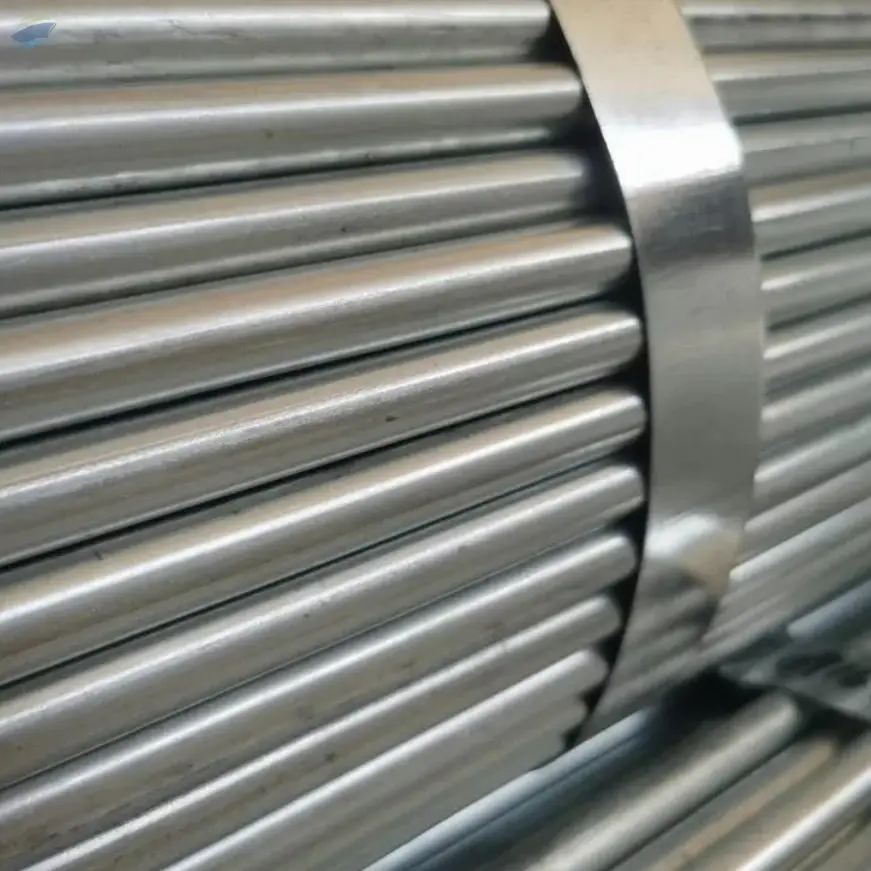
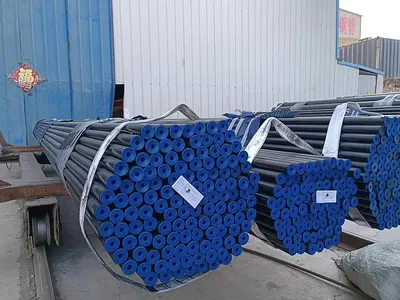
Pipes are bundled and secured with steel straps, placed on wooden pallets or in wooden crates, and wrapped with moisture‑resistant film. The bundles are then loaded into 20‑foot or 40‑foot containers, with interior dunnage used to prevent movement during sea transit.
Which regions commonly import Chinese carbon steel pipe?
Typical import regions include Southeast Asian countries such as Vietnam and Thailand, Middle Eastern markets like Saudi Arabia and the UAE, African nations including Nigeria and Kenya, and European destinations such as Italy and Spain, where the oil‑and‑gas, infrastructure and water‑treatment sectors are major buyers.




 , China
.jpg.png)