Boni Seafood Inc. — Supplier
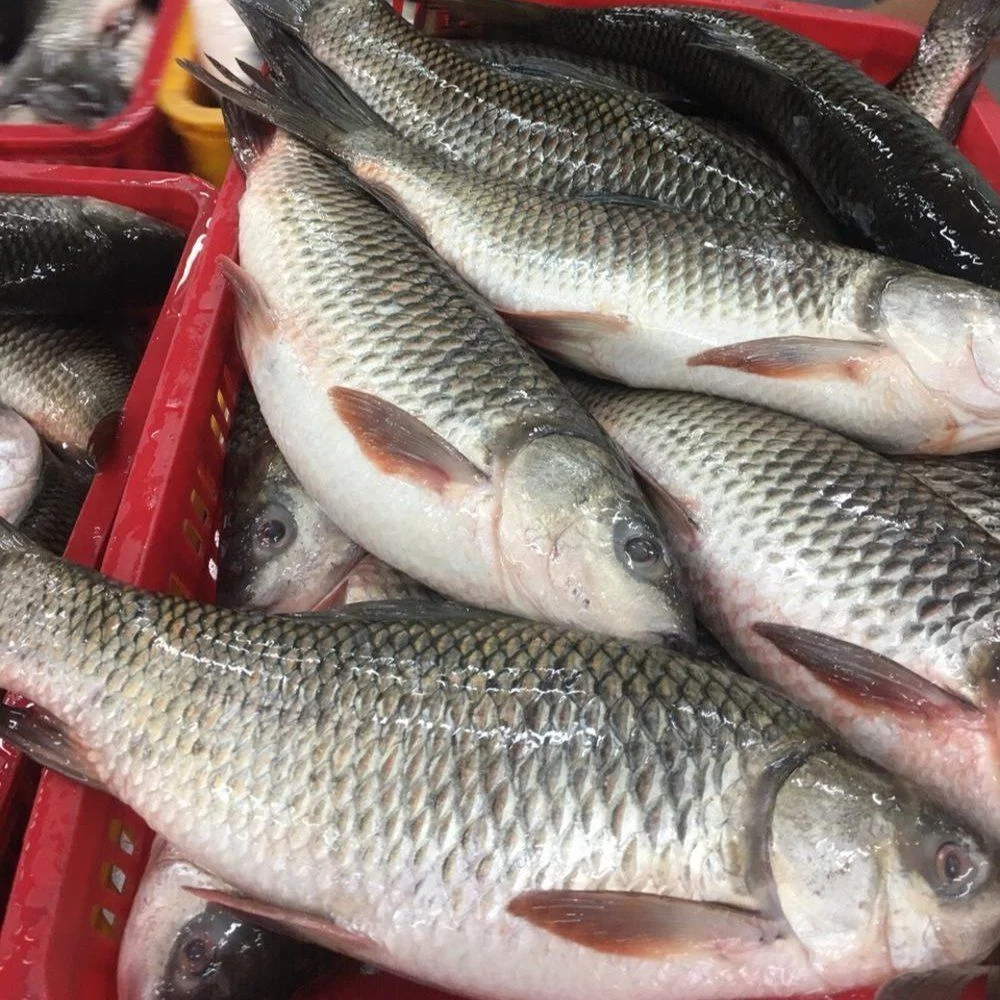
About Boni Seafood Inc. - Fresh or Chilled Fish Supplier in Canada
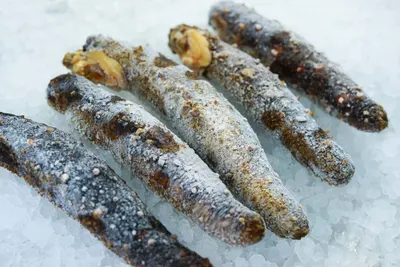
Canada‑based Boni Seafood Inc. lists 64 active seafood products across its catalogue. The company groups its offerings under categories such as Fresh or Chilled Fish, Frozen Fish, Fresh Squid, Frozen Squid, Frozen Tuna Fish, Fresh Prawns, Frozen Crabs and Frozen Prawns, reflecting a broad marine protein portfolio. The catalogue includes species ranging from Antarctic Krill and Australian Red Claw Crayfish to Big Eye Tuna, Blue Marlin, and Peruvian Scallop, as well as niche items like Pacific Crown Conch and Sea Cucumber. Each product falls under HS Chapter 03 (fish and crustaceans) and is presented without additional processing claims. The supplier’s listing does not reference any specific certifications or quality marks.
Canada’s seafood export environment emphasizes temperature‑controlled logistics and compliance with international food safety standards. Boni Seafood Inc. provides products that are typically shipped in insulated boxes, refrigerated containers (20‑ft or 40‑ft) or on ice‑brine pallets, matching the handling requirements for fresh, chilled or frozen marine goods. The product set includes both pelagic species (e.g., Mahi Mahi, Pacific Mackerel) and demersal or shellfish items (e.g., Blue Swimming Crab, Red Spiny Lobster). While the catalogue does not state any held certifications, buyers can expect documentation such as HACCP plans or third‑party audit reports to be available on request. The company’s trust tier is listed as “harbor,” indicating a mid‑level risk assessment in the platform’s rating system.
Product Range and Specialties of Boni Seafood Inc.
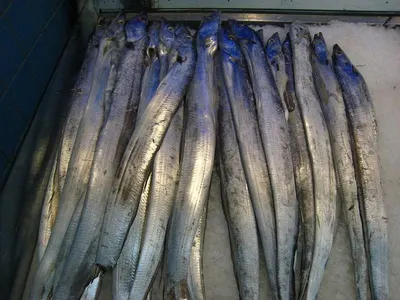
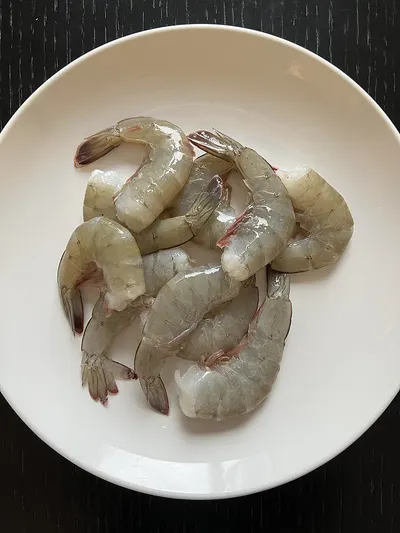
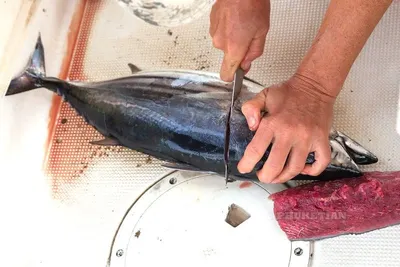
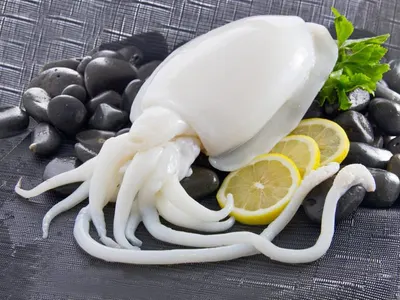
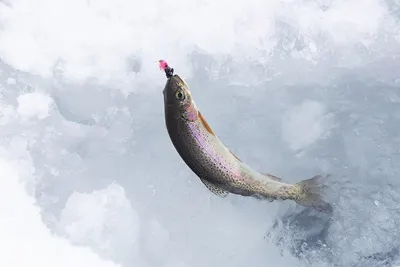
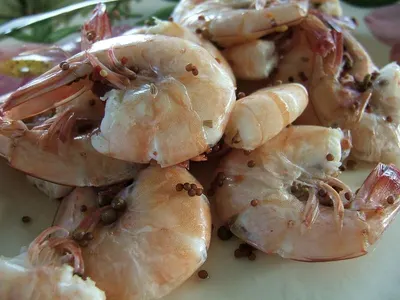
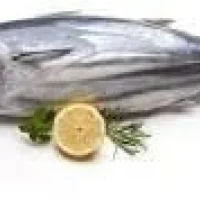
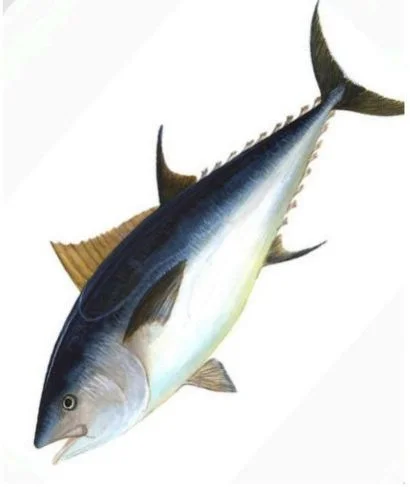
The listed catalogue covers a variety of finfish, cephalopods, crustaceans and mollusks. Species such as Big Eye Tuna (Thunnus obesus), Bullet Tuna (Auxis thazard) and Pacific Mackerel are typical pelagic fish that buyers often evaluate by length (30‑60 cm), fillet yield (55‑65 %) and moisture content below 70 %. Squid entries - Baby Giant Squid, Patagonian Squid and Giant Squid - are usually graded by mantle length (15‑45 cm) and are supplied frozen at - 18 °C to preserve texture. Crustacean items like Blue Swimming Crab and Red Spiny Lobster are commonly measured by carapace width (10‑15 cm) and packed whole or in chilled boxes with ice. In the broader industry, fresh fish are graded by freshness index (e.g., IFI 1‑3), while frozen products follow standard freezer‑temperature protocols and are often labeled with ISO 22000 or BRC compliance when available.
Trade and Export Information - Boni Seafood Inc.
Canada is a major exporter of marine products, with the United States, European Union, Japan and China representing the largest import markets for Canadian seafood. Typical HS codes for the catalogue’s items include 0302 (fresh or chilled fish), 0303 (frozen fish), 0304 (fish fillets, frozen) and 0306 (crustaceans, frozen). Importing countries frequently require proof of sanitary certification, such as a Canadian Health Canada export certificate, and may request MSC (Marine Stewardship Council) or ASC (Aquaculture Stewardship Council) chain‑of‑custody certificates for wild‑caught or farmed species. Standard packaging involves insulated wooden crates or bulk polyethylene bags for frozen goods, with a typical container load of 10‑12 tons for whole fish and 8‑10 tons for shellfish. Export documentation commonly includes a commercial invoice, packing list, Bill of Lading and, where applicable, a phytosanitary certificate for mollusks. Buyers in the EU often reference the EU’s Rapid Alert System for Food and Feed (RASFF) requirements, while U.S. importers look to the FDA’s Seafood HACCP regulations.
Sourcing from Boni Seafood Inc. - Buyer Guidance
When sourcing from Boni Seafood Inc., buyers should request a product specification sheet that details size range, weight per unit, moisture level and any applicable temperature‑controlled handling instructions. Samples should be requested in the same temperature condition as the shipment (e.g., on ice for fresh fish, frozen at - 18 °C for frozen items) and accompanied by a laboratory analysis report covering microbial limits (e.g., total plate count, E. coli) and chemical residues (e.g., mercury, PCBs). Because the supplier does not list certifications, buyers are advised to ask for any existing HACCP, ISO 22000, BRC or third‑party audit reports before confirming volume. Verification of the Canadian export health certificate and, where relevant, MSC/ASC chain‑of‑custody documentation will help confirm compliance with destination country regulations. Finally, confirm packaging dimensions, container type (refrigerated or insulated) and the agreed Incoterm (commonly CIF or FOB) to align logistics expectations.
Frequently Asked Questions About Boni Seafood Inc.
What species does Boni Seafood Inc. list in its catalogue?
The catalogue includes Antarctic Krill, Australian Red Claw Crayfish, several squid species (e.g., Baby Giant Squid, Patagonian Squid), tuna varieties such as Big Eye Tuna and Bullet Tuna, pelagic fish like Mahi Mahi and Pacific Mackerel, crustaceans such as Blue Swimming Crab and Red Spiny Lobster, and mollusks including Peruvian Scallop and Pacific Crown Conch.
Which HS codes apply to the products offered by Boni Seafood Inc.?
Typical HS codes are 0302 for fresh or chilled fish, 0303 for frozen fish, 0304 for frozen fish fillets, and 0306 for frozen crustaceans. Specific items are classified under these Chapter 03 headings according to their state (fresh, chilled or frozen).
Are there any certifications held by Boni Seafood Inc.?
The supplied facts do not list any certifications held by the supplier. Buyers should request any existing HACCP, ISO 22000, BRC, MSC or ASC certificates that the company may have obtained for its products.
What documentation should a buyer request before placing an order?
Buyers should obtain a commercial invoice, packing list, Bill of Lading, Canadian Health Canada export certificate, and any third‑party audit reports (e.g., HACCP, BRC). For species requiring traceability, MSC or ASC chain‑of‑custody certificates are advisable.
How are the seafood products typically packaged for export?
Fresh and chilled fish are usually packed in insulated wooden crates with ice or gel packs, while frozen items are shipped in bulk polyethylene bags or insulated containers placed in refrigerated 20‑ft or 40‑ft containers maintained at - 18 °C.
What are the common import markets for Canadian seafood like those supplied by Boni Seafood Inc.?
Major import markets include the United States, the European Union, Japan and China, where buyers often look for compliance with FDA or EU food safety regulations and may request specific quality grades such as IFI 1‑3 for fresh fish.
What minimum order quantities (MOQs) and lead times are typical for these products?
MOQs vary by species but generally range from 500 kg for high‑value items such as Blue Marlin to several tons for bulk species like Pacific Mackerel. Lead times are usually 2‑4 weeks from order confirmation, depending on product availability and required cold‑chain logistics.




 , Canada