Biliton Trading Egypt — Verified Supplier
About Biliton Trading Egypt - Silica Sand Supplier in Egypt
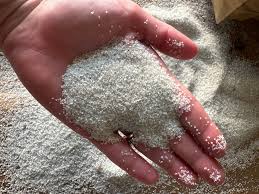
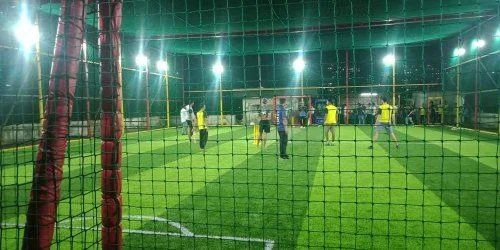
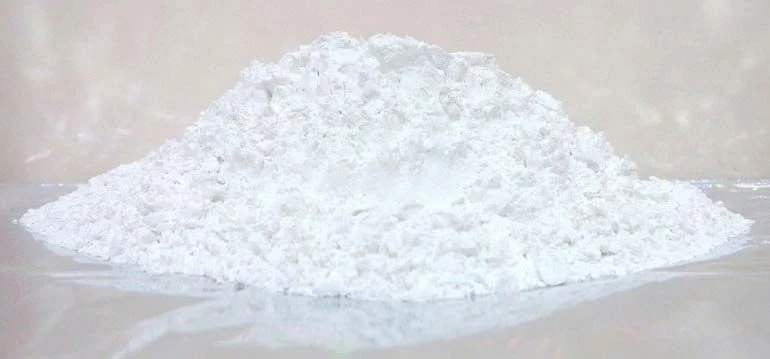
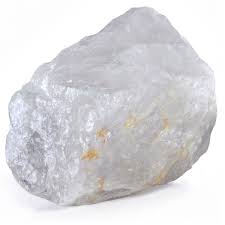
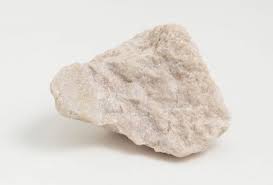
Egypt hosts Biliton Trading Egypt, which currently lists seven active products across its catalogue. The company’s portfolio focuses on mineral aggregates, specifically silica sand and limestone variants. Products include three silica sand grades - sand for glass, foundry and artificial grass - each classified under HS code 2505.10 and described as high‑purity silicon dioxide (SiO2) with typical purity ranges of 95‑99 %. Additional listings are a generic fracking sand and three limestone grades for feed, sugar and glass applications. The catalogue does not provide HS codes for the limestone items, but they fall under the broader mineral commodity segment.
Silica sand is a primary raw material in glass manufacturing, foundry molding and sports‑field surfacing, while limestone serves as a calcium source in animal feed, sugar refining and glass production. In the industry, glass‑grade silica sand typically meets a minimum SiO2 content of 99.5 % and a moisture level below 0.1 %, whereas foundry sand often targets 95‑99 % SiO2 with controlled grain‑size distribution (e.g., 0.2‑1.0 mm). Artificial‑grass sand is usually washed, free of fines and supplied in bulk bags of 20‑25 tonnes. Limestone grades for feed generally require calcium carbonate purity above 90 % and low heavy‑metal content; sugar‑grade limestone demands even higher purity (≥ 95 %) to avoid contamination, and glass‑grade limestone is specified for low iron content. Buyers of these minerals typically reference standards such as ASTM C 136 for sieve analysis of sand and ISO 14001 for environmental management.
Product Range and Specialties of Biliton Trading Egypt
The catalogue lists silica sand products for three end‑uses, all under HS code 2505.10 and described as high‑purity SiO2. Glass‑grade sand is commonly supplied with a particle size of 0.1‑0.3 mm and a bulk density around 2.6 t/m³, meeting ASTM C 620 specifications. Foundry sand is usually graded to 0.2‑0.8 mm, with a crush resistance suitable for metal casting and conforms to EN 13242. Artificial‑grass sand is washed, with a grain‑size range of 0.3‑1.0 mm and low organic matter, aligning with FIFA‑approved turf specifications. The limestone entries cover feed, sugar and glass grades, which in the market are graded by calcium carbonate purity (≥ 90 % for feed, ≥ 95 % for sugar, and low iron for glass) and are typically shipped as bulk cargo or in 20‑ft containers.
Trade and Export Information - Biliton Trading Egypt
Egypt is a recognized exporter of mineral aggregates, leveraging Red Sea and Mediterranean ports such as Alexandria and Damietta for bulk shipments. Silica sand (HS 2505.10) from Egypt is frequently shipped to Europe, North America and the Gulf Cooperation Council (GCC) states, where glass manufacturers and foundries source material meeting ASTM C 136 and ISO 9001 quality management standards. Limestone exports are directed toward the Middle East, North Africa and South‑East Asia for use in feed production, sugar refining and float‑glass processes, and are commonly classified under HS 2521‑2524 depending on the specific grade. Buyers usually require certificates of analysis, SGS or Bureau Veritas inspection reports, and compliance with regional regulations such as REACH for the EU or the Saudi Standards for mineral imports.
Standard export logistics involve bulk bagging (20‑25 tonne bags) or loose bulk in open‑top containers, with typical container loads of 20‑ft (≈ 18 tonnes) or 40‑ft (≈ 30 tonnes) for sand, and bulk carriers for limestone volumes exceeding 15 kt. Incoterms most often used are FOB Alexandria or CIF Jeddah, depending on the buyer’s preference. Egyptian exporters often hold ISO 9001 and ISO 14001 certifications, which buyers should verify, while additional certifications such as ASTM compliance are requested per product grade.
Sourcing from Biliton Trading Egypt - Buyer Guidance
When sourcing silica sand or limestone from Biliton Trading Egypt, buyers should request a recent Certificate of Analysis confirming SiO2 or CaCO3 purity, grain‑size distribution and moisture content. It is advisable to obtain a mill test report aligned with ASTM C 136 for sand and a chemical analysis complying with ISO 679 for limestone. Verification of the supplier’s ISO 9001 or ISO 14001 certification, as well as an independent inspection report, helps confirm consistency with international standards.
Typical minimum order quantities are 20 metric tonnes for silica sand, packed in 20‑tonne bulk bags, and 15 metric tonnes for limestone, either bagged or loaded as bulk cargo. Lead times from order confirmation to shipment range from 30 to 45 days, allowing time for sampling, testing and arranging freight. Buyers should confirm the HS code used for customs clearance (2505.10 for sand) and negotiate Incoterms that suit their logistics network.
Frequently Asked Questions About Biliton Trading Egypt
What are the typical specifications for the silica sand supplied for glass production?
Glass‑grade silica sand from the supplier is specified at ≥ 99.5 % SiO₂, particle size 0.1‑0.3 mm, bulk density about 2.6 t/m³, and moisture below 0.1 %. The product conforms to ASTM C 620 and is typically shipped in 20‑tonne bulk bags.
How can I verify the quality of the foundry sand before placing a large order?
Request a recent Certificate of Analysis and a grain‑size distribution report (ASTM C 136) showing 95‑99 % SiO₂ and appropriate crush resistance for casting. An independent SGS or Bureau Veritas inspection report can provide additional confirmation before a large purchase.
What certifications should I ask for when importing the limestone grades?
Ask for the supplier’s ISO 9001 and ISO 14001 certificates together with a chemical analysis confirming calcium carbonate purity (≥ 90 % for feed, ≥ 95 % for sugar). Regional compliance documents such as REACH or GCC standards should also be verified.
What is the standard packaging for the fracking sand?
Fracking sand is typically shipped in bulk bags of 20‑25 tonnes or as loose bulk in open‑top containers. Moisture content is kept below 0.5 % to ensure flow characteristics required for hydraulic fracturing operations.
Which HS codes are used for the limestone products?
The catalogue does not list HS codes for the limestone items, but they normally fall under HS Chapter 25, for example 2521 for calcium carbonate. Buyers should confirm the exact HS code with the supplier during the order process.
What are the common export destinations for Egyptian silica sand?
Major markets include the European Union, the United States and GCC countries. These regions import the sand for glass manufacturing, metal casting and construction applications.
What are the typical lead times and minimum order quantities for these mineral products?
Typical lead times are 30‑45 days from order confirmation to shipment. Minimum order quantities are around 20 metric tonnes for silica sand and 15 metric tonnes for limestone, with packaging in bulk bags or containerized bulk as required.




 , Egypt